Award-Winning Anatomy Tutors
serving Columbia, SC
Anatomy
Tutors in Columbia
Private 1-on-1 tutoring, weekly live classes for academic support, test prep & enrichment, practice tests and diagnostics, and more to elevate grades and test scores.
Based on 3.4M Learner Ratings
UniversitiesSchools & Universities
DeliveredHours Delivered
ProficiencyGrowth in Proficiency
Who needs tutoring?
No obligation. Takes ~1 minute.
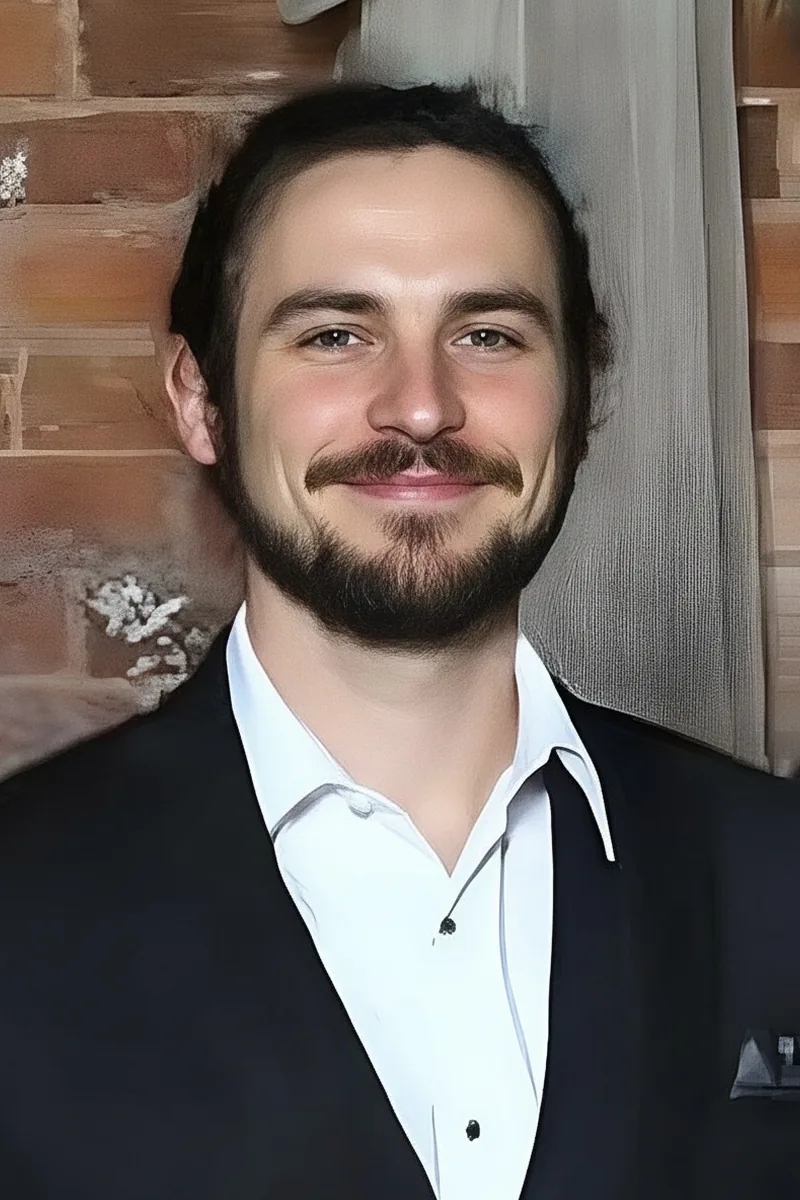
I'm 6 parts biologist, 3 parts psychologist, 1 part artist, 4 parts programmer, 5 parts educator, 7 parts researcher, 2 parts neuroscientist, and 10 parts gamer. During my sophomore year of college, I realized how games and game research could help people. My academic background in biology, psychology, biomedical engineering, and educational technology have been productive stepping stones towards that future. I work a lot. I play a lot. I read a lot. And I do a lot.
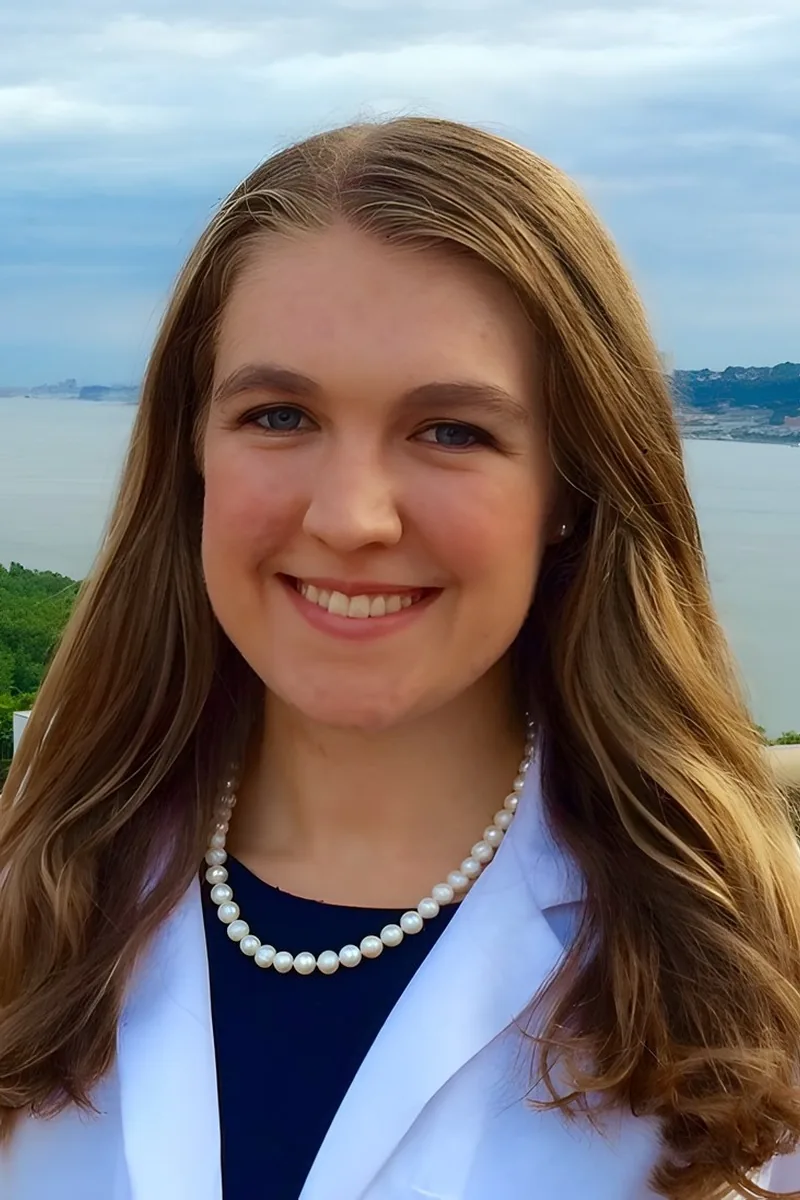
Currently in medical school after graduating summa cum laude from Duke with a cell and molecular biology concentration, Emily learned anatomy through cadaver dissection and clinical coursework where knowing the layers of the abdominal wall or the path of the femoral nerve isn't optional. She teaches the subject by anchoring each structure to its physiological role — so students understand what a muscle does before they try to memorize its origin, insertion, and innervation. Rated 5.0 by students.
I am currently a lead preschool teacher. I received my Bachelor's in Psychology from VCU and am looking to return to school to further my education. While in college, I worked as a Supplemental Instruction leader, teaching general biology and anatomy. I have also worked in an after school program with elementary age children, but I have my fondest memories volunteering as a counselor for Camp Kesem. In my own experience, I loved school and now I love teaching even more at all age levels! I especially enjoy the challenge of getting creative to discover what approach and mediums work best for each student. I am available for in person as well as online tutoring.
Memorizing every bone, muscle, and nerve feels overwhelming until there's a system behind it. Meghan uses spatial reasoning techniques and functional groupings — like learning forearm muscles by their action on the wrist and fingers — to turn anatomy's massive vocabulary into something organized and retrievable. Her medical training keeps her fluent in exactly the level of detail most anatomy courses demand.
Prateek's medical training at Drexel built on a neuroscience foundation at Johns Hopkins, which means he learned anatomy twice — first as undergraduate neuroanatomy, then as the full-body systems approach required for clinical medicine. That double exposure is especially useful for topics like cranial nerve pathways and CNS structures, where understanding the neuroscience behind the anatomy makes spatial relationships click instead of requiring brute memorization.
Memorizing every bone, muscle, and nerve insertion point is daunting until you start seeing the structural logic behind it — why the rotator cuff is built for mobility over stability, or how the brachial plexus branches map onto arm movement. Leonard teaches anatomy by connecting form to function, giving students frameworks that make retention far easier than flashcard grinding alone.
Preparing for medical school meant Enstin had to internalize body systems, organ relationships, and musculoskeletal structures at a level that went well beyond introductory coursework — and his psychology training adds a practical edge when it comes to teaching effective study and retention strategies for terminology-heavy material. He breaks anatomy down by connecting Latin and Greek roots to the structures they describe, so students can reason through unfamiliar terms instead of memorizing each one cold.
Prosthetics and orthotics — Michael's specialty at Georgia Tech — is applied anatomy: fitting a prosthetic limb requires precise knowledge of residual musculoskeletal structures, nerve pathways, and how soft tissue interfaces with bone. That clinical engineering perspective means he teaches anatomy by connecting each structure to its mechanical role in the body, which gives students a concrete reason to remember what they're learning.
Learning anatomy means building a three-dimensional mental map of the body, and Muhammad's MBBS training included the kind of intensive dissection-based study that makes structural relationships intuitive. He walks through brachial plexus branches, abdominal cavity layers, and musculoskeletal attachments with clinical context that turns rote memorization into spatial understanding.
I am currently working towards a doctorate in medicine from New Jersey Medical School. Throughout high school, college, and graduate school, I have tutored students ranging in age from elementary school to college freshmen in a variety of subjects particularly math and science. My favorite subject to tutor is math because it is very methodical and visual. Having a passion to help others, I am drawn to tutoring for the opportunity to share my knowledge with others. My family and friends have described me as being patient, compassionate, and personableall of the qualities that I believe I bring to my students. Outside of tutoring, I like Notre Dame football, dogs (especially my family's German Shepherd!), yoga, cooking, and reading.
Rachel's physiology and microbiology tutoring background means she already thinks in body systems — so when she teaches anatomy, she connects each structure to what it actually does, giving students a functional reason to remember names and locations. Her approach works especially well for topics like the muscular system, where understanding how origin and insertion points relate to movement makes the terminology far less arbitrary.
Working in a biochemistry lab at NYU Medical Center while applying to medical school, Alex lives inside the human body's systems daily — and his Columbia biology teaching assistant role meant explaining structures like organ relationships and tissue layers to students encountering them for the first time. That combination of active research and classroom teaching gives him a practical fluency with anatomy that translates directly into clear, efficient tutoring sessions. Rated 4.9 by students.
Memorizing every muscle insertion and nerve pathway in anatomy can feel overwhelming without a framework for organizing the material. Rachelle teaches students to approach structures by functional systems — grouping muscles by movement, tracing blood supply logically — so that recall becomes intuitive rather than brute force. Her disciplined study habits, honed through a philosophy degree and military service, translate directly into efficient anatomy prep.
Testimonials
Because the right Anatomy tutor makes all the difference.
Average Session Rating – Based on 3.4M Learner Ratings
Practice Anatomy
Free practice tests, flashcards, and AI tutoring for Anatomy
Nearby Anatomy Tutors
Other Columbia Tutors
Related Science Tutors in Columbia
Frequently Asked Questions
Anatomy involves memorizing hundreds of structures, but true mastery means understanding how systems work together. Personalized tutoring helps you connect individual components—like how the skeletal, muscular, and nervous systems coordinate movement—rather than treating them as isolated facts. This deeper understanding makes the material stick longer and prepares you for lab practicals, exams, and advanced coursework where you'll need to apply concepts to real scenarios.
Many anatomy students find it challenging to translate 2D textbook diagrams into 3D mental models. Tutors can help you develop visualization strategies using models, interactive diagrams, and spatial reasoning techniques that make complex structures like the brain, heart, or skeletal system easier to understand. Regular practice with these tools—combined with drawing and labeling exercises—significantly improves your ability to identify structures on exams and in lab settings.
Lab practicals require you to identify structures quickly and explain their functions under pressure. Personalized tutoring includes targeted practice with specimen identification, understanding anatomical terminology, and learning how to approach unknown structures systematically. Tutors can simulate practical exam conditions and help you develop efficient study strategies specific to your course's lab format, whether you're working with models, preserved specimens, or virtual labs.
Your first session focuses on understanding your specific challenges—whether you're struggling with a particular system, preparing for an upcoming exam, or building foundational knowledge. The tutor will assess your current level, identify which topics need the most attention, and create a personalized plan tailored to your course requirements and learning style. You'll leave with concrete strategies you can start using immediately.
The most effective approach combines both strategies. Studying system-by-system (nervous, cardiovascular, respiratory, etc.) helps you understand how structures work together, while focusing on individual structures ensures you can identify and describe them precisely. Personalized tutoring helps you balance these approaches based on your course's emphasis and your learning style, so you develop comprehensive knowledge that works for both conceptual questions and practical identification.
Anatomical terminology—like superior, inferior, medial, and lateral—is the foundation of anatomy communication. Tutors use systematic approaches to help you internalize these terms through consistent practice and real-world application rather than isolated memorization. Once you're comfortable with directional language and anatomical planes, describing structures and understanding relationships between them becomes significantly faster and more accurate.
Yes. Varsity Tutors connects you with tutors who understand the specific anatomy curricula taught across Columbia's schools and districts. Whether you're in a high school anatomy course, AP Biology, or a college-level anatomy and physiology class, tutors familiar with local course requirements can provide targeted support that aligns with your specific syllabus and exam format.
Anatomy requires both short-term recall for exams and long-term retention for future health sciences coursework. Personalized tutoring uses spaced repetition, active recall practice, and meaningful connections between concepts to strengthen memory. Rather than cramming before tests, consistent sessions build cumulative knowledge that sticks, so you're prepared not just for your current course but for advanced biology, physiology, or health profession prerequisites.
Let’s find your perfect tutor
Answer a few quick questions. We’ll recommend the right plan and match you with a top 5% tutor.