Award-Winning Python Tutors
serving Reading, PA
Python
Tutors in Reading
Private 1-on-1 tutoring, weekly live classes for academic support, test prep & enrichment, practice tests and diagnostics, and more to elevate grades and test scores.
Based on 3.4M Learner Ratings
UniversitiesSchools & Universities
DeliveredHours Delivered
ProficiencyGrowth in Proficiency
Who needs tutoring?
No obligation. Takes ~1 minute.
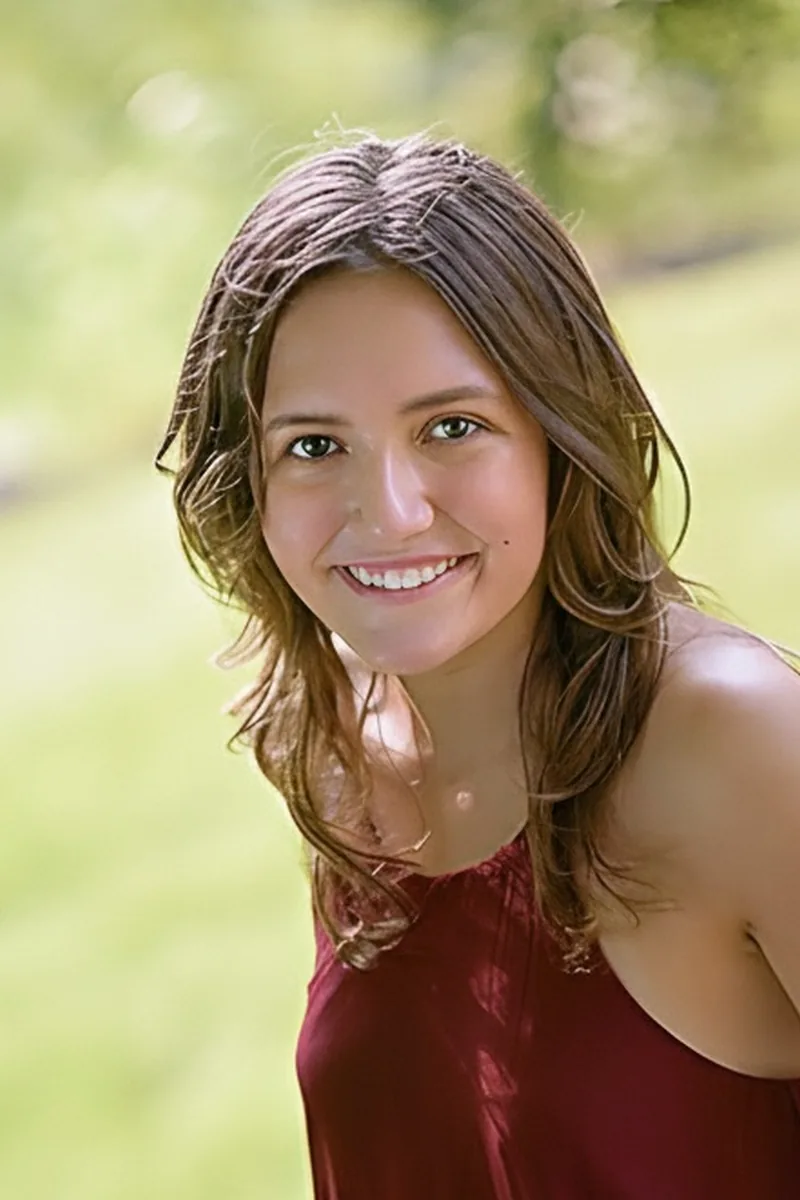
Annie uses Python daily in her biomedical engineering work at Cornell, from writing scripts to analyze immunotherapy research data to building computational models in MATLAB and Python side by side. She teaches core concepts like loops, functions, data structures, and libraries such as NumPy by connecting them to real problems — not just abstract exercises.
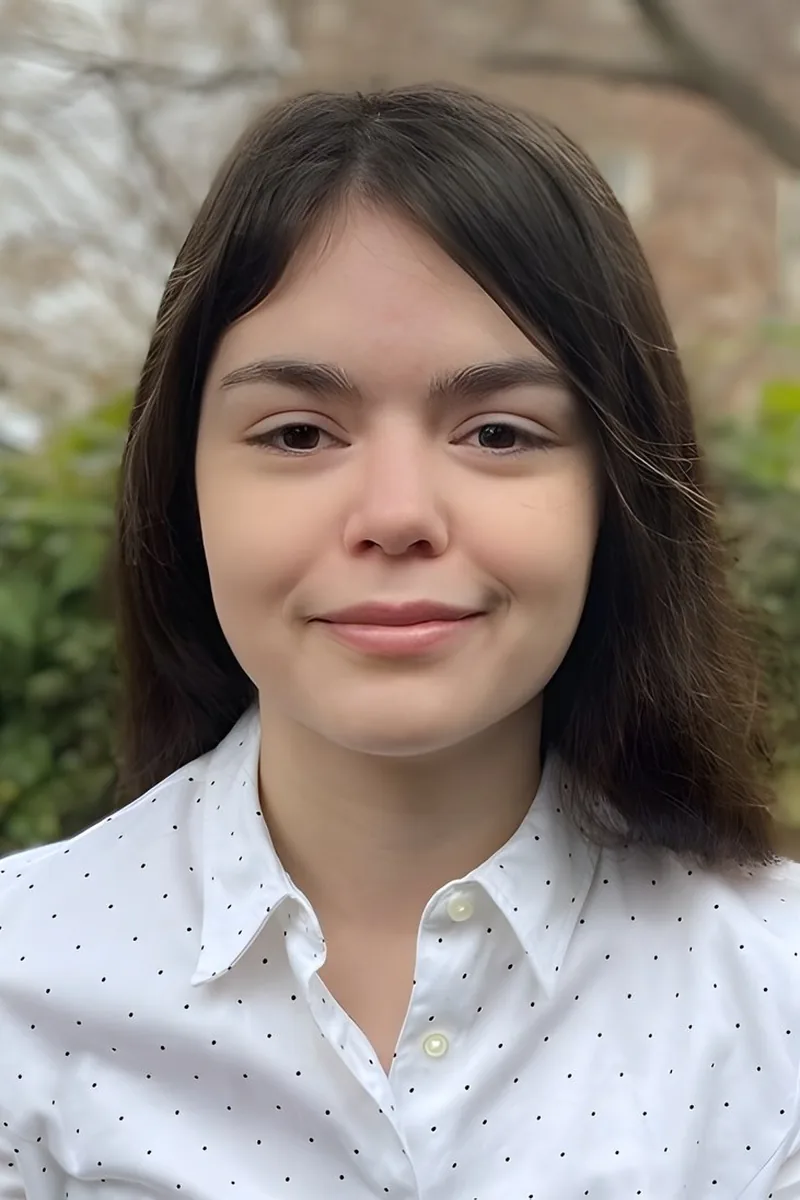
Sarah's statistics minor at Penn involved writing Python scripts for data analysis — cleaning datasets, building visualizations, and automating repetitive calculations. She teaches Python fundamentals like loops, functions, and data structures by connecting each concept to a concrete mini-project, so students see their code do something useful right away.
Python's readability makes it easy to start but deceptively tricky to use well — list comprehensions, generator expressions, and class design all require thinking beyond basic scripts. Matthew teaches Python through the lens of someone who uses it alongside heavier languages like C++ and Java, which gives students a clearer sense of when to reach for Pythonic shortcuts versus writing more explicit code.
Between robotics coursework and biomedical engineering projects at Penn, Ronil writes Python to control hardware, process sensor data, and automate systems that bridge code and the physical world. That mechatronics context means he teaches scripting fundamentals — functions, loops, data handling — through projects where students can see their code actually make something move or respond. Rated 5.0 by students.
Carnegie Mellon's engineering curriculum leans heavily on Python for everything from numerical simulations to data visualization, so Vincent writes and debugs Python code regularly. He breaks down core concepts like loops, functions, list comprehensions, and object-oriented design by building small projects that make abstract syntax feel purposeful.
Before tutoring Python, Lucas spent time as a lead instructor at Code Ninjas, teaching kids and teens to build actual games — which means he knows how to make a first programming language feel like a creative tool rather than a chore. His CS degree at Penn State covers Python, Java, and JavaScript, so he can explain Python-specific quirks like indentation rules and dynamic typing by contrasting them with how other languages handle the same ideas. Rated 4.9 by students.
Golda uses Python daily in her biomedical engineering coursework at Georgia Tech, writing scripts for everything from data analysis with NumPy to signal processing and automation. That real-world context means she teaches loops, functions, and libraries as tools for solving actual problems, not just abstract exercises. Rated 5.0 by students.
From writing simple scripts to building out data structures and working with libraries like NumPy, Python covers a huge range depending on where a student is. Ishaan's CS studies at Pitt mean he uses Python regularly and can walk through everything from list comprehensions to file I/O with clear, practical examples. Rated 4.9 by students.
Python's readability makes it a great first language, but students still stumble on list comprehensions, scope rules, and the difference between mutable and immutable types. Jared uses Python daily in machine learning and NLP work, so he teaches the language the way it's actually used — with an emphasis on writing clean, Pythonic code and understanding libraries like NumPy and pandas.
Debugging a script teaches more than any lecture, which is why Aditya structures Python sessions around actually building and fixing code — from basic syntax and control flow through libraries like NumPy and pandas. His professional experience fine-tuning large language models and developing AI systems at companies like Orfiq AI means he writes Python daily and knows the difference between code that merely runs and code that's clean, efficient, and readable.
Chemical engineering at Columbia means writing Python constantly — from modeling reaction kinetics to automating data analysis with NumPy and Pandas. Devin teaches Python the way he learned it: by building real scripts that solve actual problems, so concepts like loops, functions, and data structures click through practice rather than abstract exercises.
Python's readable syntax makes it a popular first language, but students still struggle when projects move beyond print statements into list comprehensions, file I/O, or object-oriented design. Sarah programs in Python as part of her computer science degree and walks through each concept with clear examples, building from simple scripts to more structured, modular code.
I am a graduate from Rochester Institute of Technology with a master's in Game Design and Development. My passions lie in everything related to games and mathematics. In the past, I have tutored various subjects in mathematics throughout high school and college, including but not limited to Algebra, Algebra II, Trigonometry, Calculus, Discrete Mathematics, Mathematics of Graphical Simulation, and Linear Algebra. As for technology, I am more than happy to reach out for help in Web Development (HTML, CSS, Javascript) or C# programming. I believe that every person can learn any topic. While every individual has different tastes, strengths, and weaknesses, there is no such thing as an "incapability" to know a subject. Education often possesses a guise of anti-fun, but I can promise you that all topics can be engaging, and I am willing to show you how engaging mathematics and technology can be. As a Game Designer, I have a deep interest in both playing games and making games. This includes games of all kinds: video games, board games, tabletop role-playing games, trading card games, miniatures, and even some sports like tennis or ping pong. Games act as a fantastic teaching tool. They teach by design without users recognizing. It is always a satisfying moment when somebody says "I learned that word from Magic" or "D&D taught me that." Remember: you can succeed. If something is important to you, then it's always worthwhile.
Pratik's subject list is heavy on science and math — AP Chemistry, AP Biology, college physics — which means he picked up Python the way most STEM students do: writing scripts to process data, automate calculations, and solve problems that would take forever by hand. That practical entry point lets him teach core concepts like loops, conditionals, and functions through tasks students can immediately see the purpose of, rather than abstract exercises disconnected from anything real.
Python's readability makes it the go-to first language, but that simplicity hides real depth — list comprehensions, generators, decorators, and object-oriented design all trip up students who learned syntax without learning structure. Brandon uses Python daily in his AI and machine learning research at RIT and breaks down these intermediate concepts by building small, working projects rather than abstract exercises.
Eric writes Python daily in Duke's data science program, working with pandas DataFrames, NumPy arrays, and visualization libraries like Matplotlib. He teaches coding the way he learned it — by building real projects, debugging line by line, and understanding why a list comprehension behaves differently from a for loop. Students walk away writing clean, functional scripts, not just copying syntax.
Python's clean syntax makes it a great first language, but students still struggle when they hit list comprehensions, recursion, or the jump to libraries like NumPy and pandas. Firas uses Python daily in his machine learning research at Princeton, so he teaches it the way working engineers actually write it — readable, modular, and testable. He's equally comfortable introducing beginners to variables and control flow or walking advanced students through data pipelines.
Python's readability makes it a great first language, but students still stumble on list comprehensions, recursion, and knowing when to use dictionaries versus lists. Kiran uses Python across both his physics simulations and his CS coursework at Stony Brook, so he can teach it from the basics of control flow all the way through libraries like NumPy and Pandas for data analysis.
Python's simplicity makes it a great first language, but students still get tripped up by list comprehensions, object-oriented design, and debugging logic errors they can't quite see. Corrina writes Python regularly and teaches it by building small projects — from data analysis scripts to simple games — so each new concept has an immediate, visible purpose.
Python's readability makes it a great first language, but students still stumble on list comprehensions, dictionary manipulation, and debugging recursive functions. Andrew teaches Python the way he learned it during his CS degree — by writing real programs, not just reading slides. He's equally comfortable introducing beginners to variables and helping intermediate coders tackle object-oriented design.
Python's readability makes it a great first language, but students still stumble on list comprehensions, class inheritance, and debugging logic errors they can't see. Daniel writes Python professionally and teaches it with the precision of someone who holds a master's in CS and a bachelor's in applied mathematics. He connects each concept to real use cases — scripting, data manipulation, algorithm implementation — so the syntax sticks.
Python's readability makes it a great first language, but students still stumble on list comprehensions, class inheritance, and debugging logic errors they can't see. Jonathan uses Python in his own Cornell coursework across both CS and engineering projects, so he teaches the language the way it's actually used — not just syntax drills, but writing clean, functional code that solves real problems.
Between hackathons, robotics challenges, and neuroscience research at Brown, June has used Python for everything from scripting quick data analyses to building full project prototypes. She teaches the language the way she learned it — by solving real problems — so students pick up not just syntax but habits like writing readable functions, using libraries effectively, and debugging without panic.
Bioinformatics at Stanford meant writing Python daily — parsing genomic datasets, automating lab analyses, and building scripts to visualize biological data. Matthew teaches Python fundamentals like loops, functions, and data structures through real problem-solving rather than abstract exercises. Students who want to see what coding looks like in a scientific or data-driven context get a tutor who's lived that workflow.
Materials engineering PhD research generates mountains of experimental data, and Nivedina writes Python scripts to process, plot, and make sense of it all — from automating repetitive file parsing to running statistical analyses on lab results. That science-driven coding background means she teaches core concepts like loops, conditionals, and data structures through tasks that solve actual problems, not toy examples. Her chemistry training adds another layer, since students working on scientific computing or data cleanup get a tutor who genuinely understands the data they're handling.
Testimonials
Because the right Python tutor makes all the difference.
Average Session Rating – Based on 3.4M Learner Ratings
Other Reading Tutors
Related Technology and Coding Tutors in Reading
Frequently Asked Questions
Varsity Tutors matches Reading students with expert Python tutors for 1-on-1 instruction. We pair each student with a tutor based on their specific needs, learning style, and goals.
Whether you need homework help, exam prep, or want to get ahead, our Python tutors are ready to help.
Common challenges include gaps from earlier material, difficulty with specific concepts, and trouble applying learning to new problems. These issues can snowball quickly in Python.
A tutor identifies where you're stuck, fills in gaps, and provides targeted practice. The 1-on-1 format means you get help exactly where you need it.
Tutors work with your student's actual coursework—homework assignments, class notes, and upcoming tests. This keeps tutoring directly relevant to what's happening in the classroom.
When you share information about your student's school and curriculum, we can match you with a tutor who has relevant experience.
All tutors complete background checks, credential verification, and teaching evaluation. Many of our Python tutors hold advanced degrees or have years of teaching experience.
You can review tutor profiles to find someone with the right background for your student's level and needs.
Many students see improved grades within a few weeks, along with better understanding of Python concepts and more confidence tackling challenging material.
Tutors track progress and adjust their approach to ensure continued improvement.
Most students benefit from 1-2 sessions per week. More frequent sessions help if your student is significantly behind or has an important exam coming up.
Your tutor can recommend a schedule based on your student's specific situation and goals.
Tutoring is purchased in packages of hours, with rates varying by tutor experience. Varsity Tutors offers several options to fit different budgets and needs.
You can discuss pricing during your consultation to find what works best.
Your tutor will assess where your student is, discuss goals, and start working on priority areas. Most students bring current homework or upcoming test material to focus on.
By the end, you'll have a clear sense of how the tutor can help and a plan for moving forward.
Let’s find your perfect tutor
Answer a few quick questions. We’ll recommend the right plan and match you with a top 5% tutor.