Award-Winning AP European History Tutors
serving Scranton, PA
AP European History
Tutors in Scranton
Private 1-on-1 tutoring, weekly live classes for academic support, test prep & enrichment, practice tests and diagnostics, and more to elevate grades and test scores.
Based on 3.4M Learner Ratings
UniversitiesSchools & Universities
DeliveredHours Delivered
ProficiencyGrowth in Proficiency
Who needs tutoring?
No obligation. Takes ~1 minute.
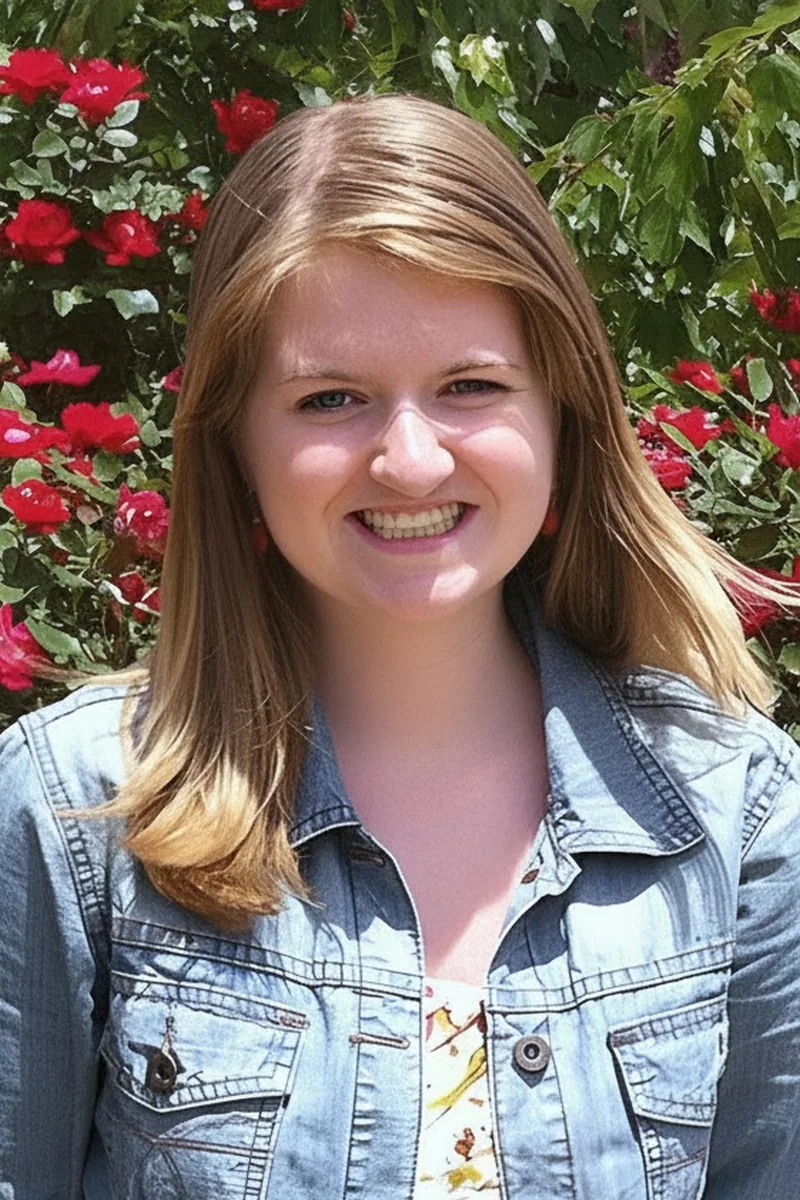
From the fragmentation of Christendom during the Reformation to the Congress of Vienna's attempt to reassemble it, AP European History rewards students who can trace causation across centuries. Hannah studied History as an undergraduate and brings a writer's discipline to the LEQ and DBQ formats — she teaches students to build arguments that are historically precise and structurally tight.

From the Protestant Reformation to the Congress of Vienna to postwar European integration, AP European History covers an enormous arc — and the exam expects students to argue about it, not just recall it. Stephanie earned her history degree at Cornell and is currently a graduate student at Penn, so she approaches each period through the kind of historiographical lens that makes essay responses more sophisticated. She unpacks primary sources with students so they learn to read for perspective and bias, not just content.
Four years of teaching social studies in Philadelphia middle schools means Walter has spent thousands of hours figuring out how to make European political and cultural shifts click for students who find them distant and abstract — a skill that scales directly to AP Euro's demand for contextualizing events like the Congress of Vienna or the rise of fascism. His history degree from Temple gave him the content depth, while his classroom experience sharpened his ability to break dense periods into the cause-and-effect chains the exam's essays actually reward. Rated 4.8 by students.
I'm a sophomore at the University of Pennsylvania majoring in Political Science and Urban Studies with a minor in French. Education is what I believe to be the key to success and the door that opens up a better tomorrow. Reliability, credibility, and efficiency are skills I will always continue to improve on because there is no such thing as perfect. Be friendly, be positive, and be motivated. But don't forget to be happy! Favorite quote and my go-to motto, "Be the change you wish to see in the world."
From the Protestant Reformation to the Congress of Vienna to post-WWII integration, AP European History covers centuries of political, cultural, and intellectual shifts. Madeleine's coursework in Art History and European History at Temple gives her a cross-disciplinary lens — she can explain how Enlightenment philosophy shaped both revolutionary movements and the art that documented them, making document-based questions feel less like guesswork.
I'm also a recent graduate of The New School, with a Bachelor of Arts in Literary Studies.
Scoring well on AP European History means mastering the document-based question, and that's fundamentally an exercise in reading critically and writing persuasively under time pressure. Vivian's dual background in history and English composition is a natural fit — she unpacks primary sources with students, then teaches them to weave that evidence into a coherent, thesis-driven essay. Her 36 ACT reflects the same analytical rigor she brings to European history content from the Renaissance through the Cold War.
From the Renaissance through the Cold War, AP European History demands that students trace political, intellectual, and economic developments across centuries while writing tightly argued essays under pressure. Rayhan's Duke history training gave him deep familiarity with European historiography, and his classroom teaching experience means he knows how to make the Reformation or the Congress of Vienna click for students preparing for the AP exam.
Studying both economics and international relations at Tufts means Mark spent four years analyzing how trade policy, diplomatic alliances, and ideological conflict shaped the modern world — essentially the AP Euro curriculum viewed through a policy lens. He's especially useful for students who struggle to connect economic shifts like mercantilism or industrialization to the political upheavals they triggered, which is the kind of causal reasoning the LEQ and DBQ reward. Rated 4.9 by students.
From the Renaissance patronage system to the ideological fractures of the Cold War, AP European History covers an enormous sweep that rewards students who can think thematically rather than chronologically. Laura's own deep reading in art, literature, and cultural history gives her a way into the material that connects political shifts to the cultural moments students can actually visualize and remember.
Psychology majors learn to trace how ideas about human nature, authority, and social order evolved — and those are the same intellectual currents running through AP Euro, from Enlightenment rationalism to nineteenth-century nationalism to Cold War ideology. Erin leans into that overlap, teaching students to see historical movements as shifts in how people understood themselves and their governments. Her tutoring style is interactive and discussion-driven, which pays off especially when preparing for the essay components.
Jeff's master's in history from UC Berkeley, where he taught both history and philosophy to undergraduates, gave him the kind of dual training AP Euro rewards — understanding not just what happened during periods like the Reformation or the French Revolution, but the philosophical ideas driving those events. His philosophy degree from Princeton sharpens how he teaches argumentation, showing students how to construct the layered, thesis-driven essays that score well on the DBQ and LEQ.
Patrick is completing his PhD in Modern European History at Rutgers, which means he doesn't just teach the AP Euro curriculum — he lives in the primary sources, historiographical debates, and periodization that the exam tests. His exchange year at the École Normale Supérieure in Paris deepened his command of topics like the French Revolution, Enlightenment thought, and Cold War diplomacy. He also worked at the Educational Testing Service developing standardized exams, so he understands how AP questions are constructed from the inside.
Elena's graduate research in medieval art took her deep into the political and religious upheavals that shaped Europe — from Justinian's Ravenna to the fragmentation of Christendom. That immersion in primary visual and textual sources is exactly what AP European History demands, and she teaches students to analyze everything from Reformation-era woodcuts to Enlightenment treatises with the same critical eye.
Gabrielle's biology training at Binghamton might seem unrelated to AP Euro, but scientific thinking — tracing how one development triggers the next — maps surprisingly well onto questions about, say, how the Scientific Revolution undermined Church authority or how Malthusian ideas shaped nineteenth-century social policy. She leans into those science-history intersections while drilling the cause-and-effect essay structure the exam actually rewards. Rated 4.9 by students.
I'm a current PhD student in the history department at Georgetown University who is also an experienced instructor with Varsity Tutors. As a recipient of several degrees, the most recent being a BA in history from Hillsdale College and a MA in Russian, East European, and Eurasian Studies from Stanford University, I have long sought to make teaching my profession. Meanwhile, as a volunteer grade school teacher and a tutor with this company, I have many years' experience helping students reach their full potential. I am capable of teaching students in many subjects, including reading, mathematics, test prep, Latin, and especially writing, history, and literature. In practice, I am comfortable adapting to different learning styles and specific student preferences. Outside of my academic and career endeavors, I enjoy cooking, reading, and listening to and making music.
From the Protestant Reformation's political fallout to the ideological roots of the French Revolution, AP European History covers centuries of interconnected change — and the exam expects students to explain those connections in structured, argumentative essays. Ethan unpacks how to handle the SAQ, LEQ, and DBQ formats by teaching students to think in terms of continuity and change over time rather than isolated events. His economics and policy background at UChicago is especially useful for the modern period's questions about industrialization, imperialism, and political ideology.
Richard's government degree from Harvard built the kind of analytical muscle AP Euro rewards — tracing how political institutions, ideological movements, and power struggles shaped each other across centuries, from absolutist monarchies to modern democracies. His coursework in philosophy and politics gives him a natural feel for the intellectual history that dominates the exam, whether it's unpacking Montesquieu's influence on constitutional thought or the ideological fault lines behind 1848's revolutions. He scored a 1600 SAT and 36 ACT, signaling the reading comprehension and argumentative precision the DBQ demands.
Testimonials
Because the right AP European History tutor makes all the difference.
Average Session Rating – Based on 3.4M Learner Ratings
Practice AP European History
Free practice tests, flashcards, and AI tutoring for AP European History
Other Scranton Tutors
Related Social Studies Tutors in Scranton
Frequently Asked Questions
Varsity Tutors matches Scranton students with expert AP European History tutors for 1-on-1 instruction. We pair each student with a tutor based on their specific needs, learning style, and goals.
Whether you need homework help, exam prep, or want to get ahead, our AP European History tutors are ready to help.
Common challenges include gaps from earlier material, difficulty with specific concepts, and trouble applying learning to new problems. These issues can snowball quickly in AP European History.
A tutor identifies where you're stuck, fills in gaps, and provides targeted practice. The 1-on-1 format means you get help exactly where you need it.
Tutors work with your student's actual coursework—homework assignments, class notes, and upcoming tests. This keeps tutoring directly relevant to what's happening in the classroom.
When you share information about your student's school and curriculum, we can match you with a tutor who has relevant experience.
All tutors complete background checks, credential verification, and teaching evaluation. Many of our AP European History tutors hold advanced degrees or have years of teaching experience.
You can review tutor profiles to find someone with the right background for your student's level and needs.
Many students see improved grades within a few weeks, along with better understanding of AP European History concepts and more confidence tackling challenging material.
Tutors track progress and adjust their approach to ensure continued improvement.
Most students benefit from 1-2 sessions per week. More frequent sessions help if your student is significantly behind or has an important exam coming up.
Your tutor can recommend a schedule based on your student's specific situation and goals.
Tutoring is purchased in packages of hours, with rates varying by tutor experience. Varsity Tutors offers several options to fit different budgets and needs.
You can discuss pricing during your consultation to find what works best.
Your tutor will assess where your student is, discuss goals, and start working on priority areas. Most students bring current homework or upcoming test material to focus on.
By the end, you'll have a clear sense of how the tutor can help and a plan for moving forward.
Let’s find your perfect tutor
Answer a few quick questions. We’ll recommend the right plan and match you with a top 5% tutor.