Award-Winning AP European History Tutors
serving Philadelphia, PA
AP European History
Tutors in Philadelphia
Private 1-on-1 tutoring, weekly live classes for academic support, test prep & enrichment, practice tests and diagnostics, and more to elevate grades and test scores.
Based on 3.4M Learner Ratings
UniversitiesSchools & Universities
DeliveredHours Delivered
ProficiencyGrowth in Proficiency
Who needs tutoring?
No obligation. Takes ~1 minute.
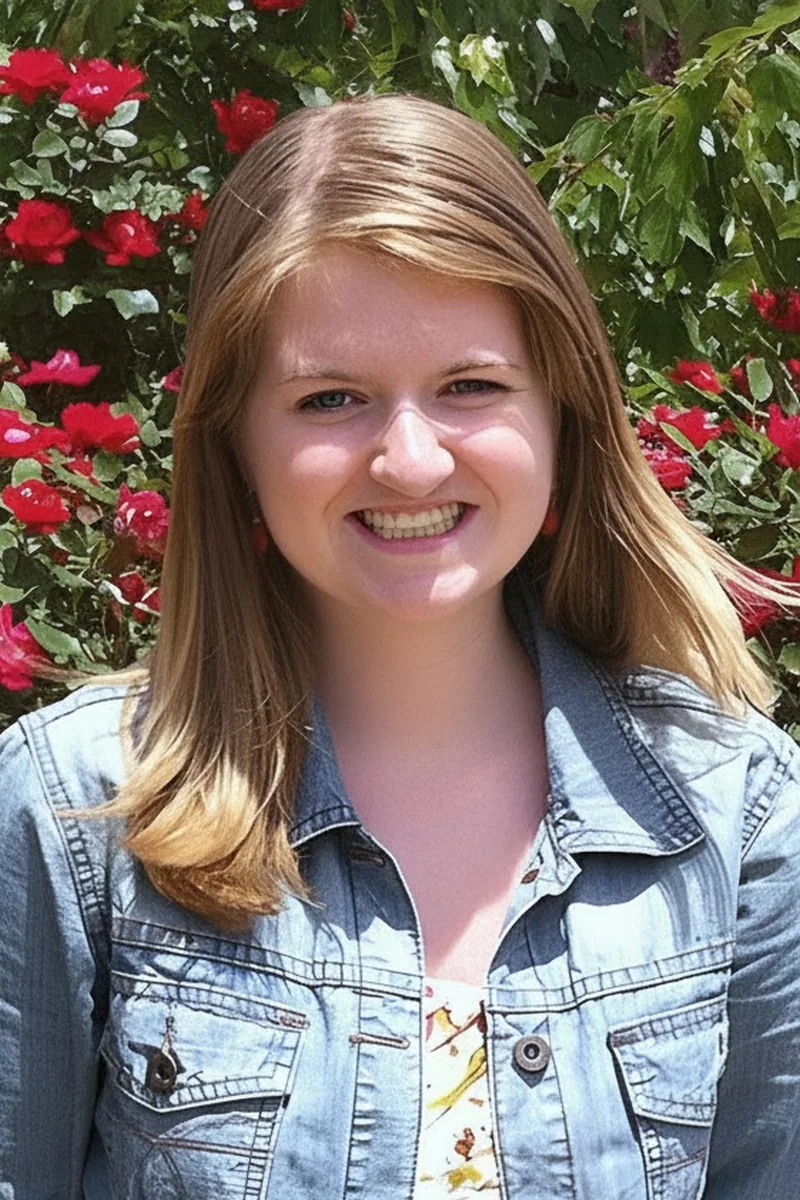
From the fragmentation of Christendom during the Reformation to the Congress of Vienna's attempt to reassemble it, AP European History rewards students who can trace causation across centuries. Hannah studied History as an undergraduate and brings a writer's discipline to the LEQ and DBQ formats — she teaches students to build arguments that are historically precise and structurally tight.

From the Protestant Reformation to the Congress of Vienna to postwar European integration, AP European History covers an enormous arc — and the exam expects students to argue about it, not just recall it. Stephanie earned her history degree at Cornell and is currently a graduate student at Penn, so she approaches each period through the kind of historiographical lens that makes essay responses more sophisticated. She unpacks primary sources with students so they learn to read for perspective and bias, not just content.
Four years of teaching social studies in Philadelphia middle schools means Walter has spent thousands of hours figuring out how to make European political and cultural shifts click for students who find them distant and abstract — a skill that scales directly to AP Euro's demand for contextualizing events like the Congress of Vienna or the rise of fascism. His history degree from Temple gave him the content depth, while his classroom experience sharpened his ability to break dense periods into the cause-and-effect chains the exam's essays actually reward. Rated 4.8 by students.
I'm a sophomore at the University of Pennsylvania majoring in Political Science and Urban Studies with a minor in French. Education is what I believe to be the key to success and the door that opens up a better tomorrow. Reliability, credibility, and efficiency are skills I will always continue to improve on because there is no such thing as perfect. Be friendly, be positive, and be motivated. But don't forget to be happy! Favorite quote and my go-to motto, "Be the change you wish to see in the world."
From the Protestant Reformation to the Congress of Vienna to post-WWII integration, AP European History covers centuries of political, cultural, and intellectual shifts. Madeleine's coursework in Art History and European History at Temple gives her a cross-disciplinary lens — she can explain how Enlightenment philosophy shaped both revolutionary movements and the art that documented them, making document-based questions feel less like guesswork.
I'm also a recent graduate of The New School, with a Bachelor of Arts in Literary Studies.
I'm a current PhD student in the history department at Georgetown University who is also an experienced instructor with Varsity Tutors. As a recipient of several degrees, the most recent being a BA in history from Hillsdale College and a MA in Russian, East European, and Eurasian Studies from Stanford University, I have long sought to make teaching my profession. Meanwhile, as a volunteer grade school teacher and a tutor with this company, I have many years' experience helping students reach their full potential. I am capable of teaching students in many subjects, including reading, mathematics, test prep, Latin, and especially writing, history, and literature. In practice, I am comfortable adapting to different learning styles and specific student preferences. Outside of my academic and career endeavors, I enjoy cooking, reading, and listening to and making music.
Alexander is finishing a European history degree at Vanderbilt, which means he's currently immersed in the same material AP Euro students are tackling — from the political fragmentation of the Reformation era to the ideological battles of the twentieth century. His 1510 SAT reflects strong analytical reading and writing skills, the same toolkit students need to dissect a DBQ prompt and construct a thesis under exam conditions. He's especially effective at teaching students how to move from knowing what happened to explaining why it mattered.
From the Protestant Reformation to the Congress of Vienna to post-WWII integration, AP European History demands that students trace ideological shifts across centuries. Solange's IB program at Coral Reef immersed her in exactly this kind of analytical history, and she brings a knack for turning dense political and intellectual movements into clear cause-and-effect chains that stick on exam day.
From the Protestant Reformation to the Congress of Vienna to decolonization, AP European History covers centuries of political, intellectual, and social change at a pace that overwhelms most students. Blake's history degree gives him the content depth to connect these threads, and he zeroes in on the skill AP graders actually reward: crafting a thesis that takes a defensible position and supports it with precise historical evidence.
From the Renaissance through the Cold War, AP European History covers centuries of political upheaval, intellectual revolution, and social transformation. Todd approaches the course thematically — linking, say, Enlightenment philosophy to the French Revolution to nineteenth-century nationalism — so students can handle the exam's comparison and causation questions without relying on rote memorization. His graduate education at the University of Chicago built the analytical habits this kind of historical reasoning requires.
From the Protestant Reformation to the Congress of Vienna to EU integration, AP European History covers an enormous arc — and the exam expects students to argue about it, not just narrate it. Ben's history degree and classroom teaching experience mean he can walk students through how to identify causation and contextualization in document sets, turning a pile of sources into a coherent, well-evidenced essay.
Film production trains you to think about narrative — why events unfold the way they do, what forces are in tension, and how to structure a compelling story from raw material. Justine applies that same storytelling instinct to AP European History, teaching students to build essay arguments that read as coherent narratives of cause and effect rather than disconnected lists of dates and treaties. Her strong writing background (1500 SAT) makes her especially useful for students who understand the content but struggle to translate it into the structured, thesis-driven responses the exam demands.
Tessa is double-majoring in both Mathematics and History, which means she's unusually comfortable toggling between quantitative reasoning and the kind of interpretive argumentation AP Euro demands — analyzing how demographic data, trade patterns, or inflation rates shaped events like the Thirty Years' War or the fall of the ancien régime. That analytical rigor shows up in how she teaches essay construction, pushing students to build claims grounded in specific evidence rather than broad narrative summaries. Rated 4.9 by students.
From the Renaissance through the Cold War, AP European History covers an enormous sweep of political, intellectual, and social change — and the exam expects students to synthesize across all of it. Patrick's university-level teaching background in European history means he can connect the Reformation to the Enlightenment to nationalism in ways that make essay arguments sharper and more historically grounded.
Winston treats history like a conversation — he'll crack a joke about Charles V's impossible empire or debate whether the Congress of Vienna actually worked, because that back-and-forth is how students internalize the kind of argumentation AP Euro essays demand. His history degree and 5.0 rating come from making periods like the Reformation or the age of revolutions feel like live debates rather than chapters to slog through.
From the Renaissance through the Cold War, AP European History demands that students trace intellectual and political threads across centuries. Alyssa unpacks how movements like the Enlightenment or nationalism didn't just happen in a vacuum — she connects philosophical ideas to the social conditions that produced them, which is exactly the kind of thinking the exam's stimulus-based questions test. Her psychology training sharpens that focus on how ideas shape human behavior at scale.
From the Congress of Vienna to European integration, AP European History requires students to trace how political, economic, and intellectual forces reshaped an entire continent. Mat minored in History at NYU and has traveled extensively through Europe, which gives him a firsthand sense of the cultural contexts behind events like the Reformation or the rise of nationalism. He teaches students to write DBQs that build arguments rather than just summarize documents.
Testimonials
Because the right AP European History tutor makes all the difference.
Average Session Rating – Based on 3.4M Learner Ratings
Practice AP European History
Free practice tests, flashcards, and AI tutoring for AP European History
Other Philadelphia Tutors
Related Social Studies Tutors in Philadelphia
Frequently Asked Questions
Score improvement depends on your starting point and consistency with tutoring. Students who work with tutors on targeted practice, test-taking strategies, and weak content areas typically see meaningful gains—often 1-2 points on the AP scale (out of 5). The key is identifying which sections (multiple choice, short answer, or essays) need the most work and practicing under timed conditions to build confidence and speed.
Many students struggle with three main areas: managing the sheer volume of content across centuries of history, developing strong essay-writing skills for the free-response section, and understanding how to analyze primary sources effectively. Additionally, the multiple-choice section requires quick recall and the ability to distinguish between similar historical events—skills that improve significantly with targeted practice and strategic review.
Start by taking a practice test to identify your weakest content areas and question types. Then prioritize: (1) building a solid timeline and understanding cause-and-effect relationships between major events, (2) practicing essay writing with real AP prompts to develop clear thesis statements and historical evidence, and (3) learning test-taking strategies like process of elimination and time management. A tutor can help you create a study schedule that balances content review with timed practice tests.
Tutors work with you on the specific essay formats tested on the AP exam—the document-based question (DBQ), long essay question (LEQ), and short-answer questions. They'll help you develop strong thesis statements, learn how to incorporate evidence from sources effectively, and practice organizing your thoughts under time pressure. Regular feedback on your essays, combined with analysis of what high-scoring responses look like, builds the skills you need to earn points in the free-response section.
Ideally, start tutoring in the fall or early winter if you're taking the exam in May. This gives you time to review content systematically, identify weak areas, and build essay-writing skills before shifting to intensive practice tests closer to exam day. However, even starting in spring can help—tutors can prioritize the most heavily tested topics and focus on test-taking strategies and practice under timed conditions.
Primary sources are central to the AP exam—they appear in multiple-choice questions, the DBQ, and short-answer questions. Understanding how to extract meaning from documents, identify the author's perspective, and connect sources to historical context is essential. Tutors help you develop a systematic approach to source analysis, teaching you what to look for and how to use evidence from documents to support historical arguments in your essays.
Your first session typically focuses on assessment and planning. A tutor will discuss your current understanding of the material, review your goals for the exam, and often have you take a practice test or work through sample questions to identify your strengths and weaknesses. From there, you'll develop a personalized study plan that targets your specific needs—whether that's content gaps, essay writing, test-taking speed, or managing test anxiety.
While AP European History curriculum is standardized across the country, tutors in Philadelphia are familiar with the schools and teachers in the area, which helps them understand your specific course focus and exam expectations. Varsity Tutors connects you with expert tutors who can provide personalized instruction tailored to your needs, access to practice materials aligned with the AP exam, and strategies that work for your learning style—whether you're at a public school, charter, or private institution across the Philadelphia area.
Let’s find your perfect tutor
Answer a few quick questions. We’ll recommend the right plan and match you with a top 5% tutor.