Award-Winning AP US History Tutors
serving Lancaster, PA
AP US History
Tutors in Lancaster
Private 1-on-1 tutoring, weekly live classes for academic support, test prep & enrichment, practice tests and diagnostics, and more to elevate grades and test scores.
Based on 3.4M Learner Ratings
UniversitiesSchools & Universities
DeliveredHours Delivered
ProficiencyGrowth in Proficiency
Who needs tutoring?
No obligation. Takes ~1 minute.
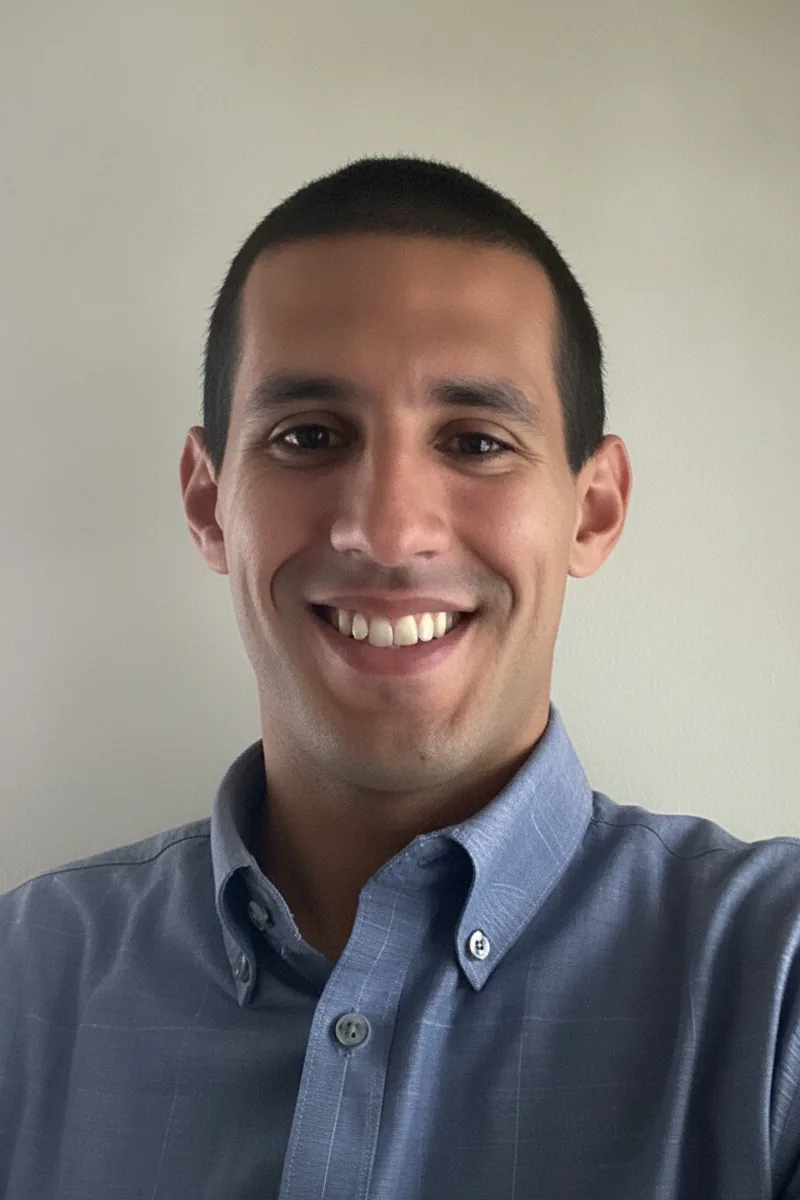
Michael's economics coursework gives him a structural advantage on the APUSH periods where fiscal policy and market forces drive the narrative — think Hamilton vs. Jefferson, tariff battles, industrialization, and New Deal economics. He teaches students to trace how economic incentives shaped political coalitions across eras, which is exactly the kind of causation argument the DBQ and LEQ reward. Holds a 5.0 rating.
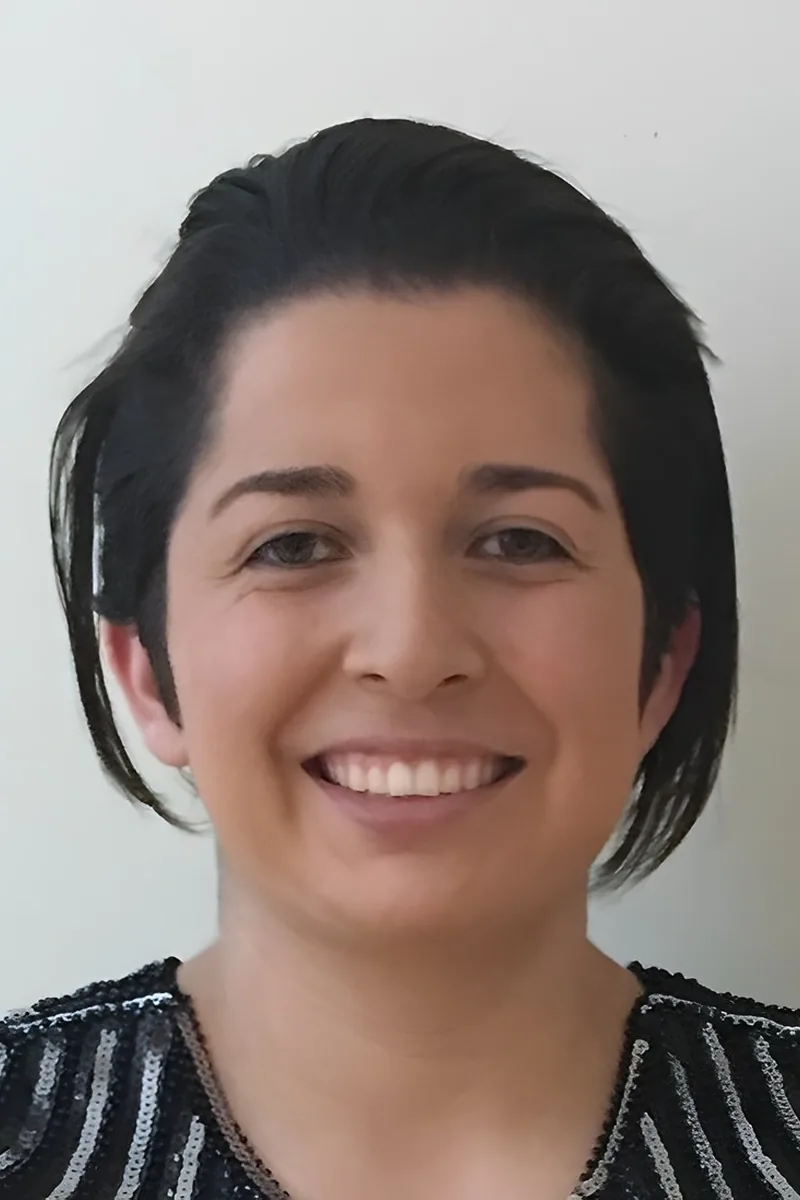
Kristin's University of Chicago BA required the kind of intensive primary source analysis and argumentative writing that APUSH essays directly test — she spent years constructing evidence-based claims under the school's famously rigorous Core Curriculum. Her philosophy minor adds a layer of logical precision to thesis construction, particularly on LEQs where students need to sustain a causal or comparative argument across multiple periods without losing the thread. Rated 5.0 by students.
Document-Based Questions are where most AP US History students lose points — not because they lack knowledge, but because they don't know how to contextualize a source and weave it into an argument. Hannah holds a bachelor's degree in History and an MFA in Creative Writing, which means she tackles both the content (from colonial mercantilism through the Civil Rights era) and the writing skills the exam actually rewards.
Kirstie's liberal arts training and Master's in Education come together most visibly in APUSH's essay sections, where students need to do two things at once — read primary sources with a literary eye and marshal them into a historically grounded argument. She leans heavily on her AP English skills when teaching document analysis, showing students how to identify an author's purpose and audience before they ever start writing their thesis. Rated 5.0 by students.
Jay earned his history degree with honors from Penn State's Schreyer Honors College, and AP US History plays directly to that strength. He digs into the DBQ and LEQ formats specifically, teaching students how to contextualize documents, build defensible claims, and weave evidence from periods like Reconstruction or the New Deal into arguments that score well on exam day.
Studying both biology and philosophy at Boston College means Andrew spends his days toggling between empirical evidence and argumentative reasoning — the exact combination APUSH essays demand when students must marshal specific historical evidence into a persuasive thesis. He's particularly strong on causation and contextualization questions, where his philosophy training kicks in to untangle why events unfolded as they did rather than just when. Rated 5.0 by students.
Stephanie is currently pursuing her master's in History at Penn after completing dual degrees in English and History at Cornell — meaning she's actively immersed in the kind of archival research and historiographical debate that APUSH only scratches the surface of. That graduate-level depth sharpens how she teaches periodization and causation, especially when students need to move beyond narrative retelling and construct arguments about why shifts happened across eras. Her English training also means she treats source analysis as a close-reading exercise, pulling apart a document's rhetoric before plugging it into a DBQ thesis.
Levi's biology degree from Rochester and his computational biology graduate work might seem distant from APUSH, but both trained him to trace complex systems of cause and effect — exactly what the exam tests when students must connect, say, industrialization's economic drivers to Progressive Era reform in a timed LEQ. His years as a Leadership Consultant, coaching students on productivity and organizational efficiency, translate into structured approaches for managing the DBQ's document-sorting challenge under pressure. Rated 4.9 by students.
Health policy research requires tracing how legislation, social movements, and institutional power intersect over time — the same causal reasoning APUSH essays demand when students connect events like the New Deal or Great Society to their political and demographic roots. Rima's graduate work in health policy gives her a policy-analysis framework she applies directly to the DBQ and LEQ, where building an argument around systemic change scores higher than reciting dates. Rated 5.0 by students.
The AP US History exam rewards students who can build arguments from documents, not just recall dates — and Jackson treats DBQ prep as a skill you practice, not a formula you memorize. His politics minor at Oberlin sharpened his ability to analyze how economic, social, and political forces interact across periods like Reconstruction or the New Deal. Rated 5.0 by students.
Dartmouth's English program is heavy on close reading and argumentation — skills Olivia now channels into APUSH's document-based questions, where reading a 1790s pamphlet for tone and intent matters just as much as knowing the political context behind it. Her education certification (K-6) also means she knows how to scaffold complex material, breaking down sprawling periods like Reconstruction or the Gilded Age into manageable cause-and-effect chains students can actually use in a timed LEQ. Rated 5.0 by students.
A political science degree means Alex spent years studying the constitutional frameworks, partisan realignments, and policy battles that APUSH tests most heavily — from Federalist-era debates over executive power to the expansion of federal authority during the New Deal and Great Society. That government-focused lens is especially useful for the exam's causation and continuity-and-change questions, where linking specific legislation or court decisions to broader political shifts is what earns top essay scores. Rated 4.8 by students.
Having earned his education and history degrees from Temple and taught social studies in Philadelphia's public schools, Walter knows exactly what the AP US History exam rewards: clear argumentation backed by specific historical evidence. He breaks down DBQ and LEQ writing into repeatable steps — contextualization, thesis construction, evidence deployment — so students walk into the exam with a system, not just a stack of memorized dates.
A law degree trains you to read documents the way APUSH wants you to — interrogating who wrote them, what they were trying to accomplish, and how they fit into a larger argument. Nate brings that legal reasoning to the DBQ and LEQ, where constructing a tight, evidence-backed thesis under time pressure is closer to writing a legal brief than a traditional history essay. His art history background also gives him an eye for visual and cultural primary sources that most tutors skip past.
A Secondary Education degree with a triple focus in Social Studies, Psychology, and Economics means Ronald was trained specifically to teach the intersections that APUSH constantly tests — how economic pressures fuel political realignment, or how psychological shifts in public opinion drive reform movements from Populism through the Great Society. He breaks down the exam's periodization and causation questions by showing students how to thread economic and social evidence into a single coherent argument, rather than treating each theme as a separate silo.
I'm also a recent graduate of The New School, with a Bachelor of Arts in Literary Studies.
Studying health policy at Stanford means Jake spends his coursework tracing how government decisions — from Progressive-era public health campaigns to the ACA — reshape American life, which is exactly the kind of policy-to-impact reasoning APUSH essays reward. His 34 ACT and dual background in SAT US History and Spanish give him both the timed analytical speed and the multicultural lens that strengthen document analysis on topics like immigration, expansion, and reform. Rated 5.0 by students.
The AP US History exam rewards students who can do two things fast: identify historical causation and write a thesis-driven essay under time pressure. Scott tackles both by teaching students to read documents like an anthropologist — pulling out perspective, audience, and purpose before jumping to conclusions. His deep background in social studies and essay writing makes the DBQ and LEQ feel far less intimidating.
A master's degree in Chinese politics means Elizabeth spent years analyzing how governments consolidate power, manage dissent, and navigate foreign relationships — the same analytical framework that unlocks APUSH's toughest comparative and causation questions, from Cold War containment policy to debates over executive authority. Her 1500 SAT and government coursework ground her in the primary-source reasoning and argumentative writing the DBQ demands. Rated 5.0 by students.
AP US History's DBQ is really a timed argument-building exercise disguised as a history test — students need to group documents, identify point of view, and connect evidence to a thesis in under an hour. Cassandra tackles this by drilling the skill of contextualization, teaching students to place each document within the broader political or economic forces of its era. Her analytical, evidence-first approach translates well from her science background.
Studying religion and psychology alongside Spanish gave Sydney an unusual toolkit for APUSH — she reads primary sources through the lens of cultural belief systems and social motivation, which is exactly what document-based questions reward when they ask about audience, purpose, and historical context. Her CLEP prep across American government, American literature, and humanities means she's already fluent in the political and cultural turning points the exam covers most heavily. Rated 4.9 by students.
Scoring a 4 or 5 on the AP US History exam comes down to writing sharp DBQs and LEQs under time pressure — not just knowing the content. Alex breaks down the rubric so students understand exactly how to contextualize documents, build a defensible claim, and earn synthesis points. His deep knowledge of American religious and social history adds particular depth to periods like the Great Awakenings and the Civil Rights movement.
A Master of Public Policy degree means Erika spent graduate school analyzing how American institutions evolved and why specific policy decisions — from the New Deal to the Great Society — reshaped the country. That lens gives her a natural edge when teaching APUSH's thematic threads around government power, reform movements, and political realignment. Rated 5.0 by students, she connects policy context to the kind of argumentation the exam actually scores.
John's English and writing background translates directly to the essay-heavy demands of APUSH — the DBQ and LEQ are fundamentally persuasive writing tasks that happen to use historical evidence. He teaches students to treat each document like a text to be analyzed for purpose and audience, then build that analysis into a thesis-driven argument. His 4.9 rating and 36 ACT suggest the kind of analytical precision that makes timed essay writing click.
Tessa is pursuing a double major in Mathematics and History, which means she's actively immersed in the kind of source analysis and historiographical thinking that APUSH tests — not recalling it from years ago. That combination also gives her a quantitative edge for the exam's data-interpretation questions, where students need to read economic charts or demographic tables and fold them into a larger argument. Her 36 ACT and 4.9 rating speak for themselves.
Molly's Columbia University history degree means she studied the same primary source debates and historiographical arguments that APUSH condenses into a single exam — from constitutional crises to westward expansion to twentieth-century reform. Her classroom teaching experience across elementary grades sharpened her ability to break complex ideas into clear, layered explanations, which pays off when walking students through the periodization and causation reasoning that separates a 3 from a 5. Rated 5.0 by students.
Theater training builds a surprisingly useful APUSH skill — Amber knows how to read a text for subtext, audience, and intent, which is exactly what document-based questions ask students to do with political speeches, editorials, and propaganda. Her 1570 SAT and 35 ACT reflect the kind of timed analytical performance the exam rewards, and her casting background means she's practiced at quickly sizing up what someone is really trying to communicate. Rated 5.0 by students.
Teaching in the US Peace Corps means explaining American institutions and historical turning points to audiences with no built-in assumptions about them — a skill that translates directly to APUSH's contextualization and causation demands, where students can't just name events but must explain why they mattered. Chris's International Relations master's degree adds the policy and diplomacy framework that sharpens analysis of everything from the Treaty of Versailles to containment strategy. Rated 4.8 by students.
Testimonials
Because the right AP US History tutor makes all the difference.
Average Session Rating – Based on 3.4M Learner Ratings
Practice AP US History
Free practice tests, flashcards, and AI tutoring for AP US History
Other Lancaster Tutors
Related Social Studies Tutors in Lancaster
Frequently Asked Questions
Varsity Tutors matches Lancaster students with expert AP US History tutors for 1-on-1 instruction. We pair each student with a tutor based on their specific needs, learning style, and goals.
Whether you need homework help, exam prep, or want to get ahead, our AP US History tutors are ready to help.
Common challenges include gaps from earlier material, difficulty with specific concepts, and trouble applying learning to new problems. These issues can snowball quickly in AP US History.
A tutor identifies where you're stuck, fills in gaps, and provides targeted practice. The 1-on-1 format means you get help exactly where you need it.
Tutors work with your student's actual coursework—homework assignments, class notes, and upcoming tests. This keeps tutoring directly relevant to what's happening in the classroom.
When you share information about your student's school and curriculum, we can match you with a tutor who has relevant experience.
All tutors complete background checks, credential verification, and teaching evaluation. Many of our AP US History tutors hold advanced degrees or have years of teaching experience.
You can review tutor profiles to find someone with the right background for your student's level and needs.
Many students see improved grades within a few weeks, along with better understanding of AP US History concepts and more confidence tackling challenging material.
Tutors track progress and adjust their approach to ensure continued improvement.
Most students benefit from 1-2 sessions per week. More frequent sessions help if your student is significantly behind or has an important exam coming up.
Your tutor can recommend a schedule based on your student's specific situation and goals.
Tutoring is purchased in packages of hours, with rates varying by tutor experience. Varsity Tutors offers several options to fit different budgets and needs.
You can discuss pricing during your consultation to find what works best.
Your tutor will assess where your student is, discuss goals, and start working on priority areas. Most students bring current homework or upcoming test material to focus on.
By the end, you'll have a clear sense of how the tutor can help and a plan for moving forward.
Let’s find your perfect tutor
Answer a few quick questions. We’ll recommend the right plan and match you with a top 5% tutor.