Award-Winning Elementary School Reading Tutors
serving Salem, OR
Elementary School Reading
Tutors in Salem
Private 1-on-1 tutoring, weekly live classes for academic support, test prep & enrichment, practice tests and diagnostics, and more to elevate grades and test scores.
Based on 3.4M Learner Ratings
UniversitiesSchools & Universities
DeliveredHours Delivered
ProficiencyGrowth in Proficiency
Who needs tutoring?
No obligation. Takes ~1 minute.

Reading fluency at the elementary level isn't just about decoding words — it's about building the listening comprehension and vocabulary that let a child actually follow a story. Meghana tutored elementary students in both reading and listening comprehension at Yale, and she connects phonics and sight-word practice to the bigger goal of understanding what's on the page.
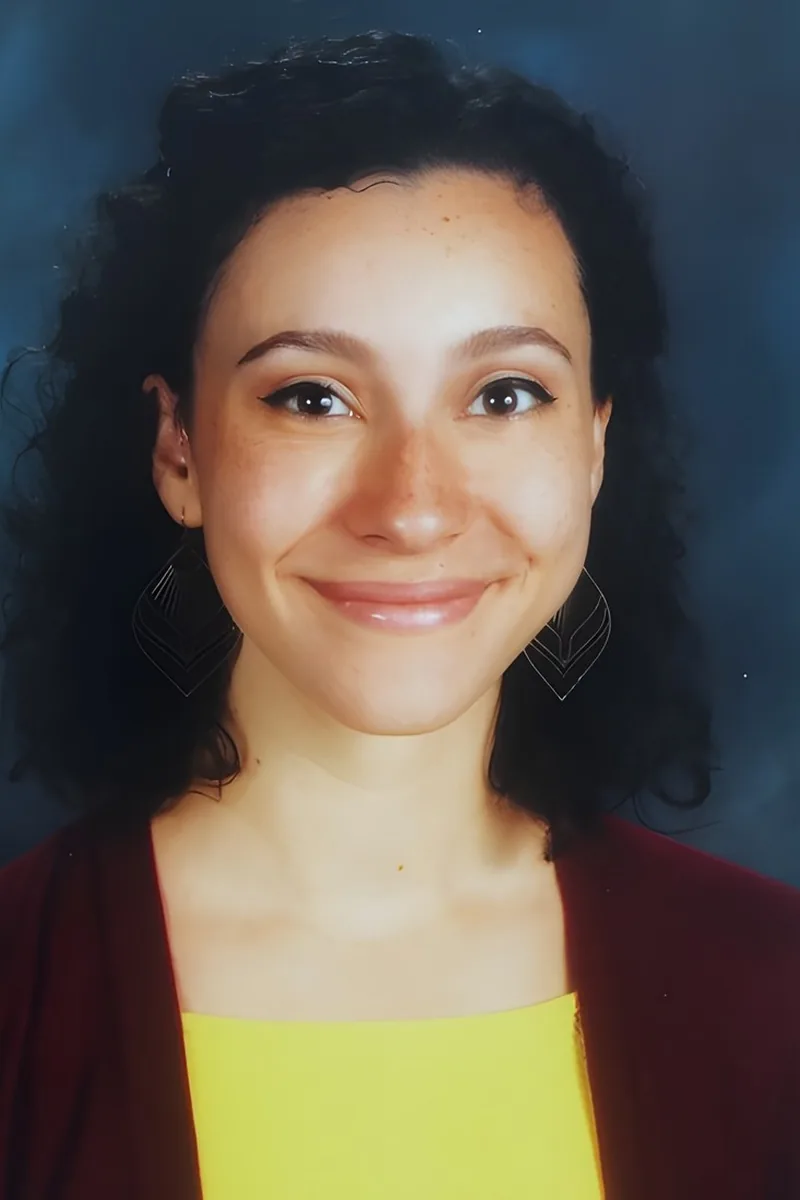
A Bachelor's in Children's and Adolescent Literature is essentially a deep dive into how young readers make meaning from text. Sophia applies that knowledge to teach phonemic awareness, sight word fluency, and early comprehension strategies tailored to each child's reading level. She picks books that match a student's interests to build momentum and confidence simultaneously.
Before a child can love reading, they need to feel confident doing it. Robin teaches decoding strategies, sight-word recognition, and early comprehension skills like predicting and retelling, drawing on her English background to choose texts that match each student's reading level and interests.
Early reading success comes down to building fluency and comprehension together, not treating them as separate skills. June works on phonics patterns, sight word recognition, and simple story retelling in ways that keep young readers curious rather than frustrated. Her patient, step-by-step approach — honed through years of tutoring elementary students — earns her a consistent 5.0 rating from families.
As an occupational therapist, Emily understands the cognitive and developmental milestones behind early reading — phonemic awareness, decoding, and reading fluency aren't just skills to drill but capacities that develop differently in every child. She adapts her approach to each young reader's pace, building confidence with strategies rooted in how children actually learn.
Early reading involves a tangle of skills happening at once: decoding unfamiliar words, building fluency, and actually understanding what a passage means. Beth's Master's in Education from Stanford prepared her to identify exactly where a young reader is getting stuck — whether it's phonics patterns, sight word recognition, or making predictions about a story. She keeps sessions structured but playful, so reading starts to feel like something kids choose to do.
Learning to read is really learning a dozen skills at once — sight words, decoding, fluency, and comprehension all developing in tandem. Esme's approach starts with a quick informal assessment to pinpoint which of those skills needs the most attention, then builds each session around targeted practice rather than generic grade-level worksheets.
Early readers need someone who can make a story come alive while quietly building skills like vocabulary recognition, sequencing, and making predictions about what happens next. Aaron pairs his Literature background with a knack for breaking concepts down step by step, turning read-alouds and guided reading into moments where comprehension clicks. He's rated 4.8 by families and keeps sessions fun enough that kids actually look forward to reading time.
Rachel spent years as a classroom teacher and a volunteer educator at national parks, where she learned to make stories come alive for young audiences. She applies that same energy to elementary reading, building skills like phonics, sight-word recognition, and basic comprehension by connecting texts to things kids already care about in the world around them.
Learning to read confidently — decoding new words, making predictions, and retelling a story in sequence — takes patience and the right kind of encouragement. Anna breaks reading into manageable steps, connecting phonics patterns to real stories so young readers build momentum instead of frustration. Rated 5.0 by students and families.
Andrew's own wide-ranging reading habits — from Mandarin texts to AP-level political analysis — give him a genuine curiosity about language that younger readers pick up on quickly. He teaches elementary students to tackle unfamiliar words by breaking them into smaller parts and to check their own understanding by pausing to summarize what just happened on the page. Rated 4.9 by families he's worked with.
Years of volunteering in elementary classrooms taught Gloria that reading clicks when kids connect stories to their own curiosity — whether that means predicting what happens next, sounding out tricky vowel combinations, or retelling a chapter in their own words. Her neuroscience background also gives her insight into how young brains process phonics and comprehension differently at each developmental stage. Rated 5.0 by students and families.
Getting young readers excited about books is half the battle — the other half is building real skills like decoding unfamiliar words, making predictions, and retelling a story in their own words. Noel is an avid reader himself and brings that genuine enthusiasm to every session, turning reading practice into something kids actually look forward to.
Through her nonprofit work educating families in Ecuador, Vanessa has seen firsthand how foundational early reading skills shape everything that comes after. She builds young readers' confidence by connecting phonics, vocabulary, and comprehension to stories that genuinely interest them — turning reading from a chore into something a child wants to do on their own.
Phonics, sight words, fluency, comprehension — early reading involves a lot of moving parts, and every child hits different sticking points. Mackenzie identifies where a young reader is getting tripped up and tailors each session around that specific skill, whether it's decoding multisyllable words or retelling a story in sequence.
Object-based learning — examining a picture, artifact, or illustration before diving into text — is one of the most effective ways to build reading skills in younger students. Mimi developed this technique through years of museum education work and refined it during her master's program at Harvard. She applies it to phonics, vocabulary, and comprehension so that early readers connect words to meaning, not just sound.
Building reading confidence early changes everything — from decoding unfamiliar words to making predictions about what happens next in a story. Renee's background in languages and literature means she understands how reading skills develop, and she brings that knowledge to phonics, vocabulary, and comprehension work with younger readers.
Reading intervention has been a core part of Molly's classroom work across 2nd, 3rd, and 4th grade, so she's fluent in phonics-based decoding, sight word fluency, and comprehension strategies like predicting and retelling. She pulls from multiple curricula to match the approach that clicks for each reader rather than defaulting to one program.
Kyle approaches elementary reading by connecting books to the things kids already care about — sports, adventure, humor — so that turning pages feels like a choice, not a chore. He zeroes in on specific skills like identifying main ideas, making predictions, and building vocabulary through context clues. Years of working with kids as a coach and counselor give him a natural rapport with younger learners.
Phonics patterns, sight words, and reading fluency each require a different kind of practice, and Ingrid tailors her approach depending on where a young reader is gaining confidence. Her patience and structured teaching style — honed through leading hands-on workshops for undergraduates at Northwestern — translate well to working with elementary-age learners building early literacy skills.
Testimonials
Because the right Elementary School Reading tutor makes all the difference.
Average Session Rating – Based on 3.4M Learner Ratings
Nearby Elementary School Reading Tutors
Other Salem Tutors
Related English Tutors in Salem
Frequently Asked Questions
Varsity Tutors matches Salem students with expert Elementary School Reading tutors for 1-on-1 instruction. We pair each student with a tutor based on their specific needs, learning style, and goals.
Whether you need homework help, exam prep, or want to get ahead, our Elementary School Reading tutors are ready to help.
Common challenges include gaps from earlier material, difficulty with specific concepts, and trouble applying learning to new problems. These issues can snowball quickly in Elementary School Reading.
A tutor identifies where you're stuck, fills in gaps, and provides targeted practice. The 1-on-1 format means you get help exactly where you need it.
Tutors work with your student's actual coursework—homework assignments, class notes, and upcoming tests. This keeps tutoring directly relevant to what's happening in the classroom.
When you share information about your student's school and curriculum, we can match you with a tutor who has relevant experience.
All tutors complete background checks, credential verification, and teaching evaluation. Many of our Elementary School Reading tutors hold advanced degrees or have years of teaching experience.
You can review tutor profiles to find someone with the right background for your student's level and needs.
Many students see improved grades within a few weeks, along with better understanding of Elementary School Reading concepts and more confidence tackling challenging material.
Tutors track progress and adjust their approach to ensure continued improvement.
Most students benefit from 1-2 sessions per week. More frequent sessions help if your student is significantly behind or has an important exam coming up.
Your tutor can recommend a schedule based on your student's specific situation and goals.
Tutoring is purchased in packages of hours, with rates varying by tutor experience. Varsity Tutors offers several options to fit different budgets and needs.
You can discuss pricing during your consultation to find what works best.
Your tutor will assess where your student is, discuss goals, and start working on priority areas. Most students bring current homework or upcoming test material to focus on.
By the end, you'll have a clear sense of how the tutor can help and a plan for moving forward.
Let’s find your perfect tutor
Answer a few quick questions. We’ll recommend the right plan and match you with a top 5% tutor.