Award-Winning Japanese Tutors
serving Salem, OR
Japanese
Tutors in Salem
Private 1-on-1 tutoring, weekly live classes for academic support, test prep & enrichment, practice tests and diagnostics, and more to elevate grades and test scores.
Based on 3.4M Learner Ratings
UniversitiesSchools & Universities
DeliveredHours Delivered
ProficiencyGrowth in Proficiency
Who needs tutoring?
No obligation. Takes ~1 minute.
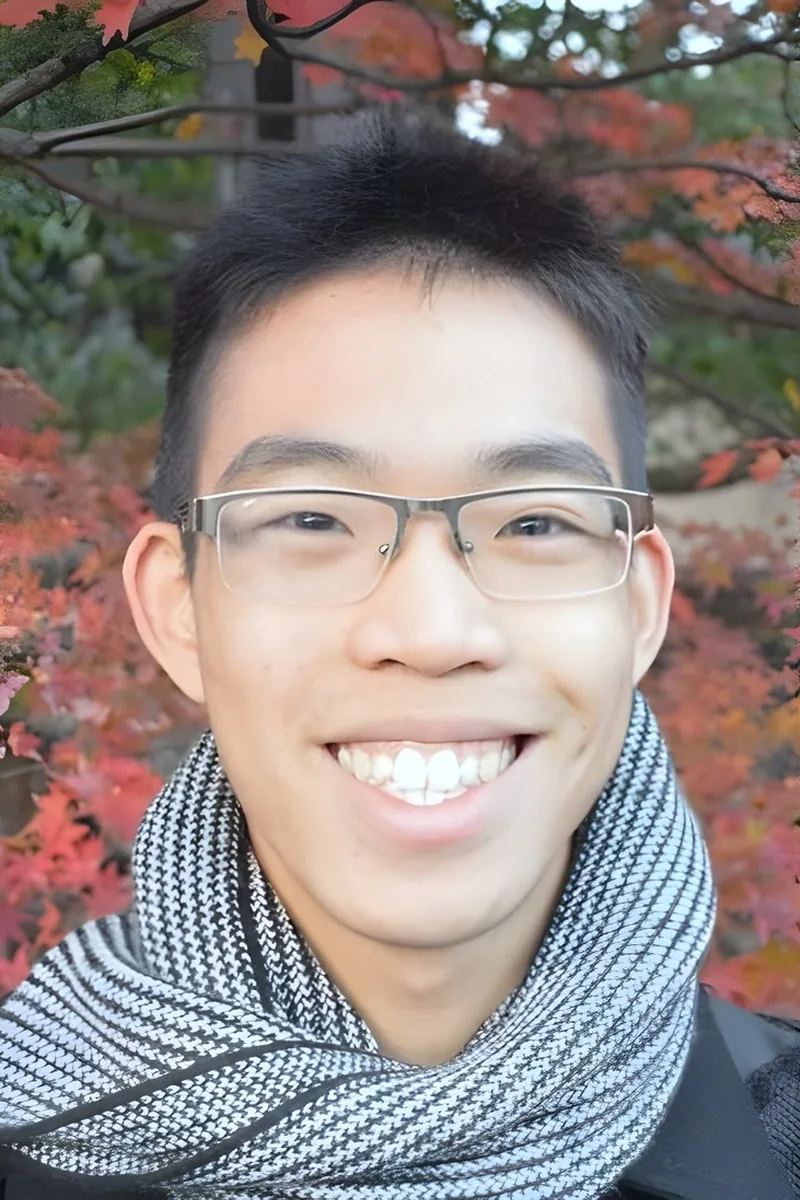
An Asian Studies degree gave Andrew sustained exposure to Japanese language and culture throughout his undergraduate work, and he pairs that academic grounding with fluency in Mandarin Chinese to bring a comparative lens to East Asian language learning. He's particularly good at creating a low-pressure environment for speaking and reading practice — the kind of space where students actually start producing sentences instead of freezing up over perfect particle placement.
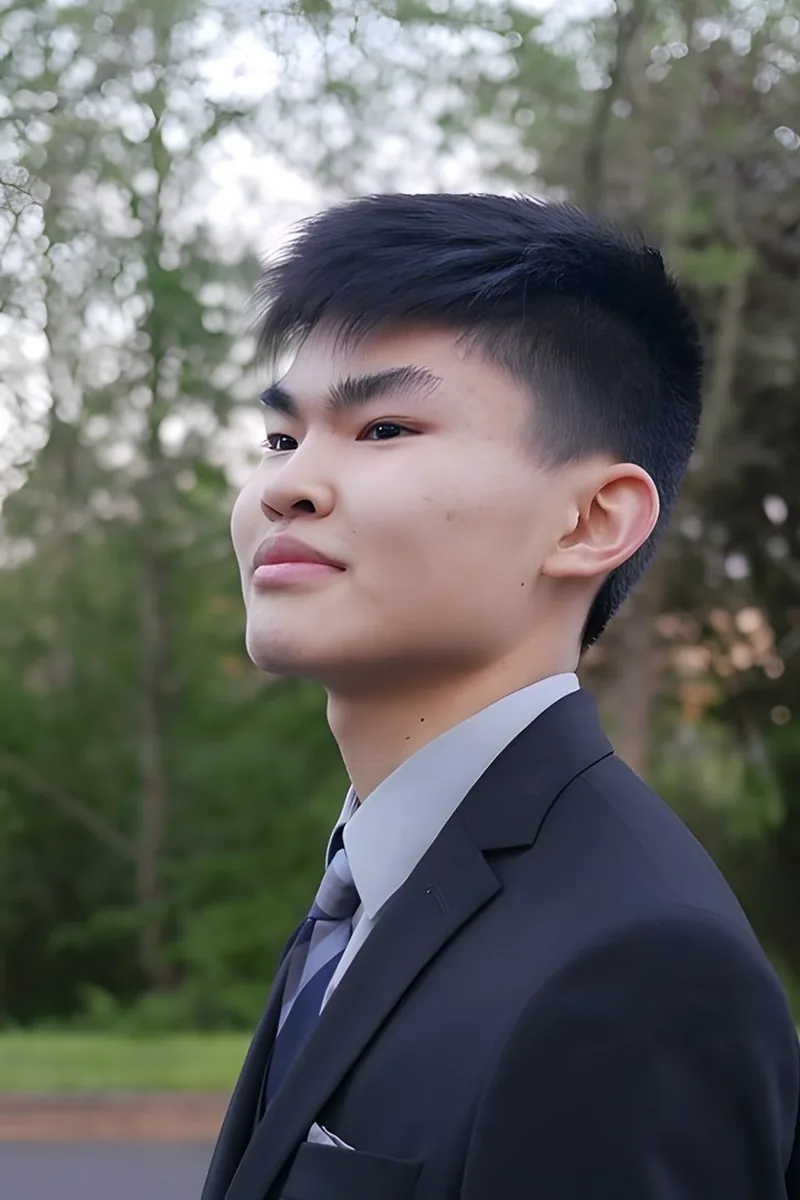
I'm a candidate for a B.S. in Business Administration at Northeastern University. In addition to tutoring, I enjoy playing the tuba and learning about transportation engineering/planning. I'm also fully Japanese and can read, write, and speak the language. As someone who scored 1530 on the SAT and 800 on the Math II subject test, I'd love to assist you in preparing for college!
Sho teaches Japanese with attention to the details that trip up English speakers most — particle usage, verb conjugation groups, and the shift between casual and polite registers. Whether a student is learning hiragana for the first time or working through intermediate kanji and grammar patterns, he brings structured practice to a language that rewards consistency.
Learning Japanese means juggling three writing systems, a grammar structure that's the reverse of English, and cultural nuances that change how you speak depending on who you're talking to. Natasha taught Japanese at the high school level and lived in Japan teaching in elementary schools, giving her the kind of practical fluency that makes hiragana drills, particle usage, and conversational practice feel grounded in real life. She's 5.0-rated and works with beginners through advanced learners.
Crystal minored in Japanese Language and Culture at Northern Kentucky University, so she brings both formal study and genuine cultural curiosity to teaching everything from kana writing to grammar fundamentals. Her day job as a K-12 reading and ESL instructor means she's trained to break down unfamiliar language structures for learners at any level — a skill that pays off when explaining Japanese concepts like sentence-final particles or basic verb tenses that have no English equivalent. Rated 5.0 by students.
I am also fluent (reading/listening/writing) in Cantonese and mandarin Chinese because of my upbringing. Half of my childhood education was received in Hong Kong and the other half was in Australia.
I am an experienced tutor and teacher from Okinawa, Japan who recently graduated from Brown University and now lives in Brooklyn.
Emily minored in Japanese at Texas A&M and continues to engage with the language through media and self-study. She teaches hiragana, katakana, and foundational grammar patterns like particle usage with the same structured approach she applies to her other languages, making the writing systems feel systematic rather than overwhelming.
Holding a degree in Japanese Studies, Andrew brings deep familiarity with not just hiragana, katakana, and kanji but also the cultural context that shapes how the language actually works — keigo politeness levels, sentence-ending particles, and the logic behind counter words. He connects grammar patterns to real conversation so students internalize structures instead of just drilling flashcards.
Darin brings an analytical learner's perspective to Japanese, tackling the language's grammar patterns and writing systems with the same systematic approach he applied to his scientific training. For students working through hiragana, katakana, kanji recognition, or verb conjugation, he offers structured methods that make consistent progress feel achievable.
Though her degrees are in biology and science education, Sarah lists Japanese among her interests and brings a teacher's instinct for breaking complex systems into learnable parts — useful when students are wrestling with hiragana stroke order or the logic behind particle placement. Her 5.0 rating and four years of classroom teaching mean she knows how to pace a lesson and adjust when something isn't landing.
Earning a full bachelor's degree in Japanese — not just a minor or a few semesters — means Jina can teach well beyond survival phrases into kanji readings, grammar particles like は vs. が, and the nuances of keigo (formal speech). She brings the same analytical rigor from her science training to breaking down sentence structure and verb conjugation patterns.
Most students learning Japanese hit a wall somewhere between mastering hiragana and actually constructing sentences with particles, verb conjugations, and counters. Kai has been teaching Japanese through the student organization meetings on campus, building lessons that move learners from basic self-introductions to reading short passages and holding simple conversations.
I'm back at school at NYU, studying for a more general liberal arts degree.
Testimonials
Because the right Japanese tutor makes all the difference.
Average Session Rating – Based on 3.4M Learner Ratings
Nearby Japanese Tutors
Other Salem Tutors
Related Languages Tutors in Salem
Frequently Asked Questions
Varsity Tutors matches Salem students with expert Japanese tutors for 1-on-1 instruction. We pair each student with a tutor based on their specific needs, learning style, and goals.
Whether you need homework help, exam prep, or want to get ahead, our Japanese tutors are ready to help.
Common challenges include gaps from earlier material, difficulty with specific concepts, and trouble applying learning to new problems. These issues can snowball quickly in Japanese.
A tutor identifies where you're stuck, fills in gaps, and provides targeted practice. The 1-on-1 format means you get help exactly where you need it.
Tutors work with your student's actual coursework—homework assignments, class notes, and upcoming tests. This keeps tutoring directly relevant to what's happening in the classroom.
When you share information about your student's school and curriculum, we can match you with a tutor who has relevant experience.
All tutors complete background checks, credential verification, and teaching evaluation. Many of our Japanese tutors hold advanced degrees or have years of teaching experience.
You can review tutor profiles to find someone with the right background for your student's level and needs.
Many students see improved grades within a few weeks, along with better understanding of Japanese concepts and more confidence tackling challenging material.
Tutors track progress and adjust their approach to ensure continued improvement.
Most students benefit from 1-2 sessions per week. More frequent sessions help if your student is significantly behind or has an important exam coming up.
Your tutor can recommend a schedule based on your student's specific situation and goals.
Tutoring is purchased in packages of hours, with rates varying by tutor experience. Varsity Tutors offers several options to fit different budgets and needs.
You can discuss pricing during your consultation to find what works best.
Your tutor will assess where your student is, discuss goals, and start working on priority areas. Most students bring current homework or upcoming test material to focus on.
By the end, you'll have a clear sense of how the tutor can help and a plan for moving forward.
Let’s find your perfect tutor
Answer a few quick questions. We’ll recommend the right plan and match you with a top 5% tutor.