Award-Winning College Chemistry Tutors
serving Salem, OR
College Chemistry
Tutors in Salem
Private 1-on-1 tutoring, weekly live classes for academic support, test prep & enrichment, practice tests and diagnostics, and more to elevate grades and test scores.
Based on 3.4M Learner Ratings
UniversitiesSchools & Universities
DeliveredHours Delivered
ProficiencyGrowth in Proficiency
Who needs tutoring?
No obligation. Takes ~1 minute.
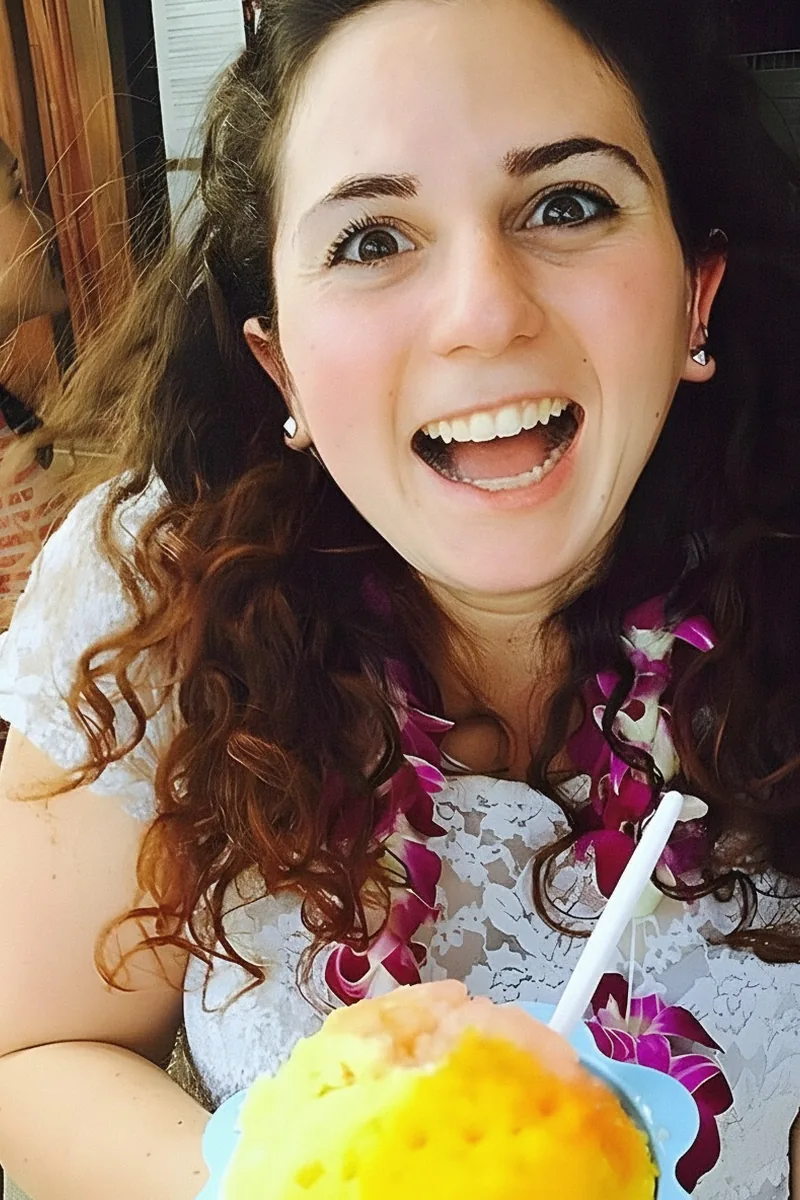
Two mechanical engineering degrees mean Tammy spent years applying gen chem principles — gas laws in thermodynamic systems, reaction energetics in materials science, molecular bonding in metallurgy — long after most people closed their gen chem textbook. She tackles calculation-heavy topics like stoichiometry and calorimetry with an engineer's discipline around unit tracking and significant figures, catching the small errors that snowball into wrong answers on exams.
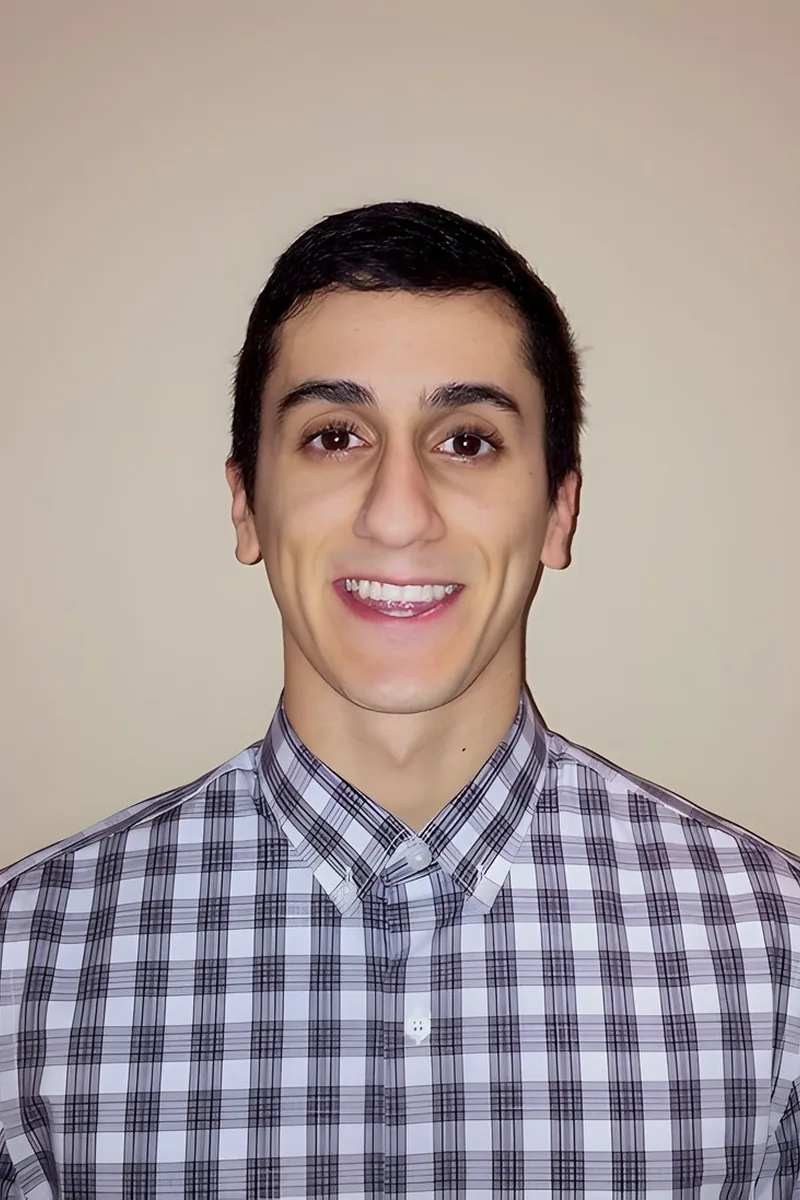
I am applying to medical schools to attend Fall 2016 and I like to play basketball, go backpacking and volunteer with youth in my free time.
Thermodynamics, reaction kinetics, and molecular orbital theory all demand a level of mathematical fluency that many students don't expect from a chemistry course. As a biomedical engineering major at Purdue, Sam regularly uses these principles in her own coursework and can explain the quantitative side of chemistry without losing sight of the underlying concepts.
Organic reaction mechanisms, thermodynamics, and kinetics all demand a different kind of thinking than general chemistry, and that transition catches a lot of college students off guard. Rohan completed a chemistry minor at Oregon while immersed in biology coursework, so he understands how to bridge the conceptual gap between memorizing functional groups and actually predicting how molecules behave. He's rated 5.0 by students for making that leap manageable.
Having TAed Chemistry, Biology, and Fluid Mechanics during her chemical and biological engineering degree at CU Boulder, Niki has explained gen chem concepts like reaction stoichiometry, thermodynamics, and equilibrium to students across multiple STEM disciplines — not just chemistry majors. That engineering lens means she teaches college chemistry with an eye toward how the math and the physical intuition need to work together, especially in calculation-heavy topics like enthalpy, gas laws, and solution concentration. Rated 4.7 by students.
HIV vaccine research in New York gave Karl hands-on experience with the biochemistry that underpins college chemistry — reaction energetics, solution behavior, and molecular interactions aren't abstract textbook topics when you've worked with them at the bench. His cellular and molecular biology degree means he tackles gen chem from the molecular level up, connecting ideas like electron configuration and bonding theory to the larger chemical behavior students are expected to predict on exams.
Most college chemistry struggles Channing sees trace back to math gaps hiding underneath the science — a shaky grasp of logarithms derailing pH calculations, or algebra mistakes disguised as conceptual confusion during equilibrium problems. With a deep math background spanning calculus through statistics and experience teaching high school chemistry, he pinpoints whether a student is stuck on the chemistry itself or on the quantitative machinery driving it, then fixes the actual weak spot.
As a passionate educator with a Doctorate in Biochemistry, Biophysics, and Structural Biology from the University of California, Berkeley, I bring over 25 years of dedicated tutoring and classroom experience to the table. My expertise spans subjects such as Algebra, Chemistry (including Organic and General Chemistry), and Statistics. I believe in fostering a supportive learning environment where students feel empowered to engage with complex concepts. By employing a hands-on approach, I connect theoretical ideas to real-world applications, making learning not only relevant but also enjoyable. My commitment to academic success drives me to inspire students to embrace their studies with confidence. Outside of teaching, I enjoy exploring scientific advancements and innovative educational methodologies, continually seeking ways to integrate my business acumen in biotech and education. - Charles Olea, MBA, PhD
I am passionate to help people learn about science, and have 35 years of real world experience and a Ph.D in physical chemistry, which seeks to explain physically observable phenomena in terms of atomic/molecular behavior.
Neuroscience at Vanderbilt means Blake has been neck-deep in college chemistry — gen chem concepts like molecular bonding, reaction energetics, and acid-base systems are the scaffolding for everything from neuropharmacology to membrane biophysics. His approach leans on building intuition for why a reaction behaves the way it does, drawing on his interest in how people actually learn and retain complex material. Rated 5.0 by students.
Working in a research lab at UTHealth, Emily applies gen chem principles like reaction kinetics, buffer systems, and molecular interactions at the bench every day — which means she can show students what these concepts look like beyond the textbook problem set. Her biochemistry and cell biology degree built the content depth, and active research keeps it sharp, especially for topics like solution chemistry and thermodynamics where real-world context makes the logic easier to hold onto.
Going from a Penn undergrad to medical school means Jessica sat through college chemistry twice — once as a prerequisite and again when biochemistry and pharmacology demanded she actually internalize concepts like reaction energetics, acid-base equilibria, and molecular interactions at a deeper level. That second pass gave her a clear sense of which gen chem topics students need to truly own versus merely survive, and she teaches accordingly. Rated 4.8 by students.
Cognitive Studies at Vanderbilt gave Vy an unusual angle on college chemistry — she understands how students actually learn and retain dense, concept-heavy material like electron configurations, equilibrium shifts, and thermodynamic laws, not just the content itself. She uses that awareness to structure explanations around how the brain organizes new information, which makes a real difference when a student is drowning in a fast-paced gen chem course. Holds a 5.0 rating.
Thermodynamics, equilibrium constants, and electrochemistry all click faster when the tutor has spent years applying them in engineering contexts. Abismael earned his B.S. in Chemical Engineering, so he teaches college-level concepts through real reaction systems rather than abstract formulas. He's known for pushing students with spontaneous, exam-level questions until the material becomes second nature.
Eric holds a master's degree in inorganic chemistry, which means he can teach college chemistry topics like thermodynamics, electrochemistry, and coordination compounds from genuine research experience rather than rote textbook knowledge. He breaks down complex equilibrium and kinetics problems into logical steps that make the math feel manageable. Rated 5.0 by students.
Samantha studied Chemistry & Chemical Biology at Cornell with a food science concentration, so she's tackled everything from organic reaction mechanisms to thermodynamics and spectroscopy at the college level. She teaches tricky concepts like equilibrium constants, electrochemistry, and molecular orbital theory by building visual models that connect the math to what's physically happening at the molecular scale.
Two years as a pre-med molecular biology major at Princeton meant Laura took college-level chemistry seriously — stoichiometry, thermodynamics, equilibrium, and organic reaction mechanisms were part of her daily life before she pivoted to history. That scientific foundation, combined with a Montessori-rooted instinct to let students discover concepts through exploration rather than rote drill, makes her especially effective at breaking down abstract chemistry problems. Rated 5.0 by students.
General chemistry at the college level demands more than balancing equations — it requires thinking in terms of energy, equilibrium, and molecular behavior. Jhonatan approaches topics like thermodynamics, acid-base chemistry, and kinetics by grounding abstract formulas in physical intuition, drawing on the quantitative rigor he developed through his biological sciences degree. His 5.0 rating speaks to how well that approach lands with students.
Thermodynamics, equilibrium constants, and reaction kinetics demand more than memorizing formulas — they require thinking about why a reaction proceeds the way it does. Garrett's coursework in physical chemistry and organic chemistry means he can unpack the energy landscapes and molecular interactions behind each concept. He connects general chemistry principles to their applications in biochemistry and physiology, which makes abstract ideas click faster.
General chemistry at the college level lives or dies on whether you actually understand what's happening at the molecular level — equilibrium shifts, thermodynamic spontaneity, orbital hybridization — or just memorize formulas. Mosab's health sciences graduate work means he uses these concepts constantly and can connect them to real biochemical applications. Rated 5.0 by students.
Between a biochemistry degree and ongoing work in biochemical laboratories, Andrew has used gen chem concepts like reaction thermodynamics, molecular bonding, and acid-base chemistry as everyday tools — not just exam material he learned and forgot. He teaches college chemistry by grounding abstract ideas in the lab contexts where they actually behave, so topics like equilibrium constants and enthalpy changes carry physical meaning rather than just numerical answers. Rated 4.9 by students.
Testimonials
Because the right College Chemistry tutor makes all the difference.
Average Session Rating – Based on 3.4M Learner Ratings
Nearby College Chemistry Tutors
Other Salem Tutors
Related Science Tutors in Salem
Frequently Asked Questions
Varsity Tutors matches Salem students with expert College Chemistry tutors for 1-on-1 instruction. We pair each student with a tutor based on their specific needs, learning style, and goals.
Whether you need homework help, exam prep, or want to get ahead, our College Chemistry tutors are ready to help.
Common challenges include gaps from earlier material, difficulty with specific concepts, and trouble applying learning to new problems. These issues can snowball quickly in College Chemistry.
A tutor identifies where you're stuck, fills in gaps, and provides targeted practice. The 1-on-1 format means you get help exactly where you need it.
Tutors work with your student's actual coursework—homework assignments, class notes, and upcoming tests. This keeps tutoring directly relevant to what's happening in the classroom.
When you share information about your student's school and curriculum, we can match you with a tutor who has relevant experience.
All tutors complete background checks, credential verification, and teaching evaluation. Many of our College Chemistry tutors hold advanced degrees or have years of teaching experience.
You can review tutor profiles to find someone with the right background for your student's level and needs.
Many students see improved grades within a few weeks, along with better understanding of College Chemistry concepts and more confidence tackling challenging material.
Tutors track progress and adjust their approach to ensure continued improvement.
Most students benefit from 1-2 sessions per week. More frequent sessions help if your student is significantly behind or has an important exam coming up.
Your tutor can recommend a schedule based on your student's specific situation and goals.
Tutoring is purchased in packages of hours, with rates varying by tutor experience. Varsity Tutors offers several options to fit different budgets and needs.
You can discuss pricing during your consultation to find what works best.
Your tutor will assess where your student is, discuss goals, and start working on priority areas. Most students bring current homework or upcoming test material to focus on.
By the end, you'll have a clear sense of how the tutor can help and a plan for moving forward.
Let’s find your perfect tutor
Answer a few quick questions. We’ll recommend the right plan and match you with a top 5% tutor.