Award-Winning College Chemistry Tutors
serving Eugene, OR
College Chemistry
Tutors in Eugene
Private 1-on-1 tutoring, weekly live classes for academic support, test prep & enrichment, practice tests and diagnostics, and more to elevate grades and test scores.
Based on 3.4M Learner Ratings
UniversitiesSchools & Universities
DeliveredHours Delivered
ProficiencyGrowth in Proficiency
Who needs tutoring?
No obligation. Takes ~1 minute.
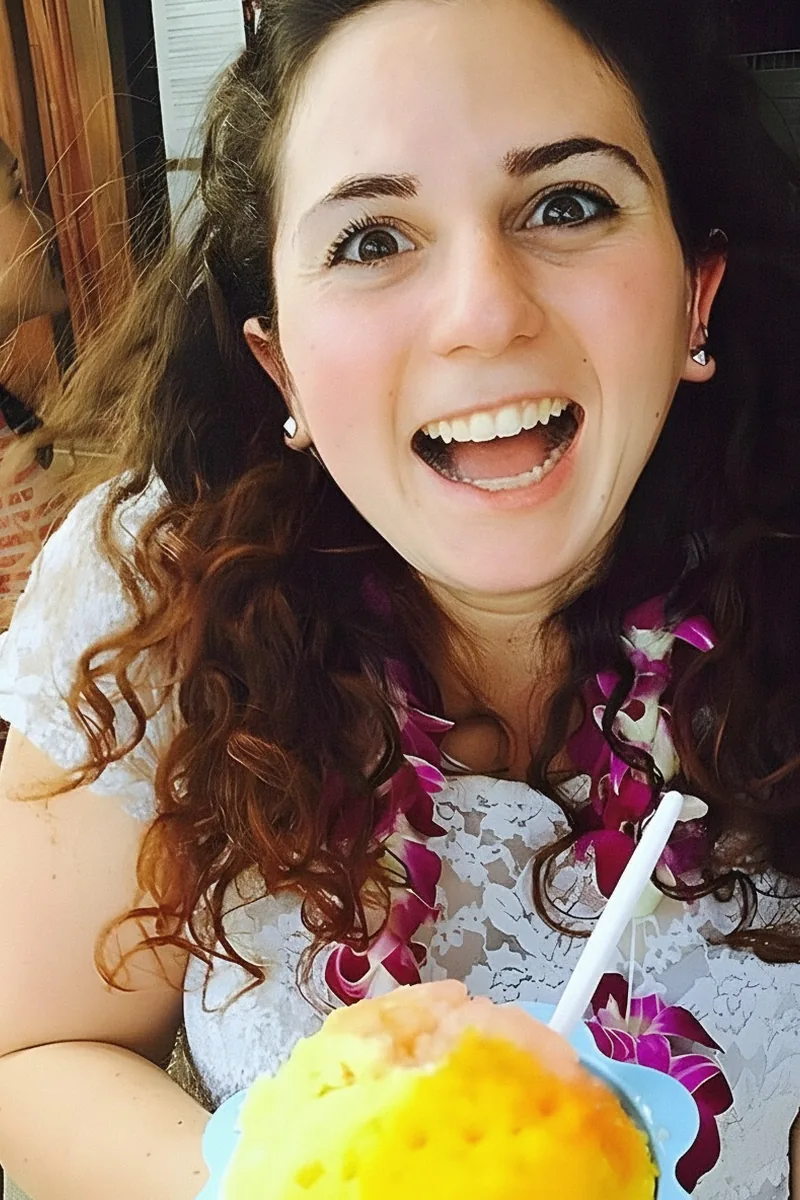
Two mechanical engineering degrees mean Tammy spent years applying gen chem principles — gas laws in thermodynamic systems, reaction energetics in materials science, molecular bonding in metallurgy — long after most people closed their gen chem textbook. She tackles calculation-heavy topics like stoichiometry and calorimetry with an engineer's discipline around unit tracking and significant figures, catching the small errors that snowball into wrong answers on exams.
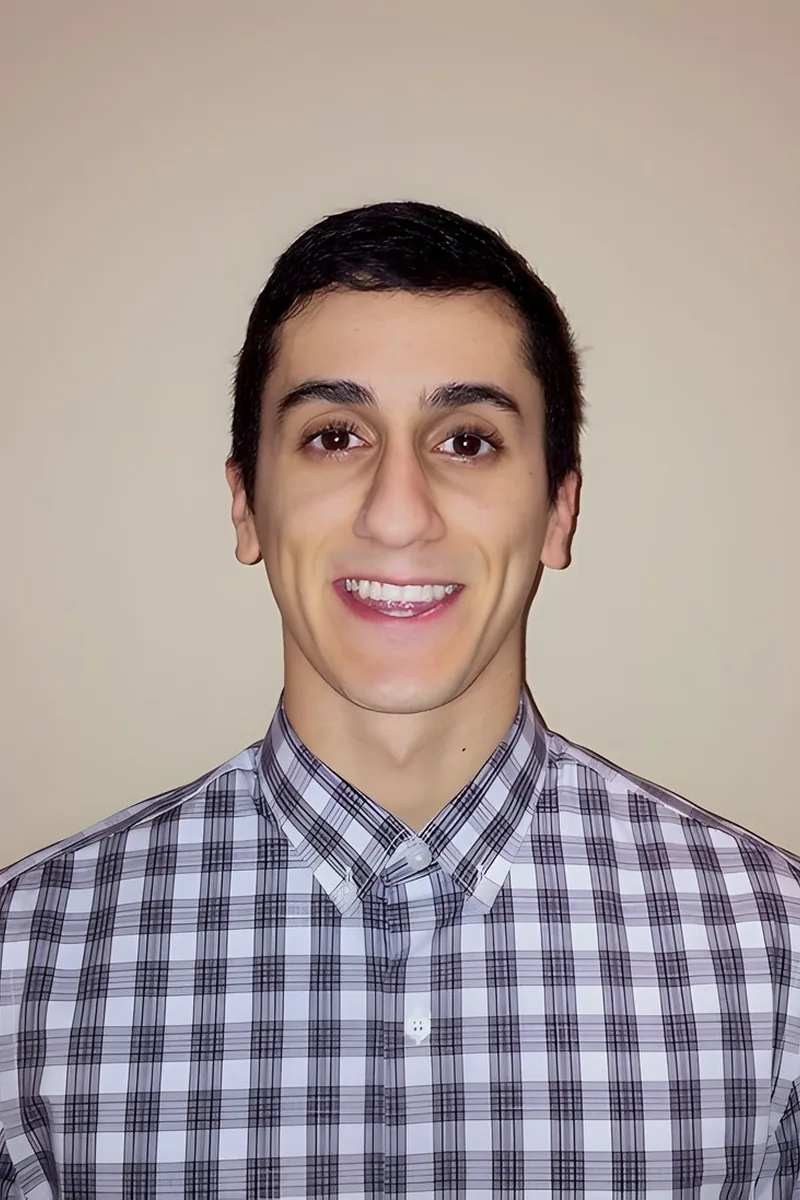
I am applying to medical schools to attend Fall 2016 and I like to play basketball, go backpacking and volunteer with youth in my free time.
Organic reaction mechanisms, thermodynamics, and kinetics all demand a different kind of thinking than general chemistry, and that transition catches a lot of college students off guard. Rohan completed a chemistry minor at Oregon while immersed in biology coursework, so he understands how to bridge the conceptual gap between memorizing functional groups and actually predicting how molecules behave. He's rated 5.0 by students for making that leap manageable.
Thermodynamics, reaction kinetics, and molecular orbital theory all demand a level of mathematical fluency that many students don't expect from a chemistry course. As a biomedical engineering major at Purdue, Sam regularly uses these principles in her own coursework and can explain the quantitative side of chemistry without losing sight of the underlying concepts.
Having TAed Chemistry, Biology, and Fluid Mechanics during her chemical and biological engineering degree at CU Boulder, Niki has explained gen chem concepts like reaction stoichiometry, thermodynamics, and equilibrium to students across multiple STEM disciplines — not just chemistry majors. That engineering lens means she teaches college chemistry with an eye toward how the math and the physical intuition need to work together, especially in calculation-heavy topics like enthalpy, gas laws, and solution concentration. Rated 4.7 by students.
HIV vaccine research in New York gave Karl hands-on experience with the biochemistry that underpins college chemistry — reaction energetics, solution behavior, and molecular interactions aren't abstract textbook topics when you've worked with them at the bench. His cellular and molecular biology degree means he tackles gen chem from the molecular level up, connecting ideas like electron configuration and bonding theory to the larger chemical behavior students are expected to predict on exams.
Most college chemistry struggles Channing sees trace back to math gaps hiding underneath the science — a shaky grasp of logarithms derailing pH calculations, or algebra mistakes disguised as conceptual confusion during equilibrium problems. With a deep math background spanning calculus through statistics and experience teaching high school chemistry, he pinpoints whether a student is stuck on the chemistry itself or on the quantitative machinery driving it, then fixes the actual weak spot.
As a passionate educator with a Doctorate in Biochemistry, Biophysics, and Structural Biology from the University of California, Berkeley, I bring over 25 years of dedicated tutoring and classroom experience to the table. My expertise spans subjects such as Algebra, Chemistry (including Organic and General Chemistry), and Statistics. I believe in fostering a supportive learning environment where students feel empowered to engage with complex concepts. By employing a hands-on approach, I connect theoretical ideas to real-world applications, making learning not only relevant but also enjoyable. My commitment to academic success drives me to inspire students to embrace their studies with confidence. Outside of teaching, I enjoy exploring scientific advancements and innovative educational methodologies, continually seeking ways to integrate my business acumen in biotech and education. - Charles Olea, MBA, PhD
I am passionate to help people learn about science, and have 35 years of real world experience and a Ph.D in physical chemistry, which seeks to explain physically observable phenomena in terms of atomic/molecular behavior.
Having scored a 36 on the ACT and taught honors chemistry alongside AP-level math and statistics, Ethan brings a quantitative sharpness to college chemistry that's especially useful when students hit the calculation-dense stretches — gas law problems, enthalpy calculations, solution stoichiometry. His environmental science background also means he can ground abstract topics like chemical kinetics and equilibrium in real-world systems where those principles visibly play out. Rated 5.0 by students.
First-year med students don't forget what tripped them up in gen chem — and Nishad, currently at Sidney Kimmel Medical College at Thomas Jefferson University, uses that recent memory to zero in on the conceptual breaks that derail students in topics like electron configuration, chemical bonding, and equilibrium. His premed background means he's taken college chemistry with the same stakes his students face, and he teaches it by connecting the molecular-level reasoning to the calculations so neither piece feels like it's floating on its own.
Samantha studied Chemistry & Chemical Biology at Cornell with a food science concentration, so she's tackled everything from organic reaction mechanisms to thermodynamics and spectroscopy at the college level. She teaches tricky concepts like equilibrium constants, electrochemistry, and molecular orbital theory by building visual models that connect the math to what's physically happening at the molecular scale.
Li's doctoral-level medical coursework means she's encountered college chemistry concepts like acid-base equilibria, solution chemistry, and reaction energetics in clinical contexts where getting the chemistry wrong has real consequences. Her microbiology and anatomy teaching background also means she can ground abstract gen chem topics — like intermolecular forces or oxidation states — in the biological systems students will see again in upper-level courses.
Thermodynamics, equilibrium constants, and reaction kinetics demand more than memorizing formulas — they require thinking about why a reaction proceeds the way it does. Garrett's coursework in physical chemistry and organic chemistry means he can unpack the energy landscapes and molecular interactions behind each concept. He connects general chemistry principles to their applications in biochemistry and physiology, which makes abstract ideas click faster.
Studying chemical and biological engineering means Suzie has been stress-tested on gen chem material — thermodynamics, reaction kinetics, stoichiometry — in courses that demanded she actually use it to solve mass and energy balances, not just reproduce it on an exam. She's now pursuing an MD/PhD at Michigan Medical School, so she teaches college chemistry with a clear picture of how each concept threads into biochemistry, physiology, and beyond. Rated 5.0 by students.
Second-year med student at Baylor College of Medicine, Michelle still remembers exactly which gen chem concepts — electron orbitals, buffer systems, reaction thermodynamics — became non-negotiable once biochemistry and physiology started building on them. Her Rice biochemistry degree means she learned college chemistry at a place where the coursework was rigorous enough to expose every shortcut that doesn't hold up, and she teaches accordingly: precise on the fundamentals so nothing collapses later.
Being a Genetics Head Teaching Assistant at Brown while on the immunobiology track means Jessica has applied gen chem concepts like molecular interactions, reaction energetics, and acid-base chemistry in biological contexts where getting the fundamentals wrong isn't an option. She tackles college chemistry problems by pinpointing whether a student is stuck on the concept or the calculation — a distinction her years in math tutoring centers and science labs taught her to spot quickly. Rated 5.0 by students.
Between equilibrium expressions, thermodynamic calculations, and orbital theory, college chemistry demands a level of abstraction that introductory courses don't always prepare students for. Amber digs into the quantitative backbone of these topics, connecting the math to the molecular-level reasoning so that concepts like Gibbs free energy or rate law derivations make sense rather than just get memorized. Her breadth across chemistry and advanced math gives her a rare versatility in tackling problem sets.
Balancing redox equations, predicting reaction spontaneity with Gibbs free energy, working through equilibrium problems — these are the topics that trip up most college chemistry students. Laura tackles them daily as a biology major at WashU, where the pre-med chemistry sequence demands real fluency with thermodynamics, kinetics, and acid-base chemistry. Rated 5.0 by students, she breaks down quantitative problems into clear, logical steps.
Tackling college-level chemistry means juggling thermodynamics, kinetics, and equilibrium all in the same problem set. Brittany was employed at the University of Pennsylvania's Tutoring Center specifically for General Chemistry I and II, where she worked with both undergraduates encountering the material for the first time and graduate students brushing up on fundamentals. That range sharpened her ability to adjust explanations to any level of preparation.
Tackling college chemistry topics like thermodynamics, kinetics, and electrochemistry is second nature for Greg, whose chemical engineering major at Vanderbilt requires him to apply these concepts in advanced contexts every semester. He breaks down intimidating derivations and multi-step problems by connecting them to the underlying physical intuition rather than treating each formula as something to memorize.
Testimonials
Because the right College Chemistry tutor makes all the difference.
Average Session Rating – Based on 3.4M Learner Ratings
Nearby College Chemistry Tutors
Other Eugene Tutors
Related Science Tutors in Eugene
Frequently Asked Questions
Varsity Tutors matches Eugene students with expert College Chemistry tutors for 1-on-1 instruction. We pair each student with a tutor based on their specific needs, learning style, and goals.
Whether you need homework help, exam prep, or want to get ahead, our College Chemistry tutors are ready to help.
Common challenges include gaps from earlier material, difficulty with specific concepts, and trouble applying learning to new problems. These issues can snowball quickly in College Chemistry.
A tutor identifies where you're stuck, fills in gaps, and provides targeted practice. The 1-on-1 format means you get help exactly where you need it.
Tutors work with your student's actual coursework—homework assignments, class notes, and upcoming tests. This keeps tutoring directly relevant to what's happening in the classroom.
When you share information about your student's school and curriculum, we can match you with a tutor who has relevant experience.
All tutors complete background checks, credential verification, and teaching evaluation. Many of our College Chemistry tutors hold advanced degrees or have years of teaching experience.
You can review tutor profiles to find someone with the right background for your student's level and needs.
Many students see improved grades within a few weeks, along with better understanding of College Chemistry concepts and more confidence tackling challenging material.
Tutors track progress and adjust their approach to ensure continued improvement.
Most students benefit from 1-2 sessions per week. More frequent sessions help if your student is significantly behind or has an important exam coming up.
Your tutor can recommend a schedule based on your student's specific situation and goals.
Tutoring is purchased in packages of hours, with rates varying by tutor experience. Varsity Tutors offers several options to fit different budgets and needs.
You can discuss pricing during your consultation to find what works best.
Your tutor will assess where your student is, discuss goals, and start working on priority areas. Most students bring current homework or upcoming test material to focus on.
By the end, you'll have a clear sense of how the tutor can help and a plan for moving forward.
Let’s find your perfect tutor
Answer a few quick questions. We’ll recommend the right plan and match you with a top 5% tutor.