Award-Winning AP Environmental Science Tutors
serving Portland, OR
AP Environmental Science
Tutors in Portland
Private 1-on-1 tutoring, weekly live classes for academic support, test prep & enrichment, practice tests and diagnostics, and more to elevate grades and test scores.
Based on 3.4M Learner Ratings
UniversitiesSchools & Universities
DeliveredHours Delivered
ProficiencyGrowth in Proficiency
Who needs tutoring?
No obligation. Takes ~1 minute.
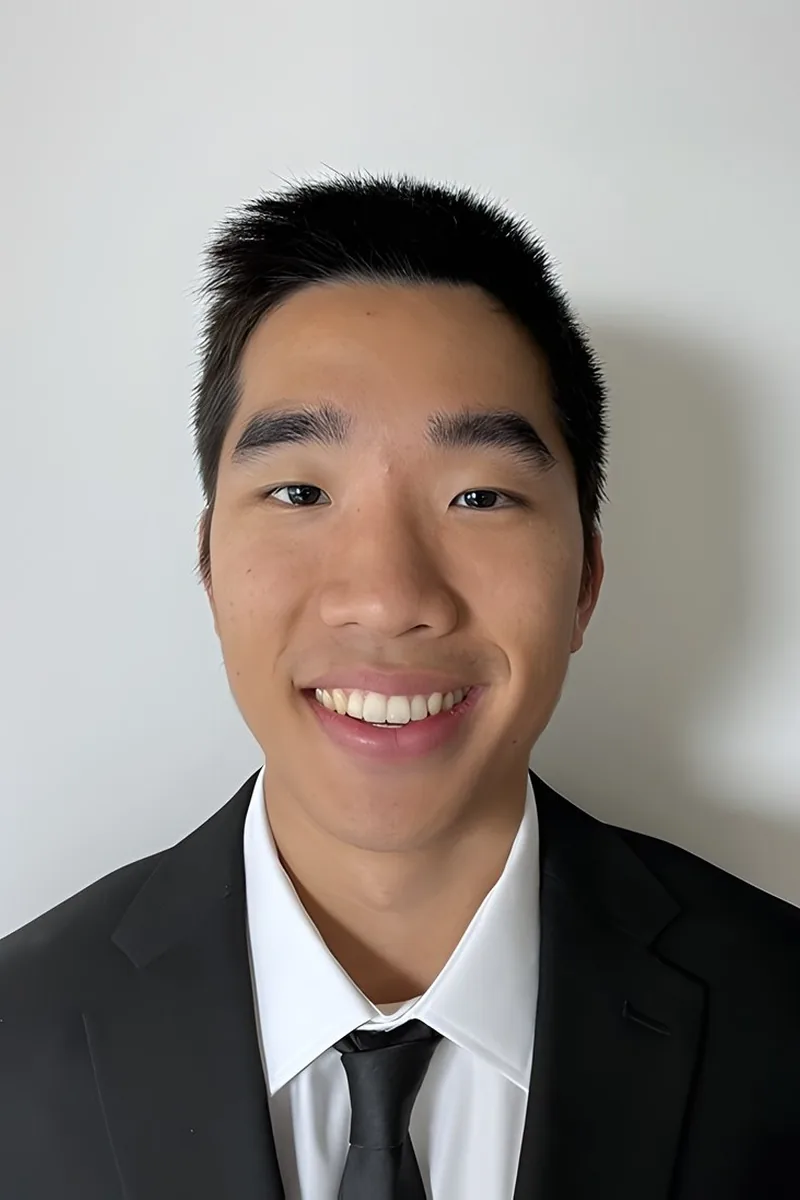
Organismal physiology — Steven's concentration at Drexel — is essentially the study of how living systems respond to their environments, which maps directly onto APES topics like how pollutants move through organisms, how species adapt to habitat changes, and why bioaccumulation works the way it does. That biological depth, paired with a 34 ACT and 5.0 tutoring rating, means he can teach both the conceptual ecology and the math-heavy questions on energy calculations and resource analysis that the exam increasingly emphasizes.
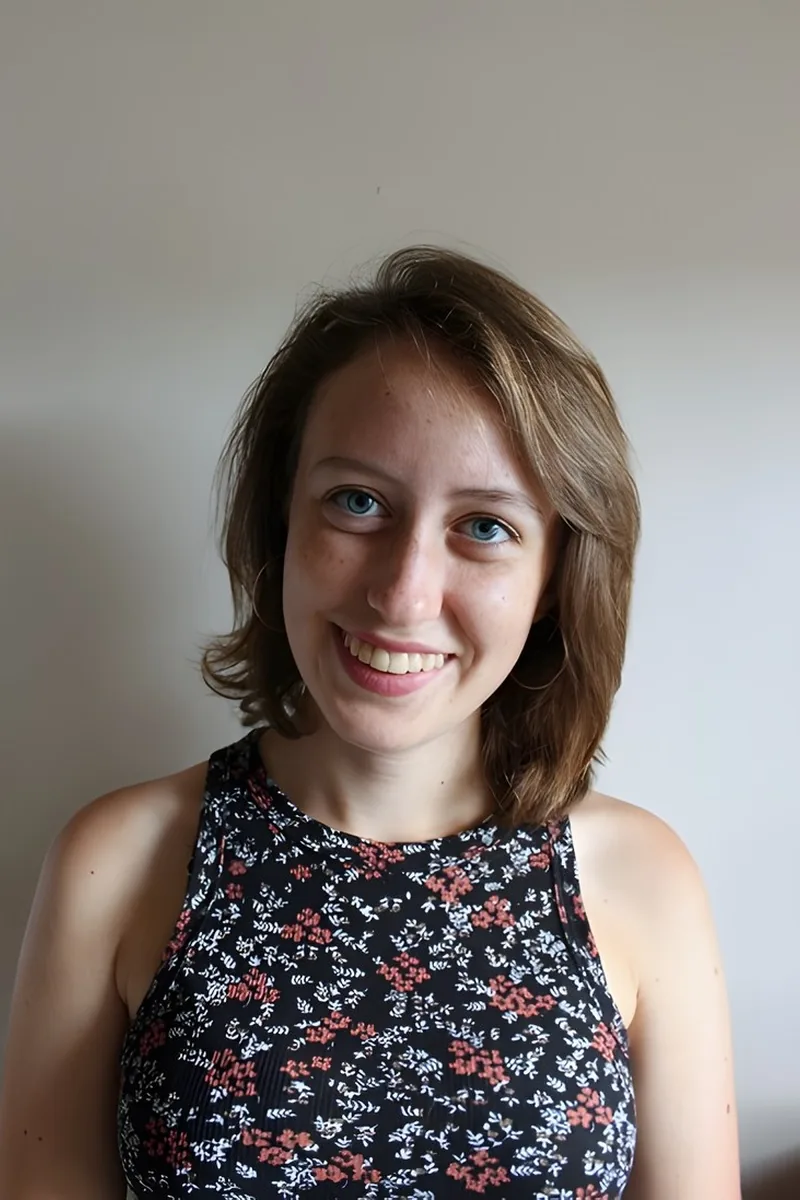
Sofia's ecology concentration at the University of Chicago means AP Environmental Science isn't a subject she just studied — it's her field. She unpacks FRQ-heavy topics like biogeochemical cycles, biodiversity loss, and energy resource tradeoffs with the depth of someone who does research in a neurobiology lab and thinks about ecosystems professionally. That firsthand scientific context makes the difference between memorizing vocabulary and actually understanding environmental systems.
Studying biological sciences means Liana is learning the underlying mechanisms — cellular respiration, nutrient cycling, population growth models — that APES questions are built on, rather than encountering them as isolated vocabulary terms. She breaks down topics like energy flow and species interactions using the same biological logic her college coursework demands, which pays off on free-response questions that ask students to explain processes rather than just name them. Rated 4.9 by students.
Computer science at UCLA might not scream environmental science, but David's training in modeling complex systems and analyzing large datasets maps directly onto APES topics like climate feedback loops, population modeling, and resource depletion calculations. He tackles the quantitative side of the exam — unit conversions, energy math, experimental design — with the algorithmic precision of a software engineer, which is exactly what the data-heavy free-response questions demand. Rated 4.8 by students.
What sets APES apart from most AP exams is how much it rewards interdisciplinary thinking — linking ecology to policy, economics to resource depletion, human behavior to environmental degradation. Rachel's background spans history, writing, and the humanities, which makes her particularly effective at coaching the argument-style free-response questions where students must weave evidence into structured, persuasive explanations of environmental trade-offs. Rated 5.0 by students.
An anthropology degree might seem like an unusual background for APES, but it's surprisingly relevant — Libby understands human-environment interactions, resource use patterns, and cultural dimensions of environmental policy, which are exactly the themes the exam's free-response questions probe. She teaches students to think about ecological problems through the lens of human systems, connecting topics like land use, pollution, and sustainability to the societal forces driving them. Rated 5.0 by students.
Computer science and environmental science don't often overlap — until the APES exam asks students to interpret large data sets on biodiversity indices, model population growth curves, or analyze trends in atmospheric CO₂ concentrations, which is where Firas's PhD-level data analysis and machine learning research at Princeton becomes genuinely useful. He teaches students to read graphs and tables with the systematic precision of a data scientist, breaking down the quantitative free-response questions that catch memorization-focused students off guard. Rated 5.0 by students.
Three years working on organic farms and sustainable land stewardship projects gave Dylan firsthand experience with the biogeochemical cycles, soil science, and ecosystem dynamics that AP Environmental Science tests in detail. He connects FRQ-style questions back to real fieldwork — explaining nutrient runoff or biodiversity loss through situations he's actually observed — which makes the material stick far better than rote review.
Primary care medicine means Kellyann sees the downstream effects of environmental problems daily — asthma exacerbated by air quality, waterborne pathogens, the health toll of industrial pollutants — which gives her a clinical lens on APES units covering pollution, toxicology, and human impact that pure ecology tutors often lack. She pairs that real-world perspective with nine years of science tutoring experience and a 4.9 rating, teaching students to trace environmental causes through biological systems the way a clinician would during a differential diagnosis.
Medical training reshapes how you think about environmental health — Amanda's MD/MPH work means she understands toxicology pathways, epidemiological data, and the public health consequences of pollution at a clinical level, which gives her a distinctive angle on APES units covering air and water quality, disease vectors, and human impact. She teaches students to read dose-response data and environmental risk assessments the way a physician would, building the analytical reasoning the free-response section rewards.
Creative writing isn't the obvious path to APES, but Sydney's strength is in the skill most students neglect: constructing clear, evidence-driven free-response answers that earn full credit instead of rambling through half-remembered vocabulary. Her 35 ACT and 1600 SAT reflect the kind of analytical reading ability that translates directly to interpreting experimental designs and data sets on the exam. Rated 4.9 by students.
Chemical engineering coursework at Princeton drills material and energy balances — tracking what flows in, what transforms, and what flows out — which maps directly onto APES topics like biogeochemical cycles, pollution transport, and energy resource calculations. Satya applies that systems-level thinking to the exam's quantitative questions, breaking down ecological footprint math and efficiency problems with an engineer's precision. A perfect 36 ACT score speaks to the data-interpretation and scientific reasoning skills the free-response section demands.
Testimonials
Because the right AP Environmental Science tutor makes all the difference.
Average Session Rating – Based on 3.4M Learner Ratings
Practice AP Environmental Science
Free practice tests, flashcards, and AI tutoring for AP Environmental Science
Nearby AP Environmental Science Tutors
Other Portland Tutors
Related Science Tutors in Portland
Frequently Asked Questions
Your first session is all about understanding where you're starting from. A tutor will assess your current knowledge of environmental science concepts, discuss your AP exam goals, and identify which topics—whether it's ecosystems, human population, or energy resources—need the most attention. This personalized evaluation helps create a focused study plan tailored to your strengths and gaps.
Score improvement depends on your starting point and how consistently you engage with tutoring and practice. Students who work with a tutor typically see gains by strengthening their understanding of difficult concepts, learning effective test-taking strategies, and building confidence with the exam format. Most students benefit from identifying their weakest units early and dedicating focused practice to those areas before test day.
Students often struggle with quantitative reasoning sections—especially energy calculations, population growth models, and interpreting data from environmental studies. The exam also requires connecting concepts across units, which can be challenging if you haven't built a strong foundation in earlier topics. A tutor can break down these complex relationships and provide targeted practice with the types of problems that appear on the actual exam.
Success on the APES exam requires managing your time across 80 multiple-choice questions and three free-response questions. Key strategies include reading questions carefully to avoid misinterpretation, prioritizing easier questions first, and allocating about 90 minutes for the multiple-choice section. A tutor can help you practice pacing, teach you how to identify what each question is really asking, and develop confidence with the free-response format where you need to explain environmental concepts clearly.
Practice tests are essential—they help you get comfortable with the exam format, identify which units need more review, and build test-day stamina. Taking full-length practice tests under timed conditions reveals your pacing challenges and weak areas before the actual exam. A tutor can review your practice test results with you, explain why you missed questions, and adjust your study plan based on patterns in your performance.
Most students benefit from starting exam prep 2-3 months before the test, especially if they're taking the course for the first time. This gives you time to review all 8 units, take practice tests, and address weak areas without cramming. If you're starting closer to test day, intensive tutoring sessions focused on your biggest knowledge gaps can still help you make meaningful progress and feel more confident walking into the exam.
Varsity Tutors connects you with expert tutors who provide personalized 1-on-1 instruction tailored to your learning style and goals. Whether you need help understanding photosynthesis and energy flow, mastering quantitative problem-solving, or refining your free-response writing, tutoring sessions are designed around your specific needs. You can focus on particular units, work through practice problems together, or do full exam simulations to build confidence.
Test anxiety often stems from feeling unprepared or unfamiliar with the exam format. Working with a tutor helps build genuine confidence by ensuring you understand the material and know what to expect on test day. Regular practice tests, learning effective pacing strategies, and reviewing your mistakes in a low-pressure environment all reduce anxiety. Many students also benefit from discussing test-day logistics and developing a calm, focused mindset before the exam.
Let’s find your perfect tutor
Answer a few quick questions. We’ll recommend the right plan and match you with a top 5% tutor.