Award-Winning Python Tutors
serving Youngstown, OH
Python
Tutors in Youngstown
Private 1-on-1 tutoring, weekly live classes for academic support, test prep & enrichment, practice tests and diagnostics, and more to elevate grades and test scores.
Based on 3.4M Learner Ratings
UniversitiesSchools & Universities
DeliveredHours Delivered
ProficiencyGrowth in Proficiency
Who needs tutoring?
No obligation. Takes ~1 minute.
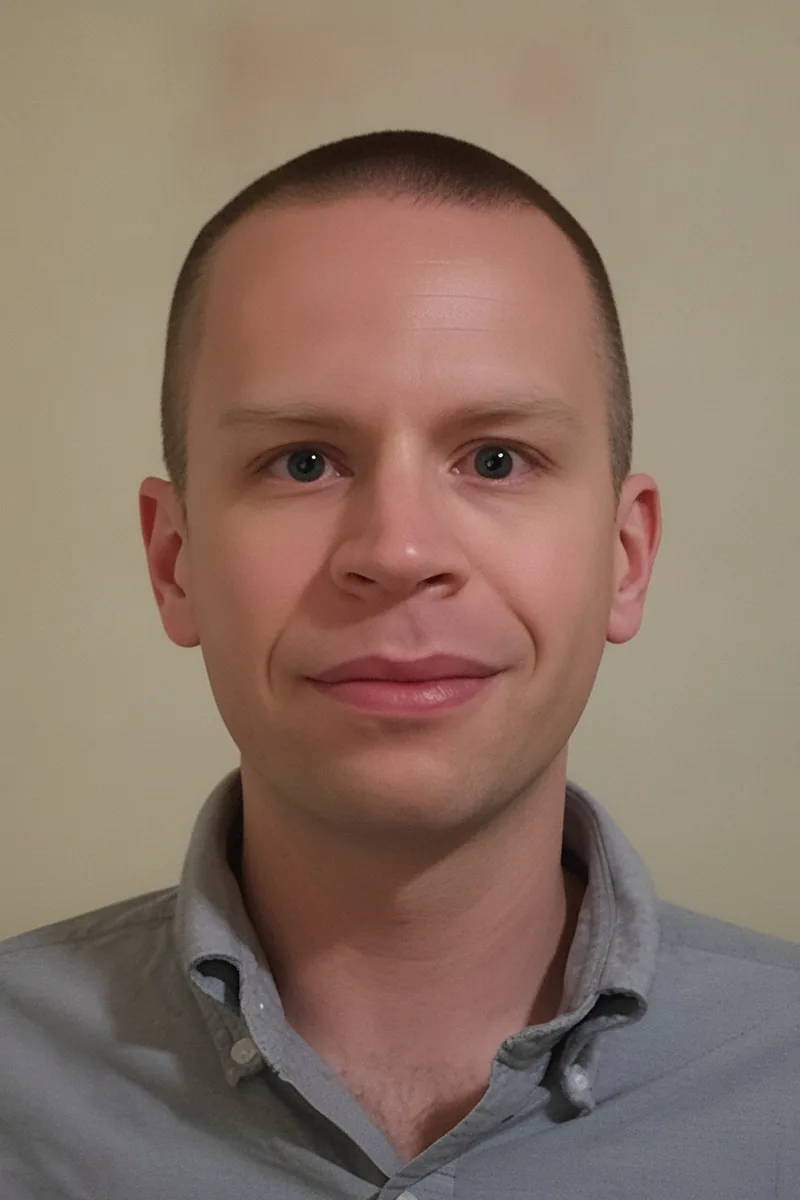
Whether it's writing a first script or wrestling with list comprehensions and object-oriented patterns, Michael breaks Python down into logical steps that mirror how professional developers actually think. His background as a working software engineer means he can show students not just correct syntax but clean, readable code that follows real industry conventions.
Ishaan teaches Python with an emphasis on building functional programs early — loops, conditionals, and data structures like lists and dictionaries — so students understand how code logic works before moving into more abstract concepts like object-oriented design. His science background means he often frames exercises around real data problems, which makes the syntax feel purposeful rather than arbitrary.
I am a recent graduate with a master's in electrical engineering from Case Western Reserve University. I won the Bill and Melinda Gates Millennium Scholarship which covers full tuition up to Ph.D. I was on the Dean's List for three consecutive years. Additionally, I won the OZY Media Genius Award in 2015 to work on high-temperature superconductors. I currently work as a Technology Analyst at Accenture. I am also seriously considering whether I should go for a Ph.D. or not.
Python's readability makes it a great first language, but students still get tripped up by list comprehensions, recursion, and the shift from writing scripts to designing classes. Maxwell connects Python concepts to the mathematical thinking from his math and physics degree — loops become summations, functions become mappings — which gives students a mental framework that scales as projects get more complex.
Ian's philosophy training built the same logical thinking that underpins good Python code — structuring arguments maps directly onto structuring programs with clean control flow and well-defined functions. He knows multiple programming languages including Java, C++, Ruby, and JavaScript, so he can explain Python's design choices by contrasting them with other approaches. Rated 5.0 by students.
Applied mathematics at Rice means writing code daily — Alexander uses Python for everything from numerical simulations to data analysis in his coursework, so he teaches the language the way it's actually used: loops, functions, libraries like NumPy, and debugging strategies that save hours. He's especially good at bridging the gap for students who understand math concepts but struggle to translate them into working scripts.
Python's readability makes it a great first language, but students still stumble on list comprehensions, scope rules, and debugging logic errors in loops. Winton teaches Python through Stanford's CS curriculum and knows how to make abstract concepts like recursion and object-oriented design feel intuitive by building small, working programs step by step.
Learning Python means learning to think in loops, conditionals, and data structures before worrying about syntax. Kerr, a computer science student at Vanderbilt currently building iOS and game projects, walks students through writing actual programs — from simple scripts to projects involving lists, dictionaries, and file I/O — so the logic sticks. He emphasizes understanding *why* code works, which makes debugging feel intuitive rather than frustrating.
At Cornell, Ryan's computer science coursework has him writing Python across a range of contexts — from implementing data structures and algorithms to building out projects in classes that demand clean, readable code. He's especially effective at teaching students who are just starting out how to break a problem into smaller pieces and translate pseudocode into working functions, loops, and conditionals. Rated 4.8 by students.
Studying Computer Science at Carleton College means Meagen writes Python regularly — not just toy scripts, but projects involving data structures, algorithms, and object-oriented design. She explains concepts like loops, conditionals, and functions by connecting the logic to what the code actually does step by step, which makes debugging feel less mysterious.
From writing first scripts with loops and conditionals to building out classes and working with libraries like pandas or matplotlib, Elyse tailors Python sessions to wherever a student's project or coursework demands. Her Stanford CS training means she doesn't just teach syntax — she instills habits like clean code structure and meaningful variable naming that prevent headaches later.
Between MATLAB for signal processing and C++ for embedded systems, Moe's electrical engineering master's work meant he was already thinking programmatically before picking up Python — so he teaches the language as a natural extension of the computational problem-solving students in STEM fields already do. He's especially effective at showing how to translate a math or physics problem into a working script, breaking down the step from "I know the formula" to "I can make the computer solve it for me."
Gabriel's computer science studies at Penn give him daily fluency in Python, from writing clean functions and loops to working with libraries like pandas for data analysis. He walks beginners through debugging line by line so they learn to read error messages instead of fearing them.
Bioinformatics at Stanford meant writing Python daily — parsing genomic datasets, automating lab analyses, and building scripts to visualize biological data. Matthew teaches Python fundamentals like loops, functions, and data structures through real problem-solving rather than abstract exercises. Students who want to see what coding looks like in a scientific or data-driven context get a tutor who's lived that workflow.
Whether it's scripting a data pipeline or implementing a sorting algorithm from scratch, Florence teaches Python with the pragmatism of someone who's used it across academic and industry settings — including software development at IBM. She walks through core concepts like list comprehensions, dictionary manipulation, and file I/O with clear explanations rooted in her Duke CS coursework and TA experience.
Stephanie's computer science degree from MIT means Python isn't just a language she picked up from a tutorial — she understands it from the ground up, from list comprehensions and dictionary manipulation to object-oriented design and algorithmic complexity. Whether a student is writing their first for-loop or debugging a recursive function, she explains the logic behind the syntax so concepts transfer to real projects.
Patrick's computer science degree from Penn means Python isn't just a language he learned — it's one he used daily across coursework in algorithms, data structures, and machine learning. He breaks down concepts like list comprehensions, object-oriented design, and debugging workflows in ways that make students actually write code, not just read about it.
Testimonials
Because the right Python tutor makes all the difference.
Average Session Rating – Based on 3.4M Learner Ratings
Other Youngstown Tutors
Related Technology and Coding Tutors in Youngstown
Frequently Asked Questions
Varsity Tutors matches Youngstown students with expert Python tutors for 1-on-1 instruction. We pair each student with a tutor based on their specific needs, learning style, and goals.
Whether you need homework help, exam prep, or want to get ahead, our Python tutors are ready to help.
Common challenges include gaps from earlier material, difficulty with specific concepts, and trouble applying learning to new problems. These issues can snowball quickly in Python.
A tutor identifies where you're stuck, fills in gaps, and provides targeted practice. The 1-on-1 format means you get help exactly where you need it.
Tutors work with your student's actual coursework—homework assignments, class notes, and upcoming tests. This keeps tutoring directly relevant to what's happening in the classroom.
When you share information about your student's school and curriculum, we can match you with a tutor who has relevant experience.
All tutors complete background checks, credential verification, and teaching evaluation. Many of our Python tutors hold advanced degrees or have years of teaching experience.
You can review tutor profiles to find someone with the right background for your student's level and needs.
Many students see improved grades within a few weeks, along with better understanding of Python concepts and more confidence tackling challenging material.
Tutors track progress and adjust their approach to ensure continued improvement.
Most students benefit from 1-2 sessions per week. More frequent sessions help if your student is significantly behind or has an important exam coming up.
Your tutor can recommend a schedule based on your student's specific situation and goals.
Tutoring is purchased in packages of hours, with rates varying by tutor experience. Varsity Tutors offers several options to fit different budgets and needs.
You can discuss pricing during your consultation to find what works best.
Your tutor will assess where your student is, discuss goals, and start working on priority areas. Most students bring current homework or upcoming test material to focus on.
By the end, you'll have a clear sense of how the tutor can help and a plan for moving forward.
Let’s find your perfect tutor
Answer a few quick questions. We’ll recommend the right plan and match you with a top 5% tutor.