Award-Winning Python Tutors
serving Dayton, OH
Python
Tutors in Dayton
Private 1-on-1 tutoring, weekly live classes for academic support, test prep & enrichment, practice tests and diagnostics, and more to elevate grades and test scores.
Based on 3.4M Learner Ratings
UniversitiesSchools & Universities
DeliveredHours Delivered
ProficiencyGrowth in Proficiency
Who needs tutoring?
No obligation. Takes ~1 minute.
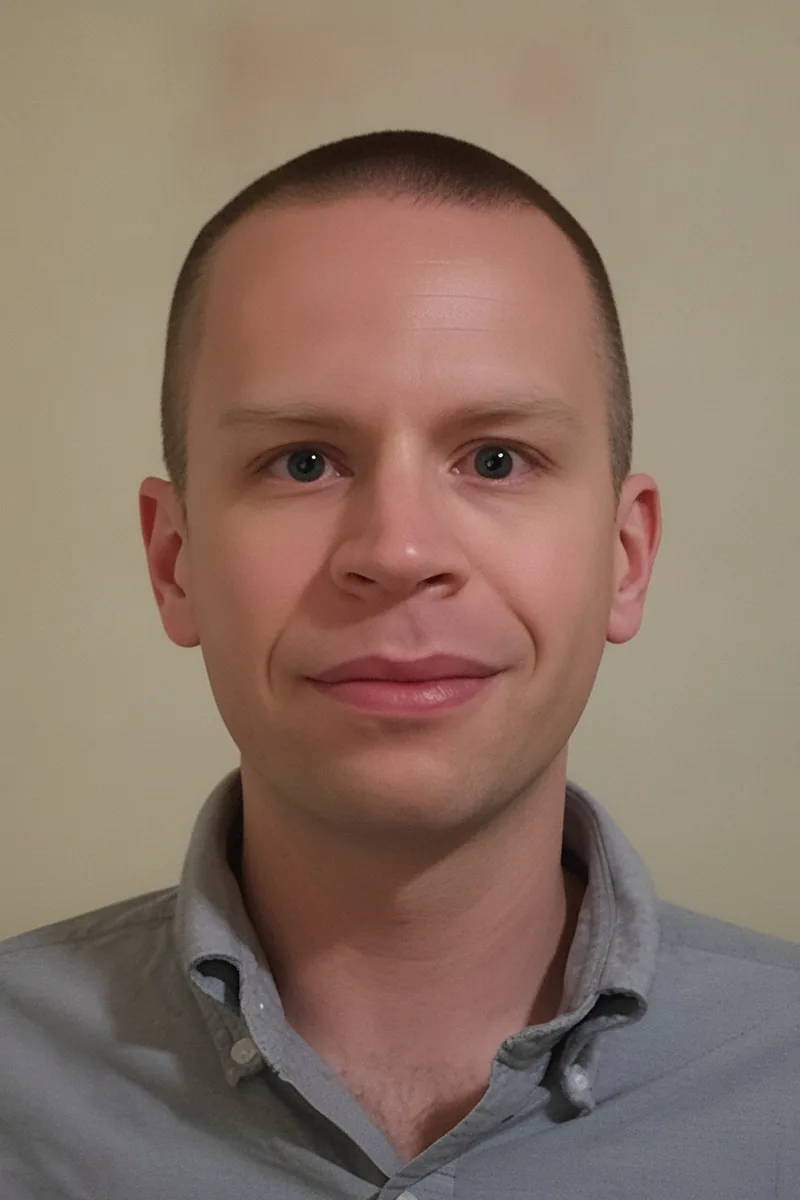
Whether it's writing a first script or wrestling with list comprehensions and object-oriented patterns, Michael breaks Python down into logical steps that mirror how professional developers actually think. His background as a working software engineer means he can show students not just correct syntax but clean, readable code that follows real industry conventions.
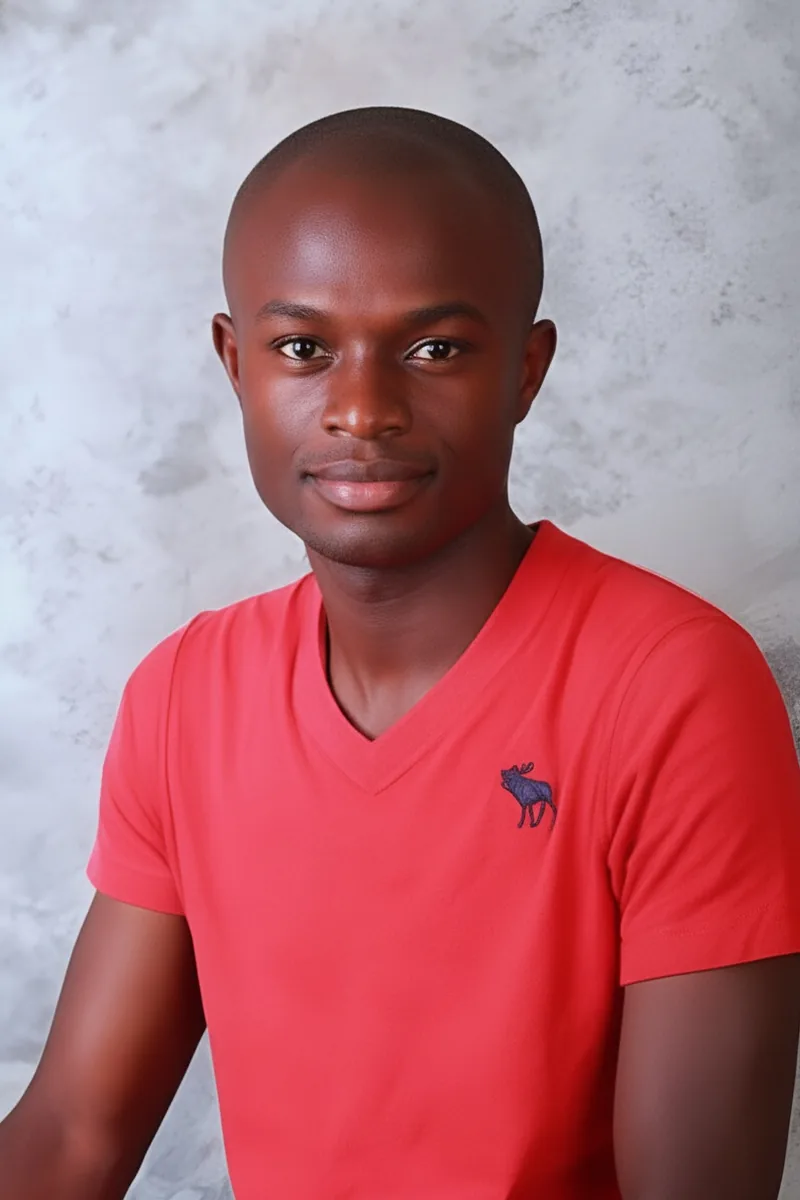
I am a recent graduate with a master's in electrical engineering from Case Western Reserve University. I won the Bill and Melinda Gates Millennium Scholarship which covers full tuition up to Ph.D. I was on the Dean's List for three consecutive years. Additionally, I won the OZY Media Genius Award in 2015 to work on high-temperature superconductors. I currently work as a Technology Analyst at Accenture. I am also seriously considering whether I should go for a Ph.D. or not.
Ishaan teaches Python with an emphasis on building functional programs early — loops, conditionals, and data structures like lists and dictionaries — so students understand how code logic works before moving into more abstract concepts like object-oriented design. His science background means he often frames exercises around real data problems, which makes the syntax feel purposeful rather than arbitrary.
Python's readability makes it a great first language, but students still get tripped up by list comprehensions, recursion, and the shift from writing scripts to designing classes. Maxwell connects Python concepts to the mathematical thinking from his math and physics degree — loops become summations, functions become mappings — which gives students a mental framework that scales as projects get more complex.
Ian's philosophy training built the same logical thinking that underpins good Python code — structuring arguments maps directly onto structuring programs with clean control flow and well-defined functions. He knows multiple programming languages including Java, C++, Ruby, and JavaScript, so he can explain Python's design choices by contrasting them with other approaches. Rated 5.0 by students.
Learning Python at MIT's engineering program means Cori picked it up the way most students will use it — writing scripts to process data, automate calculations, and solve real problems. She breaks down core concepts like loops, functions, and data structures by connecting each one to a tangible task rather than abstract theory.
Between hackathons, robotics challenges, and neuroscience research at Brown, June has used Python for everything from scripting quick data analyses to building full project prototypes. She teaches the language the way she learned it — by solving real problems — so students pick up not just syntax but habits like writing readable functions, using libraries effectively, and debugging without panic.
I'm trying to work on personal projects. I really enjoy snowboarding, and have been doing that since the third grade. I also enjoy playing sports and video games.
Sarah's statistics minor at Penn involved writing Python scripts for data analysis — cleaning datasets, building visualizations, and automating repetitive calculations. She teaches Python fundamentals like loops, functions, and data structures by connecting each concept to a concrete mini-project, so students see their code do something useful right away.
Prakash picked up Python as a practical tool during his electrical engineering work — automating calculations, processing data sets, and scripting simulations. That industry context means he teaches loops, functions, and libraries like NumPy not as abstract exercises but as tools for solving real problems, which tends to make syntax and logic click faster for students.
Python's readability makes it a great first language, but students still get tripped up by list comprehensions, function scope, and debugging logic errors they can't see. Samantha uses her analytical training from Princeton's psychology and math curriculum to teach students how to trace through code systematically rather than guessing at fixes.
Python's readability makes it a great first language, but students still stumble on list comprehensions, recursion, and knowing when to use dictionaries versus lists. Kiran uses Python across both his physics simulations and his CS coursework at Stony Brook, so he can teach it from the basics of control flow all the way through libraries like NumPy and Pandas for data analysis.
Having built projects in Java, JavaScript, C#, and Unity alongside his Penn State CS degree, Nicholas teaches Python with a polyglot programmer's perspective — he can pinpoint exactly where Python's syntax feels weird if you're coming from another language, and where its simplicity is a genuine superpower. He's especially sharp at debugging sessions, breaking down error messages and tracing logic step by step until students can diagnose their own code. Rated 5.0 by students.
From list comprehensions to class hierarchies to libraries like NumPy and pandas, Vincent covers Python at every level — whether a student is writing their first loop or building a machine learning pipeline. His computational science background at MIT means he doesn't just teach syntax; he connects each concept to practical problems in data analysis, automation, and algorithm design.
Nicholas approaches Python through the lens of data and computation, drawing on his statistics background to teach not just syntax but how to think algorithmically. Whether it's writing functions, manipulating lists, or building loops for data analysis, he connects each concept to problems students actually want to solve. Rated 5.0 by students.
Studying Computer Science at Carleton College means Meagen writes Python regularly — not just toy scripts, but projects involving data structures, algorithms, and object-oriented design. She explains concepts like loops, conditionals, and functions by connecting the logic to what the code actually does step by step, which makes debugging feel less mysterious.
From list comprehensions to recursive algorithms, Jacob teaches Python with the depth that comes from a master's in computer science and fluency across multiple programming languages. He connects each concept to practical applications — data manipulation with dictionaries, file I/O, or writing clean functions — so students build code they can actually reuse and extend.
Testimonials
Because the right Python tutor makes all the difference.
Average Session Rating – Based on 3.4M Learner Ratings
Other Dayton Tutors
Related Technology and Coding Tutors in Dayton
Frequently Asked Questions
Your first session is all about understanding your goals and current skill level. A tutor will ask about what you're working on—whether it's a school project, preparing for AP Computer Science, or learning Python for web development or data science. They'll assess where you're starting from and create a personalized plan that focuses on the areas where you need the most help, whether that's mastering syntax, debugging code, or building algorithmic thinking skills.
Many students struggle with three main areas: understanding the difference between syntax (the rules of writing code) and logic (how to solve problems), debugging errors effectively, and grasping data structures and algorithms. Another frequent challenge is moving from writing simple scripts to designing larger programs with multiple functions and classes. A tutor can break down these concepts step-by-step and provide hands-on practice that builds confidence in each area.
Absolutely. Python is used across many fields, and tutors can tailor instruction to your interests—whether you're building web apps with Django or Flask, analyzing data with pandas and NumPy, creating games with Pygame, or working on machine learning projects. A tutor will focus on the libraries, frameworks, and problem-solving approaches most relevant to your goals while ensuring you have a strong foundation in Python fundamentals first.
Debugging is a critical skill, and tutors teach you how to read error messages, use debugging tools, and think through your code logically to find problems. Rather than just fixing errors for you, a tutor walks you through the process of identifying where things went wrong and why, so you develop the problem-solving skills to debug independently. This approach builds your confidence and makes you a stronger programmer overall.
Yes. Project-based learning is one of the best ways to develop real programming skills. Tutors can work with you on school assignments, personal projects, or practice problems that apply Python concepts in realistic ways. Whether you're building a game, creating a data analysis script, or developing a web application, a tutor provides code review, guidance on structure and best practices, and helps you troubleshoot as you build.
Syntax is the specific rules of Python—how to write a for loop, define a function, or create a list. Logic is the ability to break down a problem and design a solution using those tools. Many students memorize syntax but struggle with logic, which is why tutoring focuses on both: learning the language and learning how to think algorithmically. A tutor helps you practice designing solutions before writing code, which strengthens your overall programming ability.
Dayton's 29 school districts offer varying levels of computer science instruction, with some schools emphasizing AP Computer Science Principles or AP Computer Science A, both of which use Python or Java. A tutor familiar with your school's curriculum can align instruction with what you're learning in class, help you prepare for AP exams, or provide supplemental support if your school has limited CS offerings. This personalized approach ensures you're getting exactly what you need to succeed.
Look for tutors with hands-on programming experience—not just teaching experience. Ideally, they've built real projects, understand different Python applications (web, data science, automation), and can explain concepts clearly rather than just providing answers. They should be able to teach you debugging strategies, code review practices, and problem-solving approaches that go beyond memorization. When you connect with a tutor, ask about their programming background and what projects they've worked on.
Let’s find your perfect tutor
Answer a few quick questions. We’ll recommend the right plan and match you with a top 5% tutor.