Award-Winning Python Tutors
serving Cincinnati, OH
Python
Tutors in Cincinnati
Private 1-on-1 tutoring, weekly live classes for academic support, test prep & enrichment, practice tests and diagnostics, and more to elevate grades and test scores.
Based on 3.4M Learner Ratings
UniversitiesSchools & Universities
DeliveredHours Delivered
ProficiencyGrowth in Proficiency
Who needs tutoring?
No obligation. Takes ~1 minute.
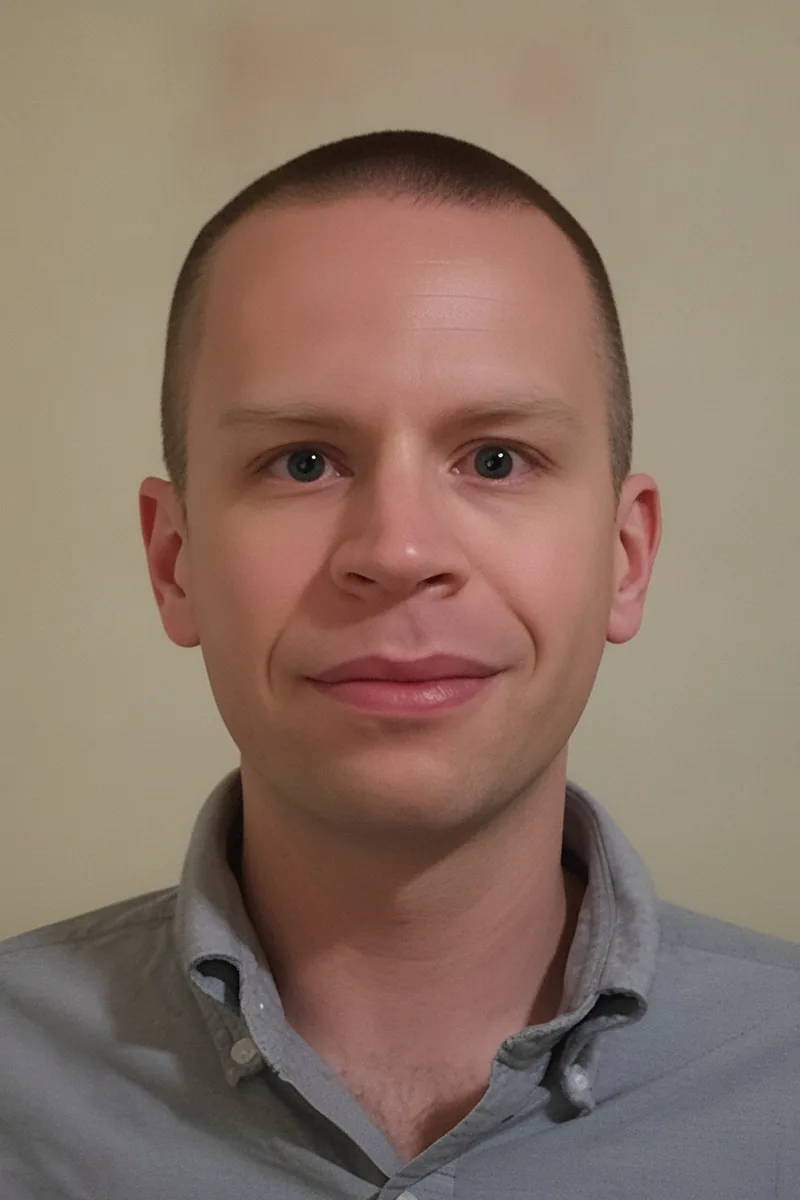
Whether it's writing a first script or wrestling with list comprehensions and object-oriented patterns, Michael breaks Python down into logical steps that mirror how professional developers actually think. His background as a working software engineer means he can show students not just correct syntax but clean, readable code that follows real industry conventions.
Ishaan teaches Python with an emphasis on building functional programs early — loops, conditionals, and data structures like lists and dictionaries — so students understand how code logic works before moving into more abstract concepts like object-oriented design. His science background means he often frames exercises around real data problems, which makes the syntax feel purposeful rather than arbitrary.
I am a recent graduate with a master's in electrical engineering from Case Western Reserve University. I won the Bill and Melinda Gates Millennium Scholarship which covers full tuition up to Ph.D. I was on the Dean's List for three consecutive years. Additionally, I won the OZY Media Genius Award in 2015 to work on high-temperature superconductors. I currently work as a Technology Analyst at Accenture. I am also seriously considering whether I should go for a Ph.D. or not.
Python's readability makes it a great first language, but students still get tripped up by list comprehensions, recursion, and the shift from writing scripts to designing classes. Maxwell connects Python concepts to the mathematical thinking from his math and physics degree — loops become summations, functions become mappings — which gives students a mental framework that scales as projects get more complex.
Ian's philosophy training built the same logical thinking that underpins good Python code — structuring arguments maps directly onto structuring programs with clean control flow and well-defined functions. He knows multiple programming languages including Java, C++, Ruby, and JavaScript, so he can explain Python's design choices by contrasting them with other approaches. Rated 5.0 by students.
Python's readability makes it a great first language, but students still hit walls with list comprehensions, dictionary manipulation, and debugging runtime errors. Clive tackles these sticking points by writing code live with students, explaining his reasoning at each step so they learn to think like a programmer. His experience spans multiple languages, which means he can contextualize Python's quirks — like dynamic typing and indentation-based scope — in ways that deepen understanding.
Having built projects in Java, JavaScript, C#, and Unity alongside his Penn State CS degree, Nicholas teaches Python with a polyglot programmer's perspective — he can pinpoint exactly where Python's syntax feels weird if you're coming from another language, and where its simplicity is a genuine superpower. He's especially sharp at debugging sessions, breaking down error messages and tracing logic step by step until students can diagnose their own code. Rated 5.0 by students.
Daria's electrical and computer engineering coursework at Cornell means Python isn't just a classroom exercise — she uses it to program microcontrollers, process signals, and automate hardware-level tasks. That hands-on engineering context lets her teach variables, loops, and functions through projects that interact with the physical world, giving students a tangible reason to care about clean code.
As a statistics graduate student, Evan writes Python daily — building data pipelines, running simulations, and using libraries like pandas and NumPy for real analysis. He teaches programming the way he learned it: by solving actual problems, so students understand not just syntax but why specific data structures and control flows matter.
Python's readability makes it the go-to first language, but that simplicity hides real depth — list comprehensions, generators, decorators, and object-oriented design all trip up students who learned syntax without learning structure. Brandon uses Python daily in his AI and machine learning research at RIT and breaks down these intermediate concepts by building small, working projects rather than abstract exercises.
From writing first scripts with loops and conditionals to building out classes and working with libraries like pandas or matplotlib, Elyse tailors Python sessions to wherever a student's project or coursework demands. Her Stanford CS training means she doesn't just teach syntax — she instills habits like clean code structure and meaningful variable naming that prevent headaches later.
As an electrical and computer engineering student, Alfonso writes Python regularly for coursework involving data processing, automation, and problem-solving. He teaches core concepts like loops, conditionals, functions, and data structures by building small projects that show why each tool exists. Students pick up not just syntax but the logic of thinking like a programmer.
Python's readability makes it a popular first language, but students still hit walls on list comprehensions, class inheritance, and debugging logic errors they can't see. Milo teaches Python within a computer science framework — connecting syntax to the underlying concepts — drawing on both his CS master's work at UMass Amherst and years of tutoring experience. He's rated 5.0 by students.
Python's flexibility makes it the go-to language for everything from intro CS assignments to physics simulations, and Joel uses it extensively in both contexts at Cornell. He walks through core concepts like list comprehensions, class design, and file I/O with an emphasis on writing clean, readable code rather than just code that runs.
From list comprehensions to recursive algorithms to working with libraries like NumPy, Python covers a huge range depending on whether a student is learning to code for the first time or building data-driven projects. Anmolpreet teaches both — her math and CS dual degree at Yale gives her the depth to explain not just syntax but the logic underneath it.
Applied mathematics at Rice means writing code daily — Alexander uses Python for everything from numerical simulations to data analysis in his coursework, so he teaches the language the way it's actually used: loops, functions, libraries like NumPy, and debugging strategies that save hours. He's especially good at bridging the gap for students who understand math concepts but struggle to translate them into working scripts.
Python's readability makes it a great first language, but students still stumble on list comprehensions, scope rules, and debugging recursive functions. Anna teaches Python by connecting each concept to a concrete use case — data manipulation with dictionaries, file I/O, or building small projects that make abstract syntax feel purposeful. Her interdisciplinary background in neuroscience and CS means she's comfortable whether the course leans scientific computing or software development.
Testimonials
Because the right Python tutor makes all the difference.
Average Session Rating – Based on 3.4M Learner Ratings
Other Cincinnati Tutors
Related Technology and Coding Tutors in Cincinnati
Frequently Asked Questions
Absolutely. Python is one of the most beginner-friendly programming languages because its syntax reads almost like English, making it easier to focus on learning logic and problem-solving rather than getting bogged down in complex syntax rules. Many schools in the Cincinnati area introduce students to Python in middle and high school for this reason, and it's also widely used in data science, web development, and automation—so the skills you build transfer to real-world applications.
Students often struggle with three core areas: understanding algorithmic thinking (breaking problems into logical steps), debugging errors effectively, and grasping how data structures like lists and dictionaries work. Many also find the jump from writing simple scripts to building larger projects challenging. Personalized tutoring helps by walking through errors line-by-line, showing debugging strategies, and providing hands-on code review so you understand not just what went wrong, but why—and how to prevent it next time.
Syntax is the specific rules of Python—how to write a for loop, define a function, or use an if statement. Logic is the problem-solving skill: figuring out *what* steps your program needs to take to solve a problem. You can memorize syntax, but logic takes practice and feedback. A tutor helps by giving you real problems to solve, then guiding you through your thinking process so you develop strong algorithmic skills that apply to any language, not just Python.
Building projects—whether it's a simple game, a data analysis script, or a web scraper—forces you to apply multiple concepts together and solve real problems, which cements learning far better than isolated exercises. Projects also give you something tangible to show and build confidence. Tutors can guide you through project planning, help you break down complex features into manageable pieces, and review your code to help you write cleaner, more efficient solutions.
Data structures are how you organize and store information in your programs. Understanding when to use a list versus a dictionary, or how to work with nested structures, is crucial for writing efficient code and solving real problems. Many students find these concepts abstract at first, but personalized instruction helps by using concrete examples, visualizations, and hands-on practice so you develop intuition for which structure fits which problem.
Your first session is about understanding where you're starting from and what you want to achieve. A tutor will ask about your experience level, what you're working on (homework, a personal project, preparing for a class), and any specific challenges you're facing. From there, you'll work through a problem together so the tutor can see your thinking process and identify the best way to help you move forward.
Python opens doors to multiple career paths: web development (using frameworks like Django or Flask), data science and machine learning, automation and scripting, game development, and more. Many tech companies prioritize Python skills, and it's also the go-to language for AI and data analysis roles. Learning Python gives you a strong foundation that makes picking up other languages easier, and tutors can help you explore which direction interests you most.
Debugging is a skill that improves with practice and feedback. Rather than just telling you what's wrong, a tutor teaches you *how* to debug: reading error messages carefully, using print statements strategically, breaking code into smaller testable pieces, and thinking through what your code actually does versus what you intended. Over time, you develop the problem-solving mindset that makes debugging feel like a puzzle to solve rather than a frustrating roadblock.
Let’s find your perfect tutor
Answer a few quick questions. We’ll recommend the right plan and match you with a top 5% tutor.