Award-Winning Python Tutors
serving Columbus, OH
Python
Tutors in Columbus
Private 1-on-1 tutoring, weekly live classes for academic support, test prep & enrichment, practice tests and diagnostics, and more to elevate grades and test scores.
Based on 3.4M Learner Ratings
UniversitiesSchools & Universities
DeliveredHours Delivered
ProficiencyGrowth in Proficiency
Who needs tutoring?
No obligation. Takes ~1 minute.
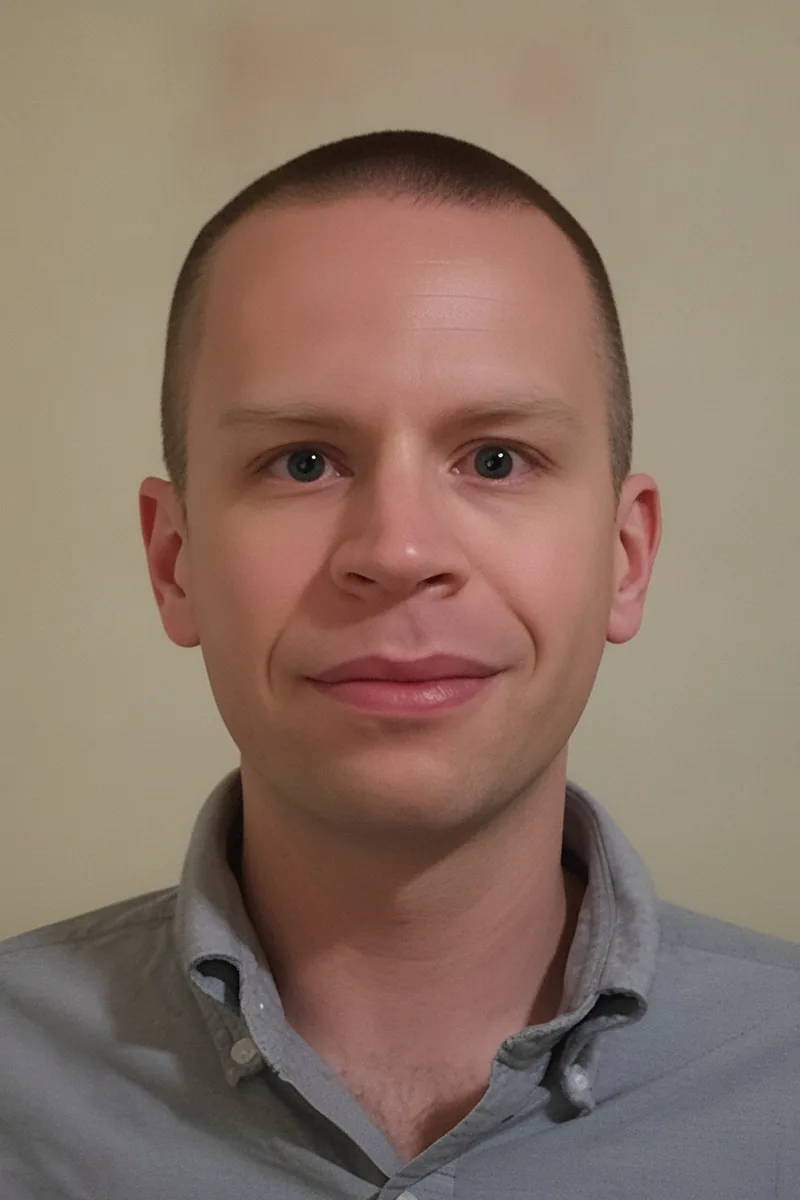
Whether it's writing a first script or wrestling with list comprehensions and object-oriented patterns, Michael breaks Python down into logical steps that mirror how professional developers actually think. His background as a working software engineer means he can show students not just correct syntax but clean, readable code that follows real industry conventions.
Ishaan teaches Python with an emphasis on building functional programs early — loops, conditionals, and data structures like lists and dictionaries — so students understand how code logic works before moving into more abstract concepts like object-oriented design. His science background means he often frames exercises around real data problems, which makes the syntax feel purposeful rather than arbitrary.
I am a recent graduate with a master's in electrical engineering from Case Western Reserve University. I won the Bill and Melinda Gates Millennium Scholarship which covers full tuition up to Ph.D. I was on the Dean's List for three consecutive years. Additionally, I won the OZY Media Genius Award in 2015 to work on high-temperature superconductors. I currently work as a Technology Analyst at Accenture. I am also seriously considering whether I should go for a Ph.D. or not.
Python's readability makes it a great first language, but students still get tripped up by list comprehensions, recursion, and the shift from writing scripts to designing classes. Maxwell connects Python concepts to the mathematical thinking from his math and physics degree — loops become summations, functions become mappings — which gives students a mental framework that scales as projects get more complex.
Ian's philosophy training built the same logical thinking that underpins good Python code — structuring arguments maps directly onto structuring programs with clean control flow and well-defined functions. He knows multiple programming languages including Java, C++, Ruby, and JavaScript, so he can explain Python's design choices by contrasting them with other approaches. Rated 5.0 by students.
From writing first scripts with loops and conditionals to building out classes and working with libraries like pandas or matplotlib, Elyse tailors Python sessions to wherever a student's project or coursework demands. Her Stanford CS training means she doesn't just teach syntax — she instills habits like clean code structure and meaningful variable naming that prevent headaches later.
Annie uses Python daily in her biomedical engineering work at Cornell, from writing scripts to analyze immunotherapy research data to building computational models in MATLAB and Python side by side. She teaches core concepts like loops, functions, data structures, and libraries such as NumPy by connecting them to real problems — not just abstract exercises.
Nicholas approaches Python through the lens of data and computation, drawing on his statistics background to teach not just syntax but how to think algorithmically. Whether it's writing functions, manipulating lists, or building loops for data analysis, he connects each concept to problems students actually want to solve. Rated 5.0 by students.
Learning Python is less about memorizing syntax and more about thinking through problems step by step — how to structure a loop, when to use a dictionary versus a list, why your function returns None instead of a value. Harry uses Python in his economics and math coursework for data analysis and modeling, so he teaches it with practical applications rather than abstract exercises. He walks through debugging methodically, turning error messages into learning moments.
I'm trying to work on personal projects. I really enjoy snowboarding, and have been doing that since the third grade. I also enjoy playing sports and video games.
Learning Python means learning to think in loops, conditionals, and data structures before worrying about syntax. Kerr, a computer science student at Vanderbilt currently building iOS and game projects, walks students through writing actual programs — from simple scripts to projects involving lists, dictionaries, and file I/O — so the logic sticks. He emphasizes understanding *why* code works, which makes debugging feel intuitive rather than frustrating.
Working in a neuroscience research lab at Duke meant Lauren had to learn Python for real tasks — cleaning datasets, running statistical analyses, and visualizing experimental results. She teaches Python through that practical lens, covering loops, functions, and libraries like NumPy by connecting each concept to something a script actually needs to do.
Materials engineering PhD research generates mountains of experimental data, and Nivedina writes Python scripts to process, plot, and make sense of it all — from automating repetitive file parsing to running statistical analyses on lab results. That science-driven coding background means she teaches core concepts like loops, conditionals, and data structures through tasks that solve actual problems, not toy examples. Her chemistry training adds another layer, since students working on scientific computing or data cleanup get a tutor who genuinely understands the data they're handling.
Python's readability makes it a great first language, but students still stumble on list comprehensions, dictionary manipulation, and debugging runtime errors they've never seen before. Ethan uses Python across his Vanderbilt engineering coursework and walks through each concept with real scripts — not just slides — so the logic becomes second nature.
Python's readable syntax makes it a great first language, but students still struggle when they hit list comprehensions, file I/O, or debugging recursive functions. Brice has taught Python to beginners as young as middle school and to college peers working on more advanced projects. He walks through each concept by writing real code alongside students rather than lecturing from slides.
Python's readability makes it a great first language, but students still stumble on list comprehensions, scope rules, and debugging recursive functions. Anna teaches Python by connecting each concept to a concrete use case — data manipulation with dictionaries, file I/O, or building small projects that make abstract syntax feel purposeful. Her interdisciplinary background in neuroscience and CS means she's comfortable whether the course leans scientific computing or software development.
Python's beginner-friendly syntax can mask some tricky concepts — list comprehensions, mutable vs. immutable types, or debugging recursive functions. Michelle teaches Python with an emphasis on writing clean, readable code and understanding what's actually happening in memory, not just getting output that looks right. She's a Duke CS graduate now pursuing her PhD at Michigan.
Testimonials
Because the right Python tutor makes all the difference.
Average Session Rating – Based on 3.4M Learner Ratings
Other Columbus Tutors
Related Technology and Coding Tutors in Columbus
Frequently Asked Questions
Absolutely. Python is widely considered the best first language because its syntax is clean and readable, letting you focus on programming logic rather than getting bogged down in complex syntax rules. Many Columbus-area schools introduce Python in middle and high school for this reason, and it's the foundation for everything from web development to data science, making it a practical choice whether you're exploring computer science or building specific skills.
Debugging is a critical skill that's hard to develop alone. A tutor can walk you through reading error messages, identifying where problems occur in your code, and teaching you systematic approaches to find and fix bugs—rather than just giving you the answer. This hands-on code review process builds your problem-solving confidence and helps you become independent at troubleshooting, which is essential for any programmer.
Syntax is the rules of writing Python code (like how to write a loop or function), while logic is the thinking process behind solving problems with code (like breaking a task into steps or designing algorithms). Many students struggle when they confuse memorizing syntax with actually understanding how to approach a problem. A tutor helps you separate these skills, ensuring you can think through solutions logically and then express them correctly in Python.
Building real projects—whether it's a game, web scraper, or data analysis tool—forces you to apply concepts in context and see how different pieces fit together. This is far more effective than isolated exercises because you're solving actual problems and learning to think like a developer. Tutors can guide you through project design, help you break complex tasks into manageable pieces, and provide feedback on your code structure and approach.
Data structures are how you organize and store information in your programs—choosing the right one makes your code efficient and readable. Lists, dictionaries, and other structures are fundamental to almost every real program, from managing student records to building web applications. A tutor can help you understand when and why to use each structure, moving beyond memorization to genuine comprehension that you'll apply in every project.
Definitely. Python is used in web development (Django, Flask), data science (pandas, NumPy), game development (Pygame), and automation—and each path emphasizes different skills and libraries. Whether you're interested in building websites, analyzing data, or creating games, a tutor can tailor their instruction to your specific goals, ensuring you learn the concepts and tools most relevant to what you want to build.
Your first session is about understanding where you are and where you want to go. A tutor will assess your current knowledge, discuss your goals (whether that's passing a class, preparing for AP Computer Science, or building a specific project), and create a personalized plan. You'll likely work through some code together to see your learning style and identify areas to focus on, so you get immediate value while building momentum.
Columbus schools teach Python across middle schools, high schools, and AP Computer Science courses with varying depth and focus. Tutors understand these different curriculum standards and can support you whether you're in an introductory course, working toward an AP exam, or learning independently. They can also bridge gaps if you're moving between schools or need to catch up on concepts your class moved through quickly.
Let’s find your perfect tutor
Answer a few quick questions. We’ll recommend the right plan and match you with a top 5% tutor.