Award-Winning AP European History Tutors
serving Fayetteville, NC
AP European History
Tutors in Fayetteville
Private 1-on-1 tutoring, weekly live classes for academic support, test prep & enrichment, practice tests and diagnostics, and more to elevate grades and test scores.
Based on 3.4M Learner Ratings
UniversitiesSchools & Universities
DeliveredHours Delivered
ProficiencyGrowth in Proficiency
Who needs tutoring?
No obligation. Takes ~1 minute.

From the Renaissance through the Cold War, AP European History demands that students trace intellectual and political threads across centuries. Alyssa unpacks how movements like the Enlightenment or nationalism didn't just happen in a vacuum — she connects philosophical ideas to the social conditions that produced them, which is exactly the kind of thinking the exam's stimulus-based questions test. Her psychology training sharpens that focus on how ideas shape human behavior at scale.
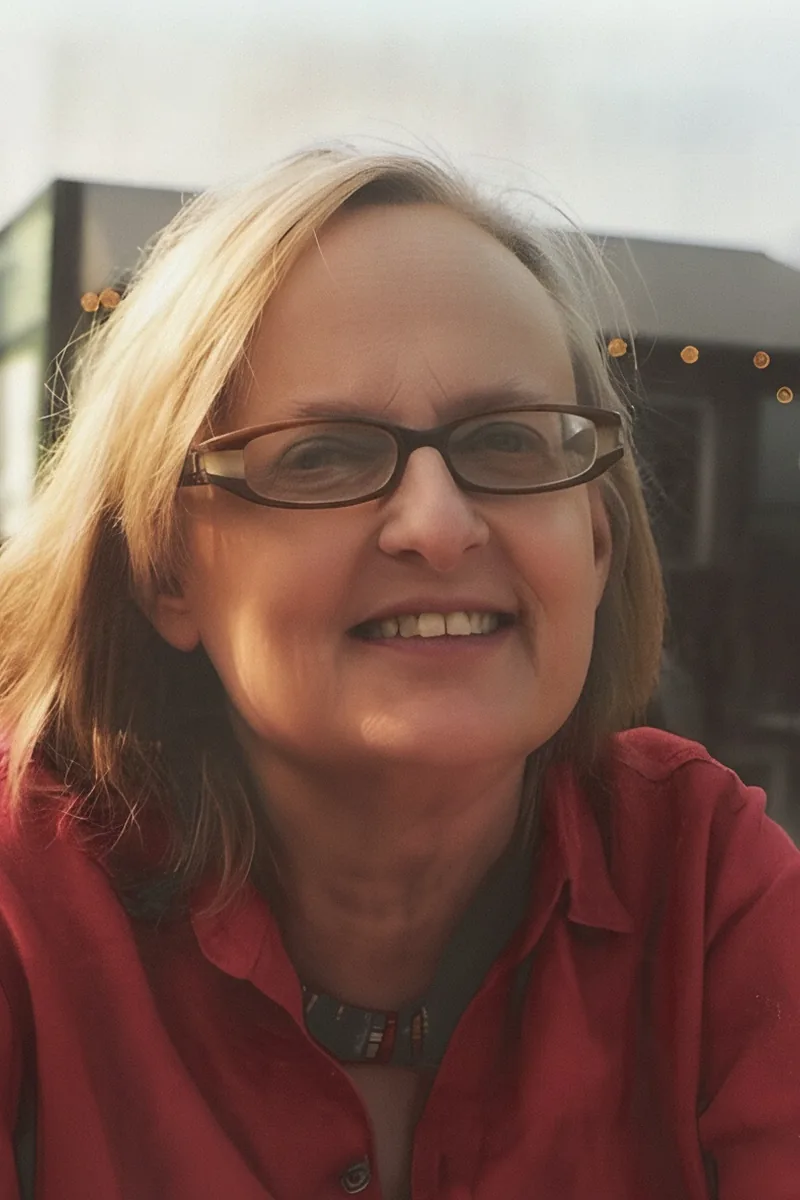
Lisa's history degree and published scholarly work mean she's done the kind of primary source analysis and argumentative writing that AP Euro's DBQ and LEQ sections actually test — not just studied it, but practiced it professionally across multiple publications. She zeroes in on teaching students how to build a thesis around periodization and continuity-and-change questions, where vague answers about "what happened" get replaced with precise claims about why it mattered. Rated 4.9 by students.
From the Renaissance through the Cold War, AP European History demands that students trace political, intellectual, and economic developments across centuries while writing tightly argued essays under pressure. Rayhan's Duke history training gave him deep familiarity with European historiography, and his classroom teaching experience means he knows how to make the Reformation or the Congress of Vienna click for students preparing for the AP exam.
Ethan's environmental science and public policy degree trained him to analyze how economic forces, ideological movements, and institutional decisions interact — the same kind of multi-causal thinking AP Euro rewards on every essay. He applies that analytical framework to periods like the Industrial Revolution's social upheaval or the political calculus behind European imperialism, showing students how to build arguments that weave together evidence rather than just list events. Rated 5.0 by students.
From the Renaissance through the Cold War, AP European History covers centuries of political upheaval, intellectual revolution, and social transformation. Todd approaches the course thematically — linking, say, Enlightenment philosophy to the French Revolution to nineteenth-century nationalism — so students can handle the exam's comparison and causation questions without relying on rote memorization. His graduate education at the University of Chicago built the analytical habits this kind of historical reasoning requires.
I am most passionate about helping people learn history, social sciences, and mathematics. I also assist with standardized test prep, primarily with the Reading and Writing sections of the exams. In my spare time, I enjoy photography, hiking and other outdoor activities, and reading about philosophy, evolutionary biology, and human history.
Christian's political science degree gives him a structural lens for the power struggles that run through AP Euro — whether it's the consolidation of absolutist monarchies, the ideological clashes of the French Revolution, or the Cold War division of the continent. He teaches students to read those events as political arguments rather than isolated facts, which is exactly the kind of thinking that translates into strong exam essays.
Teaching literature at the college level means Zachary has spent years tracing how European intellectual movements — the Enlightenment, Romanticism, modernism — shaped and were shaped by the political upheavals AP Euro covers. His Columbia writing training is especially useful for the exam's essay components, where crafting a tight, evidence-driven argument under pressure matters as much as knowing the history. Rated 5.0 by students.
Arthur's economics degree gives him an unusual angle on AP European History — he naturally gravitates toward the economic engines behind major shifts, whether it's how the Commercial Revolution fueled state consolidation or how interwar hyperinflation destabilized Weimar Germany. That economic lens is especially useful for the LEQ, where students who can weave together political, social, and economic causation consistently outscore those who stick to a single thread. His 36 ACT speaks to the reading and analytical writing chops the exam's document-based questions demand.
The AP European History exam asks students to do more than recall dates — it tests whether they can dissect a document set and construct an argument about, say, how Enlightenment thought reshaped political legitimacy. Brian approaches these document-based questions the way he approaches any analytical problem: identify the claim, weigh the evidence, and build a tight logical structure. His interdisciplinary background spanning economics and the humanities makes him especially effective at connecting Europe's intellectual, economic, and political threads.
From the Renaissance through the Cold War, AP European History demands that students track political, intellectual, and cultural shifts across centuries and dozens of countries. Elena's art history studies at Vanderbilt give her an unusual advantage here — she can explain the Enlightenment through its philosophy and its paintings simultaneously. She also tackles the exam's document-based questions by teaching students to group evidence around a defensible thesis.
From the Congress of Vienna to European integration, AP European History requires students to trace how political, economic, and intellectual forces reshaped an entire continent. Mat minored in History at NYU and has traveled extensively through Europe, which gives him a firsthand sense of the cultural contexts behind events like the Reformation or the rise of nationalism. He teaches students to write DBQs that build arguments rather than just summarize documents.
From the Protestant Reformation's political fallout to the ideological roots of the French Revolution, AP European History covers centuries of interconnected change — and the exam expects students to explain those connections in structured, argumentative essays. Ethan unpacks how to handle the SAQ, LEQ, and DBQ formats by teaching students to think in terms of continuity and change over time rather than isolated events. His economics and policy background at UChicago is especially useful for the modern period's questions about industrialization, imperialism, and political ideology.
Alexander is finishing a European history degree at Vanderbilt, which means he's currently immersed in the same material AP Euro students are tackling — from the political fragmentation of the Reformation era to the ideological battles of the twentieth century. His 1510 SAT reflects strong analytical reading and writing skills, the same toolkit students need to dissect a DBQ prompt and construct a thesis under exam conditions. He's especially effective at teaching students how to move from knowing what happened to explaining why it mattered.
Studying social services administration at the University of Chicago means Kathleen is steeped in the institutional and policy frameworks that grew directly out of European history — welfare states, labor movements, the political responses to industrialization and inequality that AP Euro exams love to test. She brings that lens to tutoring, teaching students to read social and political upheaval as interconnected systems rather than isolated events. Rated 5.0 by students.
Testimonials
Because the right AP European History tutor makes all the difference.
Average Session Rating – Based on 3.4M Learner Ratings
Practice AP European History
Free practice tests, flashcards, and AI tutoring for AP European History
Nearby AP European History Tutors
Other Fayetteville Tutors
Related Social Studies Tutors in Fayetteville
Frequently Asked Questions
Varsity Tutors matches Fayetteville students with expert AP European History tutors for 1-on-1 instruction. We pair each student with a tutor based on their specific needs, learning style, and goals.
Whether you need homework help, exam prep, or want to get ahead, our AP European History tutors are ready to help.
Common challenges include gaps from earlier material, difficulty with specific concepts, and trouble applying learning to new problems. These issues can snowball quickly in AP European History.
A tutor identifies where you're stuck, fills in gaps, and provides targeted practice. The 1-on-1 format means you get help exactly where you need it.
Tutors work with your student's actual coursework—homework assignments, class notes, and upcoming tests. This keeps tutoring directly relevant to what's happening in the classroom.
When you share information about your student's school and curriculum, we can match you with a tutor who has relevant experience.
All tutors complete background checks, credential verification, and teaching evaluation. Many of our AP European History tutors hold advanced degrees or have years of teaching experience.
You can review tutor profiles to find someone with the right background for your student's level and needs.
Many students see improved grades within a few weeks, along with better understanding of AP European History concepts and more confidence tackling challenging material.
Tutors track progress and adjust their approach to ensure continued improvement.
Most students benefit from 1-2 sessions per week. More frequent sessions help if your student is significantly behind or has an important exam coming up.
Your tutor can recommend a schedule based on your student's specific situation and goals.
Tutoring is purchased in packages of hours, with rates varying by tutor experience. Varsity Tutors offers several options to fit different budgets and needs.
You can discuss pricing during your consultation to find what works best.
Your tutor will assess where your student is, discuss goals, and start working on priority areas. Most students bring current homework or upcoming test material to focus on.
By the end, you'll have a clear sense of how the tutor can help and a plan for moving forward.
Let’s find your perfect tutor
Answer a few quick questions. We’ll recommend the right plan and match you with a top 5% tutor.