Award-Winning AP European History Tutors
serving Charlotte, NC
AP European History
Tutors in Charlotte
Private 1-on-1 tutoring, weekly live classes for academic support, test prep & enrichment, practice tests and diagnostics, and more to elevate grades and test scores.
Based on 3.4M Learner Ratings
UniversitiesSchools & Universities
DeliveredHours Delivered
ProficiencyGrowth in Proficiency
Who needs tutoring?
No obligation. Takes ~1 minute.

From the Renaissance through the Cold War, AP European History demands that students trace intellectual and political threads across centuries. Alyssa unpacks how movements like the Enlightenment or nationalism didn't just happen in a vacuum — she connects philosophical ideas to the social conditions that produced them, which is exactly the kind of thinking the exam's stimulus-based questions test. Her psychology training sharpens that focus on how ideas shape human behavior at scale.
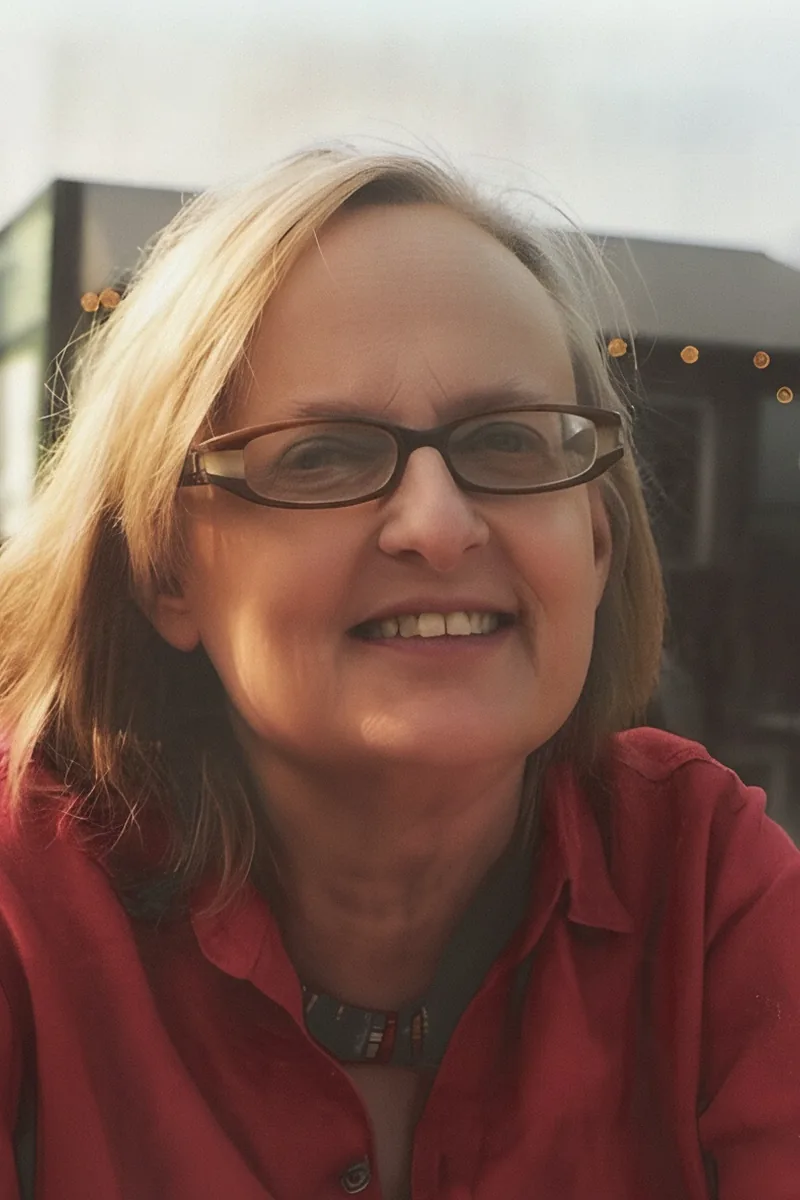
Lisa's history degree and published scholarly work mean she's done the kind of primary source analysis and argumentative writing that AP Euro's DBQ and LEQ sections actually test — not just studied it, but practiced it professionally across multiple publications. She zeroes in on teaching students how to build a thesis around periodization and continuity-and-change questions, where vague answers about "what happened" get replaced with precise claims about why it mattered. Rated 4.9 by students.
From the Renaissance through the Cold War, AP European History demands that students trace political, intellectual, and economic developments across centuries while writing tightly argued essays under pressure. Rayhan's Duke history training gave him deep familiarity with European historiography, and his classroom teaching experience means he knows how to make the Reformation or the Congress of Vienna click for students preparing for the AP exam.
From the Protestant Reformation to the Congress of Vienna to postwar European integration, AP European History covers an enormous arc — and the exam expects students to argue about it, not just recall it. Stephanie earned her history degree at Cornell and is currently a graduate student at Penn, so she approaches each period through the kind of historiographical lens that makes essay responses more sophisticated. She unpacks primary sources with students so they learn to read for perspective and bias, not just content.
From the Renaissance papacy to the collapse of the Soviet bloc, AP European History demands that students trace causation across centuries — not just recall events but explain why the Congress of Vienna produced a different Europe than the Treaty of Versailles. Max's history degree and classroom teaching experience give him a deep command of the periodization and thematic reasoning the College Board tests. He spends particular time on the document-based question, teaching students to group sources and build arguments under time pressure.
From the Renaissance through the Cold War, AP European History demands that students trace political, intellectual, and economic threads across centuries. Nathan digs into the causation and continuity-and-change skills the exam prioritizes, teaching students to build arguments that link events like the Reformation to Enlightenment thought rather than treating each unit as isolated content. His Rice history training means he reads primary sources alongside students, not just summaries.
The best part of tutoring is promoting students' long-term success through mastery of reading, writing, math, study skills, organization, and critical thinking. In particular, I enjoy helping students build test-taking strategies and core skills for the ACT, SAT, and other admissions tests. I also support pre-K and K-12 students learning math and ELA. Before joining Varsity, I tutored in a Reading and Writing Lab for university students with learning disabilities where I earned a College Reading and Learning Association (CRLA) certification. Since joining Varsity, I have completed continuing education through the Lastinger Center for Learning. I graduated from the University of Arizona in 2021 with a BA in Cultural Anthropology. In addition to tutoring, I have worked as an instructional aide for an art program, an applied anthropology researcher, and a nonprofit program coordinator. Out of all these experiences, I enjoy tutoring the most. I look forward to working with you!
JF's core training is in math and computer science at Stanford, not history — but his perfect 1600 SAT reflects the kind of precise analytical reading and argumentative writing that AP Euro's document-based and long-essay questions actually test. He approaches European history the way a problem-solver would, breaking complex periods like the Reformation or the rise of nationalism into clear cause-and-effect structures students can use to build exam-ready arguments. Rated 5.0 by students.
From the Protestant Reformation to the Congress of Vienna to post-WWII integration, AP European History demands that students trace ideological shifts across centuries. Solange's IB program at Coral Reef immersed her in exactly this kind of analytical history, and she brings a knack for turning dense political and intellectual movements into clear cause-and-effect chains that stick on exam day.
I'm a current PhD student in the history department at Georgetown University who is also an experienced instructor with Varsity Tutors. As a recipient of several degrees, the most recent being a BA in history from Hillsdale College and a MA in Russian, East European, and Eurasian Studies from Stanford University, I have long sought to make teaching my profession. Meanwhile, as a volunteer grade school teacher and a tutor with this company, I have many years' experience helping students reach their full potential. I am capable of teaching students in many subjects, including reading, mathematics, test prep, Latin, and especially writing, history, and literature. In practice, I am comfortable adapting to different learning styles and specific student preferences. Outside of my academic and career endeavors, I enjoy cooking, reading, and listening to and making music.
Jeff's master's in history from UC Berkeley, where he taught both history and philosophy to undergraduates, gave him the kind of dual training AP Euro rewards — understanding not just what happened during periods like the Reformation or the French Revolution, but the philosophical ideas driving those events. His philosophy degree from Princeton sharpens how he teaches argumentation, showing students how to construct the layered, thesis-driven essays that score well on the DBQ and LEQ.
Psychology majors learn to trace how ideas about human nature, authority, and social order evolved — and those are the same intellectual currents running through AP Euro, from Enlightenment rationalism to nineteenth-century nationalism to Cold War ideology. Erin leans into that overlap, teaching students to see historical movements as shifts in how people understood themselves and their governments. Her tutoring style is interactive and discussion-driven, which pays off especially when preparing for the essay components.
From the Renaissance patronage system to the ideological fractures of the Cold War, AP European History covers an enormous sweep that rewards students who can think thematically rather than chronologically. Laura's own deep reading in art, literature, and cultural history gives her a way into the material that connects political shifts to the cultural moments students can actually visualize and remember.
From the Congress of Vienna to European integration, AP European History requires students to trace how political, economic, and intellectual forces reshaped an entire continent. Mat minored in History at NYU and has traveled extensively through Europe, which gives him a firsthand sense of the cultural contexts behind events like the Reformation or the rise of nationalism. He teaches students to write DBQs that build arguments rather than just summarize documents.
Scoring well on AP European History means mastering the document-based question, and that's fundamentally an exercise in reading critically and writing persuasively under time pressure. Vivian's dual background in history and English composition is a natural fit — she unpacks primary sources with students, then teaches them to weave that evidence into a coherent, thesis-driven essay. Her 36 ACT reflects the same analytical rigor she brings to European history content from the Renaissance through the Cold War.
Testimonials
Because the right AP European History tutor makes all the difference.
Average Session Rating – Based on 3.4M Learner Ratings
Practice AP European History
Free practice tests, flashcards, and AI tutoring for AP European History
Nearby AP European History Tutors
Other Charlotte Tutors
Related Social Studies Tutors in Charlotte
Frequently Asked Questions
AP European History spans from 1450 to the present, organized around six major themes: intellectual and cultural developments, states and their interactions, individual and society, national identity, economic and commercial interactions, and technology and innovation. The course emphasizes understanding historical causation, evaluating sources, and analyzing change over time—skills tested heavily on the AP exam. A tutor can help you master the chronology and thematic connections that tie these periods together, making the material more manageable.
The exam is 3 hours and 15 minutes long, consisting of 55 multiple-choice questions (40% of your score), short-answer questions, a document-based question (DBQ), and a long essay question (60% combined). The multiple-choice section tests factual knowledge and interpretation, while the essays require you to construct arguments supported by specific historical evidence. Many students struggle with time management across these sections—a tutor can help you develop pacing strategies and practice writing essays under timed conditions.
Students often struggle with three main areas: memorizing the vast amount of content spanning 500+ years, understanding how to analyze primary sources effectively, and organizing thoughts quickly under timed essay conditions. Charlotte students in large school districts may find it challenging to get individualized feedback on essay writing, which is crucial for the DBQ and long essay sections. Personalized tutoring allows you to focus on your specific weak areas—whether that's a particular time period, source analysis skills, or essay structure—rather than reviewing content you've already mastered.
Score improvement depends on where you're starting and how consistently you engage with tutoring. Students who work with a tutor typically see gains by focusing on high-impact areas: mastering the document-based question format, improving essay thesis statements, and filling content gaps in weaker time periods. The national average AP European History score is around 2.5 out of 5, so reaching a 3 (passing) or 4+ (college credit) is very achievable with targeted preparation. Regular practice tests, strategic review, and personalized feedback on your writing are the most effective ways to see measurable improvement.
The DBQ requires you to analyze 7 documents and construct an argument that addresses the prompt directly. A strong approach involves: reading the prompt first, quickly skimming all documents to identify perspectives and bias, grouping documents thematically, and building an argument that uses at least 6 documents as evidence. Many students rush through document reading or fail to address the prompt's specific requirements—common mistakes that cost points. A tutor can walk you through the DBQ process repeatedly, helping you practice sourcing (explaining why a document is useful), contextualization, and thesis development until these steps become automatic.
Ideally, you should begin focused exam preparation 8-10 weeks before the May exam date, though starting earlier gives you more flexibility to address content gaps. If you're taking the course for the first time, consistent tutoring throughout the year helps you build understanding incrementally rather than cramming at the end. For Charlotte students balancing multiple AP courses, a tutor can help you create a realistic study schedule that prioritizes high-value activities like practice essays and timed practice tests over passive review.
Strong AP essays require a clear, specific thesis that directly answers the prompt, body paragraphs with topic sentences and historical evidence, and consistent analysis connecting evidence back to your argument. Many students write factually accurate essays that lack strong argumentation or spend too much time on background at the expense of analysis. Working with a tutor on essay structure, thesis development, and evidence selection—with feedback on actual practice essays—is one of the most effective ways to raise your score. Aim to write at least 10-15 full practice essays under timed conditions before the exam.
Varsity Tutors connects you with expert tutors in Charlotte who have deep knowledge of AP European History, including its content, exam format, and effective test-taking strategies. When you get matched with a tutor, you can discuss your specific goals—whether that's improving essay writing, mastering the DBQ, or filling content gaps—so your sessions are tailored to your needs. Many tutors have experience helping students across Charlotte's 31 school districts succeed on the AP exam, so they understand the local curriculum and pacing.
Let’s find your perfect tutor
Answer a few quick questions. We’ll recommend the right plan and match you with a top 5% tutor.