Award-Winning AP European History Tutors
serving Greensboro, NC
AP European History
Tutors in Greensboro
Private 1-on-1 tutoring, weekly live classes for academic support, test prep & enrichment, practice tests and diagnostics, and more to elevate grades and test scores.
Based on 3.4M Learner Ratings
UniversitiesSchools & Universities
DeliveredHours Delivered
ProficiencyGrowth in Proficiency
Who needs tutoring?
No obligation. Takes ~1 minute.

From the Renaissance through the Cold War, AP European History demands that students trace intellectual and political threads across centuries. Alyssa unpacks how movements like the Enlightenment or nationalism didn't just happen in a vacuum — she connects philosophical ideas to the social conditions that produced them, which is exactly the kind of thinking the exam's stimulus-based questions test. Her psychology training sharpens that focus on how ideas shape human behavior at scale.
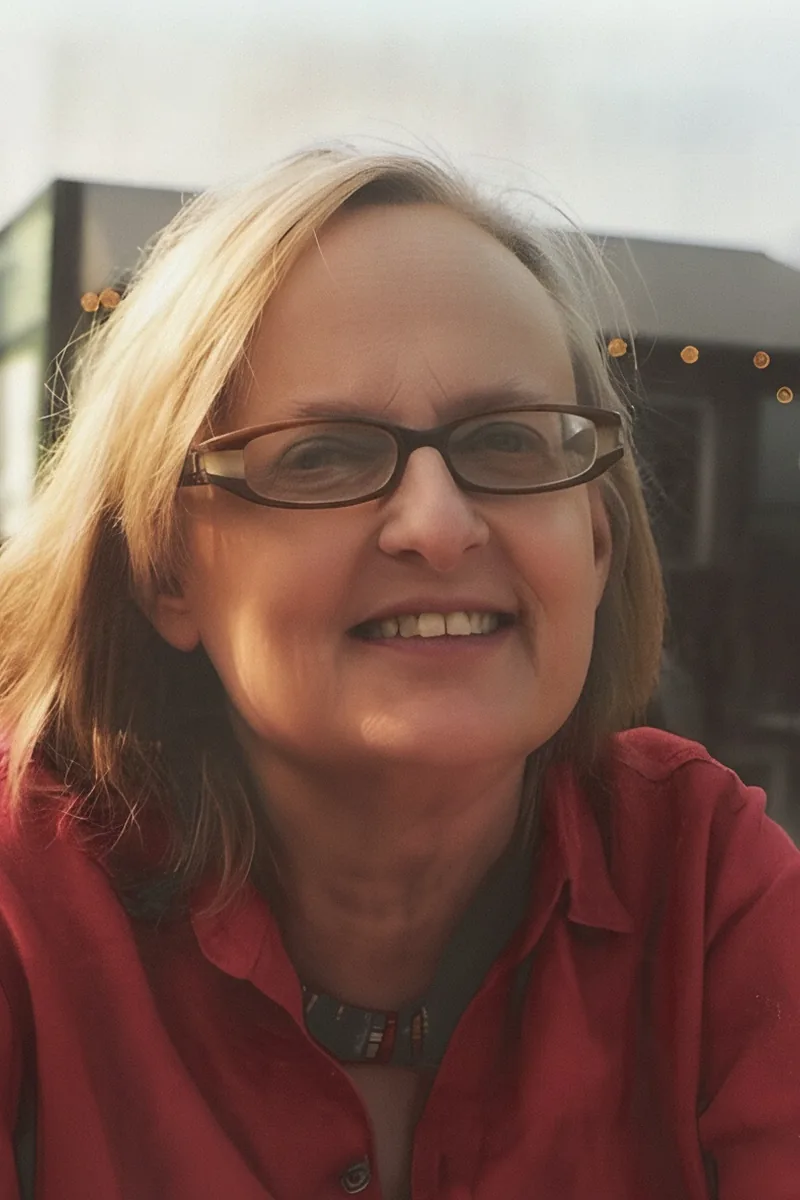
Lisa's history degree and published scholarly work mean she's done the kind of primary source analysis and argumentative writing that AP Euro's DBQ and LEQ sections actually test — not just studied it, but practiced it professionally across multiple publications. She zeroes in on teaching students how to build a thesis around periodization and continuity-and-change questions, where vague answers about "what happened" get replaced with precise claims about why it mattered. Rated 4.9 by students.
From the Renaissance through the Cold War, AP European History demands that students trace political, intellectual, and economic developments across centuries while writing tightly argued essays under pressure. Rayhan's Duke history training gave him deep familiarity with European historiography, and his classroom teaching experience means he knows how to make the Reformation or the Congress of Vienna click for students preparing for the AP exam.
Christian's political science degree gives him a structural lens for the power struggles that run through AP Euro — whether it's the consolidation of absolutist monarchies, the ideological clashes of the French Revolution, or the Cold War division of the continent. He teaches students to read those events as political arguments rather than isolated facts, which is exactly the kind of thinking that translates into strong exam essays.
Studying social services administration at the University of Chicago means Kathleen is steeped in the institutional and policy frameworks that grew directly out of European history — welfare states, labor movements, the political responses to industrialization and inequality that AP Euro exams love to test. She brings that lens to tutoring, teaching students to read social and political upheaval as interconnected systems rather than isolated events. Rated 5.0 by students.
Gabrielle's biology training at Binghamton might seem unrelated to AP Euro, but scientific thinking — tracing how one development triggers the next — maps surprisingly well onto questions about, say, how the Scientific Revolution undermined Church authority or how Malthusian ideas shaped nineteenth-century social policy. She leans into those science-history intersections while drilling the cause-and-effect essay structure the exam actually rewards. Rated 4.9 by students.
From the Renaissance through the Cold War, AP European History covers an enormous arc that the exam tests through causation and continuity-and-change essays. Ryan's approach is to anchor each period around a core tension — religious versus secular authority, nationalism versus empire, market liberalism versus state control — so students can write arguments that connect specifics to larger themes. His economics training is especially useful for unpacking mercantilism, the Industrial Revolution, and postwar integration.
From the Renaissance papacy to the Congress of Vienna to EU integration, AP European History demands that students trace cause and effect across centuries of political, intellectual, and economic change. Nathan brings supplementary primary sources and historical texts into sessions, giving students the kind of document analysis practice that directly translates to stronger DBQ and LEQ scores.
Jeff's master's in history from UC Berkeley, where he taught both history and philosophy to undergraduates, gave him the kind of dual training AP Euro rewards — understanding not just what happened during periods like the Reformation or the French Revolution, but the philosophical ideas driving those events. His philosophy degree from Princeton sharpens how he teaches argumentation, showing students how to construct the layered, thesis-driven essays that score well on the DBQ and LEQ.
From the Renaissance papacy to the Congress of Vienna to postwar integration, AP European History asks students to track how political, intellectual, and economic forces interact across centuries. Ryan's MA concentrated in history with coursework that included European historiography, so he unpacks these connections with real depth rather than surface-level review. He's particularly sharp on essay strategy — teaching students to use specific evidence like treaty provisions or Enlightenment texts to build arguments that score well on the DBQ and LEQ.
From the Protestant Reformation's political ripple effects to the causes behind industrialization, AP European History demands that students trace causation across centuries. Austin's genuine interest in European history means he digs into the "why" behind events, teaching students to build the kind of analytical arguments the LEQ and DBQ require.
Tessa is double-majoring in both Mathematics and History, which means she's unusually comfortable toggling between quantitative reasoning and the kind of interpretive argumentation AP Euro demands — analyzing how demographic data, trade patterns, or inflation rates shaped events like the Thirty Years' War or the fall of the ancien régime. That analytical rigor shows up in how she teaches essay construction, pushing students to build claims grounded in specific evidence rather than broad narrative summaries. Rated 4.9 by students.
Teaching literature at the college level means Zachary has spent years tracing how European intellectual movements — the Enlightenment, Romanticism, modernism — shaped and were shaped by the political upheavals AP Euro covers. His Columbia writing training is especially useful for the exam's essay components, where crafting a tight, evidence-driven argument under pressure matters as much as knowing the history. Rated 5.0 by students.
Hello, students! My name is Pranav, and I'm so excited to be tutoring with Varsity Tutors. I have vast experience tutoring both personally and professionally; I've held officer positions in several nonprofit organizations, including STEMpals and The Do Re Mi Project, teaching courses ranging from biology to music theory. I took 16 AP courses throughout high school with all 5s, and I earned a 1570 on my SAT, so I'm pretty familiar with the majority of academic subjects! I have experience tutoring any and all skill levels, and I'm always open to expanding my horizons, so please don't hesitate to book your first lesson. I'm looking forward to meeting with you!
AP European History's essay prompts demand that students weave together political, intellectual, and social developments across centuries — the kind of synthesis that requires genuine understanding, not just a timeline. Varun's CLEP preparation in both Western Civilization I and II gave him a structured framework spanning the Renaissance through the Cold War. He teaches students to identify turning points like the Treaty of Westphalia or the Congress of Vienna and explain why they reshaped the European order.
Testimonials
Because the right AP European History tutor makes all the difference.
Average Session Rating – Based on 3.4M Learner Ratings
Practice AP European History
Free practice tests, flashcards, and AI tutoring for AP European History
Nearby AP European History Tutors
Other Greensboro Tutors
Related Social Studies Tutors in Greensboro
Frequently Asked Questions
Varsity Tutors matches Greensboro students with expert AP European History tutors for 1-on-1 instruction. We pair each student with a tutor based on their specific needs, learning style, and goals.
Whether you need homework help, exam prep, or want to get ahead, our AP European History tutors are ready to help.
Common challenges include gaps from earlier material, difficulty with specific concepts, and trouble applying learning to new problems. These issues can snowball quickly in AP European History.
A tutor identifies where you're stuck, fills in gaps, and provides targeted practice. The 1-on-1 format means you get help exactly where you need it.
Tutors work with your student's actual coursework—homework assignments, class notes, and upcoming tests. This keeps tutoring directly relevant to what's happening in the classroom.
When you share information about your student's school and curriculum, we can match you with a tutor who has relevant experience.
All tutors complete background checks, credential verification, and teaching evaluation. Many of our AP European History tutors hold advanced degrees or have years of teaching experience.
You can review tutor profiles to find someone with the right background for your student's level and needs.
Many students see improved grades within a few weeks, along with better understanding of AP European History concepts and more confidence tackling challenging material.
Tutors track progress and adjust their approach to ensure continued improvement.
Most students benefit from 1-2 sessions per week. More frequent sessions help if your student is significantly behind or has an important exam coming up.
Your tutor can recommend a schedule based on your student's specific situation and goals.
Tutoring is purchased in packages of hours, with rates varying by tutor experience. Varsity Tutors offers several options to fit different budgets and needs.
You can discuss pricing during your consultation to find what works best.
Your tutor will assess where your student is, discuss goals, and start working on priority areas. Most students bring current homework or upcoming test material to focus on.
By the end, you'll have a clear sense of how the tutor can help and a plan for moving forward.
Let’s find your perfect tutor
Answer a few quick questions. We’ll recommend the right plan and match you with a top 5% tutor.