Award-Winning Reading Tutors
serving Staten Island, NY
Reading
Tutors in Staten Island
Private 1-on-1 tutoring, weekly live classes for academic support, test prep & enrichment, practice tests and diagnostics, and more to elevate grades and test scores.
Based on 3.4M Learner Ratings
UniversitiesSchools & Universities
DeliveredHours Delivered
ProficiencyGrowth in Proficiency
Who needs tutoring?
No obligation. Takes ~1 minute.
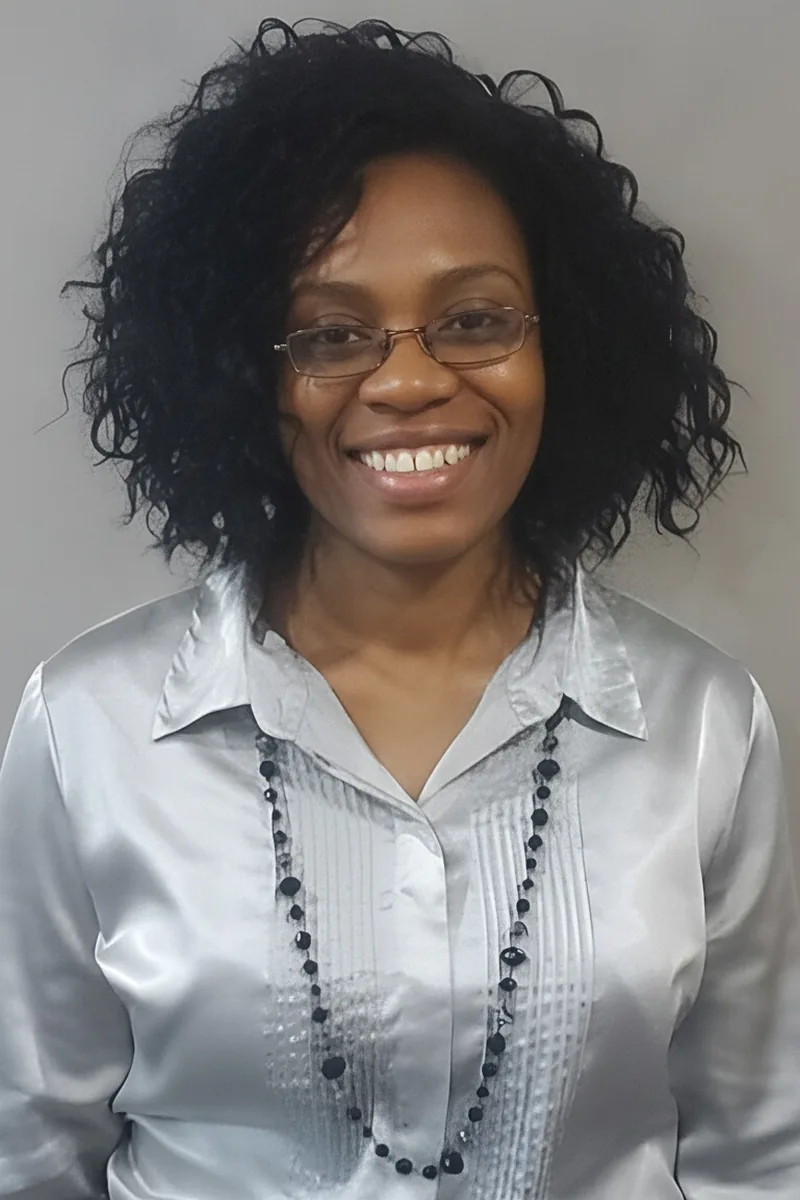
Between law school case briefs and graduate-level research at Stony Brook, Monique has spent years extracting key arguments from dense, complicated texts. She teaches reading comprehension as an active skill — annotating, summarizing paragraphs in the margins, and distinguishing main ideas from supporting details. Her 5.0 rating speaks to how well that approach translates for students at every level.
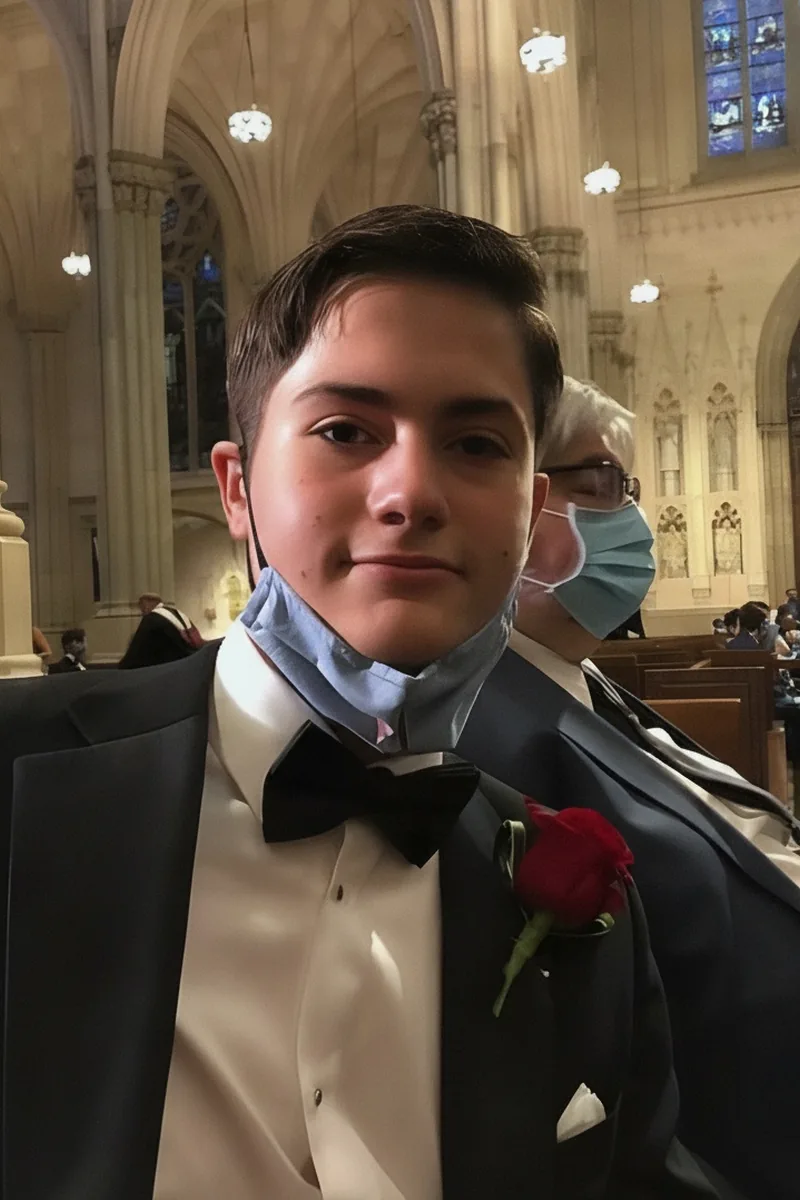
An avid reader himself, Martin teaches students to slow down and interact with a text rather than skim for surface-level answers. He walks through strategies like annotation, identifying main arguments, and distinguishing evidence from opinion — skills that transfer across every subject a student will encounter.
I am excited to tutor because I know what it feels like to get stuck and I'm happy to help people who encounter challenges in their studies. Though frustrating, there's something really valuable about these moments when you're not quite getting it. It means that by proceeding slowly and practicing a new concept or strategy you'll learn a new skill that will stick with you even more because it took some work to master. My focus in teaching is in French and, more broadly, language arts. I studied French Literature at New York University because of my passion for literature, creativity, and expression. Learning a new language opens up more than just a new literary world but also lets you tap into another set of human experiences, expression, emotion, history. I think the greatest reward in teaching French and language arts is helping a student connect with a text and gain access to someone else's experience, what someone else thought important enough to write down, and then how this connection can help reframe the reader's thinking - deepening, challenging, or shifting the ways our own thought. Apart from the study and appreciation of literature, learning a language at a linguistic level is invaluable. It promotes human connection, openness of thought, and pushes one's own capacity and diversity of self-expression.
I am a college student at Northeastern University Honors College majoring in cell and molecular biology on the premed track. I have four years of private tutoring experience in several subjects for elementary and middle school students. However, I am especially passionate about English and science and I look forward to sharing this passion with my students! I believe that building a strong foundation will eventually lead to academic exellence. Along with staying academically competitive, I want to foster a love of learning within my students that will nourish their curiosity and keep them inspired.
I am bilingual (Russian and English) and know conversational German and Korean.
I am currently a student at Macaulay Honors at Brooklyn College, part of the BAMD Program. Teaching has always been a favorite past time of mine, and I tend to excel in science and writing classes. My goal is to help everyone I can with these subjects and more!
I'm a rising senior at Boston University. I enjoy tutoring students and helping them grow towards their goal and succeed. During my spare time, I enjoy playing volleyball and learning how to cook.
Strong readers don't just decode words — they identify an author's argument, evaluate evidence, and make inferences across paragraphs. Reid approaches reading comprehension as a teachable skill set, breaking down strategies for annotating, summarizing, and distinguishing main ideas from supporting details. His experience spans middle school through college-level texts.
Struggling readers often need something more targeted than "read more" — they need someone who can pinpoint whether the breakdown is in decoding, fluency, vocabulary, or comprehension and then address that specific gap. Liz's Master's in Special Education gave her diagnostic tools and intervention strategies for students with learning disabilities, dyslexia, and ADHD, and she's applied them across a wide range of learners in Boston classrooms. She builds reading stamina and comprehension simultaneously, using texts matched to each student's level and interests.
Strong readers don't just decode words — they predict, question, and connect ideas across paragraphs in real time. Sabira teaches these active-reading strategies explicitly, whether a student is working through a challenging novel or tackling standardized-test passages, building the kind of comprehension habits that transfer across every subject.
Years of working across French, Spanish, and English literary traditions as a comparative literature major trained Sash to read slowly and strategically — pulling apart syntax, identifying an author's rhetorical moves, and distinguishing main arguments from supporting detail. For students who rush through passages or struggle with comprehension on timed assignments, Sash teaches specific annotation and active-reading techniques that build real retention.
A semester at Madrid's top-ranked university, reading upper-level history and literature alongside native Spanish speakers, forced Meghan to become the kind of reader who squeezes meaning from every sentence — a habit that stuck long after she came back to Northwestern. Her daily work as a trade journalist means she's still doing it professionally: scanning dense source material, pulling out what matters, and cutting through jargon. She brings that same precision to teaching students how to actively track what a passage is saying and why.
Stronger reading starts with knowing what to do when a passage doesn't make sense on the first try — rereading strategically, annotating for structure, and distinguishing main claims from supporting details. Jennifer, who scored a 1510 on the SAT and is completing her Secondary English MAT at NYU, teaches these active reading habits so students can tackle dense or unfamiliar texts with confidence.
Trained as a historian, Vivian reads critically by habit — identifying an author's argument, weighing evidence, and spotting assumptions. She teaches those same active-reading strategies to students, whether they're working through a dense nonfiction passage or a novel chapter, so they move from surface comprehension to genuine analysis. A 36 ACT composite reflects how well these skills translate to high-stakes reading tasks.
A Government major at Harvard might seem like an unlikely reading tutor, but Richard's coursework lives in dense political theory, Supreme Court opinions, and policy arguments where misreading a single clause changes the entire interpretation. That habit of precise, skeptical reading — plus a year as a math course assistant where he learned to break complex material into digestible steps — gives him a structured way to teach students how to track an author's argument and pull meaning from challenging texts.
History and political science majors read differently — they learn to weigh competing accounts, spot bias in a source before finishing the first paragraph, and figure out what an author is arguing even when the thesis isn't spelled out. Rachel brings that analytical reading habit to her sessions, teaching students to ask questions of a text instead of passively absorbing it. Her 1510 SAT and 34 ACT point to the kind of disciplined, strategic reading she passes along.
Strong reading comprehension isn't about speed — it's about knowing how to identify a passage's main claim, track how evidence supports it, and distinguish between what the author says and what the author implies. Michelle teaches these active-reading strategies explicitly, building the kind of annotation habits that transfer to standardized tests, textbooks, and independent reading alike.
A Yale history of science degree means Christopher spent four years reading primary sources where every word choice carries weight — 18th-century medical treatises, dense scientific correspondence, arguments built in language that doesn't hand you its meaning easily. That training in careful, deliberate reading now shapes how he teaches comprehension: breaking a passage into its moving parts, identifying what the author is actually claiming, and building the habit of re-reading with a specific question in mind rather than scanning for surface-level answers.
Narrative Medicine — Camille's graduate focus at Columbia — is essentially the study of how reading shapes understanding, training clinicians to pick up on structure, voice, and meaning in everything from patient histories to literary essays. That interdisciplinary lens, layered on top of an African and African American Studies degree from Duke, means she teaches reading as an act of interpretation: identifying what an author emphasizes, what they leave out, and how the two work together to build meaning. Rated 5.0 by students.
Strong readers don't just decode words — they track how an author's argument or narrative develops across paragraphs and chapters. Vansh teaches active reading strategies like annotation, summarization checkpoints, and inference-building that turn passive page-turning into genuine comprehension. These same skills carried him to a 1550 SAT, where reading speed and accuracy matter enormously.
Stronger reading starts with knowing what to do when a passage stops making sense — whether that means rereading for context clues, breaking down sentence structure, or identifying an author's purpose. Samantha teaches these active-reading strategies explicitly so students stop passively scanning pages. She adapts her methods depending on whether a student struggles with comprehension, fluency, or vocabulary.
After majoring in English at Dartmouth and spending a year teaching language skills in France, Ben developed a sharp sense for how different readers get stuck — whether it's decoding unfamiliar vocabulary in context, tracking an author's argument across paragraphs, or distinguishing main ideas from supporting details. He adapts his approach based on where comprehension actually breaks down.
Philosophy training at the undergraduate level taught Nicolas to read like a lawyer before he ever got to Columbia Law — picking apart an author's premises, spotting where an argument leans on assumption instead of evidence, and reconstructing the logic of a passage from the inside out. He brings that analytical reading habit to students who need to move past surface-level comprehension and start engaging with what a text is actually doing. His 35 ACT and 1530 SAT reflect how well that approach translates to timed, high-stakes reading.
Strong reading isn't just decoding words — it's learning to track an author's argument, spot rhetorical moves, and make inferences from context. Harry's background in theater and literature at Northwestern trained him to dissect texts closely, from identifying tone shifts in a passage to unpacking figurative language. He uses associative memory techniques to make comprehension strategies stick long after the session ends.
Critical reading is really about slowing down enough to notice what a text is doing — how an author builds an argument, deploys tone, or buries a counterpoint in a subordinate clause. Sarah's interdisciplinary training in English and ethnomusicology at Oberlin and Harvard means she approaches texts analytically across genres, from dense nonfiction to literary prose. She teaches students to annotate with purpose and read for structure, not just content.
Princeton's Woodrow Wilson School demanded constant engagement with policy briefs, foreign affairs journals, and dense analytical writing — the kind of reading where missing a single qualifying clause changes the entire argument. Kaya brings that precision to reading sessions, teaching students how to slow down inside complex sentences, track what an author is actually claiming versus merely describing, and build the kind of active reading habits that transfer across subjects. Holds a 5.0 rating.
Studying religion and philosophy at Pomona meant Miranda spent four years reading texts where every word carries weight — sacred scriptures, dense philosophical arguments, competing interpretations of the same passage separated by centuries. That training in close, careful reading translates directly to teaching students how to track an author's reasoning, weigh what's stated against what's implied, and hold multiple meanings in mind at once. Rated 5.0 by students.
Chelsey reads for a living — literally. As a script reader for an Off-Broadway theatre company, she evaluates texts daily for coherence, subtext, and storytelling craft. That professional habit translates directly into teaching students how to identify main ideas, make inferences, and track an author's purpose across challenging passages.
Co-founding a tutoring program for refugee youth in Durham meant Jenny had to teach reading to students who were simultaneously learning English itself — an experience that sharpened her ability to break comprehension into concrete, teachable steps rather than assuming background knowledge. Her anthropology training at Duke, where every ethnography demanded careful attention to voice, framing, and unstated cultural assumptions, gave her a close-reading toolkit she now applies to everything from grade-level fiction to standardized test passages. Rated 5.0 by students.
Teaching 1st through 3rd graders to read — phonics, fluency, comprehension, all at once — was Victoria's daily work for three years in the classroom. That experience gave her a toolkit for every stage of reading development, whether a child is sounding out CVC words or learning to make inferences from a chapter book.
Formulating an opinion about a text — not just summarizing it — is where David pushes students, drawing on his liberal arts background in literature, comparative literature, and critical writing. He walks readers through how to track an author's argument, weigh word choice, and articulate what they actually think about a passage in clear, specific language.
Strong reading comprehension isn't just about understanding vocabulary — it's about tracking an author's argument, identifying tone shifts, and distinguishing main ideas from supporting details. Samantha teaches annotation strategies and active-reading techniques that turn passive skimming into genuine engagement with a text.
A double major in Music and Theater means Margot has spent years reading scripts, libretti, and literary analyses where every word carries intention — training that sharpened her ability to teach students how to follow an author's choices rather than passively absorbing sentences. She connects that performance-based close reading to everyday comprehension skills like identifying tone, tracking arguments, and making inferences from context clues. Rated 4.9 by students.
Stronger reading starts with active engagement — annotating, questioning the author's purpose, and predicting what comes next instead of passively scanning words on a page. Brittaney builds these habits by choosing texts matched to each student's interest level and gradually increasing complexity. Her dual background in arts and international relations gives her a wide range of nonfiction and literary material to draw from.
An avid reader across genres and a skilled writer with three arts degrees, Rachel approaches reading as a conversation between the reader and the text — teaching students to ask what the author is doing with structure, word choice, and argument before deciding what a passage means. Her background in research and editing sharpens that instinct further, since both demand the kind of precise, skeptical reading where you can't afford to skim. Rated 5.0 by students.
Years of translating Arabic texts and studying Near Eastern primary sources at Princeton trained Alexandra to read with a translator's precision — weighing every word choice, tracking how meaning shifts across sentences, and catching nuance that a surface-level skim would miss. She brings that same disciplined attention to teaching comprehension, walking students through how to follow an author's logic and pull meaning from context rather than guessing. Her 1540 SAT reflects the kind of careful, strategic reading she teaches.
Breaking down a dense passage starts with knowing what to look for — main argument, author's purpose, how evidence functions within a paragraph. Tim's literature and philosophy background means he can teach students to read actively and critically, pulling apart texts the way a writer would rather than skimming for surface-level details.
Strong reading comprehension isn't a single skill — it's the ability to track main ideas, make inferences, and evaluate an author's purpose simultaneously. Jeanette teaches active reading strategies like annotation, summarization, and questioning that turn passive page-scanning into genuine understanding. Her psychology background gives her insight into how attention and memory affect comprehension, which shapes how she structures each session.
Testimonials
Because the right Reading tutor makes all the difference.
Average Session Rating – Based on 3.4M Learner Ratings
Other Staten Island Tutors
Related English Tutors in Staten Island
Frequently Asked Questions
Many students struggle with reading comprehension, particularly when tackling complex texts, identifying main ideas versus supporting details, or understanding an author's purpose and tone. Others find it difficult to engage with material that doesn't immediately interest them, or they read too quickly without retaining information. Personalized 1-on-1 instruction can address these specific challenges by helping students develop targeted strategies for different types of texts and building confidence in their reading skills.
A reading tutor helps students move beyond surface-level comprehension to analyze themes, symbolism, character development, and authorial intent. They guide students through the process of developing strong thesis statements, supporting arguments with textual evidence, and organizing their thoughts into coherent essays. With personalized feedback on their writing, students learn to construct compelling literary arguments and develop their own analytical voice.
During an initial session, a tutor will assess your current reading level, identify specific areas where you need support, and learn about your learning style and goals. They might ask you to read a passage aloud or silently, discuss what you understood, and explore any obstacles you face—whether that's vocabulary, pacing, or comprehension. This foundation allows the tutor to create a personalized plan tailored to your needs.
Yes. Varsity Tutors connects you with tutors who work with students across all reading levels, from struggling readers working on foundational skills to advanced students preparing for standardized tests or AP Literature exams. Whether a student needs help with phonics and fluency, grade-level comprehension, or sophisticated textual analysis, tutors can adjust their approach to meet each student where they are.
Standardized reading sections—like those on the SAT, ACT, or state assessments—require specific strategies for managing time, identifying main ideas quickly, and answering inference questions accurately. Tutors help students practice these skills with actual test passages, teach time-management techniques, and build the confidence needed to perform well under pressure. Personalized instruction focuses on your particular weak areas rather than generic test prep.
Strong vocabulary is essential for comprehension, and tutors help students learn new words in context rather than through isolated memorization. They teach strategies like using context clues, understanding word roots and prefixes, and recognizing how word choice affects meaning and tone. By building vocabulary alongside comprehension skills, students gain the tools to tackle increasingly challenging texts with confidence.
Varsity Tutors makes it easy to connect with expert reading tutors in your area. You can share your specific needs—whether it's help with grade-level reading, literary analysis, test prep, or building foundational skills—and get matched with a tutor who has experience working with students like yours. The process is straightforward, and you can discuss your goals and schedule before your first session.
Progress depends on the student's starting point and the specific skills being developed, but many students see noticeable improvements in comprehension and confidence within a few weeks of consistent tutoring. Building stronger reading habits and strategies is an ongoing process, and tutors work with students to set realistic milestones and track growth over time. Regular practice between sessions, combined with personalized instruction, accelerates results.
Let’s find your perfect tutor
Answer a few quick questions. We’ll recommend the right plan and match you with a top 5% tutor.