Award-Winning Reading Tutors
serving Brooklyn, NY
Reading
Tutors in Brooklyn
Private 1-on-1 tutoring, weekly live classes for academic support, test prep & enrichment, practice tests and diagnostics, and more to elevate grades and test scores.
Based on 3.4M Learner Ratings
UniversitiesSchools & Universities
DeliveredHours Delivered
ProficiencyGrowth in Proficiency
Who needs tutoring?
No obligation. Takes ~1 minute.
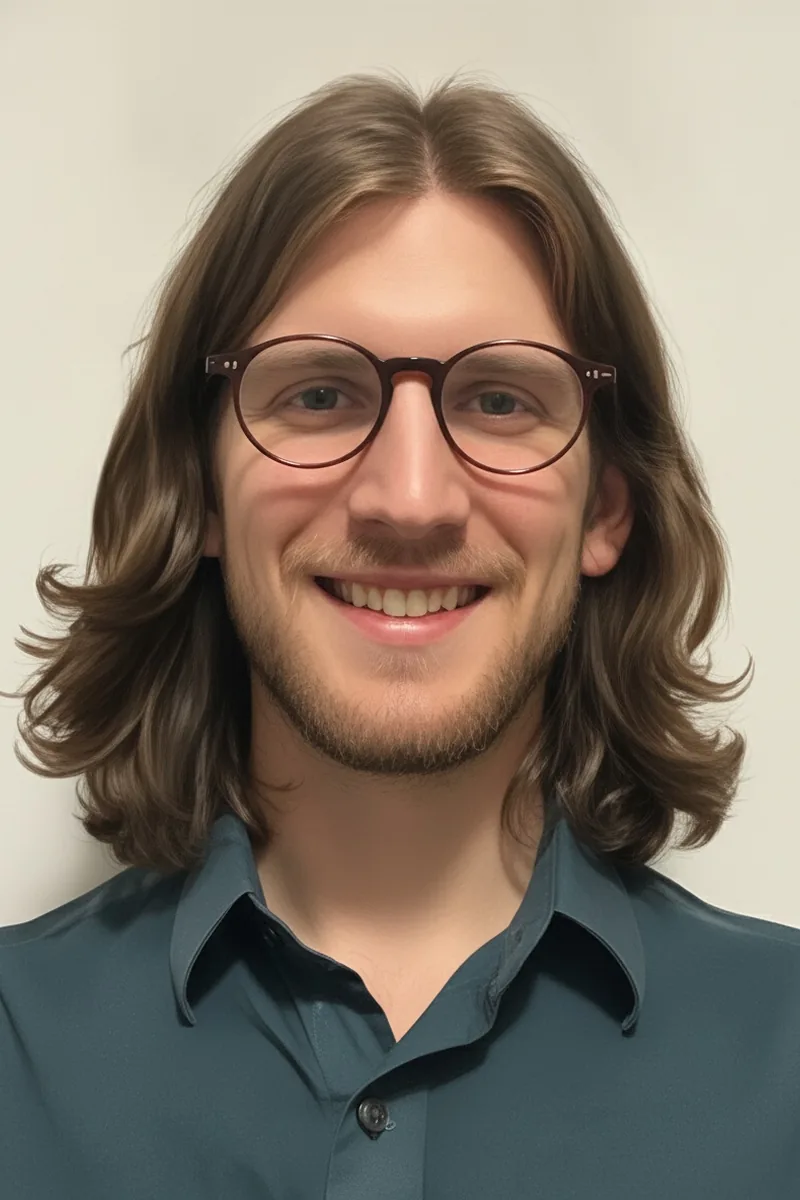
Strong readers don't just decode words — they identify an author's argument, evaluate evidence, and make inferences across paragraphs. Reid approaches reading comprehension as a teachable skill set, breaking down strategies for annotating, summarizing, and distinguishing main ideas from supporting details. His experience spans middle school through college-level texts.

Strong readers don't just decode words — they predict, question, and connect ideas across paragraphs in real time. Sabira teaches these active-reading strategies explicitly, whether a student is working through a challenging novel or tackling standardized-test passages, building the kind of comprehension habits that transfer across every subject.
History and political science majors read differently — they learn to weigh competing accounts, spot bias in a source before finishing the first paragraph, and figure out what an author is arguing even when the thesis isn't spelled out. Rachel brings that analytical reading habit to her sessions, teaching students to ask questions of a text instead of passively absorbing it. Her 1510 SAT and 34 ACT point to the kind of disciplined, strategic reading she passes along.
Strong reading isn't just decoding words — it's learning to track an author's argument, spot rhetorical moves, and make inferences from context. Harry's background in theater and literature at Northwestern trained him to dissect texts closely, from identifying tone shifts in a passage to unpacking figurative language. He uses associative memory techniques to make comprehension strategies stick long after the session ends.
After majoring in English at Dartmouth and spending a year teaching language skills in France, Ben developed a sharp sense for how different readers get stuck — whether it's decoding unfamiliar vocabulary in context, tracking an author's argument across paragraphs, or distinguishing main ideas from supporting details. He adapts his approach based on where comprehension actually breaks down.
Studying religion and philosophy at Pomona meant Miranda spent four years reading texts where every word carries weight — sacred scriptures, dense philosophical arguments, competing interpretations of the same passage separated by centuries. That training in close, careful reading translates directly to teaching students how to track an author's reasoning, weigh what's stated against what's implied, and hold multiple meanings in mind at once. Rated 5.0 by students.
Strong reading comprehension isn't just about understanding vocabulary — it's about tracking an author's argument, identifying tone shifts, and distinguishing main ideas from supporting details. Samantha teaches annotation strategies and active-reading techniques that turn passive skimming into genuine engagement with a text.
Breaking down a dense passage starts with knowing what to look for — main argument, author's purpose, how evidence functions within a paragraph. Tim's literature and philosophy background means he can teach students to read actively and critically, pulling apart texts the way a writer would rather than skimming for surface-level details.
Strong reading comprehension isn't a single skill — it's the ability to track main ideas, make inferences, and evaluate an author's purpose simultaneously. Jeanette teaches active reading strategies like annotation, summarization, and questioning that turn passive page-scanning into genuine understanding. Her psychology background gives her insight into how attention and memory affect comprehension, which shapes how she structures each session.
Before a student can excel in any subject, they need to extract meaning from complex text quickly and accurately. Mona tackles reading comprehension by teaching active annotation — marking claims, circling unfamiliar vocabulary in context, and summarizing paragraphs in the margins. Her background spans scientific literature and humanities, so she's comfortable coaching readers through dense nonfiction and narrative alike.
Struggling readers often need someone who can pinpoint exactly where comprehension breaks down — whether it's unfamiliar vocabulary, complex sentence structure, or difficulty making inferences. Elizabeth spent two years as a Teach for America teacher building these diagnostic skills, and she applies them to everything from grade-level passages to standardized test reading sections.
Struggling readers often just need someone to show them that a text is a conversation, not a wall. Elena unpacks passages by teaching annotation strategies, context-clue vocabulary building, and the difference between what a text says and what it implies. Her 1580 SAT score speaks to the kind of active reading comprehension she teaches.
As an anthropologist, Martin has spent his career extracting meaning from complex, unfamiliar texts — ethnographies, primary source documents, dense theoretical arguments. He applies that same skill set to reading instruction, teaching students how to identify main ideas, track an author's reasoning, and make inferences that go beyond what's stated on the page.
Years of script analysis — breaking down a playwright's intentions line by line — trained Matt to read with extreme precision, tracking how tone shifts, how arguments develop, and what details matter most. He applies that same close-reading discipline to help younger readers build comprehension strategies for everything from fiction passages to informational texts.
Strong readers don't just decode words — they track an author's argument, anticipate shifts in tone, and distinguish main ideas from supporting details in real time. Megan teaches these active reading strategies explicitly, giving students concrete techniques like annotation systems and paragraph-level summarizing that transfer across every subject. Her 1590 SAT score is partly a product of exactly these skills applied under pressure.
A political science background means Tracy spent years dissecting dense arguments across disciplines — legislation, case law, academic theory — and extracting what matters. She teaches students to identify an author's purpose, track how an argument develops across paragraphs, and distinguish between evidence and assertion.
Stronger reading starts with asking better questions about a text — not just "what happened" but "why did the author choose this word, this detail, this order." Rachel's theater background trained her to dissect texts at the sentence level, a skill she now applies to building comprehension, inference, and analytical reading habits.
Columbia's nonfiction MFA program meant Sarah spent two years dissecting how essays, memoirs, and longform journalism are built — the structural choices writers make to guide a reader from one idea to the next. That writer's lens gives her a different way of teaching comprehension: she shows students how to recognize an author's moves, from shifts in tone to buried thesis statements, so unfamiliar passages feel less like puzzles and more like conversations.
Struggling readers often aren't missing effort — they're missing strategies. Alison's TESOL Master's from Fordham trained her in the specific techniques that unlock comprehension: annotation, predicting, identifying main idea versus supporting detail, and making inferences from context clues. She spent six years applying these methods in Brooklyn classrooms with students across a wide range of reading levels.
Colin's years teaching elementary and middle school gave him deep experience with the specific moments where reading development stalls — decoding multisyllabic words, making inferences, or tracking a main idea across longer passages. As a certified special educator, he identifies the root of a comprehension gap rather than just re-assigning the same passage. He tailors each session around a student's learning style, whether that means graphic organizers, read-alouds, or hands-on annotation strategies.
Strong readers don't just decode words — they track tone shifts, question unreliable narrators, and connect what they're reading to what came before. Taylor's drama background at NYU Tisch means she approaches texts the way an actor approaches a script: line by line, asking what every detail is doing and why. That analytical habit transfers directly to reading comprehension at any level.
Scoring a perfect 1600 on the SAT required the kind of precise, evidence-based reading comprehension that transfers directly to any text — identifying an author's purpose, tracking how an argument develops, and distinguishing between what's stated and what's implied. Eric breaks down dense passages into manageable pieces so students can answer questions with confidence rather than guesswork.
Fluency in five languages — Latin, Spanish, Italian, German, and English — means Jamie has learned to read across wildly different sentence structures, and that cross-linguistic awareness sharpens how he teaches English reading comprehension. His special education master's trained him to break down the decoding and meaning-making process for learners who need each step made explicit, from tracking pronoun references to identifying what a paragraph is actually doing within a larger text. He applies low-pressure, context-rich methods that build confidence alongside skill.
Years of script work at Brown's MFA conservatory trained Ted to read like an actor — dissecting a passage for intent, subtext, and the specific weight each word carries in context. He brings that same granular attention to reading sessions, teaching students to track what's happening beneath the surface of a text rather than skimming for plot points. Rated 5.0 by students.
Studying Classical Civilization at Loyola Chicago's Honors program meant Dustin spent four years pulling meaning from texts that don't hand you anything — ancient sources full of unfamiliar conventions, layered allusions, and arguments that require genuine patience to untangle. He brings that same deliberate, line-by-line attention to reading sessions, teaching students how to track what a writer is doing structurally so they can handle passages that feel intimidating instead of shutting down. His 34 ACT and 1530 SAT reflect the kind of disciplined reading he builds in his students.
Carmen approaches reading comprehension as active interrogation of a text — teaching students to annotate for argument structure, identify authorial purpose, and distinguish between what a passage says and what it implies. Her own training in literary analysis across multiple genres makes her especially effective with close-reading exercises and passage-based questions.
I am a PhD student at SUNY Downstate Medical Center studying Molecular & Cellular Biology. I graduated from Columbia University with a Bachelor of Arts in Biochemistry. I love to teach, mostly because of the impact of great teachers throughout my academic career. I think learning can be really fun, if teachers think outside the box and really challenge themselves to find novel ways of conveying concepts to students. Tried and true methods are always great in the classroom, but to work one-on-one with students requires a different approach. It's also critical that learning be something students want, not grudgingly sit through, so that their academic success is tied to their ability to understand and engage the material, not to what score they get on an arbitrary test.
Becoming a stronger reader means moving beyond decoding words on a page to actively questioning what an author is doing and why. Philip teaches strategies like annotation, summarization, and inference-building that give students concrete tools for tackling both fiction and nonfiction. His interdisciplinary background — spanning linguistics, writing, and the arts — means he can connect reading material to a student's own interests in ways that make comprehension feel less like a chore.
Translating her Italian thesis at Vassar and then spending a Fulbright year teaching English to Sicilian high schoolers meant Emily was constantly moving between languages — a process that sharpens your awareness of how sentences carry meaning, how context fills gaps, and how tone shifts between the lines. She brings that translator's eye to reading sessions, teaching students to slow down and notice what a passage is doing structurally before jumping to answer questions about it. Her 1520 SAT and 4.8 rating speak to how well that precision pays off.
Years of working with elementary-age kids at after-school programs and shelters in Brooklyn and Boston gave Steve a front-row seat to how reading comprehension develops — and where it stalls. He breaks down strategies for decoding unfamiliar vocabulary in context, identifying main ideas, and making inferences, tailoring his approach to each student's current reading level.
A master's in Comparative Literature means Johnna spends her days moving between English and Spanish texts, constantly adjusting how she reads based on a writer's language, style, and era — from American Romantic essays to contemporary Latin American fiction. She brings that flexibility into reading sessions, teaching students how to adapt their approach depending on whether they're facing a narrative passage, an argument, or an unfamiliar genre. Her 1520 SAT reflects the kind of deliberate, strategic reading she breaks down for others.
For younger or struggling readers, the biggest barrier is often confidence — they've decided they're "not a reading person" before they even start. Liz's experience working with students with ADHD and learning disabilities means she knows how to adapt pacing, choose high-interest passages, and teach active reading strategies like annotation and prediction that make comprehension feel achievable.
Strong readers don't just decode words — they track tone shifts, question unreliable narrators, and connect details across chapters. Adam treats reading as active investigation, teaching students to annotate with purpose and ask the kinds of questions that turn passive skimming into genuine comprehension. His own reading life spans philosophy, literature, and science, so he's comfortable across a wide range of texts.
Struggling readers often stall not because they lack vocabulary but because they haven't learned to track an author's argument or anticipate where a passage is heading. Sima teaches active reading strategies — annotation, summarizing in the margins, identifying tone shifts — that turn passive skimming into genuine comprehension. Her dual background in science and anthropology means she's comfortable with both informational and narrative texts.
William's English degree and voracious reading habit — books are one of his go-to pastimes — trained him to notice how writers build meaning through structure, word choice, and argument, skills he now unpacks for students tackling everything from fiction passages to persuasive nonfiction. His 1600 SAT reflects the kind of precise, strategic reading where every sentence gets weighed for purpose rather than skimmed for gist.
Struggling readers often aren't missing vocabulary — they're missing a strategy for tracking what a passage is actually doing paragraph by paragraph. Lindsey spent five years teaching reading comprehension in New York City public schools, where she developed annotation techniques that train students to identify main arguments, shifts in tone, and supporting evidence in real time. Her background spans fiction, nonfiction, and test-based passages alike.
Spending summers running a camp in Nice means Adam reads in two languages daily — switching between French novels and English lesson plans in a way that sharpens his eye for how sentences actually work, from syntax cues to vocabulary in context. His history and French background makes him especially effective at teaching students to pull meaning from nonfiction passages, where tracking an author's argument matters more than memorizing individual details.
Reading comprehension improves fastest when students learn to ask specific questions of a text — Who is the audience? What's the author conceding? Where does the argument actually start? Melissa, trained in historical source analysis at Berkeley, applies these same interrogation techniques to everything from standardized test passages to novels. She's especially effective with students who can decode words fine but struggle to synthesize meaning across paragraphs.
Computational linguistics research means Justin spends his days analyzing how language actually works — how sentences build meaning, how context shifts interpretation, how readers unconsciously process structure before they ever get to content. That technical understanding of language mechanics, combined with fluency in Spanish and German, gives him a unique angle on teaching comprehension: he can explain *why* a passage is confusing, not just push students to re-read it harder.
Strong reading comprehension isn't just about understanding vocabulary — it's about tracking an author's argument across paragraphs and recognizing when tone or purpose shifts. Robert, who studied both journalism and Romance languages, teaches students to annotate actively: marking claims, evidence, and transitions so they can answer questions about structure and inference without rereading entire passages.
Testimonials
Because the right Reading tutor makes all the difference.
Average Session Rating – Based on 3.4M Learner Ratings
Other Brooklyn Tutors
Related English Tutors in Brooklyn
Frequently Asked Questions
During your first session, a tutor will assess your current reading level, understand your specific goals (whether that's improving comprehension, analyzing literature, or preparing for standardized tests), and identify areas where you'd like to focus. This personalized approach helps create a customized learning plan tailored to your needs, so every session builds on your strengths and addresses your challenges.
Tutors use evidence-based strategies like active reading techniques, annotation methods, and guided questioning to help you understand and retain what you read. They also provide immediate feedback on your comprehension, help you identify main ideas versus supporting details, and teach you how to ask yourself the right questions while reading—skills that transfer across all your classes.
Yes. Tutors help you develop strong thesis statements, analyze themes and symbolism in texts, and structure essays that support your interpretations with evidence from the text. With personalized 1-on-1 instruction, you'll receive detailed feedback on your analysis and writing, helping you move beyond summary to deeper critical thinking.
Students often struggle with slow reading speed, difficulty focusing on dense texts, trouble distinguishing between main and supporting ideas, and challenges making inferences or understanding author's purpose. Tutors work with you on strategies to overcome these obstacles, whether through targeted comprehension exercises, vocabulary building, or teaching you how to preview and question texts before diving in.
Absolutely. Tutors help you master the specific reading comprehension formats used on tests like the SAT, ACT, and Regents exams, teaching you time management strategies, how to approach different question types, and how to find evidence in passages quickly and accurately. Personalized instruction means you focus on the question types and passages that challenge you most.
Varsity Tutors connects you with expert tutors who have strong backgrounds in English, literature, and reading instruction. Many have teaching experience, advanced degrees in English or related fields, and proven success helping students improve their reading skills and test scores. Each tutor's expertise is verified to ensure you're getting quality personalized instruction.
Most students benefit from meeting weekly, though the ideal frequency depends on your goals and current level. Even one session per week provides consistent feedback and accountability that accelerates progress. Your tutor can help you determine the right schedule based on whether you're working toward a specific test date, improving grades, or building long-term reading skills.
With over 800 schools across Brooklyn's 103 school districts, reading curricula can vary widely. Varsity Tutors connects you with tutors familiar with different approaches—whether your school emphasizes classic literature, contemporary texts, or specific reading frameworks. Personalized tutoring adapts to your school's expectations and your individual learning style, helping you excel in your specific classroom.
Let’s find your perfect tutor
Answer a few quick questions. We’ll recommend the right plan and match you with a top 5% tutor.