Award-Winning Mechanical Engineering Tutors
serving Brooklyn, NY
Mechanical Engineering
Tutors in Brooklyn
Private 1-on-1 tutoring, weekly live classes for academic support, test prep & enrichment, practice tests and diagnostics, and more to elevate grades and test scores.
Based on 3.4M Learner Ratings
UniversitiesSchools & Universities
DeliveredHours Delivered
ProficiencyGrowth in Proficiency
Who needs tutoring?
No obligation. Takes ~1 minute.
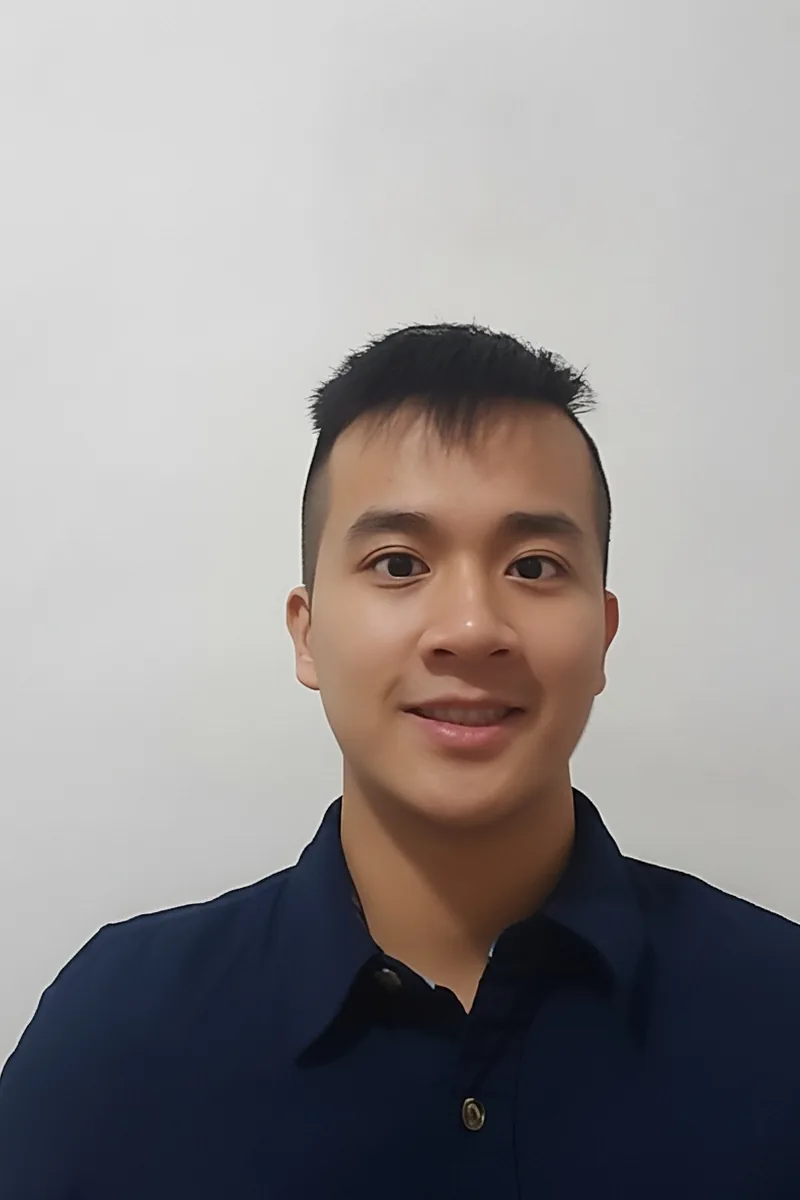
I am a Sophomore college student currently studying Mechanical Engineering at Stony Brook University. I strongly encourage and aims to motivate high school students to become leaders in their careers as engineers, expand the idea of engineering as a means of improving the quality of life, and increase the diversity of the engineering profession.

Statics, dynamics, thermodynamics, fluid mechanics — Sabry's PhD in chemical and biomolecular engineering means he's solved the same problem sets mechanical engineering students are grinding through right now. He teaches the underlying physics and math simultaneously, so students don't just memorize free-body diagram procedures but actually understand why equilibrium equations work and how energy balances connect across systems.
John earned his B.S. in Earth and Environmental Engineering from Columbia, where coursework in thermodynamics, materials science, and structural analysis overlapped heavily with mechanical engineering fundamentals. He's particularly strong at walking students through free-body diagrams and stress-strain relationships, connecting the math to the physical intuition behind each problem.
Trevor earned his B.S. in Mechanical Engineering from Northeastern with hands-on experience in 3D printing, aerospace concepts, and mechanical design. He digs into the coursework students actually struggle with — free-body diagrams in statics, stress-strain analysis, and CAD modeling in SolidWorks — because he's recently completed those same problem sets himself. That proximity to the material means he knows exactly where confusion tends to build.
Currently pursuing his B.S. in Mechanical Engineering at Worcester Polytechnic Institute, David is immersed in the coursework he tutors — statics, dynamics, thermodynamics, and materials science aren't abstract topics for him but active weekly problem sets. He approaches tutoring by walking through free-body diagrams, energy balances, and stress-strain analyses the same way he learned them: one clearly defined step at a time. That proximity to the material means he knows exactly where students tend to get stuck.
Devin's Master of Mechanical Engineering means he's gone deep on the design, analysis, and manufacturing sides of the discipline — not just the intro courses but the advanced material that trips up upperclassmen. He approaches problems in dynamics, machine design, and heat transfer by grounding them in the physical intuition engineers actually use on the job, connecting equations back to what's physically happening in a system.
As a mechanical engineering student at RIT, Martin is neck-deep in the coursework he tutors — statics, thermodynamics, materials science, and CAD modeling in tools like Autodesk Fusion 360. He's especially strong at translating free-body diagrams and stress analysis problems into step-by-step solutions that make the physics intuitive rather than formula-heavy. Students working through sophomore- and junior-level ME courses get someone who just solved these same problem sets.
Studying mechanical engineering at the University of Toronto means Hazem is actively working through the same material — stress analysis, thermodynamic cycles, fluid mechanics, and CAD modeling — that students in intro and intermediate ME courses face. He explains derivations step by step and connects theory to practical design problems, which makes dense topics like Mohr's circle or free-body diagrams far more approachable.
Brian holds a Master's in Mechanical Engineering, which means he's worked through the full gauntlet: statics, dynamics, materials science, machine design, and manufacturing processes. He breaks down complex system analyses — like free-body diagrams with multiple load paths or stress-strain relationships in different materials — into structured problem-solving steps that build real engineering intuition.
Ziad is a certified EIT currently working in the biomedical industry, with both a bachelor's and master's in mechanical engineering and a specialization in fluid mechanics and heat transfer. He tackles everything from statics and dynamics to thermodynamic cycles and CFD concepts, drawing on firsthand experience with FE exam preparation and professional engineering practice. Students preparing for exams or stuck on design projects get someone who's recently navigated the same material at an advanced level.
Having earned his bachelor's in aerospace engineering, Matthew shares deep overlap with mechanical engineering coursework — statics, dynamics, thermodynamics, and materials behavior were core to his own degree. He walks through free-body diagrams, stress-strain analysis, and energy balance problems with the fluency of someone who solved them under exam pressure not long ago.
Roni is studying mechanical engineering at Brown right now, which means he's actively working through the same statics, dynamics, thermodynamics, and materials science problems his students are facing. That firsthand experience lets him explain tricky concepts — like free-body diagrams or stress-strain relationships — using the shortcuts and intuitions he's built from his own coursework and his interest in aerospace design.
Kathryn earned her B.S. in Mechanical Engineering and brings real coursework experience in thermodynamics, fluid mechanics, statics, and materials science to her tutoring sessions. Whether it's setting up free-body diagrams or working through heat transfer problems, she breaks complex engineering concepts into clear, manageable steps. Rated 5.0 by students.
Ava's dual bachelor's in mechanical engineering and energy engineering from Washington University in St. Louis means she didn't just take the standard ME sequence — she extended it into thermodynamic systems, energy conversion, and sustainability applications. She also served as a teaching assistant for multiple engineering courses, giving her practice at unpacking topics like heat transfer and machine design for students who are hitting walls in their own coursework.
Matthew doesn't just teach mechanical engineering — he practices it daily in the automotive industry, working with the same stress analysis, thermodynamics, and material selection problems that show up in undergraduate coursework. He walks students through free-body diagrams, Mohr's circle, and heat transfer calculations with the fluency of someone who applies them under real deadlines. That professional context turns abstract theory into something students can actually visualize.
Statics, dynamics, and mechanics of materials form the backbone of mechanical engineering coursework, and Thomas tackles these through structured problem-solving honed during his own engineering degree. His biomedical engineering training overlaps heavily with mechanical principles — stress analysis, thermodynamics, fluid mechanics — giving him a practical lens that makes abstract force diagrams and energy equations more intuitive.
As a current mechanical engineering grad student, Aaron is immersed daily in thermodynamics, fluid mechanics, and solid mechanics — the exact coursework his students are navigating. He tackles problem sets by connecting governing equations to physical intuition, whether that's a free-body diagram for statics or a control volume analysis for fluids. That proximity to the material means he knows which concepts professors emphasize and where students commonly lose points.
Currently pursuing his Master of Science in Mechanical Engineering at Penn, Larkin is deep in the coursework — thermodynamics, fluid mechanics, materials science, and dynamics — that defines this field. He tackles problem sets alongside his own students, which means his explanations reflect how these concepts are actually tested and applied right now.
Few tutors in mechanical engineering have actually completed a PhD in the field — Bettina has. She digs into thermodynamics, fluid mechanics, materials science, and machine design with the depth of someone who's done original research, and she knows how to translate dense derivations into clear, step-by-step reasoning. Whether it's a statics problem or a heat transfer analysis, she connects theory to the engineering judgment students need to develop.
Testimonials
Because the right Mechanical Engineering tutor makes all the difference.
Average Session Rating – Based on 3.4M Learner Ratings
Nearby Mechanical Engineering Tutors
Other Brooklyn Tutors
Related Science Tutors in Brooklyn
Frequently Asked Questions
Mechanical engineering courses in Brooklyn schools typically follow state standards emphasizing design thinking, CAD proficiency, thermodynamics, and materials science. Personalized instruction can target your specific curriculum requirements—whether that's preparing for AP Physics with engineering applications, supporting coursework at Brooklyn Technical High School, or strengthening foundational skills in statics and dynamics. Tutors work with your existing coursework to fill knowledge gaps and accelerate understanding of complex concepts.
Many students struggle with the transition from theoretical physics to applied engineering—especially visualizing 3D problems and understanding how forces interact in real systems. CAD software proficiency, problem-solving under constraints, and mastering thermodynamic principles are other frequent pain points. One-on-one instruction allows tutors to identify exactly where your understanding breaks down and rebuild those concepts with targeted practice and real-world examples.
In a typical Brooklyn classroom with an 11.7:1 student-teacher ratio, instruction moves at a fixed pace that may not match your learning speed. Personalized tutoring adapts to your specific learning style, lets you spend extra time on challenging topics like fluid mechanics or structural analysis, and provides immediate feedback on problem-solving approaches. You also get one-on-one guidance on projects, design challenges, and exam preparation tailored to your goals.
Yes. Many mechanical engineering programs require proficiency in CAD tools like AutoCAD, SolidWorks, or Fusion 360, and personalized instruction can accelerate your learning in these platforms. Tutors can guide you through modeling techniques, assembly design, simulations, and best practices for engineering drawings—skills that are essential both for coursework and real-world engineering roles.
Your first session focuses on understanding your current level, specific challenges, and goals—whether that's acing an exam, completing a capstone project, or building confidence in a particular topic like thermodynamics or mechanics. The tutor will assess your background in physics and mathematics, review your coursework, and develop a personalized plan to address your needs. This foundation ensures every subsequent session is focused and productive.
Progress in mechanical engineering is tangible: improved exam scores, stronger performance on problem sets, completed design projects, and deeper conceptual understanding. You'll see measurable gains in your ability to solve complex multi-step problems, apply concepts to new scenarios, and communicate engineering solutions clearly. Many students also report increased confidence tackling advanced topics and better preparation for internships or further engineering study.
Varsity Tutors connects you with tutors who have strong backgrounds in mechanical engineering—whether through engineering degrees, industry experience, or advanced coursework in the field. Tutors understand both the theoretical foundations and practical applications of mechanical engineering, and they're skilled at explaining complex concepts in ways that click for students at different levels. Each tutor is vetted to ensure they can effectively support your specific learning needs.
Strong mechanical engineering skills open doors to competitive internships, scholarships, and engineering programs—making expert guidance a worthwhile investment. Personalized tutoring accelerates your learning compared to struggling alone or in large classroom settings, potentially saving you time and frustration while improving your grades and understanding. Beyond immediate academic gains, one-on-one instruction builds problem-solving confidence and engineering intuition that serve you throughout your career.
Let’s find your perfect tutor
Answer a few quick questions. We’ll recommend the right plan and match you with a top 5% tutor.