Award-Winning Mechanical Engineering Tutors
serving Yonkers, NY
Mechanical Engineering
Tutors in Yonkers
Private 1-on-1 tutoring, weekly live classes for academic support, test prep & enrichment, practice tests and diagnostics, and more to elevate grades and test scores.
Based on 3.4M Learner Ratings
UniversitiesSchools & Universities
DeliveredHours Delivered
ProficiencyGrowth in Proficiency
Who needs tutoring?
No obligation. Takes ~1 minute.
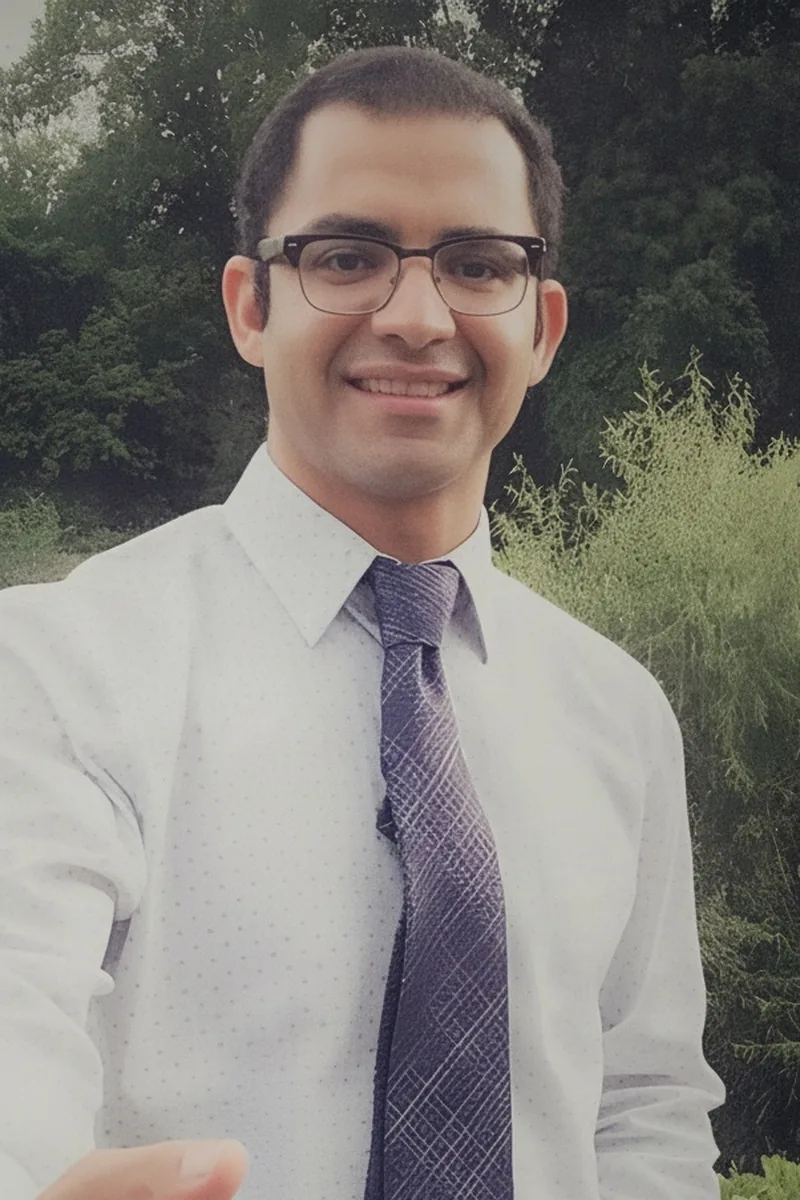
Statics, dynamics, thermodynamics, fluid mechanics — Sabry's PhD in chemical and biomolecular engineering means he's solved the same problem sets mechanical engineering students are grinding through right now. He teaches the underlying physics and math simultaneously, so students don't just memorize free-body diagram procedures but actually understand why equilibrium equations work and how energy balances connect across systems.

John earned his B.S. in Earth and Environmental Engineering from Columbia, where coursework in thermodynamics, materials science, and structural analysis overlapped heavily with mechanical engineering fundamentals. He's particularly strong at walking students through free-body diagrams and stress-strain relationships, connecting the math to the physical intuition behind each problem.
Trevor earned his B.S. in Mechanical Engineering from Northeastern with hands-on experience in 3D printing, aerospace concepts, and mechanical design. He digs into the coursework students actually struggle with — free-body diagrams in statics, stress-strain analysis, and CAD modeling in SolidWorks — because he's recently completed those same problem sets himself. That proximity to the material means he knows exactly where confusion tends to build.
Currently pursuing his B.S. in Mechanical Engineering at Worcester Polytechnic Institute, David is immersed in the coursework he tutors — statics, dynamics, thermodynamics, and materials science aren't abstract topics for him but active weekly problem sets. He approaches tutoring by walking through free-body diagrams, energy balances, and stress-strain analyses the same way he learned them: one clearly defined step at a time. That proximity to the material means he knows exactly where students tend to get stuck.
Devin's Master of Mechanical Engineering means he's gone deep on the design, analysis, and manufacturing sides of the discipline — not just the intro courses but the advanced material that trips up upperclassmen. He approaches problems in dynamics, machine design, and heat transfer by grounding them in the physical intuition engineers actually use on the job, connecting equations back to what's physically happening in a system.
As a mechanical engineering student at RIT, Martin is neck-deep in the coursework he tutors — statics, thermodynamics, materials science, and CAD modeling in tools like Autodesk Fusion 360. He's especially strong at translating free-body diagrams and stress analysis problems into step-by-step solutions that make the physics intuitive rather than formula-heavy. Students working through sophomore- and junior-level ME courses get someone who just solved these same problem sets.
I am a Sophomore college student currently studying Mechanical Engineering at Stony Brook University. I strongly encourage and aims to motivate high school students to become leaders in their careers as engineers, expand the idea of engineering as a means of improving the quality of life, and increase the diversity of the engineering profession.
Caltech's engineering curriculum gave Brian a rigorous grounding in the physics and math that underpin mechanical engineering — thermodynamics, statics, and the differential equations that govern dynamic systems. His dual background in economics and computer science also means he can approach optimization and modeling problems from an analytical angle that pure ME tutors sometimes skip. He's strongest on the quantitative setup side, helping students translate physical scenarios into solvable equations.
Having earned his bachelor's in aerospace engineering, Matthew shares deep overlap with mechanical engineering coursework — statics, dynamics, thermodynamics, and materials behavior were core to his own degree. He walks through free-body diagrams, stress-strain analysis, and energy balance problems with the fluency of someone who solved them under exam pressure not long ago.
Studying Mechanical Engineering at MIT with a concentration in Biomedical Devices, Vania is immersed in the subject daily — from thermodynamics and fluid mechanics to materials science and CAD modeling. She brings that hands-on perspective to tutoring, connecting textbook derivations to real design problems like stress analysis in prosthetics or heat transfer in 3D-printed components. Her engineering coursework gives her a practical fluency that makes abstract concepts click.
Brian holds a Master's in Mechanical Engineering, which means he's worked through the full gauntlet: statics, dynamics, materials science, machine design, and manufacturing processes. He breaks down complex system analyses — like free-body diagrams with multiple load paths or stress-strain relationships in different materials — into structured problem-solving steps that build real engineering intuition.
Notre Dame's Natural Sciences program gave Mark a solid handle on the physics and calculus that mechanical engineering students run into constantly — force analysis, energy systems, and the math connecting them. He approaches engineering problems by grounding them in the underlying science, which is especially useful for students struggling to see why the equations work rather than just how to use them. Rated 4.8 by students.
Nathan earned his B.S. in Mechanical Engineering, so he teaches statics, dynamics, thermodynamics, and materials science from firsthand experience with the coursework. He digs into free-body diagrams and stress-strain analysis with a focus on setting up problems correctly, which is usually where students lose points before they ever touch a calculator.
Currently pursuing his mechanical engineering degree at Carnegie Mellon, Vincent is immersed in statics, dynamics, thermodynamics, and materials science right now — not years ago. He walks through free-body diagrams, stress-strain relationships, and energy balances with the perspective of someone actively solving these problems in one of the country's top-ranked programs.
Currently pursuing a Master's in Mechanical Engineering after completing his bachelor's in the same field, Daniel brings both academic depth and hands-on problem-solving to topics like thermodynamics, fluid mechanics, statics, and material strength analysis. He breaks down complex derivations into the underlying physical intuition, making it easier to see why equations take the form they do. His approach emphasizes pattern recognition across problem types so students can tackle unfamiliar scenarios on exams.
As a mechanical engineering student at Yale, Andrew is immersed in the discipline right now — thermodynamics problem sets, statics analyses, and CAD projects are his weekly routine. That proximity to the material means he knows which concepts trip students up first (free-body diagrams, stress-strain relationships, energy balances) and can walk through them with recent, firsthand clarity.
Statics, dynamics, and mechanics of materials form the backbone of mechanical engineering coursework, and Thomas tackles these through structured problem-solving honed during his own engineering degree. His biomedical engineering training overlaps heavily with mechanical principles — stress analysis, thermodynamics, fluid mechanics — giving him a practical lens that makes abstract force diagrams and energy equations more intuitive.
Kayla is finishing her Mechanical Engineering degree at the University of Georgia, so she's deep in the coursework — free body diagrams in statics, stress-strain analysis, thermodynamic cycles, and fluid mechanics. She tackles problem sets the way a study partner would, walking through the reasoning behind each equation rather than just plugging into formulas. Rated 5.0 by students.
Having started his college career in aerospace engineering before pivoting to biotechnology, Drew spent semesters immersed in statics, dynamics, thermodynamics, and materials science. He walks through free-body diagrams and stress-strain problems with the kind of detail that comes from working through them firsthand, not just reading about them.
Testimonials
Because the right Mechanical Engineering tutor makes all the difference.
Average Session Rating – Based on 3.4M Learner Ratings
Nearby Mechanical Engineering Tutors
Other Yonkers Tutors
Related Science Tutors in Yonkers
Frequently Asked Questions
Varsity Tutors matches Yonkers students with expert Mechanical Engineering tutors for 1-on-1 instruction. We pair each student with a tutor based on their specific needs, learning style, and goals.
Whether you need homework help, exam prep, or want to get ahead, our Mechanical Engineering tutors are ready to help.
Common challenges include gaps from earlier material, difficulty with specific concepts, and trouble applying learning to new problems. These issues can snowball quickly in Mechanical Engineering.
A tutor identifies where you're stuck, fills in gaps, and provides targeted practice. The 1-on-1 format means you get help exactly where you need it.
Tutors work with your student's actual coursework—homework assignments, class notes, and upcoming tests. This keeps tutoring directly relevant to what's happening in the classroom.
When you share information about your student's school and curriculum, we can match you with a tutor who has relevant experience.
All tutors complete background checks, credential verification, and teaching evaluation. Many of our Mechanical Engineering tutors hold advanced degrees or have years of teaching experience.
You can review tutor profiles to find someone with the right background for your student's level and needs.
Many students see improved grades within a few weeks, along with better understanding of Mechanical Engineering concepts and more confidence tackling challenging material.
Tutors track progress and adjust their approach to ensure continued improvement.
Most students benefit from 1-2 sessions per week. More frequent sessions help if your student is significantly behind or has an important exam coming up.
Your tutor can recommend a schedule based on your student's specific situation and goals.
Tutoring is purchased in packages of hours, with rates varying by tutor experience. Varsity Tutors offers several options to fit different budgets and needs.
You can discuss pricing during your consultation to find what works best.
Your tutor will assess where your student is, discuss goals, and start working on priority areas. Most students bring current homework or upcoming test material to focus on.
By the end, you'll have a clear sense of how the tutor can help and a plan for moving forward.
Let’s find your perfect tutor
Answer a few quick questions. We’ll recommend the right plan and match you with a top 5% tutor.