Award-Winning Microbiology Tutors
serving Brooklyn, NY
Microbiology
Tutors in Brooklyn
Private 1-on-1 tutoring, weekly live classes for academic support, test prep & enrichment, practice tests and diagnostics, and more to elevate grades and test scores.
Based on 3.4M Learner Ratings
UniversitiesSchools & Universities
DeliveredHours Delivered
ProficiencyGrowth in Proficiency
Who needs tutoring?
No obligation. Takes ~1 minute.
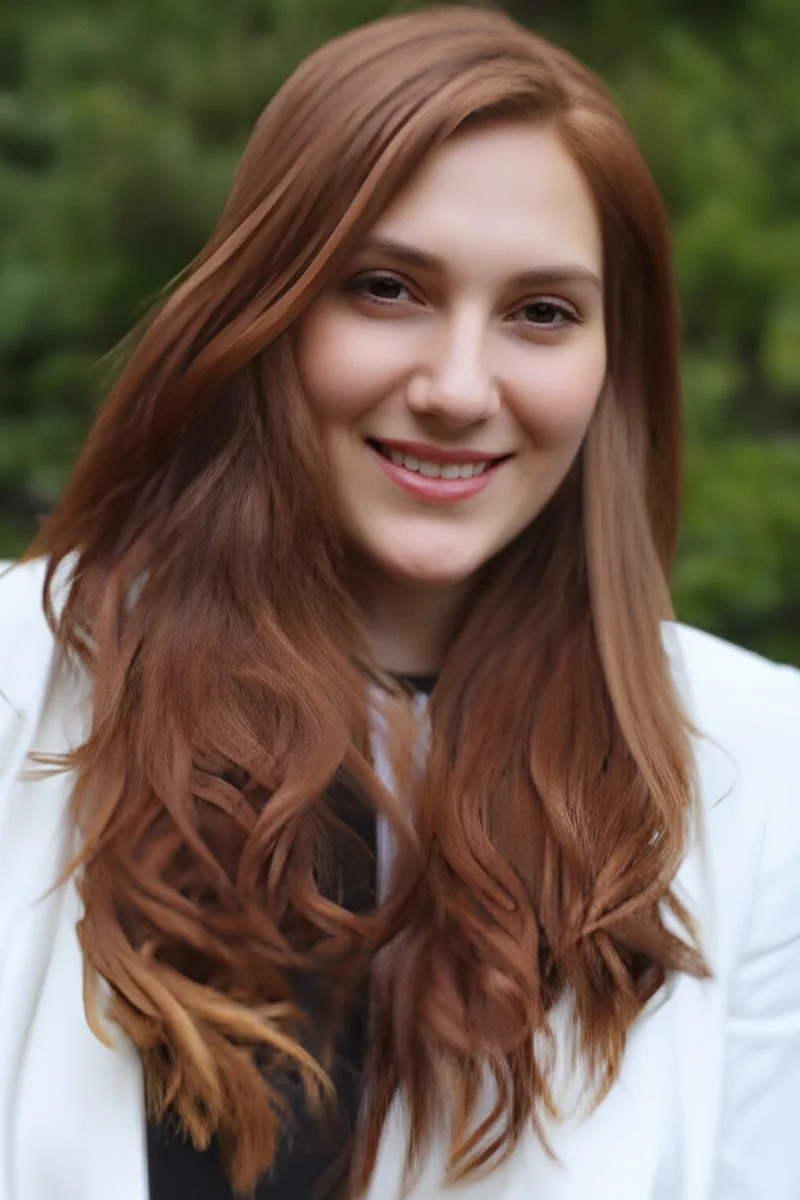
Rebecca tutored microbiology throughout her time at Cornell while completing her biological sciences degree, so she knows exactly where students get lost — distinguishing bacterial metabolic pathways, interpreting Gram stain results, or connecting virulence factors to clinical outcomes. She teaches the subject by building a logical framework around microbial structure and function, which makes memorizing hundreds of organisms far more manageable.
A Harvard-trained biologist with classroom teaching experience, Elizabeth digs into microbial structure, metabolism, and pathogenesis with genuine enthusiasm for the subject. She's particularly strong at connecting micro-level processes — bacterial gene regulation, viral replication cycles — to the bigger biological picture. Her science teaching background means she can unpack dense material without losing the thread.
Her global health minor at Cornell meant Emily spent real time studying how pathogens spread, how immune responses work, and why microbial ecology matters beyond the lab. She digs into topics like bacterial cell structure, viral replication cycles, and antimicrobial resistance with the kind of context that makes memorization-heavy material more intuitive.
I am and have always been committed to education and helping students in any way I can to achieve their academic goals.
I am highly praised by my students and supervisors. Even today I still kept the communication with many students.
Keeping bacterial classification, viral replication cycles, and immune response pathways straight requires more than flashcards — it requires seeing how each mechanism connects to the bigger picture. Sima's pre-med training and current research at Mount Sinai Medical Center give her a clinical lens on microbiology that ties pathogens, host interactions, and lab techniques into a coherent narrative.
Bacterial morphology, Gram staining protocols, and metabolic pathways like the Krebs cycle can blur together without a clear organizational framework. Chijioke holds a master's in biology and digs into microbiology by linking each organism's structure to its function and ecological niche, turning a massive amount of content into a coherent story.
Medical school at SUNY Downstate gave Jay a clinician's perspective on microbiology — he learned bacterial pathogenesis, viral replication cycles, and immune evasion strategies in the context of actual disease. That clinical framing makes it easier to teach concepts like Gram staining classification or antibiotic resistance mechanisms, because there's always a concrete reason behind the science.
Three years teaching high school biology in New Jersey meant Sasha regularly broke down cell structure, genetics, and metabolic processes — the exact building blocks that make microbiology coursework manageable when students hit topics like bacterial classification or microbial growth dynamics. Her master's in science education shapes how she sequences those concepts, layering each new idea onto what a student already understands rather than dumping terminology all at once.
Medical school gave Jeffrey a clinical lens on microbiology — identifying bacterial virulence factors, understanding antibiotic resistance mechanisms, and distinguishing viral replication cycles aren't abstract concepts when you've studied them in the context of patient care. He unpacks topics like gram staining, pathogen classification, and immune evasion strategies by tying them to the infectious disease cases that make the material memorable.
Josef's life sciences research at Cornell gave him hands-on familiarity with microbial systems, from bacterial cell structure and gram staining to pathogenic mechanisms and antibiotic resistance. He teaches microbiology by linking each organism's biology to its clinical or ecological significance, which makes classification and virulence factors far easier to retain.
Garrett's biology degree paired with his coursework in physiology and anatomy means he understands microorganisms in the context of the systems they infect — not as isolated names on a flashcard. He walks through topics like microbial cell structure, pathogen life cycles, and immune evasion strategies by anchoring each organism to the tissue-level damage it actually causes, which turns a massive taxonomy into something students can reason through.
A Stanford Human Biology degree with a concentration in bioinformatics gave Matthew a computational angle on microbiology — he thinks about microbial populations in terms of gene expression data, genomic analysis, and the quantitative patterns underlying concepts like antibiotic resistance and pathogen evolution. That top-down, systems-level perspective is especially useful for students who struggle to see how individual topics like bacterial metabolism or viral replication fit into the bigger biological picture. Rated 4.9 by students.
Understanding bacterial metabolism, viral replication cycles, and immune response pathways requires more than memorizing diagrams — it requires seeing how microorganisms interact with living systems. Li's training in both speech-and-hearing science and medicine gives her a clinical lens that makes microbiology concepts feel relevant and interconnected.
Ryan's master's work in cellular and molecular biology at Stanford, combined with hands-on synthetic biology research at NASA Ames, gave him deep fluency in microbial genetics, metabolic pathways, and laboratory techniques like PCR and gene cloning. He unpacks topics like bacterial pathogenesis and antimicrobial resistance by connecting them to the molecular mechanisms driving each process. Rated 5.0 by students.
Gram stains, bacterial metabolic pathways, and viral replication cycles all require a kind of systematic memorization that falls apart without conceptual scaffolding. Anni's graduate work in biomedical sciences at UMDNJ gave her direct experience with microbial concepts, and she teaches them by linking each organism's structure to its clinical significance.
Sam's Yale degree in Molecular Biophysics and Biochemistry gave him deep exposure to the cellular and molecular mechanisms that microbiology courses demand — membrane transport, metabolic pathways, bacterial genetics, and immune response. He connects these topics to their biochemical underpinnings, which makes processes like quorum sensing or antibiotic resistance easier to understand at a mechanistic level rather than through rote memorization.
Medical school at Jefferson means Jamie is learning microbiology the way clinicians actually use it — identifying pathogens, understanding infection mechanisms, and connecting antimicrobial treatments to the specific vulnerabilities of each organism. That clinical lens, built on top of pre-med coursework in biology, biochemistry, and physiology, lets her trace a concept like bacterial virulence from the molecular machinery driving it all the way to the patient outcome it produces.
AP Biology and general biology tutoring gave Hali a working fluency with cell structure, genetics, and organismal interactions — the building blocks that microbiology layers on top of when tackling topics like bacterial reproduction or prokaryotic gene regulation. Her visual arts background also turns out to be surprisingly useful for sketching out microbial structures and metabolic pathways in ways that make complex diagrams easier to internalize. Rated 5.0 by students.
Most microbiology students drown in taxonomic details without a framework for why organisms behave differently — Miguel cuts through that by linking microbial concepts like metabolic pathways and cell structure back to the chemistry and biology principles that explain them. His broad science teaching background across biology, chemistry, and college-level courses means he can trace a topic like bacterial resistance or gram staining down to the molecular logic underneath.
I'm here to help them along the way!
Between his biology degree and medical training, Umar has spent years with bacteria, viruses, and fungi — from gram staining techniques to understanding how antibiotic resistance develops at the genetic level. He connects microbiology concepts like pathogenesis and immune evasion to real clinical scenarios, turning what can feel like a massive memorization course into something with narrative structure.
Susan's biology concentration at NYU's Gallatin School, combined with her interest in public health, puts her right at the center of microbiology's most relevant material — bacterial pathogenesis, immune response, and microbial ecology. She unpacks topics like gram staining, metabolic pathways in prokaryotes, and viral replication cycles by tying them back to real disease mechanisms. Students preparing for exams or working through lab concepts get someone who genuinely lives in this material.
Gram stains, virulence factors, antibiotic resistance mechanisms — microbiology throws a wall of terminology at students before they've had time to build a framework for organizing it. Rachel's medical school training required mastering microbial pathogenesis in clinical context, so she teaches each organism through the lens of how it actually causes disease and how the immune system responds.
Ruby's pre-med coursework at Columbia covers microbial pathogenesis, bacterial cell structure, and immune response — topics she tackles alongside her broader interest in medicine and public health. Her experience teaching health curricula to ninth graders through Columbia's Peer Health Exchange sharpened her ability to explain complex host-microbe interactions in plain language.
Kellyann studied microbiology as part of her Physician Assistant training, where understanding bacterial pathogenesis, immune responses, and antimicrobial mechanisms wasn't academic — it was clinical. She brings that applied perspective to topics like gram staining, microbial metabolism, and viral replication cycles, connecting lab concepts to how infections actually behave in the body.
Teaching introductory chemistry lab at Grand Valley State University meant Michael worked closely with bacterial cultures, aseptic technique, and growth curve analysis — exactly the hands-on context that makes microbiology concepts stick. His cellular and molecular biology background lets him explain everything from Gram staining mechanisms to metabolic pathways at the molecular level, not just as procedures to memorize.
Gram stains, metabolic pathways, virulence factors, antibiotic resistance mechanisms — microbiology asks students to think at a scale they can't see, which makes it uniquely challenging. Alexey's biology background gives him a framework for connecting microbial behavior to the larger physiological and ecological systems students already understand, making the material more intuitive.
Bacterial genetics, viral replication cycles, and host-pathogen interactions can feel overwhelming when every organism seems to play by different rules. Michael's biology training at Columbia gives him a framework for organizing microbiology's complexity — he teaches students to spot the underlying patterns that connect Gram staining results to cell wall structure, or plasmid transfer to antibiotic resistance.
Having conducted molecular biology research in college, Scott understands microbial life at the cellular and genetic level — not just from a textbook but from time spent at the bench. He unpacks topics like bacterial gene regulation, microbial metabolism, and host-pathogen interactions by grounding them in the experimental logic that produced our knowledge of them.
A master's degree in biology gave Madeline graduate-level depth in the cellular and molecular processes that microbiology hinges on — membrane transport, metabolic pathways, and the structural differences between bacterial and eukaryotic cells. Her bilingual education certification also means she's practiced at breaking down dense scientific terminology for students who need concepts unpacked clearly, not just translated from the textbook.
Studying microbiology at the college level means juggling bacterial classification, metabolic pathways, virulence factors, and immune response mechanisms all at once. Kristin earned her biology degree at the University of Chicago and now applies microbiology daily in her nursing graduate program at Penn, where pathogen behavior and infection control are part of clinical reality rather than just textbook diagrams.
Bioengineering trains you to think about microorganisms as systems — how bacterial metabolism, gene regulation, and surface interactions can be modeled, measured, and manipulated. Casey applies that engineering mindset to microbiology topics like growth kinetics and sterilization techniques, breaking down each process into the quantitative and biological components that actually explain it. Her parallel background in physiology and organic chemistry lets her trace microbial behavior from the molecular scale up to host-level effects.
Between his biochemistry degree from Rice and his medical school training, Sanjay has spent years immersed in the microbial world — bacterial cell structure, pathogenic mechanisms, antimicrobial resistance, and the metabolic pathways that distinguish different organisms. He connects microbiology concepts to clinical scenarios, which makes memorizing genera, gram stain results, and virulence factors far more intuitive.
As a biology major at Boston College, Andrew's coursework in cell biology and lab science gave him hands-on experience with the microbial world — bacterial structure, growth dynamics, and the metabolic differences that determine how organisms thrive in different environments. His parallel study of chemistry strengthens how he explains topics like cell membrane function and nutrient uptake at the molecular level, turning dense material into something students can actually reason through. Rated 5.0 by students.
Between her Columbia nutrition degree and her PA training at Rutgers, Victoria has spent years studying bacterial metabolism, host-pathogen interactions, and immune responses at the cellular level. She unpacks microbiology concepts like gram staining protocols, virulence factors, and microbial genetics by tying them to clinical scenarios that make the material stick.
Studying both Biology and Political Science at the college level, Andrea is immersed in microbiology coursework — from bacterial cell structure and metabolic pathways to viral replication cycles. She unpacks dense material by tying molecular-level processes to bigger-picture concepts like immune response and antibiotic resistance, which makes the details easier to retain.
Jean's medical training at Harvard Medical School gave her deep familiarity with the microbiology that matters most: bacterial pathogenesis, viral replication cycles, immune evasion strategies, and antimicrobial resistance. She breaks down complex host-pathogen interactions by tying them to clinical scenarios, which makes the material stick far better than rote memorization of genus and species lists.
Haley's day job in a public health laboratory gives her hands-on experience with the bacterial cultures, staining techniques, and antimicrobial susceptibility testing that microbiology courses cover in theory. She brings real bench context to topics like gram-negative vs. gram-positive classification, metabolic pathways, and pathogenesis — turning textbook organisms into something tangible. Rated 5.0 by students.
An environmental biology degree means Andrew spent real time studying how microbial communities shape ecosystems — from soil bacteria driving decomposition to waterborne microorganisms cycling nutrients through aquatic systems. That ecological grounding lets him teach concepts like microbial metabolism and population dynamics by connecting them to the environmental processes students can actually visualize, rather than treating them as isolated textbook definitions.
Testimonials
Because the right Microbiology tutor makes all the difference.
Average Session Rating – Based on 3.4M Learner Ratings
Nearby Microbiology Tutors
Other Brooklyn Tutors
Related Science Tutors in Brooklyn
Frequently Asked Questions
Microbiology often feels like endless terminology and classifications, but personalized tutoring helps you connect these concepts to real mechanisms and applications. Expert tutors break down how microbial structures function, why certain bacteria respond to antibiotics, and how immune systems recognize pathogens—transforming isolated facts into interconnected understanding.
Through guided problem-solving and visual explanations, you'll develop the conceptual framework that makes microbiology intuitive rather than memorization-heavy. This approach also strengthens your scientific reasoning skills, which are essential for exams and advanced coursework.
Microbiology lab success requires understanding both the theory behind techniques and the practical execution. Tutors can help you prepare by explaining the scientific reasoning for each procedure—why you're streaking a plate, what you're looking for under the microscope, and how to interpret results—before you step into the lab.
This preparation reduces anxiety, helps you work more efficiently, and enables you to ask better questions during lab time. Your tutor can also review lab reports, explain how to analyze microbial growth patterns, and help you troubleshoot unexpected results.
Visualizing bacteria, viruses, and cellular processes is one of microbiology's biggest challenges since these entities exist far below the resolution of human vision. Expert tutors use multiple strategies—interactive diagrams, 3D molecular models, real microscope images from research, and step-by-step animations—to help these abstract structures become concrete in your mind.
By connecting what you see under a microscope in lab to the molecular-level processes happening inside cells, you'll build accurate mental models that make concepts like protein synthesis, antibiotic resistance, and infection mechanisms much clearer.
For students in Brooklyn, microbiology curriculum spans microbial structure and function, metabolic pathways, genetics and mutation, pathogenesis and host immunity, and applied microbiology in medicine and industry. Common challenge areas include understanding bacterial genetics and horizontal gene transfer, connecting microscopic observations to biochemical processes, and applying concepts to clinical scenarios.
Varsity Tutors connects you with tutors experienced in your specific Brooklyn school's curriculum and expectations, so they understand which topics need extra attention and how your particular exams are structured.
Microbiology exams emphasize application and reasoning over pure recall. Rather than cramming facts, effective preparation involves working through practice problems that require you to explain why bacteria behave a certain way, predict how changes affect microbial growth, and apply concepts to new scenarios. Tutors help you identify which concepts you truly understand versus which ones you've just memorized.
This might include analyzing case studies of infections, predicting outcomes of experimental changes, or explaining how evolutionary pressure drives antibiotic resistance. Regular practice testing and retrieval practice—actively recalling and explaining concepts rather than reviewing notes—strengthens your ability to apply knowledge under exam conditions.
With an average student-teacher ratio of 11.7:1 in Brooklyn schools, classroom instruction necessarily moves at a standardized pace. A tutor provides personalized 1-on-1 instruction tailored to your learning style, spending focused time on your specific confusion points rather than reviewing material you've already mastered.
Tutors can adapt explanations on the spot, answer your genuine questions without time pressure, work at your pace with difficult concepts like metabolic pathways or genetic regulation, and help you develop the scientific reasoning skills that transfer across all biology courses. This personalized approach is particularly valuable in microbiology, where understanding mechanisms matters more than remembering lists.
Varsity Tutors connects you with expert tutors for microbiology at all levels—from introductory surveys and college preparatory courses to advanced AP/IB programs and upper-level university coursework. When you describe your current challenges, course level, and learning goals, we match you with a tutor whose expertise and teaching approach align with what you need.
You can meet with a tutor who understands your specific Brooklyn school's curriculum, works around your schedule, and specializes in the areas where you need the most support—whether that's lab preparation, exam strategy, or deep conceptual understanding.
Let’s find your perfect tutor
Answer a few quick questions. We’ll recommend the right plan and match you with a top 5% tutor.