Award-Winning College Chemistry Tutors
serving Jersey City, NJ
College Chemistry
Tutors in Jersey City
Private 1-on-1 tutoring, weekly live classes for academic support, test prep & enrichment, practice tests and diagnostics, and more to elevate grades and test scores.
Based on 3.4M Learner Ratings
UniversitiesSchools & Universities
DeliveredHours Delivered
ProficiencyGrowth in Proficiency
Who needs tutoring?
No obligation. Takes ~1 minute.
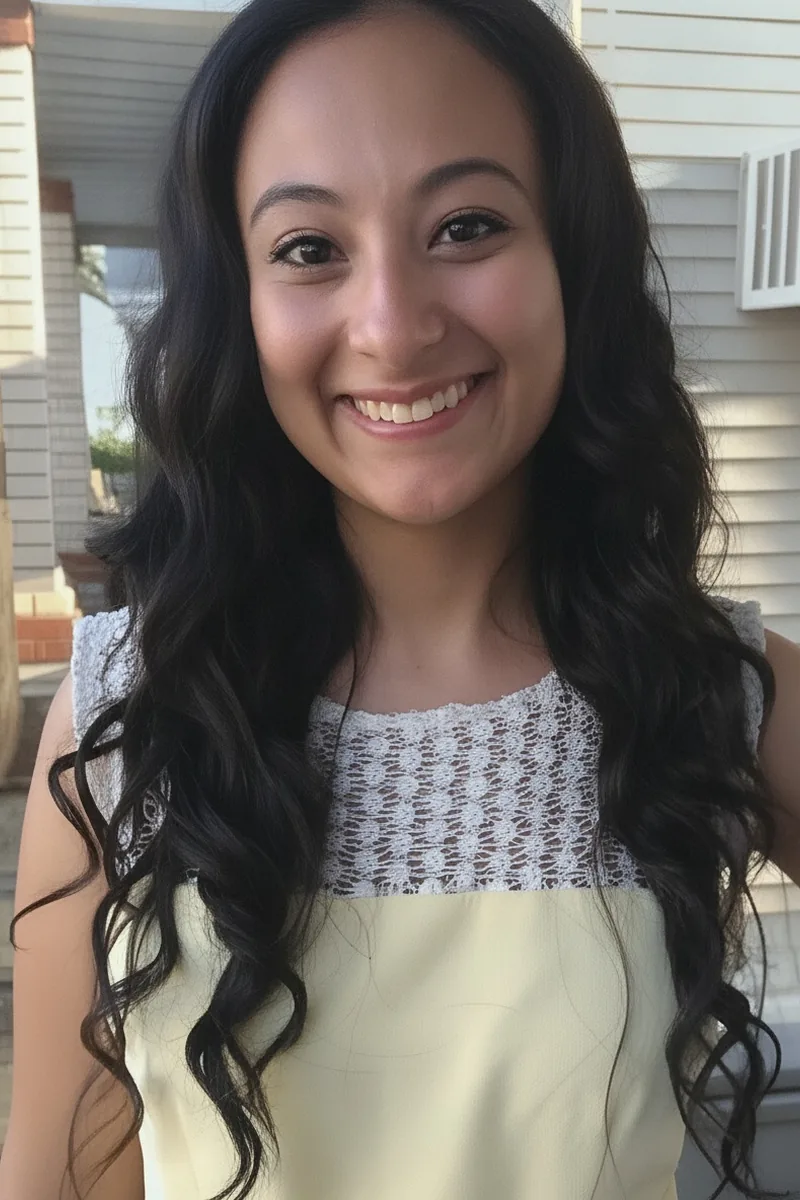
Pursuing a dual degree in biostatistics and public health at Brown, Joyce has worked through college chemistry with the quantitative rigor that comes from living in both the biology and statistics sides of STEM — so she's comfortable with the molarity calculations, reaction stoichiometry, and equilibrium expressions that overwhelm students who expected a purely conceptual course. She tackles problems by clarifying the chemical logic first, then showing how the math follows naturally from it.

Having taken college chemistry and then immediately applied it through four years of medical school, Sharon knows which gen chem concepts — electron orbitals, acid-base equilibria, reaction thermodynamics — actually stick with students and which ones need to be taught differently to last beyond the final exam. She unpacks problems by tying the abstract chemistry back to tangible examples from biology and medicine, which tends to make the material click for the pre-health students who make up most gen chem classrooms. Rated 5.0 by students.
Thermochemistry, reaction kinetics, and electrochemistry demand both conceptual clarity and mathematical precision. Jared's PhD research in mechanical engineering intersects heavily with thermodynamics and energy systems, giving him a practical lens on topics like enthalpy calculations and Gibbs free energy that most chemistry-only tutors lack.
Having earned a PhD in Chemistry, Enric has taught and studied every corner of the gen chem curriculum — from atomic structure and bonding through electrochemistry and kinetics — at a depth most tutors simply haven't reached. He digs into the "why" behind concepts like orbital theory or reaction spontaneity so that students can reason through unfamiliar problems instead of relying on memorized shortcuts. Rated 5.0 by students.
Having studied molecular biology at the undergraduate level and then pursued medical science at Drexel, Jeff has seen how gen chem concepts like electron orbitals, acid-base chemistry, and reaction energetics resurface in increasingly complex forms — so he teaches them with that longer trajectory in mind. He digs into the reasoning behind each problem type rather than letting students lean on memorized shortcuts that collapse under exam pressure. Holds a 5.0 rating.
Equilibrium constants, thermodynamic spontaneity, electrochemistry — college chemistry demands comfort with both conceptual reasoning and mathematical rigor. Rohan tackles these topics by connecting the underlying logic to the math, so students can derive relationships instead of relying on memorized formulas. Rated 4.9 by past students.
Benjamin's environmental biology degree from WashU required heavy chemistry coursework — organic reaction mechanisms, thermodynamics, and analytical techniques — giving him a solid grasp of the material college chemistry students encounter. He approaches tough concepts like electrochemistry and kinetics by tying them to real chemical systems he studied in environmental science, which makes abstract ideas more concrete.
Microbiology grad work gave Albina a particular vantage point on college chemistry — she learned concepts like solution chemistry, pH buffering, and reaction kinetics not as abstract textbook chapters but as tools she needed daily to understand bacterial growth, sterilization protocols, and culture media preparation. She teaches gen chem by building the reasoning behind each concept before introducing the math, so students actually retain the logic when courses start layering complexity. Rated 4.6 by students.
Between a biology degree and an MD/MBA program, Sagar has taken college chemistry from both the pre-med survival angle and the deeper quantitative side — so he knows which conceptual gaps in topics like electron configuration, bonding theory, and solution stoichiometry actually snowball into bigger problems later. He teaches by building the chemical logic first, then showing how the math follows naturally from the reasoning rather than existing as a separate skill to memorize.
Having studied both biological sciences and history of science, Sam brings an unusual perspective to college chemistry — she can explain not just how electron configurations or periodic trends work, but the experimental reasoning that led chemists to those models in the first place. Her biomedical science master's deepened that foundation through advanced coursework where gen chem concepts like reaction kinetics and acid-base chemistry became everyday tools rather than abstract exercises.
Engineering coursework at Rutgers forced Kevin through the full gen chem gauntlet — stoichiometry, thermochemistry, gas laws — with the added expectation that he'd actually apply it in materials science and fluid dynamics courses the following semester. That gives him a practical read on which college chemistry concepts need to be airtight versus which ones students over-study, and he zeroes in on the quantitative trouble spots like unit conversions and mole-ratio algebra where most points are quietly lost.
General chemistry at the college level piles on thermodynamics, quantum mechanics concepts, and equilibrium calculations in a single semester, and Darren has taught these topics to undergraduates and graduate students alike. His research background — a Ph.D. from Penn followed by postdoctoral work at Harvard Medical School — means he can contextualize abstract ideas like orbital theory or Gibbs free energy with examples from actual lab work. He's particularly effective at bridging the gap between lecture material and problem-set execution.
Having studied both biology and history, Rachel brings an unusual skill to college chemistry: she reads dense material carefully and knows how to extract the logic buried inside it — useful when students are drowning in textbook chapters on electrochemistry or chemical kinetics. Her biology background means she's worked through gen chem's toughest stretches firsthand, from stoichiometry to thermodynamics, and her 1580 SAT speaks to the quantitative precision that keeps calculation-heavy problems from spiraling.
Pre-med coursework at Rutgers meant Sam didn't just take college chemistry — he lived in it, from thermodynamics and equilibrium calculations to electrochemistry and reaction kinetics. Graduating summa cum laude with a 4.0 GPA, he breaks down intimidating topics like molecular orbital theory and acid-base titrations into logical, digestible steps.
Organic mechanisms, equilibrium constants, thermodynamic calculations — college chemistry asks students to think on multiple levels at once. Margaret's neuroscience program at Emory required a rigorous chemistry sequence, so she approaches these topics as someone who recently worked through them and remembers exactly where the conceptual gaps tend to hide.
Having taught both biology and chemistry at the college level, Arun knows exactly where gen chem students lose the thread — usually somewhere between memorizing polyatomic ions and actually understanding why certain reactions favor products at equilibrium. His Master's in Education means he's trained in diagnosing those gaps systematically, not just re-explaining the same material louder. Rated 4.6 by students.
Aerospace engineering at Georgia Tech meant Anisha's gen chem sequence wasn't a box to check — it was the foundation for materials science, propulsion thermodynamics, and fluid dynamics courses that punish shaky understanding of concepts like enthalpy, gas behavior, and intermolecular forces. She teaches college chemistry by linking the abstract (why Gibbs free energy matters, how electron configuration drives reactivity) to the concrete engineering problems that gave those ideas weight for her. Rated 4.9 by students.
Organic mechanisms, quantum numbers, thermodynamic derivations — college chemistry demands a different gear than high school ever did. As a chemistry major, Matthew spent years working through these topics himself and knows exactly where students tend to get stuck, whether it's resonance structures in organic or Hess's law calculations in physical chemistry.
Having studied both psychology and biology, Ahmed learned college chemistry as a prerequisite student — which means he knows exactly where topics like electron configurations, molecular geometry, and acid-base reactions feel abstract and disconnected from what students actually care about. He tackles those sticking points by grounding the reasoning in concrete examples before introducing formulas, so the logic drives the math instead of the other way around.
Between organic chemistry, physical chemistry, and physiology coursework during her biology degree, Hannah has seen college chemistry concepts recycled and pressure-tested across disciplines — so she knows which gen chem ideas (like intermolecular forces, equilibrium, and acid-base behavior) students need to genuinely internalize versus just survive on an exam. She breaks down reaction logic and electron behavior in concrete, visual terms, making the leap from Lewis structures to thermodynamic predictions feel less like a genre shift and more like a natural progression.
Biomedical engineering forced Rashmi to learn college chemistry as a working language — not just passing gen chem but applying concepts like reaction stoichiometry, solution equilibria, and thermodynamic principles across engineering and biology coursework simultaneously. Her minors in both biology and chemistry mean she's seen how a shaky understanding of something like molecular polarity or enthalpy quietly derails students in three different departments, and she teaches with that cross-disciplinary awareness baked in.
Pre-med bio-psychology coursework at UCSB means Aaron has pushed through college chemistry the same way his students are — as a high-stakes prerequisite where every gap in stoichiometry or equilibrium shows up again in upper-division science courses. He talks through problems conversationally, pressing students to explain the reasoning back to him, which exposes shaky understanding far faster than just re-solving practice sets. Holds a 5.0 rating.
Having taken the full gen chem sequence at Cornell alongside organic chemistry and upper-level biology coursework, Jonathan knows exactly where college chemistry concepts like electron configuration, VSEPR theory, and solution stoichiometry start causing problems — usually when the course shifts from memorizable rules to applied reasoning. His human biology background means he naturally ties chemical principles back to biological systems, which tends to click for the pre-med and life science students who make up most of his college chemistry sessions. Rated 4.9 by students.
Most college chemistry students don't expect a math major to be the one who makes electron configurations or equilibrium expressions click — but Tessa's mathematics training at Yale means she can cleanly separate the quantitative mechanics of a problem from the chemical reasoning, which is exactly where most gen chem confusion hides. She also scored a 36 ACT and holds a 4.9 rating, though what matters more is her knack for showing students the logical structure underneath topics that otherwise feel like pure memorization.
Engineering coursework at Harvard means Christopher regularly uses chemistry concepts like thermodynamics, equilibrium, and reaction kinetics in applied settings. He teaches college chemistry by connecting abstract ideas — say, Gibbs free energy or electrochemical cells — to tangible problems, making the material easier to internalize before exams.
Sung earned his B.S. in Chemistry, which means he can unpack topics like thermodynamics, equilibrium constants, and molecular orbital theory with real depth rather than surface-level definitions. He connects abstract concepts — like why Gibbs free energy determines spontaneity — to concrete problem-solving strategies that stick. Rated 5.0 by students.
Forty-plus students tutored in general and AP Chemistry, a bachelor's in chemistry, and a master's in environmental toxicology — Amy has seen college-level chemical concepts from the classroom side and the research side, where sloppy equilibrium reasoning or shaky thermodynamics understanding actually costs you results. She walks through problems like calorimetry, solution preparation, and reaction stoichiometry with an emphasis on dimensional analysis and unit tracking, which is where most gen chem mistakes quietly start. Rated 5.0 by students.
A chemistry minor at Duke alongside her biology major, Lenique spent years working through thermodynamics, equilibrium, and reaction kinetics at a level that prepared her for the rigors of medical school at Yale. She breaks down tough concepts like molecular orbital theory and acid-base chemistry by connecting them to real biological systems, which makes abstract ideas click faster.
Thermodynamics is Rahul's favorite corner of chemistry — and as a Cornell chemical engineering graduate (magna cum laude), he's applied concepts like enthalpy, Gibbs free energy, and reaction spontaneity far beyond the gen chem textbook, through upper-level coursework in physical chemistry and process design. He pushes students to grasp the conceptual reasoning behind each problem before touching the math, so topics like calorimetry and equilibrium stop feeling like disconnected formula exercises. Rated 4.9 by students.
Having TA'd general chemistry at Cornell — running problem-solving sessions and later training other TAs in teaching techniques — Alec knows exactly which concepts derail students: electron configurations that don't match periodic trends, buffer problems where the Henderson-Hasselbalch equation gets misapplied, or enthalpy calculations where sign conventions silently flip answers. His genetics and pre-med coursework means he's also seen how gen chem principles resurface in biochemistry and organic chemistry, so he teaches each topic with an eye toward where it's headed. Rated 4.8 by students.
Dual-majoring in biomedical and chemical engineering at Vanderbilt means William encounters gen chem concepts like reaction thermodynamics, equilibrium, and stoichiometry not as isolated textbook chapters but as tools he actively uses in engineering coursework — which gives him a sharp sense of what "good enough" understanding looks like versus what actually holds up under pressure. He scored a 5 on the AP Chemistry exam and now tackles college chemistry by connecting the molecular-level reasoning to the quantitative problem-solving, so students see why the math works instead of just memorizing setups. Rated 4.8 by students.
Tackling college-level chemistry means juggling thermodynamics, kinetics, and equilibrium all in the same problem set. Brittany was employed at the University of Pennsylvania's Tutoring Center specifically for General Chemistry I and II, where she worked with both undergraduates encountering the material for the first time and graduate students brushing up on fundamentals. That range sharpened her ability to adjust explanations to any level of preparation.
Organic reaction mechanisms, thermodynamic versus kinetic control, and multi-step synthesis problems demand more than memorization — they require a framework for thinking through electron movement and molecular behavior. Maggie studied Molecular, Cellular, and Developmental Biology as an undergraduate and now applies that foundation daily in her Stanford medical program. She unpacks each mechanism by tracing exactly why electrons move where they do, making complex transformations feel logical.
Testimonials
Because the right College Chemistry tutor makes all the difference.
Average Session Rating – Based on 3.4M Learner Ratings
Nearby College Chemistry Tutors
Other Jersey City Tutors
Related Science Tutors in Jersey City
Frequently Asked Questions
Varsity Tutors matches Jersey City students with expert College Chemistry tutors for 1-on-1 instruction. We pair each student with a tutor based on their specific needs, learning style, and goals.
Whether you need homework help, exam prep, or want to get ahead, our College Chemistry tutors are ready to help.
Common challenges include gaps from earlier material, difficulty with specific concepts, and trouble applying learning to new problems. These issues can snowball quickly in College Chemistry.
A tutor identifies where you're stuck, fills in gaps, and provides targeted practice. The 1-on-1 format means you get help exactly where you need it.
Tutors work with your student's actual coursework—homework assignments, class notes, and upcoming tests. This keeps tutoring directly relevant to what's happening in the classroom.
When you share information about your student's school and curriculum, we can match you with a tutor who has relevant experience.
All tutors complete background checks, credential verification, and teaching evaluation. Many of our College Chemistry tutors hold advanced degrees or have years of teaching experience.
You can review tutor profiles to find someone with the right background for your student's level and needs.
Many students see improved grades within a few weeks, along with better understanding of College Chemistry concepts and more confidence tackling challenging material.
Tutors track progress and adjust their approach to ensure continued improvement.
Most students benefit from 1-2 sessions per week. More frequent sessions help if your student is significantly behind or has an important exam coming up.
Your tutor can recommend a schedule based on your student's specific situation and goals.
Tutoring is purchased in packages of hours, with rates varying by tutor experience. Varsity Tutors offers several options to fit different budgets and needs.
You can discuss pricing during your consultation to find what works best.
Your tutor will assess where your student is, discuss goals, and start working on priority areas. Most students bring current homework or upcoming test material to focus on.
By the end, you'll have a clear sense of how the tutor can help and a plan for moving forward.
Let’s find your perfect tutor
Answer a few quick questions. We’ll recommend the right plan and match you with a top 5% tutor.