Award-Winning Microbiology Tutors
serving Jersey City, NJ
Microbiology
Tutors in Jersey City
Private 1-on-1 tutoring, weekly live classes for academic support, test prep & enrichment, practice tests and diagnostics, and more to elevate grades and test scores.
Based on 3.4M Learner Ratings
UniversitiesSchools & Universities
DeliveredHours Delivered
ProficiencyGrowth in Proficiency
Who needs tutoring?
No obligation. Takes ~1 minute.
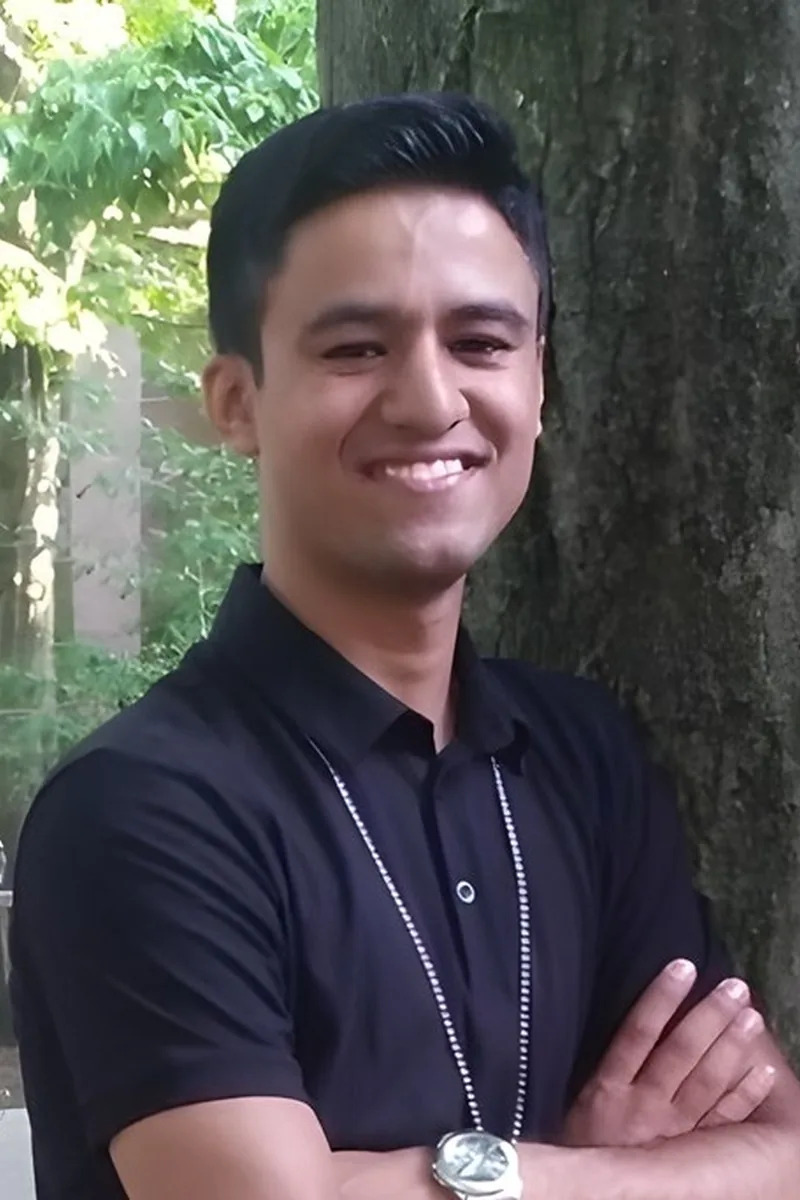
Bacterial genetics, microbial metabolism, and pathogenesis mechanisms can feel like an overwhelming amount of detail to absorb at once. Akarsh earned both his bachelor's and master's degrees in cellular and molecular biology, so he unpacks microbiology at the molecular level — connecting gene regulation to virulence factors and metabolic pathways in ways that make the material stick.
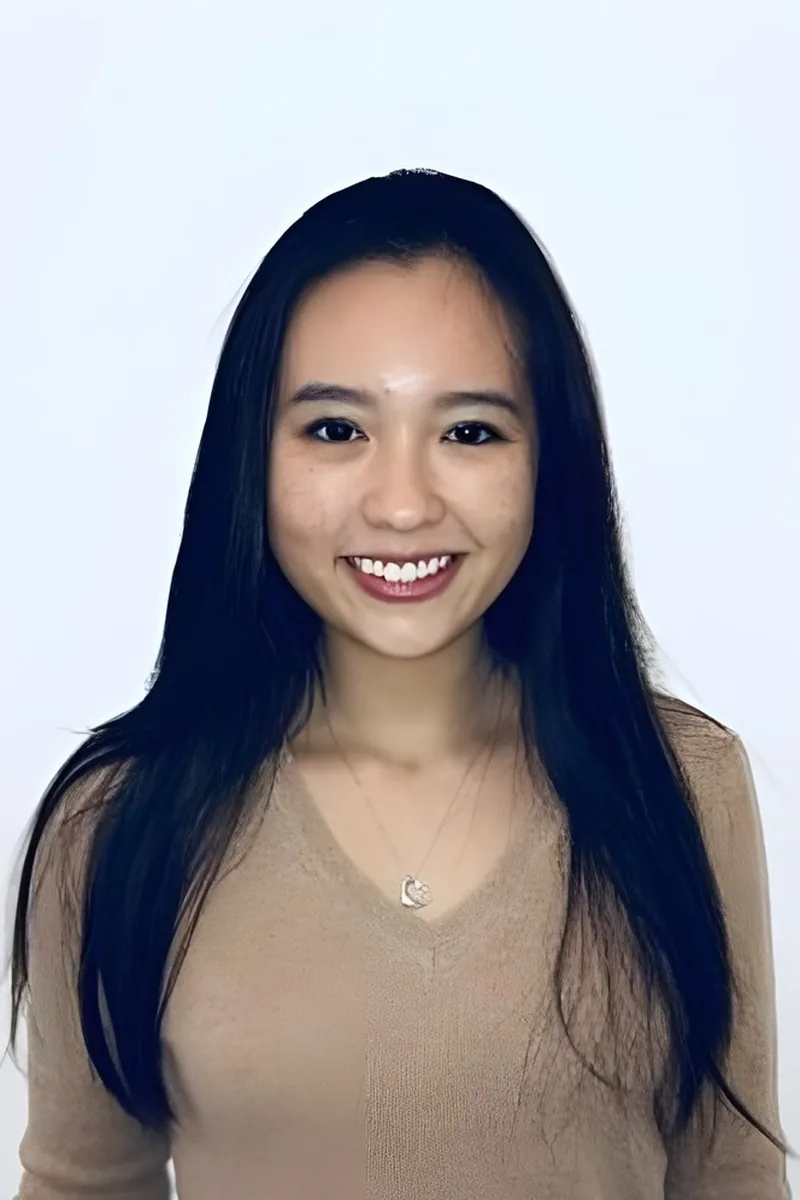
Between her Columbia nutrition degree and her PA training at Rutgers, Victoria has spent years studying bacterial metabolism, host-pathogen interactions, and immune responses at the cellular level. She unpacks microbiology concepts like gram staining protocols, virulence factors, and microbial genetics by tying them to clinical scenarios that make the material stick.
Philosophy, Politics and Economics isn't the typical path into microbiology, but Noah's biology coursework gave him enough grounding in cellular processes to break down topics like prokaryotic structure and microbial growth curves for students encountering them for the first time. He takes a methodical, logic-driven approach — the kind his PPE training sharpened — to help untangle classification systems and keep bacterial phyla from blurring together.
Bacterial classification, viral replication cycles, antimicrobial resistance mechanisms — microbiology covers enormous ground, and Emad has taught it at the college level alongside related courses in infectious diseases and pharmacology. That overlap means he can explain not just what a pathogen does, but why certain drugs target it and how the immune response unfolds.
A molecular biology degree means Jeff spent his undergrad digging into the cellular machinery that microbiology depends on — how organisms replicate, express genes, and interact at the molecular level. He applies that training to topics like bacterial pathogenesis and microbial genetics, breaking down mechanisms rather than treating them as lists to memorize. Rated 5.0 by students.
Before starting her doctoral work at Princeton, Edna spent time in an immunology and genetics laboratory where microbial behavior wasn't theoretical — it was daily benchwork. She digs into bacterial structure, viral replication cycles, and host-pathogen interactions with the kind of detail that comes from having actually cultured organisms and interpreted experimental results. Her Columbia public health training adds an epidemiological lens that connects micro-scale biology to real-world disease patterns.
A master's degree in Medical Microbiology means Albina didn't just take a micro course — she built an entire graduate thesis around how microorganisms behave, infect, and resist treatment. That depth shows when she teaches topics like bacterial pathogenesis or immune evasion, because she can explain the underlying logic of why a pathogen does what it does rather than just listing characteristics. Rated 4.6 by students.
I am a graduate of Cornell University. I received my Bachelor of Science in Human Biology, Health and Society. Since graduation, I have continued my education at Kean University. I plan to complete an informal postbach and apply directly to medical school. While I tutor a broad range of subjects, I am most passionate about Biology and Physics. I would best describe my tutoring style as very strategic and presenting the content as easy as possible to understand. In my spare time, I enjoy jogging, boxing and developing mobile games.
I am pursuing a career in dentistry/oral surgery and will be beginning dental school at Boston University this fall. For this reason I recently took the DAT, which I am capable of assisting you with as well. During my undergraduate education, which I completed this past December, I worked in my school's tutoring center, helping my peers succeed in mathematics and science courses. Outside of my academic life, I am a big sports fan and I mostly follow the New York sports teams. For fun, I like to play basketball and golf with my friends. I am looking forward towards getting to know you and helping you with your academic needs.
From gram staining techniques to understanding how bacteria develop antibiotic resistance, microbiology requires both lab-level precision and big-picture thinking about pathogenic mechanisms. Sam's dual background in biological sciences and biomedical science gives her fluency across bacteriology, virology, and immunological responses that ties the details together.
Rachel's biology background gives her a strong handle on the molecular and cellular machinery that microbiology demands — from bacterial gene regulation and virulence factors to the mechanisms behind antibiotic resistance. She connects each pathogen's behavior back to the underlying biochemistry, which makes classification and identification feel logical instead of arbitrary.
Biomedical engineering at Rutgers means Mahir regularly works at the intersection of biology and engineering — understanding how microorganisms behave in contexts like biocompatibility, infection response, and tissue-device interactions. That training gives him a practical lens for explaining concepts like bacterial adhesion, sterilization principles, and how microbial contamination affects biomedical systems. He also teaches physiology, anatomy, and biology, so he can trace how microbial processes connect to the body's larger responses.
Chemistry training gives Matthew a molecular lens on microbiology — he can trace how bacterial cell wall composition determines Gram stain results, or explain why specific metabolic pathways make certain organisms vulnerable to particular antimicrobials. That chemistry-first approach is especially useful for students who grasp structures and reactions more easily than rote taxonomic lists, turning microbial concepts into logical extensions of the chemistry they already know.
Keeping bacterial classification, metabolic pathways, and immune evasion strategies straight requires more than flashcards — it requires understanding the logic behind microbial behavior. Hannah approaches microbiology by connecting each organism's traits to its ecological niche and survival strategy, turning a massive amount of content into a coherent narrative that's far easier to retain.
Understanding microbiology means getting comfortable with organisms you can't see — bacterial cell structure, viral replication cycles, and the metabolic pathways that keep microbes alive. Varuna's graduate work in biomedical engineering at Tufts involved the biological mechanisms that underpin infection and immunity, giving her a practical lens for teaching concepts like gram staining, antibiotic resistance, and microbial genetics.
The IB Biology program — both SL and HL — drills deep into microbial topics like cell theory, pathogen classification, and antibiotic resistance, and Kinjal completed that rigorous track before earning her biology degree at Texas A&M. That combination means she can walk through bacterial structure, microbial metabolism, and host-pathogen dynamics with the kind of layered understanding that comes from studying the material twice at increasing depth. Rated 5.0 by students.
Rebecca tutored microbiology throughout her time at Cornell while completing her biological sciences degree, so she knows exactly where students get lost — distinguishing bacterial metabolic pathways, interpreting Gram stain results, or connecting virulence factors to clinical outcomes. She teaches the subject by building a logical framework around microbial structure and function, which makes memorizing hundreds of organisms far more manageable.
Studying cancer biology at the University of Chicago means Jessica spends time with microbial mechanisms at the cellular and molecular level — bacterial gene regulation, pathogenesis, and immune evasion strategies. She unpacks these dense topics by tying them to specific experimental techniques students encounter in their own coursework.
Understanding microbiology means keeping dozens of organisms, metabolic pathways, and virulence mechanisms straight — and knowing when the differences actually matter. Jonathan's human biology training and pre-med preparation at Cornell gave him a clinical lens for bacterial genetics, host-pathogen interactions, and antimicrobial resistance that makes the material more intuitive than rote flashcard review.
Laurie studied microbiology as part of her pre-med concentration and knows how to untangle the differences between bacterial structures, viral replication cycles, and immune response pathways. She tackles the subject by linking microscopic processes to clinical scenarios, making dense material like gram staining protocols and metabolic pathways easier to retain.
Studying both Biology and Political Science at the college level, Andrea is immersed in microbiology coursework — from bacterial cell structure and metabolic pathways to viral replication cycles. She unpacks dense material by tying molecular-level processes to bigger-picture concepts like immune response and antibiotic resistance, which makes the details easier to retain.
Sam's Yale degree in Molecular Biophysics and Biochemistry gave him deep exposure to the cellular and molecular mechanisms that microbiology courses demand — membrane transport, metabolic pathways, bacterial genetics, and immune response. He connects these topics to their biochemical underpinnings, which makes processes like quorum sensing or antibiotic resistance easier to understand at a mechanistic level rather than through rote memorization.
A Stanford Human Biology degree with a concentration in bioinformatics gave Matthew a computational angle on microbiology — he thinks about microbial populations in terms of gene expression data, genomic analysis, and the quantitative patterns underlying concepts like antibiotic resistance and pathogen evolution. That top-down, systems-level perspective is especially useful for students who struggle to see how individual topics like bacterial metabolism or viral replication fit into the bigger biological picture. Rated 4.9 by students.
Ryan's master's work in cellular and molecular biology at Stanford, combined with hands-on synthetic biology research at NASA Ames, gave him deep fluency in microbial genetics, metabolic pathways, and laboratory techniques like PCR and gene cloning. He unpacks topics like bacterial pathogenesis and antimicrobial resistance by connecting them to the molecular mechanisms driving each process. Rated 5.0 by students.
Medical school at Jefferson means Jamie is learning microbiology the way clinicians actually use it — identifying pathogens, understanding infection mechanisms, and connecting antimicrobial treatments to the specific vulnerabilities of each organism. That clinical lens, built on top of pre-med coursework in biology, biochemistry, and physiology, lets her trace a concept like bacterial virulence from the molecular machinery driving it all the way to the patient outcome it produces.
Richard's PhD research at Northwestern is in microbiology, which means he's not teaching this subject from a textbook — he's living it. He digs into topics like bacterial pathogenesis, microbial genetics, and host-immune interactions with the kind of detail that comes from years at the bench. Students preparing for exams or struggling with lab reports get someone who can connect microscopic mechanisms to the bigger public health picture.
Testimonials
Because the right Microbiology tutor makes all the difference.
Average Session Rating – Based on 3.4M Learner Ratings
Nearby Microbiology Tutors
Other Jersey City Tutors
Related Science Tutors in Jersey City
Frequently Asked Questions
Varsity Tutors matches Jersey City students with expert Microbiology tutors for 1-on-1 instruction. We pair each student with a tutor based on their specific needs, learning style, and goals.
Whether you need homework help, exam prep, or want to get ahead, our Microbiology tutors are ready to help.
Common challenges include gaps from earlier material, difficulty with specific concepts, and trouble applying learning to new problems. These issues can snowball quickly in Microbiology.
A tutor identifies where you're stuck, fills in gaps, and provides targeted practice. The 1-on-1 format means you get help exactly where you need it.
Tutors work with your student's actual coursework—homework assignments, class notes, and upcoming tests. This keeps tutoring directly relevant to what's happening in the classroom.
When you share information about your student's school and curriculum, we can match you with a tutor who has relevant experience.
All tutors complete background checks, credential verification, and teaching evaluation. Many of our Microbiology tutors hold advanced degrees or have years of teaching experience.
You can review tutor profiles to find someone with the right background for your student's level and needs.
Many students see improved grades within a few weeks, along with better understanding of Microbiology concepts and more confidence tackling challenging material.
Tutors track progress and adjust their approach to ensure continued improvement.
Most students benefit from 1-2 sessions per week. More frequent sessions help if your student is significantly behind or has an important exam coming up.
Your tutor can recommend a schedule based on your student's specific situation and goals.
Tutoring is purchased in packages of hours, with rates varying by tutor experience. Varsity Tutors offers several options to fit different budgets and needs.
You can discuss pricing during your consultation to find what works best.
Your tutor will assess where your student is, discuss goals, and start working on priority areas. Most students bring current homework or upcoming test material to focus on.
By the end, you'll have a clear sense of how the tutor can help and a plan for moving forward.
Let’s find your perfect tutor
Answer a few quick questions. We’ll recommend the right plan and match you with a top 5% tutor.