Award-Winning Science Tutors
serving Atlantic City, NJ
Science
Tutors in Atlantic City
Private 1-on-1 tutoring, weekly live classes for academic support, test prep & enrichment, practice tests and diagnostics, and more to elevate grades and test scores.
Based on 3.4M Learner Ratings
UniversitiesSchools & Universities
DeliveredHours Delivered
ProficiencyGrowth in Proficiency
Who needs tutoring?
No obligation. Takes ~1 minute.
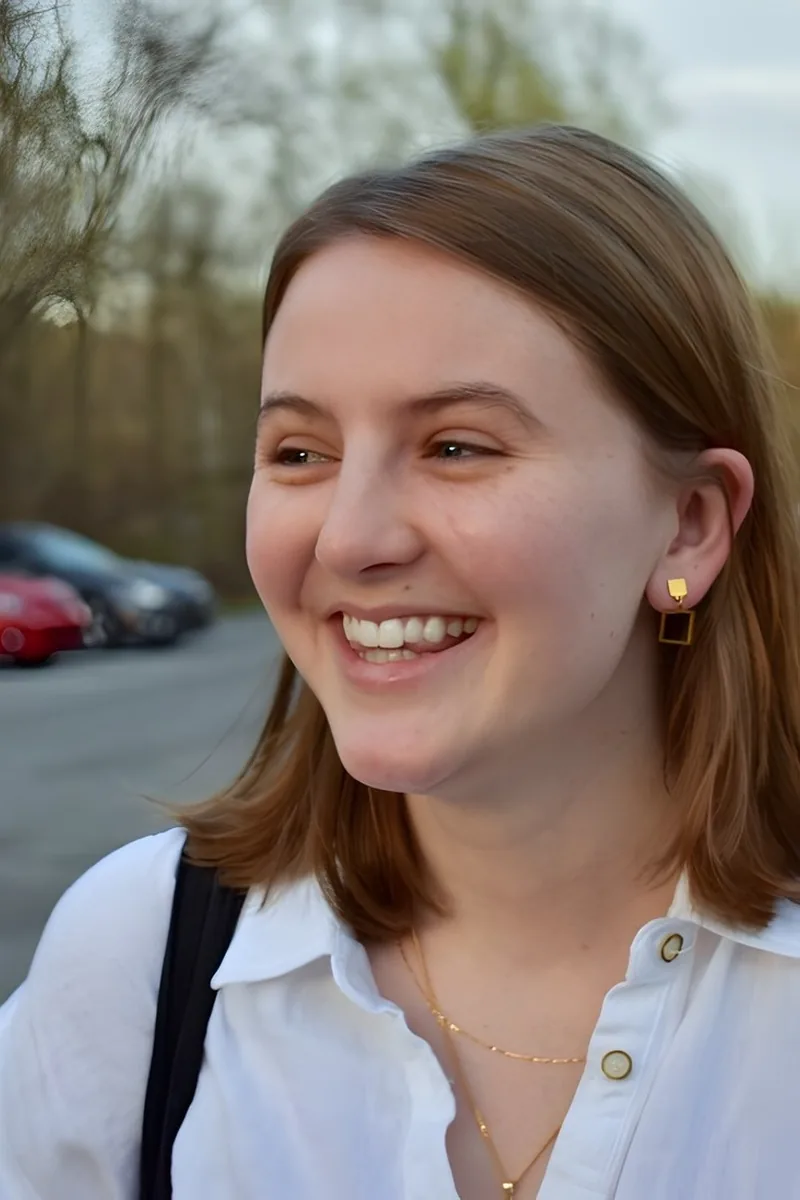
A PhD program in Spanish and Iberian Studies might not scream 'science,' but Renee's doctoral training drilled the same core skills science coursework requires — forming a thesis from evidence, analyzing patterns in complex material, and defending conclusions under scrutiny. She's particularly useful for students who struggle with the literacy-heavy side of science: parsing dense textbook passages, interpreting diagrams, and writing clear lab reports that actually explain what happened and why.
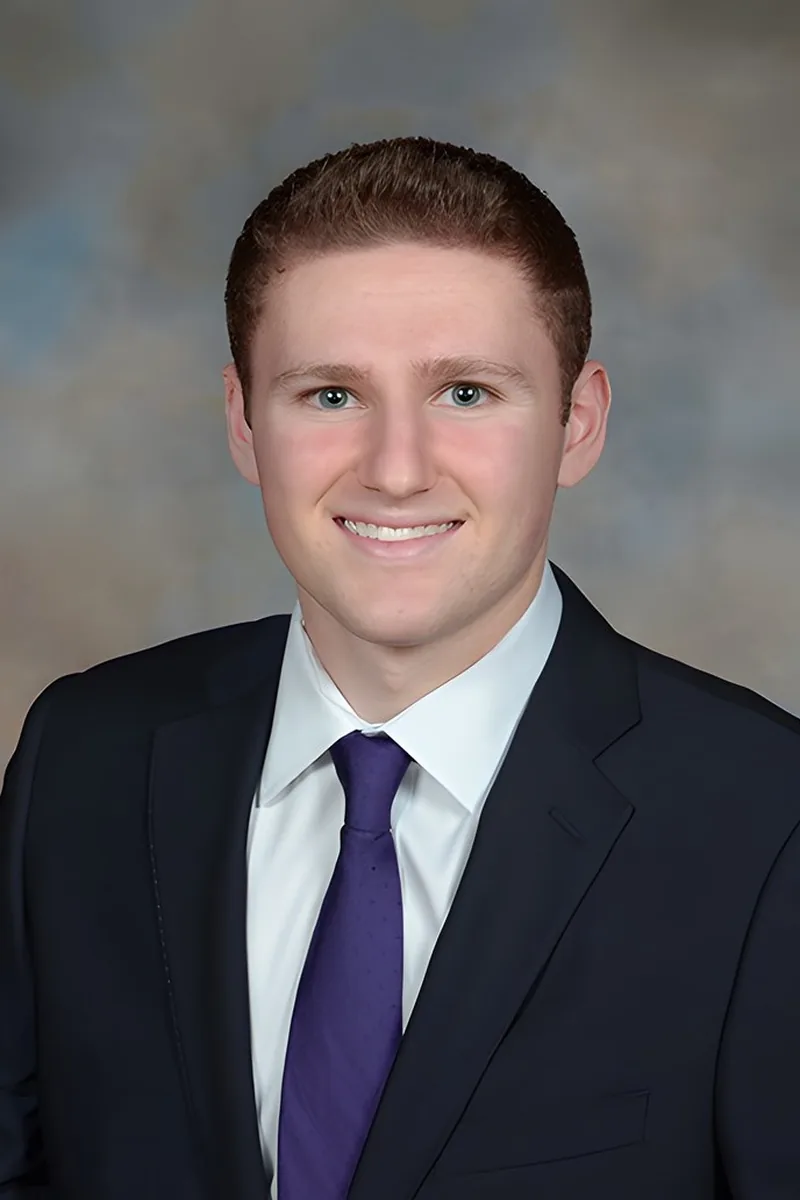
Having earned a 1530 SAT — which leans heavily on interpreting data, reading graphs, and evaluating evidence-based claims — Matt brings sharp analytical skills to science material even though his degrees are in finance. He's particularly useful for the quantitative side of science: setting up calculations, converting units, and making sense of numerical relationships in lab work or textbook problems.
Holding a master's in cellular and molecular biology, Akarsh brings deep content knowledge across biology, chemistry, and physics — the three pillars most science courses draw from. He unpacks concepts like cellular respiration, stoichiometry, or Newton's laws by connecting them to observable, real-world phenomena that make the underlying logic click.
A Master of Public Policy degree is built on reading research, interpreting data, and evaluating whether evidence actually supports a claim — the same core skills students need when working through the scientific method or analyzing experimental results. Erika applies that policy-analysis lens to science material, teaching students to identify variables, question assumptions, and explain what data means rather than just restating it. Her 5.0 rating and ACT score of 32 suggest the approach lands.
A strong math background changes how you approach science — Samuel's Applied Mathematics degree at Caltech means he can walk students through the quantitative side of science that often trips people up, from unit conversions and dimensional analysis to interpreting graphs and experimental data. He teaches across both physics and math, so he's used to bridging the gap between equations and real-world phenomena.
An acting student in New York City, Marc knows how to make abstract ideas concrete and memorable — a skill that matters when younger students are learning to observe, classify, and explain the natural world around them. His public policy training also means he's comfortable reading data and evaluating evidence, which he channels into teaching the basics of the scientific method: asking a testable question, designing a fair experiment, and explaining what the results actually show.
Kyle's English degree at Yale doesn't include a lab coat, but his 35 ACT composite means he handled the Science section — which is really about reading graphs, interpreting data, and drawing conclusions under time pressure — at a near-perfect level. He brings that same careful reading approach to science coursework, teaching students how to decode dense passages, pull meaning from diagrams, and write clear explanations of what they observe.
Studying cellular and molecular biology at Johns Hopkins means Pranav lives inside scientific reasoning every day — designing experiments, interpreting data, and connecting micro-level mechanisms to macro-level outcomes. He teaches science the same way, whether the topic is Newton's third law or mitosis: start with the underlying principle, then build outward to applications and problem sets. That approach turns memorization-heavy material into something students can actually reason through.
Alex's applied math background gives him a quantitative edge when tackling science concepts like unit conversions, data interpretation, and the physics principles that underpin much of middle and high school science. He teaches students to read graphs and equations as stories about how systems behave, not just lines on a page.
While science isn't Scott's primary academic lane, his anthropology research background gave him real experience designing studies, interpreting data sets, and reading dense technical material critically. He applies that same analytical framework to science coursework, particularly when students need to parse experimental results or write lab reports that demonstrate clear reasoning.
An economics major at Yale, Calleigh spends her coursework building and testing models — formulating hypotheses about how systems behave, isolating variables, and interpreting whether the data actually supports a conclusion. That process mirrors the scientific method almost exactly, and she uses it to teach students how to think through experiments, read graphs critically, and explain results in plain language rather than parroting definitions.
A psychology major at the University of Chicago, River has spent semesters immersed in research design, statistical analysis, and behavioral experiments — all of which demand the same skills science courses test: forming hypotheses, controlling variables, and interpreting what data actually means. She brings that firsthand lab-report fluency to tutoring, especially when students need to move from memorizing definitions to explaining how an experiment works and why the results matter.
Growing up bilingual and studying film production trained Isaiah to observe carefully, ask precise questions, and communicate findings clearly — skills that sit at the heart of any science class, from describing what happened in an experiment to explaining why a hypothesis didn't hold up. He's particularly strong at helping students organize their thinking for lab reports and scientific writing, drawing on the same structured storytelling instincts he developed as a filmmaker. Rated 4.8 by students.
Having worked as a teaching assistant across both undergraduate and graduate programs, Krupa developed a habit of translating dense material into language that actually lands — a skill that matters in science, where students often understand a concept intuitively but can't connect it to the formal terminology in their textbook. She leans on students' own interests to make topics like experimental variables or data analysis feel concrete rather than abstract. Rated 4.9 by students.
Two years as a middle school teaching assistant gave Grace a front-row seat to where students get stuck in science — setting up experiments, interpreting data tables, or connecting vocabulary to real phenomena. She tackles those gaps by tying concepts back to everyday examples, whether it's explaining cell division through analogies or walking through the scientific method with a hands-on mindset. Her background directing an after-school academic program means she's comfortable adapting explanations on the fly.
Studying finance and business analytics at Wharton means Samica spends her weeks immersed in data modeling, hypothesis testing, and statistical analysis — skills that translate cleanly when she's walking someone through graphing relationships, interpreting experimental results, or figuring out what a set of numbers is actually telling them. Her 1550 SAT confirms she can handle the quantitative and evidence-based reasoning that science coursework leans on heavily.
Much of science at the elementary and middle school level lives or dies on whether a student can actually read and make sense of what's in front of them — diagrams, experiment instructions, dense paragraphs full of unfamiliar terms. Amy's English training and her deep experience teaching reading across every grade level mean she can pinpoint exactly where comprehension breaks down and rebuild it, so the science content itself stops feeling like a foreign language.
Elijah is finishing a biochemistry degree, which means he lives at the intersection of biology, chemistry, and physics daily — not just in textbooks but in lab work where these disciplines overlap. He unpacks scientific concepts by tying them to tangible examples, like explaining gas laws through real pressure-temperature scenarios instead of abstract formulas. That cross-disciplinary fluency makes him especially useful for students who struggle to see how science subjects connect.
Paige's science tutoring draws on the analytical rigor she developed earning a Yale degree, where interdisciplinary coursework meant engaging seriously with scientific concepts and research methods. She's best suited for students who need support with general science — understanding experimental design, interpreting data, and writing clear lab reports where the humanities skill of precise argumentation pays off.
A biophysics major and premed student at Johns Hopkins, Czarina has the unusual ability to move fluidly between biology and chemistry — explaining cellular respiration in one session and stoichiometry in the next. Her AP Bio, AP Chem, and SAT Subject Test scores (790 Bio, 770 Chem) back up that range with real depth in both disciplines.
While science isn't Alex's core discipline, his analytical training and teaching instincts translate well to introductory-level science coursework where reading comprehension and study strategies matter as much as content knowledge. He's particularly useful for students struggling with science material that's text-heavy — interpreting lab reports, understanding experimental design, or parsing dense textbook chapters. His approach treats science literacy as a reading skill first.
Between her applied physics focus at Princeton and hands-on research at a Max Planck Institute, Sabrina understands science as something you do, not just something you memorize from a textbook. She's comfortable across physics, environmental science, and the math-heavy reasoning that ties scientific disciplines together — and she's skilled at making those connections clear to younger students too.
As a high school counselor with a doctoral focus on learning disabilities, Mati has spent years translating complex information into language that clicks for students who process differently — a skill that pays off when science vocabulary and multi-step concepts start piling up. She zeroes in on helping students organize what they're learning, connecting ideas like ecosystems or states of matter back to observable, concrete examples rather than abstract definitions. Her 5.0 rating speaks to how well that approach lands.
Studying both biology and public health at Brown gives Joyce an unusually broad science foundation, from molecular-level cell biology to population-scale environmental health. She explains scientific concepts by grounding them in real examples — connecting, say, osmosis to how IV fluids work, or chemical reactions to water treatment processes. That context makes memorization less painful and understanding more durable.
Sharon's entire academic career has been built on science — a human biology degree from Cornell followed by medical school — so she teaches scientific concepts with real depth rather than surface-level definitions. From cell structure and genetics to chemical reactions and the scientific method, she unpacks the reasoning behind each concept so students can apply it to new problems, not just familiar ones.
A mathematics degree paired with a medical doctorate means Janet can tackle science from both the quantitative and biological sides — whether a student needs to understand how mitosis drives tissue growth or how to set up stoichiometry problems in chemistry. She breaks abstract scientific processes into concrete, step-by-step explanations that connect back to real-world applications students can actually visualize.
An Education and Social Policy degree from Northwestern means Lauren spent serious time with research design, data literacy, and evidence-based reasoning — the same toolkit students need when they're asked to interpret an experiment, read a graph, or explain why a control group matters. She's particularly good at bridging the gap for students who can memorize science vocabulary but freeze when a question asks them to actually apply the scientific method. Her 4.9 rating suggests the approach lands.
Currently studying environmental engineering at Cornell with coursework spanning chemistry, physics, and earth systems, Akanksha tackles science tutoring by connecting abstract concepts to tangible examples — like explaining thermodynamics through real energy systems or teaching cell biology through environmental health applications. She also tutors chemistry and math through Cornell's STEP program, so she's practiced at making technical material click for younger students.
Having taught algebra in public school and philosophy at a community college, Grant knows how to walk students through the kind of logical, step-by-step reasoning that science demands — forming a hypothesis, isolating variables, and explaining what the evidence actually supports. His dual background in psychology and mathematics means he can tackle both the conceptual side of science (experimental design, behavioral observations) and the quantitative side (data tables, unit conversions, graphing relationships) without skipping a beat.
Jared's academic path — biomedical engineering undergrad, mechanical engineering PhD — spans biology, chemistry, and physics in ways most science tutors can't match. Whether a student is struggling with Newton's laws, balancing chemical equations, or understanding cellular respiration, he connects each concept back to real systems like prosthetic design or engine thermodynamics to make the material stick.
Currently studying environmental and planetary science at Washington University in St. Louis, Jenny lives in the sciences daily — from ecology and earth systems to the molecular biology she covers in AP Bio tutoring. She breaks down scientific concepts by tying them to real-world phenomena, so a lesson on cellular respiration or plate tectonics feels grounded rather than abstract.
Two master's-level science programs gave Victoria deep fluency in biology, chemistry, and human physiology — the building blocks that most general science courses draw from. She unpacks concepts like cellular respiration, chemical bonding, or the scientific method by connecting each one to something tangible, whether it's how nutrients get absorbed or why a lab result came out a certain way.
Engineering training at Penn means Bryan approaches science the way it's actually practiced — forming hypotheses, interpreting data, and connecting mathematical models to physical phenomena. He's particularly strong at bridging the gap between science vocabulary and the quantitative problem-solving that trips students up on exams.
Princeton's writing center taught Emily to ask the kind of probing questions — What's your evidence? How do you know that's the cause? — that are just as central to science as they are to academic essays. She applies that same analytical rigor to teaching students how to interpret data, trace cause-and-effect in biological or physical systems, and articulate their reasoning clearly on lab assignments and exams.
Nicole's sociology research at Columbia required fluency in scientific methodology — designing studies, interpreting data, and evaluating evidence for causal claims. She applies that training to science tutoring by emphasizing how to think through the scientific method, read graphs critically, and connect experimental results back to underlying concepts.
Noah's PPE degree (Philosophy, Politics and Economics) trained him to move fluidly between quantitative analysis and logical argumentation — exactly the combination science demands when students need to interpret data, control variables, and explain why an experiment produced a particular result. His microbiology and biology coursework means he's not just reasoning by analogy; he's actually worked through the content, from cell structure to ecological systems, and can walk students through the material with firsthand familiarity.
Michele's psychology degree means she actually ran experiments — controlling variables, collecting data, and writing up results — which is the same process students need to master in any science class. She's particularly good at walking through how to read a data table or graph and turn observations into a clear, written explanation. Her international education background also adds context when science topics touch on global issues like ecology or public health.
Alison's history and literature training means she's spent years doing what science actually asks students to do — read dense material carefully, pull out key claims, and evaluate whether the evidence holds up. She's strongest on the communication side of science: organizing lab write-ups, translating observations into clear explanations, and helping students articulate the reasoning behind their answers rather than just circling one.
A dual degree in Chemical and Biomedical Engineering from Carnegie Mellon means Raaga didn't just study science — she lived in it, from organic chemistry reaction mechanisms to cellular biology lab work. She unpacks scientific concepts by connecting them to real processes students can visualize, whether that's explaining how enzymes work or why chemical equations need to balance.
As a Biology major at Boston College, Teresa is neck-deep in the sciences daily — from cellular respiration pathways to experimental design and data analysis. She's especially effective at teaching students how to connect abstract concepts to concrete examples, like linking enzyme kinetics to real metabolic processes rather than treating them as isolated formulas.
Testimonials
Because the right Science tutor makes all the difference.
Average Session Rating – Based on 3.4M Learner Ratings
Practice Science
Free practice tests, flashcards, and AI tutoring for Science
Nearby Science Tutors
Other Atlantic City Tutors
Related Science Tutors in Atlantic City
Frequently Asked Questions
Varsity Tutors matches Atlantic City students with expert Science tutors for 1-on-1 instruction. We pair each student with a tutor based on their specific needs, learning style, and goals.
Whether you need homework help, exam prep, or want to get ahead, our Science tutors are ready to help.
Common challenges include gaps from earlier material, difficulty with specific concepts, and trouble applying learning to new problems. These issues can snowball quickly in Science.
A tutor identifies where you're stuck, fills in gaps, and provides targeted practice. The 1-on-1 format means you get help exactly where you need it.
Tutors work with your student's actual coursework—homework assignments, class notes, and upcoming tests. This keeps tutoring directly relevant to what's happening in the classroom.
When you share information about your student's school and curriculum, we can match you with a tutor who has relevant experience.
All tutors complete background checks, credential verification, and teaching evaluation. Many of our Science tutors hold advanced degrees or have years of teaching experience.
You can review tutor profiles to find someone with the right background for your student's level and needs.
Many students see improved grades within a few weeks, along with better understanding of Science concepts and more confidence tackling challenging material.
Tutors track progress and adjust their approach to ensure continued improvement.
Most students benefit from 1-2 sessions per week. More frequent sessions help if your student is significantly behind or has an important exam coming up.
Your tutor can recommend a schedule based on your student's specific situation and goals.
Tutoring is purchased in packages of hours, with rates varying by tutor experience. Varsity Tutors offers several options to fit different budgets and needs.
You can discuss pricing during your consultation to find what works best.
Your tutor will assess where your student is, discuss goals, and start working on priority areas. Most students bring current homework or upcoming test material to focus on.
By the end, you'll have a clear sense of how the tutor can help and a plan for moving forward.
Let’s find your perfect tutor
Answer a few quick questions. We’ll recommend the right plan and match you with a top 5% tutor.