Award-Winning History Tutors
serving Atlantic City, NJ
History
Tutors in Atlantic City
Private 1-on-1 tutoring, weekly live classes for academic support, test prep & enrichment, practice tests and diagnostics, and more to elevate grades and test scores.
Based on 3.4M Learner Ratings
UniversitiesSchools & Universities
DeliveredHours Delivered
ProficiencyGrowth in Proficiency
Who needs tutoring?
No obligation. Takes ~1 minute.
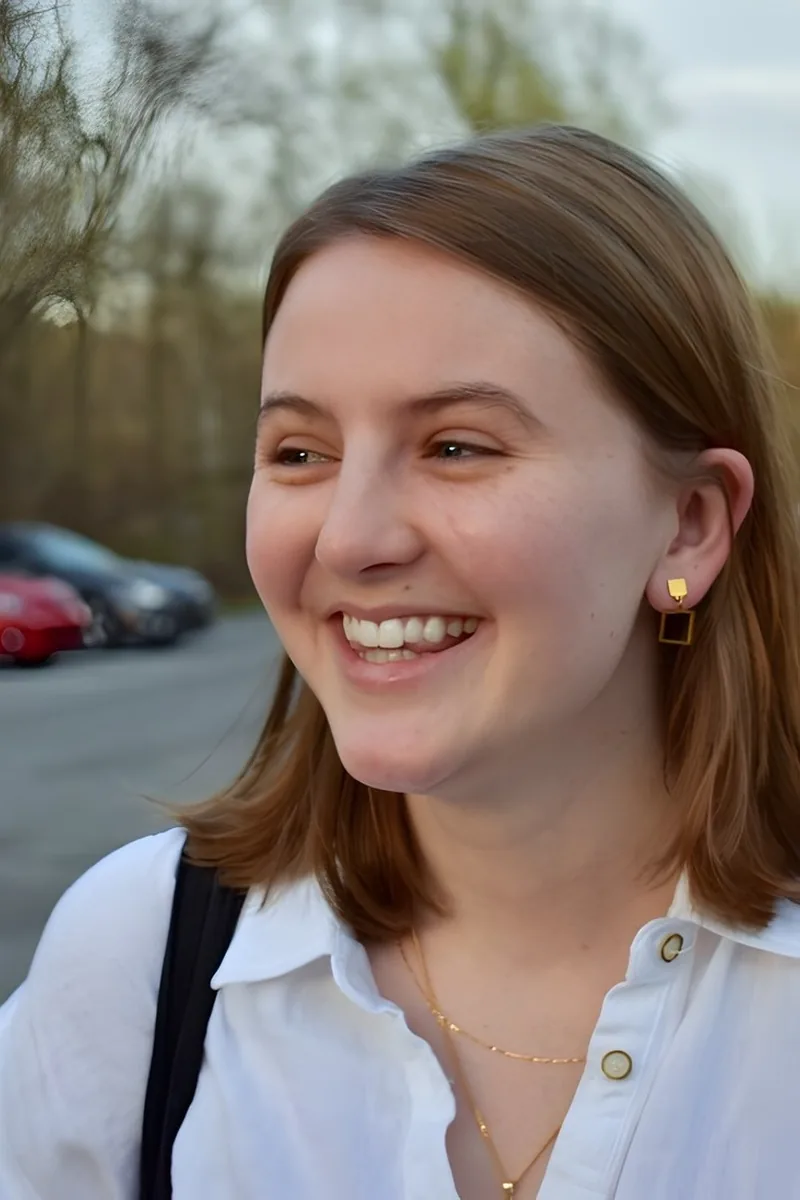
Renee approaches history the way she approaches literature: as a discipline built on interpreting sources, weighing competing narratives, and constructing evidence-based arguments. Her doctoral training sharpened those analytical skills, and she applies them to everything from essay-based exams to document analysis assignments where students need to do more than summarize dates and events.
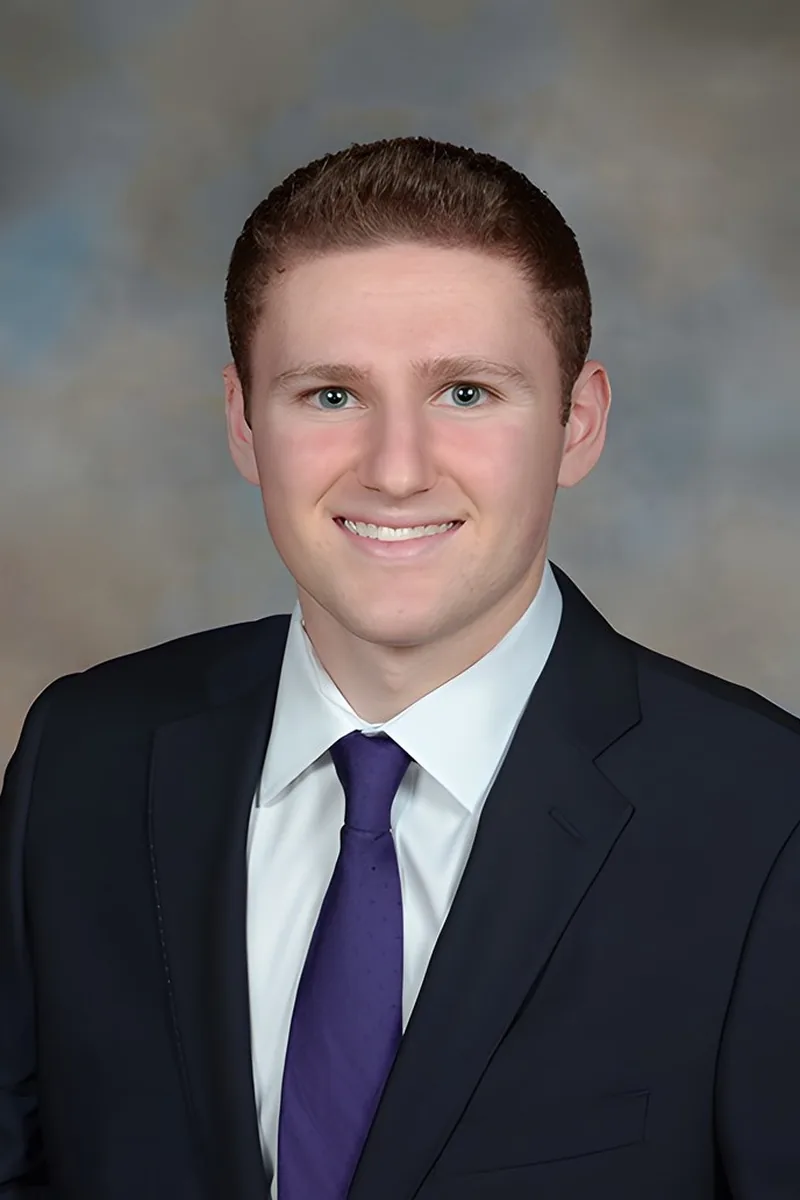
Three finance degrees mean Matt instinctively reads history through the lens of money — who controlled it, how it moved, and what happened when it dried up. That financial literacy is particularly useful when students need to explain the economic pressures behind events like mercantilism, industrialization, or the 2008 crisis in essay form. His 1530 SAT underscores the analytical reading and writing skills that make historical arguments land.
A cellular and molecular biology background trains you to read research papers critically — evaluating claims, weighing evidence, spotting gaps in reasoning — and Akarsh brings that same scrutiny to historical source analysis. He teaches students to treat primary documents like data, pulling out the specific evidence that supports a thesis rather than summarizing everything on the page. His college essay and essay editing experience also means he can sharpen the argumentative writing that history courses actually grade on.
Too many students treat history like a list of names and dates to memorize, then struggle when asked to analyze or argue. Erika flips that approach — she teaches students to read primary sources critically, identify bias, and build evidence-based claims about why events unfolded the way they did. Her 5.0 rating speaks to how well that method clicks.
Kyle treats history less like a list of dates and more like a collection of stories — because that's what it is. His English background at Yale means he's constantly reading primary sources, from Constitutional Convention debates to Civil War correspondence, and he teaches students to analyze those documents the same way: pulling out arguments, identifying bias, and building their own interpretations. That storytelling instinct makes even dense political history click.
Running an SAT prep class in high school meant Samuel had to break down reading passages — many of them historical — into arguments students could quickly analyze and evaluate. That same instinct for distilling complex material into clear logical structure carries over when he tackles history, especially document-based questions where students need to identify an author's purpose and connect it to broader political or economic context. His applied math training at Caltech reinforces the habit of asking what's actually driving an outcome rather than just describing it.
Alex's political science major at Stanford means he already treats history as an analytical discipline — evaluating competing interpretations, weighing primary sources, and constructing arguments about cause and effect. He teaches students to read historical documents the way a political analyst would, asking who wrote it, why, and what it leaves out. That approach turns memorization-heavy material into something students can reason through on exams and essays.
Studying history well means reading sources the way their authors intended them — and then questioning that intention. Scott's anthropology background trained him to examine how culture, power, and context shape every document, whether it's a colonial treaty or a Cold War speech. He teaches students to construct evidence-based historical arguments rather than simply narrate what happened.
Cellular and molecular biology might seem worlds away from history, but Pranav's science training at Johns Hopkins built a specific habit that pays off: reading primary sources the way you'd read a research paper, asking what the evidence actually supports versus what's just asserted. He applies that skeptical, evidence-first mindset to teaching students how to craft thesis-driven arguments on DBQs and essay exams, where the strongest answers treat historical claims like hypotheses that need proof.
A public policy degree means Marc spent years digging into how historical events shaped the laws, institutions, and debates we live with today. He teaches history as cause-and-effect reasoning — connecting, say, Reconstruction-era policy failures to 20th-century civil rights struggles — so the material sticks as a story rather than a list of dates. That analytical lens makes him especially useful for students writing DBQs or document-based essays.
Studying economics at Yale means constantly analyzing historical forces — trade policy, industrialization, the causes and consequences of financial crises. Calleigh brings that analytical lens to history tutoring, teaching students to build arguments from evidence and connect events across time periods rather than treating each chapter as an isolated set of facts.
Too many students treat history like a list of names and dates to memorize, then struggle when an essay asks them to explain causation or compare across eras. Isaiah approaches history as storytelling with evidence — teaching students to identify turning points, weigh competing perspectives, and write arguments that hold together under scrutiny.
Too many students treat history as a list of dates and names to memorize, then freeze when an essay prompt asks them to argue a position. Samica teaches historical thinking as a skill — evaluating causes, weighing evidence, and constructing claims that hold up under scrutiny. Her analytical training at Wharton translates directly into the kind of evidence-based reasoning that history courses reward.
Krupa's sociology degree gave her deep practice in the skill history courses actually test — analyzing primary sources, understanding cause-and-effect across political and social systems, and building evidence-driven arguments. She teaches students to move beyond memorizing dates and instead construct narratives that connect events like industrialization, colonialism, or civil rights movements to their broader contexts.
Studying International Relations at Stanford means Grace spends her days analyzing how historical forces — colonialism, nationalism, economic policy — shaped the modern world. She brings that same analytical lens to history tutoring, teaching students to read primary sources critically and construct thesis-driven arguments. Whether it's a DBQ essay or a unit on the Cold War, she breaks down how to think like a historian.
Strong history skills come down to one thing most students never practice: reading sources like a detective rather than a textbook. Alex's background in English literature at Brown sharpened his ability to analyze primary documents for bias, context, and rhetorical strategy — the same skills that separate an A history paper from a C one. He teaches students to construct evidence-based arguments and write with the kind of clarity that history professors reward.
Czarina approaches history the way she approaches science — by asking why something happened, not just what happened. Her involvement in diversity advocacy and founding a global health nonprofit gave her firsthand experience connecting historical context to present-day issues, which makes document analysis and argumentative essays feel more grounded and purposeful.
Paige approaches history the way she was trained to approach a script at Yale: by asking whose story is being told, what's left out, and what the stakes were for the people living through it. Her theater and English background makes her especially effective at teaching students to analyze primary source documents and construct thesis-driven arguments. She's particularly sharp on American cultural and social history, where her literary training naturally overlaps.
Understanding history means learning to read sources critically — why a document was written, who the audience was, and what it leaves out. Elijah brings the analytical rigor of his science training to historical reasoning, teaching students to build evidence-based arguments rather than recite timelines. It's an approach that pays off on DBQs, research papers, and class discussions alike.
Studying history at the University of Chicago means constantly evaluating competing interpretations of the same event — a skill River brings directly into tutoring sessions. Instead of treating history as a list of dates and names, River teaches students to analyze primary sources, identify bias, and construct cause-and-effect arguments. That approach turns a subject students often find tedious into something that actually requires thinking.
An English major who reads deeply across time periods, Amy naturally gravitates toward the interpretive side of history — analyzing how speeches, letters, and political writing reveal the motives and tensions behind major events. Her SAT score of 1500 reflects the close-reading and argumentative writing skills that history essays and document-based questions actually test. She's especially effective at teaching students to build a thesis from primary sources rather than stringing together a summary of what happened.
As a high school counselor and published author of books on counseling and learning disabilities through Routledge Press, Mati has spent decades immersed in the human stories behind institutions — exactly the kind of thinking that makes historical analysis click for students. Her creative writing background sharpens how she teaches document interpretation and essay construction, showing students how to read between the lines of primary sources and craft arguments with narrative clarity. Rated 5.0 by students.
Studying history at Princeton as a minor alongside engineering gave Sabrina a distinctive angle — she treats historical arguments the way an engineer treats problems, zeroing in on evidence, causation, and logical structure. She's particularly effective at teaching students how to analyze primary sources and write document-based essays that go beyond summarizing events.
Too many students treat history as a list of dates when it's really an exercise in evaluating competing narratives. Joyce teaches students to read primary sources critically, identify bias, and construct document-based arguments — skills that matter whether the topic is the Industrial Revolution or the Civil Rights Movement. Her public health studies at Brown give her a useful lens on social and political history.
Most students think history is about remembering what happened — Lauren teaches them it's about arguing why it mattered. Her Northwestern education in Social Policy and Gender Studies trained her to analyze how institutions, movements, and power structures shape events, which translates directly into stronger essay responses and sharper document analysis. She's especially effective at connecting political history to the social forces underneath it.
While history isn't Sharon's primary discipline, her Cornell coursework in health policy required deep engagement with historical context — how political movements, economic systems, and social structures shaped public health outcomes over centuries. She approaches history the same way she approaches science: by asking *why* something happened and tracing cause-and-effect chains rather than treating events as isolated facts to memorize.
Medical training is essentially applied history — understanding how plagues reshaped economies, how wartime surgery advanced public health policy, or how the social determinants of disease track with political power structures across centuries. Janet's MD in sports medicine and her background in clinical psychology give her a concrete lens for teaching students to analyze how science, policy, and human behavior intersect in historical events. Rated 5.0 by students.
While history isn't her primary discipline, Akanksha's environmental engineering studies at Cornell require deep engagement with policy history, industrialization, and the social forces behind environmental movements. She brings that analytical lens to history tutoring, teaching students to construct cause-and-effect arguments and support claims with specific evidence rather than vague generalizations.
Engineering training — especially at the PhD level — drills one habit that pays off in history: reading complex systems and isolating the variables that actually drove an outcome. Jared applies that same cause-and-effect rigor to historical analysis, teaching students to build structured arguments about why events unfolded rather than just describing what happened. His linguistics coursework also sharpens his eye for how language functions in primary source documents.
Living and working internationally — and studying international education — taught Michele something textbooks can't: that history looks fundamentally different depending on which country's classroom you're sitting in. She uses that cross-cultural awareness to teach students how perspective and context shape historical narratives, particularly when analyzing primary sources or unpacking how the same event gets framed across different nations. Her psychology background adds another layer, sharpening her ability to dig into the motivations behind political and social movements.
Engineering coursework at Penn drills one thing relentlessly: diagnose how a complex system works by mapping inputs to outputs. Bryan brings that same cause-and-effect rigor to historical writing, teaching students to trace how specific political or economic pressures produced specific outcomes rather than summarizing events in sequence. Rated 5.0 by students.
Alison studied History & Literature as a combined major, which means she learned to read historical periods through their narratives — the pamphlets, speeches, and personal accounts that reveal how people actually understood their own moment. Her MFA in Acting deepened that instinct, since performing a text requires understanding the political and social world it came from. She's especially strong at teaching students to pull meaning from primary documents and turn that analysis into clear, persuasive writing.
Studying Politics and Economics alongside Philosophy trained Noah to read historical events through multiple lenses — economic pressures, ideological shifts, power dynamics — rather than treating history as a list of dates. He teaches students to identify cause-and-effect chains and use primary sources as evidence in their own arguments.
Military history and policy aren't just coursework for Emily — they're a genuine fascination she carried through her International Affairs degree at Princeton's Woodrow Wilson School. She teaches students to read historical events through the lens of competing interests and policy decisions, which makes document-based questions and analytical essays far more intuitive.
Victoria treats history as a discipline built on evidence and interpretation, not memorization of dates. She teaches students to read primary sources critically — asking who wrote a document, why, and what context shaped it — skills that translate directly into stronger essay responses and deeper understanding of cause-and-effect relationships across eras.
While history isn't Raaga's primary discipline, her strength is teaching students how to construct evidence-based arguments — a skill that transfers directly to writing DBQs, evaluating primary sources, and connecting cause-and-effect chains across time periods. She approaches historical material the way an engineer approaches a problem: systematically, with attention to what the evidence actually supports. Rated 5.0 by students.
Cultural anthropology — Jenny's major — is essentially history viewed through the lens of how societies organize, clash, and evolve. That training means she teaches historical events by connecting them to broader patterns of power, migration, and cultural change, making cause-and-effect relationships click instead of feeling like isolated facts to memorize.
A seminary degree from Princeton Theological Seminary might seem like an unusual path into history tutoring, but graduate theology is essentially applied history — interpreting primary documents, tracing intellectual movements across centuries, and constructing arguments from fragmentary evidence. Grant brings that same source-analysis rigor to students tackling everything from DBQs to research essays, connecting historical events to the ideological currents behind them.
Nicole is currently pursuing certification to teach high school social studies, and her PhD in sociology from Columbia gives her an unusually deep lens on historical causation — how economic structures, cultural shifts, and political institutions interact across periods. She teaches students to analyze primary sources and build document-based arguments, not just memorize dates and names.
Strong history work comes down to reading sources critically and building evidence-based arguments — skills Peace sharpened through her English BA and graduate studies in Divinity, where interpreting complex texts was the daily work. She teaches students to move past memorizing dates and instead analyze primary documents, identify bias, and write essays that make a clear historical claim.
Testimonials
Because the right History tutor makes all the difference.
Average Session Rating – Based on 3.4M Learner Ratings
Nearby History Tutors
Other Atlantic City Tutors
Related Social Studies Tutors in Atlantic City
Frequently Asked Questions
Varsity Tutors matches Atlantic City students with expert History tutors for 1-on-1 instruction. We pair each student with a tutor based on their specific needs, learning style, and goals.
Whether you need homework help, exam prep, or want to get ahead, our History tutors are ready to help.
Common challenges include gaps from earlier material, difficulty with specific concepts, and trouble applying learning to new problems. These issues can snowball quickly in History.
A tutor identifies where you're stuck, fills in gaps, and provides targeted practice. The 1-on-1 format means you get help exactly where you need it.
Tutors work with your student's actual coursework—homework assignments, class notes, and upcoming tests. This keeps tutoring directly relevant to what's happening in the classroom.
When you share information about your student's school and curriculum, we can match you with a tutor who has relevant experience.
All tutors complete background checks, credential verification, and teaching evaluation. Many of our History tutors hold advanced degrees or have years of teaching experience.
You can review tutor profiles to find someone with the right background for your student's level and needs.
Many students see improved grades within a few weeks, along with better understanding of History concepts and more confidence tackling challenging material.
Tutors track progress and adjust their approach to ensure continued improvement.
Most students benefit from 1-2 sessions per week. More frequent sessions help if your student is significantly behind or has an important exam coming up.
Your tutor can recommend a schedule based on your student's specific situation and goals.
Tutoring is purchased in packages of hours, with rates varying by tutor experience. Varsity Tutors offers several options to fit different budgets and needs.
You can discuss pricing during your consultation to find what works best.
Your tutor will assess where your student is, discuss goals, and start working on priority areas. Most students bring current homework or upcoming test material to focus on.
By the end, you'll have a clear sense of how the tutor can help and a plan for moving forward.
Let’s find your perfect tutor
Answer a few quick questions. We’ll recommend the right plan and match you with a top 5% tutor.