Award-Winning Microbiology Tutors
serving Spring Valley, NV
Microbiology
Tutors in Spring Valley
Private 1-on-1 tutoring, weekly live classes for academic support, test prep & enrichment, practice tests and diagnostics, and more to elevate grades and test scores.
Based on 3.4M Learner Ratings
UniversitiesSchools & Universities
DeliveredHours Delivered
ProficiencyGrowth in Proficiency
Who needs tutoring?
No obligation. Takes ~1 minute.
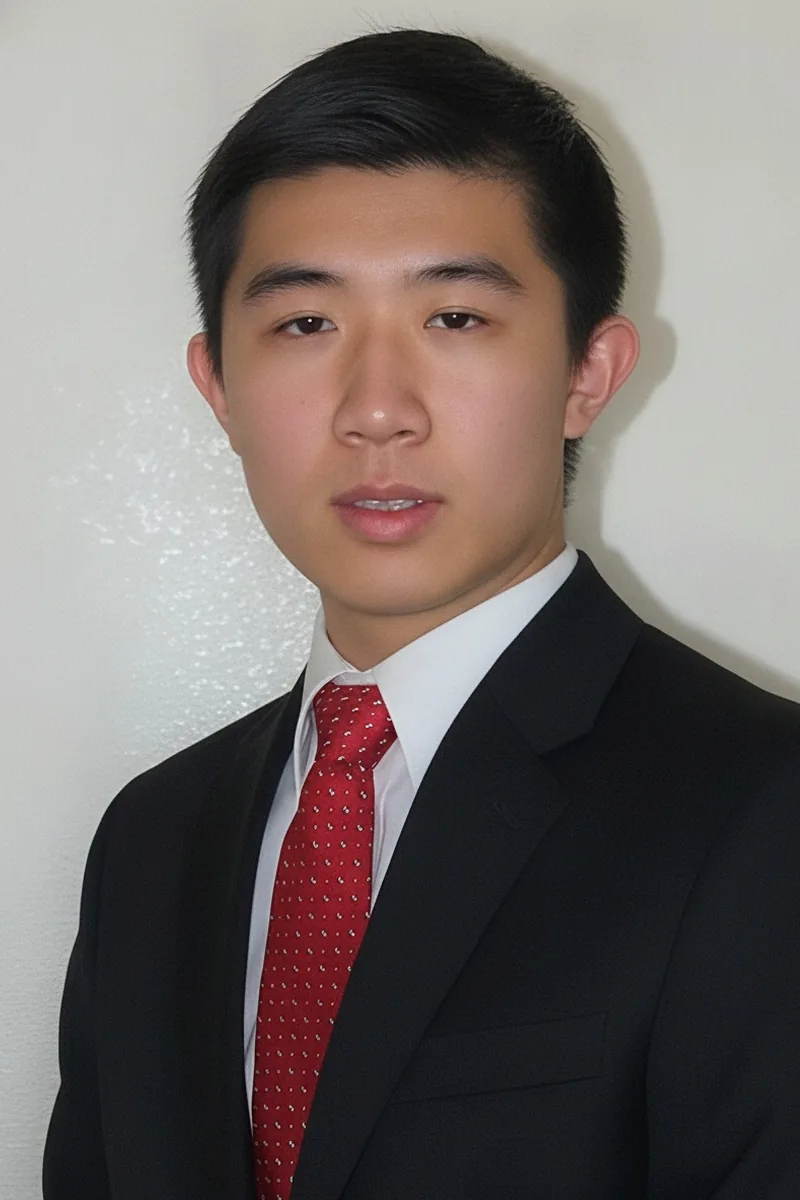
Studying cell and molecular biology at UNLV means Michael spends his coursework immersed in the microbial world — bacterial genetics, metabolic pathways, and the mechanisms behind host-pathogen interactions. He unpacks dense topics like gram staining protocols, viral replication cycles, and antibiotic resistance with the detail of someone who encounters them in lab regularly. Students preparing for exams on microbial physiology or immunology get a tutor who genuinely lives in this material.
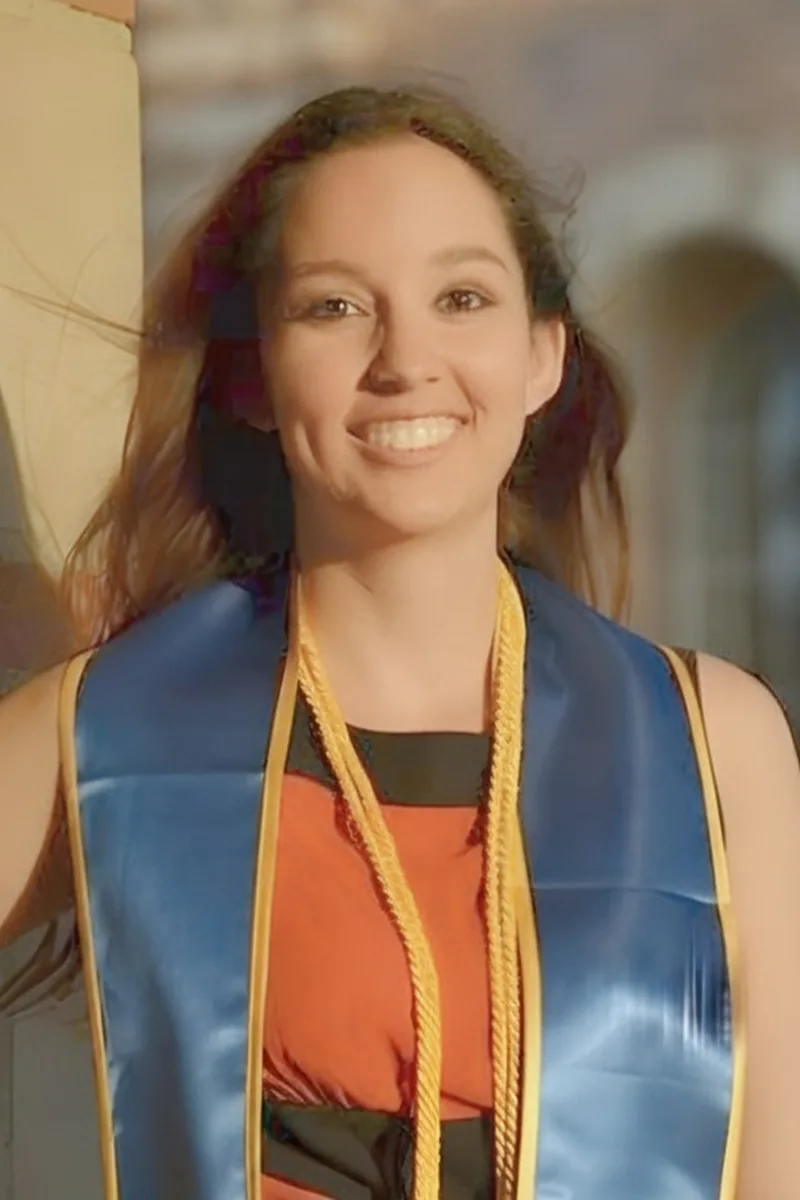
UCLA's Physiological Sciences program put Andrea deep into the biology of how body systems function — and that includes understanding the microorganisms that disrupt or support those systems, from normal flora maintaining gut homeostasis to pathogens triggering inflammatory cascades. She teaches microbiology by linking bacterial and viral behavior back to the host physiology she knows best, so students see infection and immune response as connected processes rather than separate chapters. Rated 4.9 by students.
Studying forensic science means Kyle lives in microbiology — from bacterial culture techniques and Gram staining to understanding how pathogens interact with host immune responses. He breaks down dense topics like microbial genetics and metabolic pathways into logical sequences that are easier to retain for exams. Rated 4.6 by students.
Studying microbiology means juggling bacterial morphology, metabolic pathways, gram staining protocols, and immune response mechanisms all at once. Elizabeth earned her bachelor's in biology and digs into the details of prokaryotic cell structure, viral replication cycles, and antimicrobial resistance with the kind of specificity that turns overwhelming material into a clear framework. She's a strong fit for students in introductory or pre-med micro courses who need to connect lecture content to lab work.
Studying microbiology in preparation for medical school gave Nishad a detailed command of bacterial physiology, viral replication cycles, and immune response pathways. He teaches students to connect structure to function — understanding why Gram-negative bacteria resist certain antibiotics, for instance, by tracing the architecture of their outer membrane.
Understanding microbiology means more than memorizing bacterial classifications — it requires seeing how metabolic pathways, genetic regulation, and environmental pressures shape microbial behavior. Alec studied genetics, genomics, and development at Cornell and taught biology content in both lecture and small-group settings, giving him a knack for making concepts like quorum sensing or virulence factor regulation feel intuitive rather than overwhelming.
Environmental science and public policy might seem distant from microbiology, but Ethan's coursework in biology, chemistry, and ecology covered the microbial ecology and nutrient cycling that underpin environmental systems — how soil bacteria drive nitrogen fixation, how waterborne pathogens behave in different conditions, and why microbial communities matter for public health policy. That environmental angle gives him a unique way of explaining concepts like bacterial metabolism and population dynamics, grounding abstract processes in real-world ecological contexts. Holds a 5.0 rating.
Understanding microbiology means keeping dozens of organisms, metabolic pathways, and virulence mechanisms straight — and knowing when the differences actually matter. Jonathan's human biology training and pre-med preparation at Cornell gave him a clinical lens for bacterial genetics, host-pathogen interactions, and antimicrobial resistance that makes the material more intuitive than rote flashcard review.
Gram staining, metabolic pathways in prokaryotes, viral replication cycles — microbiology requires holding a lot of interconnected detail in your head at once. Amelia's chemistry and biology training gives her a molecular-level fluency that lets her unpack topics like bacterial genetics or host-pathogen interactions without oversimplifying the underlying biochemistry.
Monika's doctoral thesis was in microbiology, so she teaches bacterial physiology, metabolic pathways, and host-pathogen interactions from firsthand research experience. She unpacks dense topics like quorum sensing and biofilm formation by connecting them to the experimental techniques she actually used at the bench.
Studying microbiology at the college level means juggling bacterial classification, metabolic pathways, virulence factors, and immune response mechanisms all at once. Kristin earned her biology degree at the University of Chicago and now applies microbiology daily in her nursing graduate program at Penn, where pathogen behavior and infection control are part of clinical reality rather than just textbook diagrams.
Rebecca tutored microbiology throughout her time at Cornell while completing her biological sciences degree, so she knows exactly where students get lost — distinguishing bacterial metabolic pathways, interpreting Gram stain results, or connecting virulence factors to clinical outcomes. She teaches the subject by building a logical framework around microbial structure and function, which makes memorizing hundreds of organisms far more manageable.
Studying cancer biology at the University of Chicago means Jessica spends time with microbial mechanisms at the cellular and molecular level — bacterial gene regulation, pathogenesis, and immune evasion strategies. She unpacks these dense topics by tying them to specific experimental techniques students encounter in their own coursework.
Michelle's PhD thesis centered on bacterial infections, so microbiology isn't a textbook subject for her — it's the system she lived in for years. She digs into topics like biofilm formation, antimicrobial resistance mechanisms, and host-pathogen dynamics with the kind of specificity that comes from designing experiments around those exact processes.
Neuroscience training at the undergraduate level means Jhonatan spent significant time with the microbial world — understanding how pathogens cross the blood-brain barrier, how CNS infections progress, and how the gut microbiome communicates with neural tissue. He teaches microbial physiology and host interactions by anchoring them to these neuroimmune connections, giving students a narrative thread through what can otherwise feel like an overwhelming catalog of organisms. Rated 5.0 by students.
Bacterial classification, viral replication cycles, and host-pathogen interactions are central to both microbiology coursework and clinical medicine. As a medical student at UMKC, Evelyn encounters these concepts in a clinical context every week, which means she can explain the difference between gram-positive and gram-negative organisms — or how antibiotic resistance develops — with real diagnostic scenarios in mind.
Testimonials
Because the right Microbiology tutor makes all the difference.
Average Session Rating – Based on 3.4M Learner Ratings
Other Spring Valley Tutors
Related Science Tutors in Spring Valley
Frequently Asked Questions
Varsity Tutors matches Spring Valley students with expert Microbiology tutors for 1-on-1 instruction. We pair each student with a tutor based on their specific needs, learning style, and goals.
Whether you need homework help, exam prep, or want to get ahead, our Microbiology tutors are ready to help.
Common challenges include gaps from earlier material, difficulty with specific concepts, and trouble applying learning to new problems. These issues can snowball quickly in Microbiology.
A tutor identifies where you're stuck, fills in gaps, and provides targeted practice. The 1-on-1 format means you get help exactly where you need it.
Tutors work with your student's actual coursework—homework assignments, class notes, and upcoming tests. This keeps tutoring directly relevant to what's happening in the classroom.
When you share information about your student's school and curriculum, we can match you with a tutor who has relevant experience.
All tutors complete background checks, credential verification, and teaching evaluation. Many of our Microbiology tutors hold advanced degrees or have years of teaching experience.
You can review tutor profiles to find someone with the right background for your student's level and needs.
Many students see improved grades within a few weeks, along with better understanding of Microbiology concepts and more confidence tackling challenging material.
Tutors track progress and adjust their approach to ensure continued improvement.
Most students benefit from 1-2 sessions per week. More frequent sessions help if your student is significantly behind or has an important exam coming up.
Your tutor can recommend a schedule based on your student's specific situation and goals.
Tutoring is purchased in packages of hours, with rates varying by tutor experience. Varsity Tutors offers several options to fit different budgets and needs.
You can discuss pricing during your consultation to find what works best.
Your tutor will assess where your student is, discuss goals, and start working on priority areas. Most students bring current homework or upcoming test material to focus on.
By the end, you'll have a clear sense of how the tutor can help and a plan for moving forward.
Let’s find your perfect tutor
Answer a few quick questions. We’ll recommend the right plan and match you with a top 5% tutor.