Award-Winning Microbiology Tutors
serving Reno, NV
Microbiology
Tutors in Reno
Private 1-on-1 tutoring, weekly live classes for academic support, test prep & enrichment, practice tests and diagnostics, and more to elevate grades and test scores.
Based on 3.4M Learner Ratings
UniversitiesSchools & Universities
DeliveredHours Delivered
ProficiencyGrowth in Proficiency
Who needs tutoring?
No obligation. Takes ~1 minute.
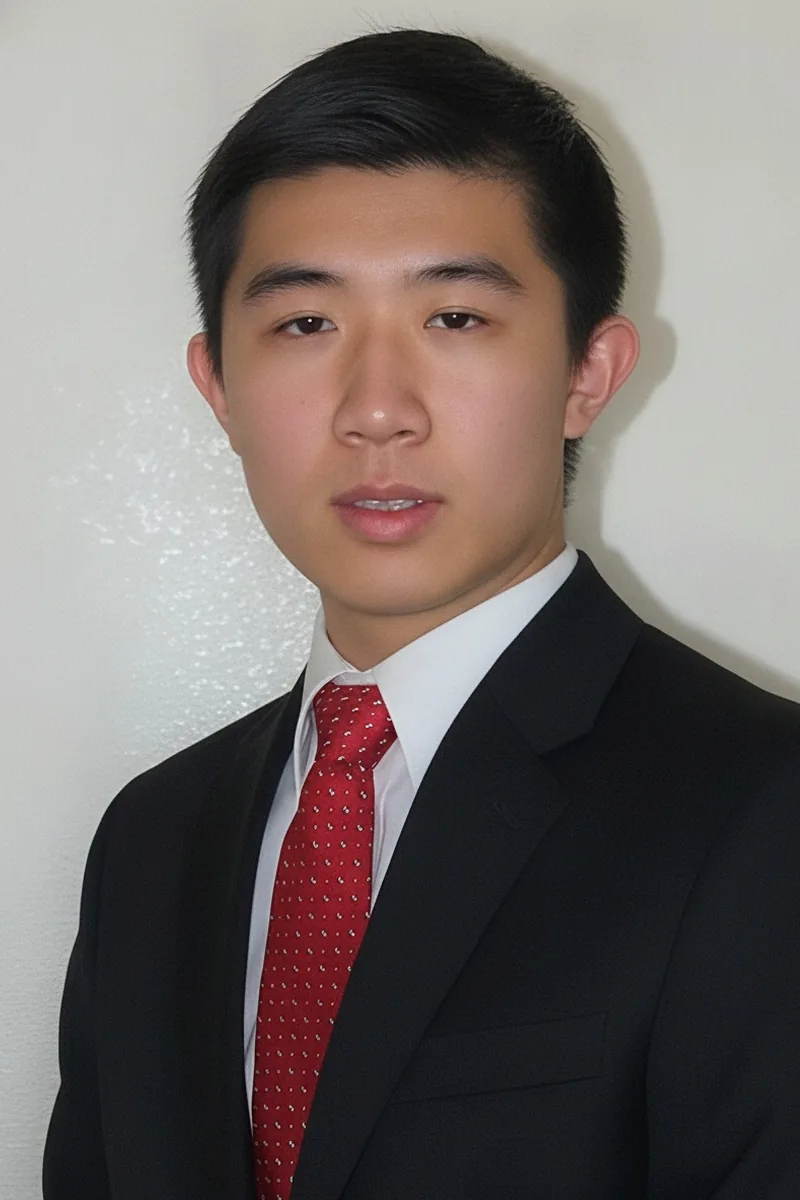
Studying cell and molecular biology at UNLV means Michael spends his coursework immersed in the microbial world — bacterial genetics, metabolic pathways, and the mechanisms behind host-pathogen interactions. He unpacks dense topics like gram staining protocols, viral replication cycles, and antibiotic resistance with the detail of someone who encounters them in lab regularly. Students preparing for exams on microbial physiology or immunology get a tutor who genuinely lives in this material.
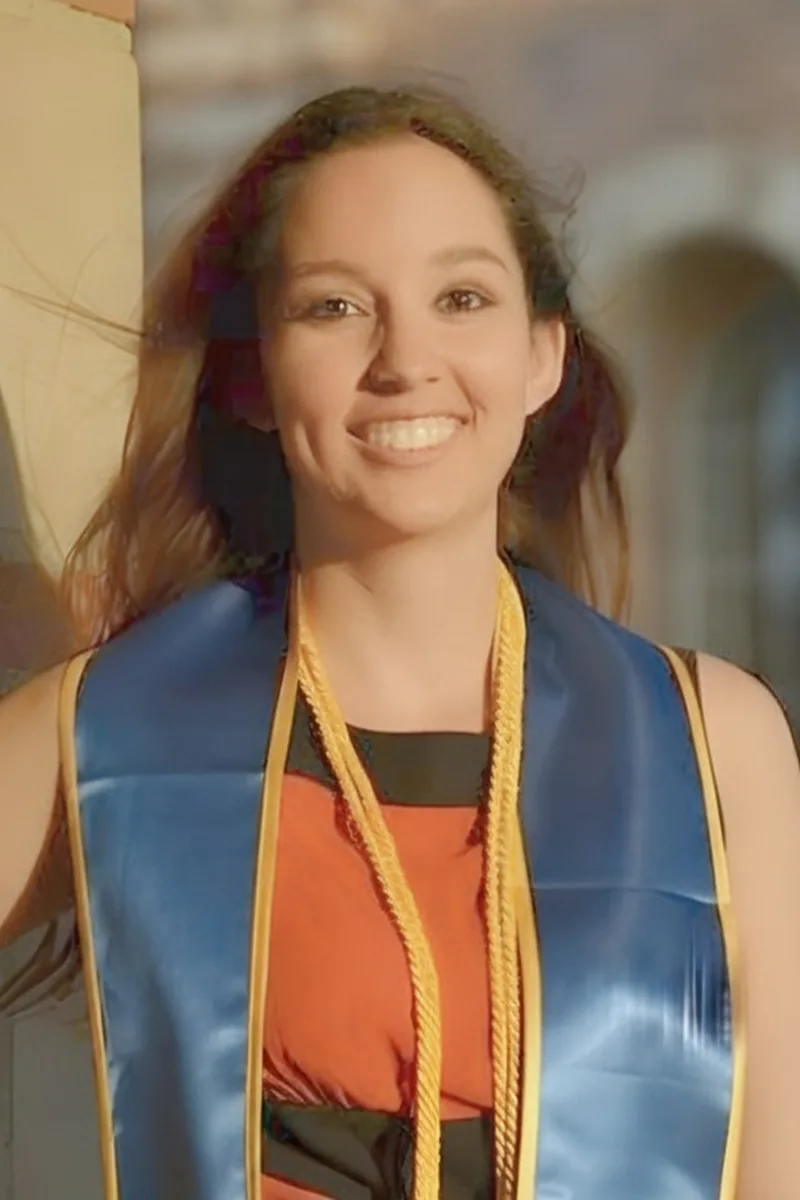
UCLA's Physiological Sciences program put Andrea deep into the biology of how body systems function — and that includes understanding the microorganisms that disrupt or support those systems, from normal flora maintaining gut homeostasis to pathogens triggering inflammatory cascades. She teaches microbiology by linking bacterial and viral behavior back to the host physiology she knows best, so students see infection and immune response as connected processes rather than separate chapters. Rated 4.9 by students.
Studying forensic science means Kyle lives in microbiology — from bacterial culture techniques and Gram staining to understanding how pathogens interact with host immune responses. He breaks down dense topics like microbial genetics and metabolic pathways into logical sequences that are easier to retain for exams. Rated 4.6 by students.
Studying microbiology means juggling bacterial morphology, metabolic pathways, gram staining protocols, and immune response mechanisms all at once. Elizabeth earned her bachelor's in biology and digs into the details of prokaryotic cell structure, viral replication cycles, and antimicrobial resistance with the kind of specificity that turns overwhelming material into a clear framework. She's a strong fit for students in introductory or pre-med micro courses who need to connect lecture content to lab work.
Keeping bacterial classification, metabolic pathways, and virulence factors straight requires more than flashcards — it requires a framework. Rachel approaches microbiology by organizing organisms around how they survive: their energy sources, their structural defenses, and how they interact with host immune responses. That structure turns a sprawling subject into something students can actually reason through on exams.
Garrett's biology degree paired with his coursework in physiology and anatomy means he understands microorganisms in the context of the systems they infect — not as isolated names on a flashcard. He walks through topics like microbial cell structure, pathogen life cycles, and immune evasion strategies by anchoring each organism to the tissue-level damage it actually causes, which turns a massive taxonomy into something students can reason through.
Rebecca tutored microbiology throughout her time at Cornell while completing her biological sciences degree, so she knows exactly where students get lost — distinguishing bacterial metabolic pathways, interpreting Gram stain results, or connecting virulence factors to clinical outcomes. She teaches the subject by building a logical framework around microbial structure and function, which makes memorizing hundreds of organisms far more manageable.
This is Brian's home turf. As a PhD microbiologist and associate professor of the subject at Collin County Community College, he unpacks everything from bacterial gene expression and metabolic pathways to virology and immunological responses with the specificity that upper-level coursework demands. Students get someone who reads the primary literature daily and can translate it into clear, testable understanding.
Bacterial morphology, Gram staining techniques, viral replication cycles — microbiology throws a lot of vocabulary at students before asking them to think critically about pathogenesis and immune response. Ade's biology degree gives him the foundation to break down these interconnected systems and show how individual microorganisms actually behave in clinical and environmental contexts.
Studying microbiology at the college level means juggling bacterial classification, metabolic pathways, virulence factors, and immune response mechanisms all at once. Kristin earned her biology degree at the University of Chicago and now applies microbiology daily in her nursing graduate program at Penn, where pathogen behavior and infection control are part of clinical reality rather than just textbook diagrams.
Neuroscience at Brown doesn't let you skip the micro — Owen's coursework in biology and chemistry built a working understanding of how microorganisms operate at the cellular level, from membrane transport to metabolic regulation. He brings that mechanistic thinking to topics like bacterial growth curves and immune evasion, breaking down each process into the molecular steps that actually explain it.
A Harvard-trained biologist with classroom teaching experience, Elizabeth digs into microbial structure, metabolism, and pathogenesis with genuine enthusiasm for the subject. She's particularly strong at connecting micro-level processes — bacterial gene regulation, viral replication cycles — to the bigger biological picture. Her science teaching background means she can unpack dense material without losing the thread.
Understanding bacterial metabolism, viral replication cycles, and immune response pathways requires more than memorizing diagrams — it requires seeing how microorganisms interact with living systems. Li's training in both speech-and-hearing science and medicine gives her a clinical lens that makes microbiology concepts feel relevant and interconnected.
As a second-year medical student with an undergraduate degree in Molecular, Cell, & Developmental Biology from UCLA, Vinay brings clinical context to microbiology topics like bacterial pathogenesis, viral replication cycles, and antimicrobial resistance mechanisms. He connects each organism's structure to its behavior — explaining *why* gram-negative bacteria respond differently to antibiotics, not just *that* they do. His pharmacology knowledge adds an extra layer for students studying micro in a pre-health context.
Bioengineering trains you to think about microorganisms as systems — how bacterial metabolism, gene regulation, and surface interactions can be modeled, measured, and manipulated. Casey applies that engineering mindset to microbiology topics like growth kinetics and sterilization techniques, breaking down each process into the quantitative and biological components that actually explain it. Her parallel background in physiology and organic chemistry lets her trace microbial behavior from the molecular scale up to host-level effects.
Before pursuing her graduate degree, Kelsey taught microbiology at a community college, designing her own review materials and walking students through bacterial metabolism, microbial genetics, and lab techniques like Gram staining and culture analysis. That classroom experience means she knows which concepts trip students up — and how to explain them differently the second time around. Rated 4.9 by students.
Testimonials
Because the right Microbiology tutor makes all the difference.
Average Session Rating – Based on 3.4M Learner Ratings
Other Reno Tutors
Related Science Tutors in Reno
Frequently Asked Questions
Your first session is focused on understanding where you are right now. A tutor will discuss your current coursework, identify specific topics that feel challenging (like bacterial identification, metabolic pathways, or lab techniques), and learn about your learning style. This helps create a personalized plan tailored to your goals, whether you're preparing for an exam, strengthening lab skills, or building foundational understanding of microbial processes.
Yes. Tutors can help you understand experimental design, interpret lab results, troubleshoot techniques, and connect what you observe in the lab to the underlying microbiology concepts. They can also help you prepare for lab practicals, understand safety protocols, and develop strong scientific reasoning skills—not just memorizing procedures, but understanding why each step matters and what the data tells you.
Microbiology is full of abstract concepts—bacterial cell structures, viral replication, metabolic cycles—that are hard to visualize. Tutors use diagrams, models, analogies, and step-by-step explanations to make these invisible processes tangible. They can break down complex pathways like photosynthesis or chemotaxis into manageable pieces, helping you build a clear mental model rather than just memorizing facts.
Not at all. While microbiology does involve learning terminology and key organisms, real mastery comes from understanding the 'why'—why certain bacteria thrive in specific environments, how antibiotic resistance develops, or how immune responses target pathogens. Tutors focus on building conceptual understanding first, which makes memorization easier and more meaningful. This approach helps you apply knowledge to new scenarios, not just recall facts on an exam.
Students often find metabolic pathways (like glycolysis and the citric acid cycle), bacterial genetics and gene regulation, and distinguishing between similar organisms challenging. Microbiology also requires strong chemistry foundations—understanding pH, osmosis, and chemical reactions—which can trip up students. Tutors address these gaps directly, whether by reviewing chemistry concepts, using visual aids for complex cycles, or breaking down genetics step-by-step.
Varsity Tutors connects you with expert tutors who specialize in microbiology and understand how to teach it effectively. You'll be matched with someone based on your specific needs—whether you need help with general microbiology, medical microbiology, or lab-focused support. The process is straightforward: tell us what you're working on, and we'll connect you with a tutor who's a great fit for your goals and schedule.
A tutor can help you identify which topics are likely to appear on your exam, practice problem-solving under timed conditions, review past exams or practice questions, and clarify any remaining misconceptions. They'll also help you develop study strategies and teach you how to approach different question types—whether it's identifying organisms from descriptions, interpreting experimental data, or applying concepts to new scenarios.
Yes. Whether you're taking introductory microbiology, medical microbiology, environmental microbiology, or advanced specialty courses, Varsity Tutors can connect you with tutors who have expertise at the college level. College microbiology often moves faster and goes deeper than high school biology, so personalized instruction can help you keep up and truly master the material.
Let’s find your perfect tutor
Answer a few quick questions. We’ll recommend the right plan and match you with a top 5% tutor.