Award-Winning Economics Tutors
serving Paradise, NV
Economics
Tutors in Paradise
Private 1-on-1 tutoring, weekly live classes for academic support, test prep & enrichment, practice tests and diagnostics, and more to elevate grades and test scores.
Based on 3.4M Learner Ratings
UniversitiesSchools & Universities
DeliveredHours Delivered
ProficiencyGrowth in Proficiency
Who needs tutoring?
No obligation. Takes ~1 minute.
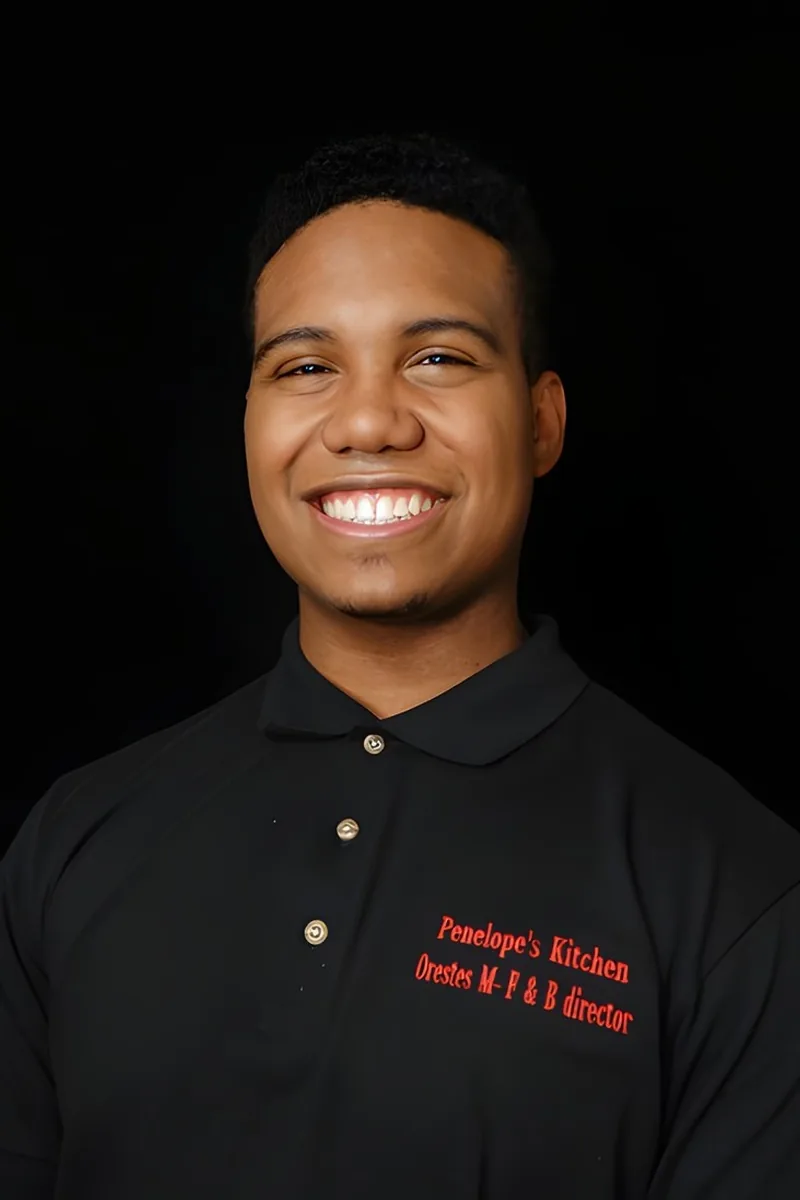
Orestes teaches accounting, finance, and economics across high school and college levels, which means he can show students how microeconomic concepts like pricing strategy and cost analysis actually flow into the financial statements and business decisions they'll encounter in related courses. His breadth across all four accounting specialties — financial, managerial, cost, and college — gives him an unusually concrete toolkit for explaining economic trade-offs in terms of real dollars and real firms. Rated 4.9 by his students.
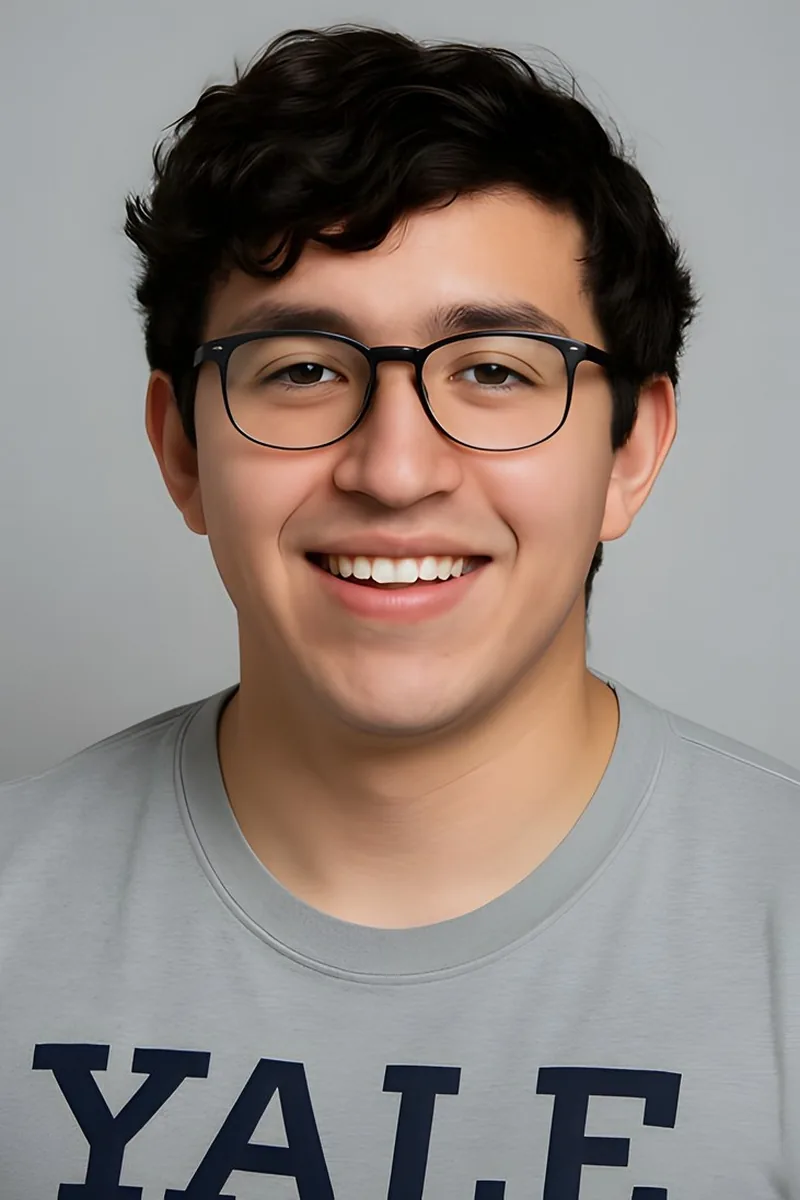
I'm naturally smart. I'm not that guy that can just look at a problem on the board and just figure it out in seconds. I hate asking that guy for help because he doesn't know how to explain somethinghe just gets it right away. He's never sat down and broken it down. I never was that guy and I will never be that guy.
I am a Junior pursing Accounting and Finance at the Kelley School of Business at Indiana University-Bloomington. I have 8+ years of experience tutoring students from ages 7-40 years old. Patience with each of my students is what helps me be the best tutor in their learning process. I don't teach students but rather I involve them in the learning process so that they can be confident when solving the problems at hand.
Supply and demand curves are easy enough to draw — the hard part is understanding elasticity, equilibrium shifts, and what happens when you layer in government intervention. Conor's dual background in mathematics and finance from the University of Pittsburgh means he can walk through both the graphical intuition and the underlying algebra that drives economic models.
I am graduated from Penn State University in Industrial Engineering in 2017. I've tutored ever since I was in high school, and I love helping people! I like to help my students understand math (and other topics) instead of just doing it blindly. My goal is to help my students improve their math (and other topics) and build skills that will help them find learning easier in the future! Fun fact, I used to work for Disney and I like to salsa dance!
Matt's finance degree means he learned economics not as an isolated academic subject but as the engine behind investment decisions, corporate strategy, and market behavior — so when he teaches concepts like elasticity or market structures, he can show students where the theory actually lands. His SAT score of 1530 also signals the kind of sharp analytical reading that economics coursework demands, especially when students need to interpret dense graphs or parse tricky problem setups.
Supply and demand curves are straightforward until you layer in elasticity, market failures, and government intervention — then economics gets interesting. Eliza earned her economics degree from Penn and tackles concepts like comparative advantage and marginal analysis by tying them to real-world examples students actually recognize, from streaming service pricing to minimum wage debates.
Studying finance at UGA means Vignesh works with economic concepts as living inputs — interest rates, market structures, consumer behavior — not just textbook diagrams, since his coursework requires applying micro and macro reasoning to actual corporate and investment decisions. He also teaches AP Micro and AP Macro, so he knows exactly where introductory students get tripped up on topics like elasticity, market failures, and the mechanics of fiscal versus monetary policy. Rated 5.0 by his students.
Supply and demand curves are simple enough on the surface, but economics gets tricky fast once students hit elasticity, market structures, or macroeconomic models. Emma minored in economics at Harvard, so she can unpack concepts like comparative advantage or fiscal policy with real-world examples that make the math and the theory click together. She holds a 5.0 client rating.
Three economics degrees deep, Simon lives in supply-and-demand curves, GDP models, and game theory the way most people live in their native language. He unpacks concepts like elasticity, monetary policy, and market equilibrium by tying them to real headlines — tariff debates, Federal Reserve decisions, housing markets — so the math and the intuition reinforce each other.
Supply and demand curves are just the starting point — Dawn digs into the mechanics of market equilibrium, elasticity, monetary policy, and game theory that make economics click at the college level. Her B.S. in Economics with a finance concentration from Duke means she can connect textbook models to how markets actually behave.
Studying economics and finance at Wharton means Samica encounters micro and macroeconomic theory daily — supply and demand curves, market structures, GDP modeling — and can translate those concepts into clear, intuitive explanations. She connects abstract ideas like elasticity or comparative advantage to real-world business cases, which makes the material stick far better than rote definition review.
Studying economics at Dartmouth with a computational emphasis, Eric digs into both the theoretical models and the real-world data that test them. He's particularly effective at unpacking concepts like elasticity, comparative advantage, and market equilibrium — translating the math into plain-language reasoning that sticks.
As a Cornell economics major, Tameem is still immersed in the coursework — working through the same models, problem sets, and exam formats that students are currently facing. That proximity to the material makes him particularly sharp on the foundational concepts that drive intro and high school economics, like how shifts in aggregate demand connect to unemployment and inflation or why price elasticity changes a firm's revenue strategy.
Applying to PhD programs in applied mathematics means Romeo lives in the quantitative world that most economics students find intimidating — the calculus behind marginal analysis, the optimization problems in consumer and producer theory, the statistical models that underpin econometric reasoning. His math degree and 1510 SAT give him the analytical toolkit to break down the equations hiding inside economic concepts, making the transition from intuitive supply-and-demand reasoning to formal modeling feel far less daunting.
Testimonials
Because the right Economics tutor makes all the difference.
Average Session Rating – Based on 3.4M Learner Ratings
Other Paradise Tutors
Related Business Tutors in Paradise
Frequently Asked Questions
Varsity Tutors matches Paradise students with expert Economics tutors for 1-on-1 instruction. We pair each student with a tutor based on their specific needs, learning style, and goals.
Whether you need homework help, exam prep, or want to get ahead, our Economics tutors are ready to help.
Common challenges include gaps from earlier material, difficulty with specific concepts, and trouble applying learning to new problems. These issues can snowball quickly in Economics.
A tutor identifies where you're stuck, fills in gaps, and provides targeted practice. The 1-on-1 format means you get help exactly where you need it.
Tutors work with your student's actual coursework—homework assignments, class notes, and upcoming tests. This keeps tutoring directly relevant to what's happening in the classroom.
When you share information about your student's school and curriculum, we can match you with a tutor who has relevant experience.
All tutors complete background checks, credential verification, and teaching evaluation. Many of our Economics tutors hold advanced degrees or have years of teaching experience.
You can review tutor profiles to find someone with the right background for your student's level and needs.
Many students see improved grades within a few weeks, along with better understanding of Economics concepts and more confidence tackling challenging material.
Tutors track progress and adjust their approach to ensure continued improvement.
Most students benefit from 1-2 sessions per week. More frequent sessions help if your student is significantly behind or has an important exam coming up.
Your tutor can recommend a schedule based on your student's specific situation and goals.
Tutoring is purchased in packages of hours, with rates varying by tutor experience. Varsity Tutors offers several options to fit different budgets and needs.
You can discuss pricing during your consultation to find what works best.
Your tutor will assess where your student is, discuss goals, and start working on priority areas. Most students bring current homework or upcoming test material to focus on.
By the end, you'll have a clear sense of how the tutor can help and a plan for moving forward.
Let’s find your perfect tutor
Answer a few quick questions. We’ll recommend the right plan and match you with a top 5% tutor.