Award-Winning Microeconomics Tutors
serving Paradise, NV
Microeconomics
Tutors in Paradise
Private 1-on-1 tutoring, weekly live classes for academic support, test prep & enrichment, practice tests and diagnostics, and more to elevate grades and test scores.
Based on 3.4M Learner Ratings
UniversitiesSchools & Universities
DeliveredHours Delivered
ProficiencyGrowth in Proficiency
Who needs tutoring?
No obligation. Takes ~1 minute.
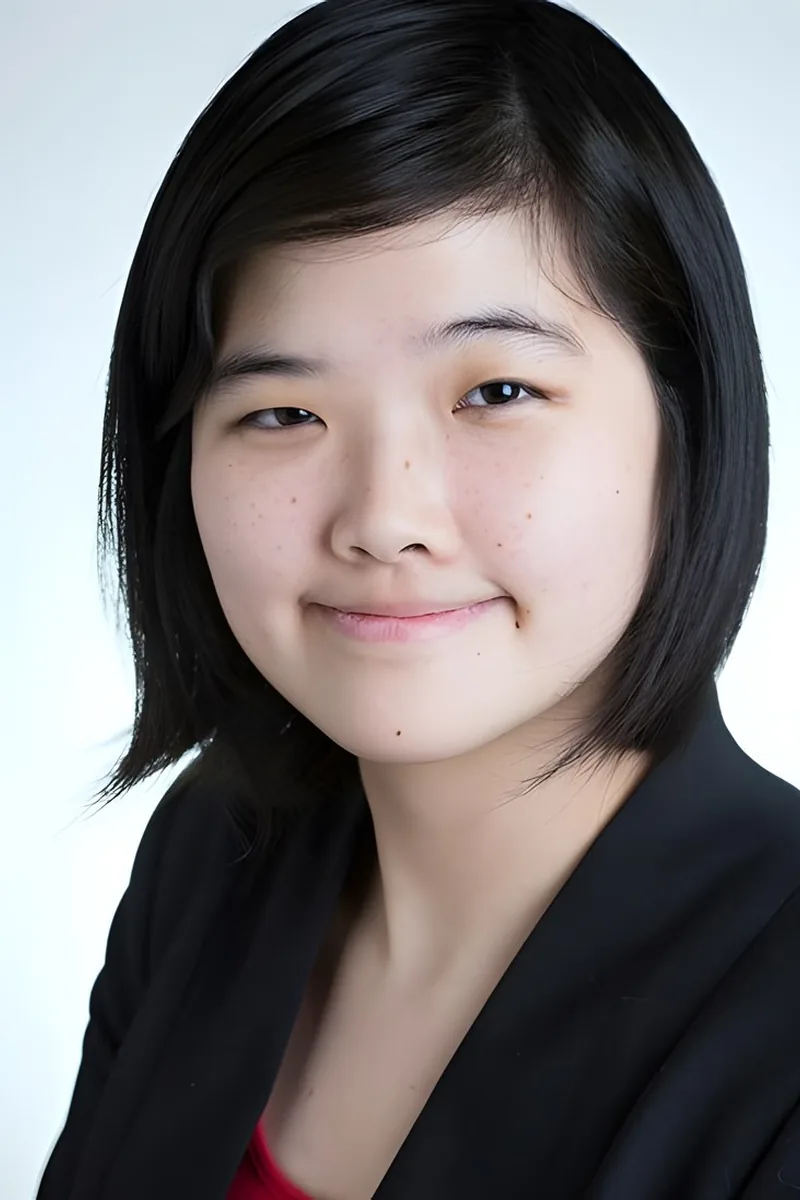
Supply and demand curves are simple enough on the surface — the challenge is applying them to market structures, elasticity problems, and policy analysis without losing the intuition. Karen's MBA training in finance and accounting gives her a practical grasp of how firms actually make pricing and production decisions. She connects textbook models to real business scenarios, which makes abstract graphs click.
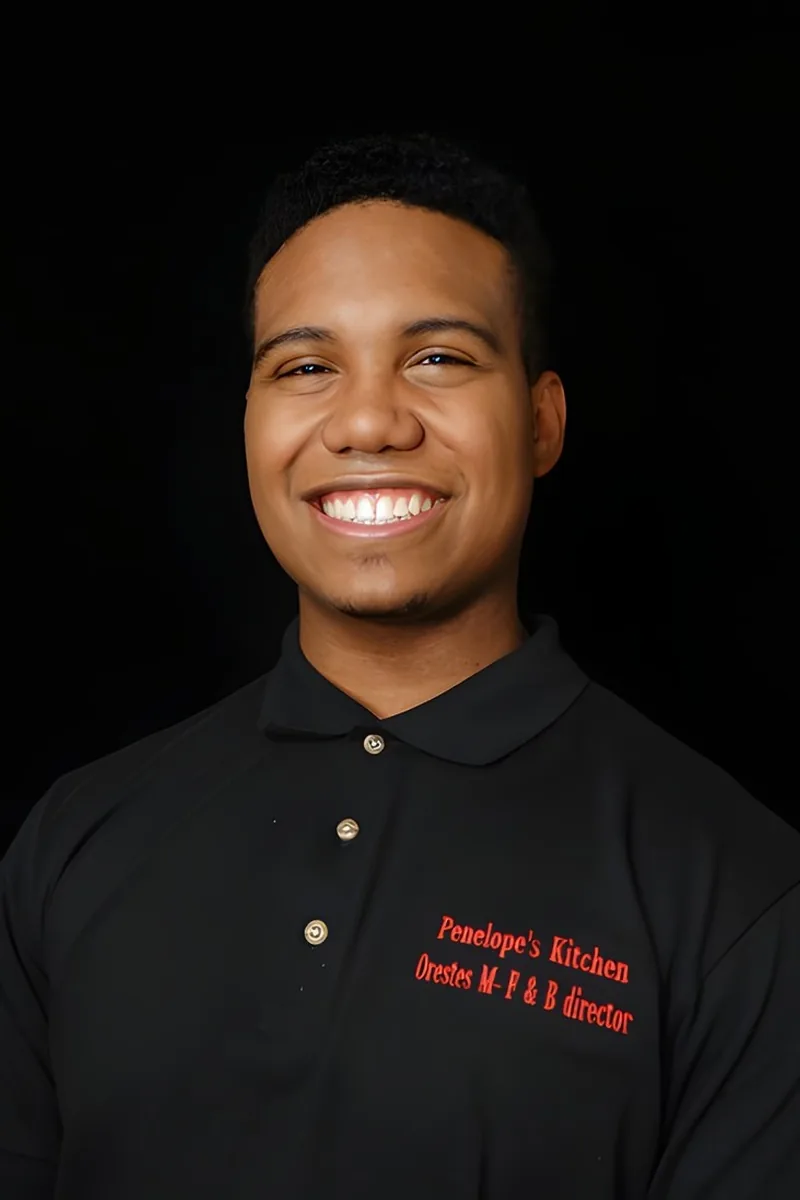
Perfect competition, monopoly, oligopoly — microeconomics asks students to master four market structures that all use similar-looking graphs but follow very different logic. Orestes zeroes in on the decision-making at the firm level, walking through profit maximization, price discrimination, and deadweight loss until students can distinguish each structure on sight. His 4.9 rating speaks to an approach that makes those distinctions stick.
I'm naturally smart. I'm not that guy that can just look at a problem on the board and just figure it out in seconds. I hate asking that guy for help because he doesn't know how to explain somethinghe just gets it right away. He's never sat down and broken it down. I never was that guy and I will never be that guy.
Introductory microeconomics is where Reed cut his teeth as a tutor — he served as a prefect and TA for Carleton College's micro courses, running both classroom sessions and one-on-one reviews. He digs into consumer and producer theory, cost curves, and market structures with an emphasis on connecting the graphs to the underlying math so each concept reinforces the other.
Elasticity, consumer surplus, market structures, deadweight loss — microeconomics is full of concepts that seem intuitive until you're asked to graph them or solve for equilibrium mathematically. Hans pairs his Northwestern economics training with a knack for walking through the algebra behind the graphs, making sure students understand both the visual and quantitative sides of each model. He holds a 5.0 rating.
Consumer optimization, cost curves, and market structure problems all follow a logic that becomes predictable once you see the underlying math clearly. Marshall approaches microeconomics by walking through the calculus and graphical reasoning together, so students understand not just where the profit-maximizing quantity lands but why. His Northwestern economics training keeps the explanations rigorous without making them inaccessible.
David's sociology research at Columbia and Chicago trained him to model how individuals make decisions under constraints — which is exactly what microeconomics formalizes with utility functions, budget lines, and optimization problems. His computer science background adds fluency with the quantitative side, from setting up cost minimization equations to interpreting the slopes of indifference curves. Rated 4.9 by students.
Consumer choice theory, production functions, and game theory matrices each demand a slightly different way of thinking — and that's where most micro students get stuck. Albert tackles each framework on its own terms, drawing on his MBA economics training to show why firms price-discriminate, how externalities distort market outcomes, and what happens when you shift from perfect competition to oligopoly.
Sami earned his economics and computer science degrees at Duke, then moved into management consulting and corporate finance before starting his MBA at Yale — so when he teaches concepts like profit maximization under different market structures or strategic pricing in oligopolies, he's drawing on decisions he's actually watched firms make. That blend of academic rigor and industry experience makes the leap from textbook models to problem-set application much smoother.
Cognitive science trained Amanda to think about how people make decisions under constraints — which is essentially what microeconomics formalizes with models of consumer choice, firm behavior, and resource allocation. She breaks down the reasoning behind concepts like utility maximization and market equilibria by connecting them to the decision-making frameworks she studied at Northwestern, making the abstract logic behind the graphs feel grounded and intuitive.
With an applied math degree and PhD-level engineering work, Professor Florence tackles microeconomics from a deeply quantitative angle — the kind that makes optimization problems, constrained utility maximization, and cost function analysis feel like natural extensions of calculus rather than foreign territory. She teaches the mathematical machinery behind economic models so students understand what they're solving, not just how to push symbols around on an exam.
Supply and demand curves are just the starting point — Elliot digs into elasticity, market structures, and consumer theory with the rigor you'd expect from a University of Chicago economics student. He breaks down concepts like marginal utility and producer surplus using real-world pricing scenarios that make the math behind the graphs click. Rated 4.9 by students.
Elasticity is where most microeconomics students first feel lost — the formulas seem straightforward, but applying them to tax incidence or consumer surplus problems requires real conceptual understanding. Mustafa tackles these topics by working through progressively harder problems and explaining the economic intuition at each step. Four years of tutoring have given him a sharp sense of where students get stuck between "I memorized it" and "I actually get it."
Studying finance at Boston College means Andy works with microeconomic principles daily — how firms price products, why markets allocate resources the way they do, and what happens when they don't. He brings that applied lens to concepts like profit maximization and market structures, grounding abstract graphs in the kind of real business reasoning that makes them click. Rated 5.0 by students.
From elasticity calculations to the nuances of monopolistic competition, microeconomics requires students to think graphically and verbally at the same time. David breaks down each market structure by walking through the firm's decision-making process step by step — where marginal cost meets marginal revenue, why profits shrink in the long run, and what happens when assumptions change. His entrepreneurship background means these aren't hypothetical firms to him.
Testimonials
Because the right Microeconomics tutor makes all the difference.
Average Session Rating – Based on 3.4M Learner Ratings
Other Paradise Tutors
Related Business Tutors in Paradise
Frequently Asked Questions
Varsity Tutors matches Paradise students with expert Microeconomics tutors for 1-on-1 instruction. We pair each student with a tutor based on their specific needs, learning style, and goals.
Whether you need homework help, exam prep, or want to get ahead, our Microeconomics tutors are ready to help.
Common challenges include gaps from earlier material, difficulty with specific concepts, and trouble applying learning to new problems. These issues can snowball quickly in Microeconomics.
A tutor identifies where you're stuck, fills in gaps, and provides targeted practice. The 1-on-1 format means you get help exactly where you need it.
Tutors work with your student's actual coursework—homework assignments, class notes, and upcoming tests. This keeps tutoring directly relevant to what's happening in the classroom.
When you share information about your student's school and curriculum, we can match you with a tutor who has relevant experience.
All tutors complete background checks, credential verification, and teaching evaluation. Many of our Microeconomics tutors hold advanced degrees or have years of teaching experience.
You can review tutor profiles to find someone with the right background for your student's level and needs.
Many students see improved grades within a few weeks, along with better understanding of Microeconomics concepts and more confidence tackling challenging material.
Tutors track progress and adjust their approach to ensure continued improvement.
Most students benefit from 1-2 sessions per week. More frequent sessions help if your student is significantly behind or has an important exam coming up.
Your tutor can recommend a schedule based on your student's specific situation and goals.
Tutoring is purchased in packages of hours, with rates varying by tutor experience. Varsity Tutors offers several options to fit different budgets and needs.
You can discuss pricing during your consultation to find what works best.
Your tutor will assess where your student is, discuss goals, and start working on priority areas. Most students bring current homework or upcoming test material to focus on.
By the end, you'll have a clear sense of how the tutor can help and a plan for moving forward.
Let’s find your perfect tutor
Answer a few quick questions. We’ll recommend the right plan and match you with a top 5% tutor.