Award-Winning Literature Tutors
serving Las Vegas, NV
Literature
Tutors in Las Vegas
Private 1-on-1 tutoring, weekly live classes for academic support, test prep & enrichment, practice tests and diagnostics, and more to elevate grades and test scores.
Based on 3.4M Learner Ratings
UniversitiesSchools & Universities
DeliveredHours Delivered
ProficiencyGrowth in Proficiency
Who needs tutoring?
No obligation. Takes ~1 minute.

Reading a novel closely means learning to ask better questions — why does the author shift point of view here, what does that recurring image actually do, how does structure shape meaning? Daniel's love of books and reading makes him a natural fit for literary analysis, and he teaches students to build interpretive arguments grounded in textual evidence rather than plot summary.
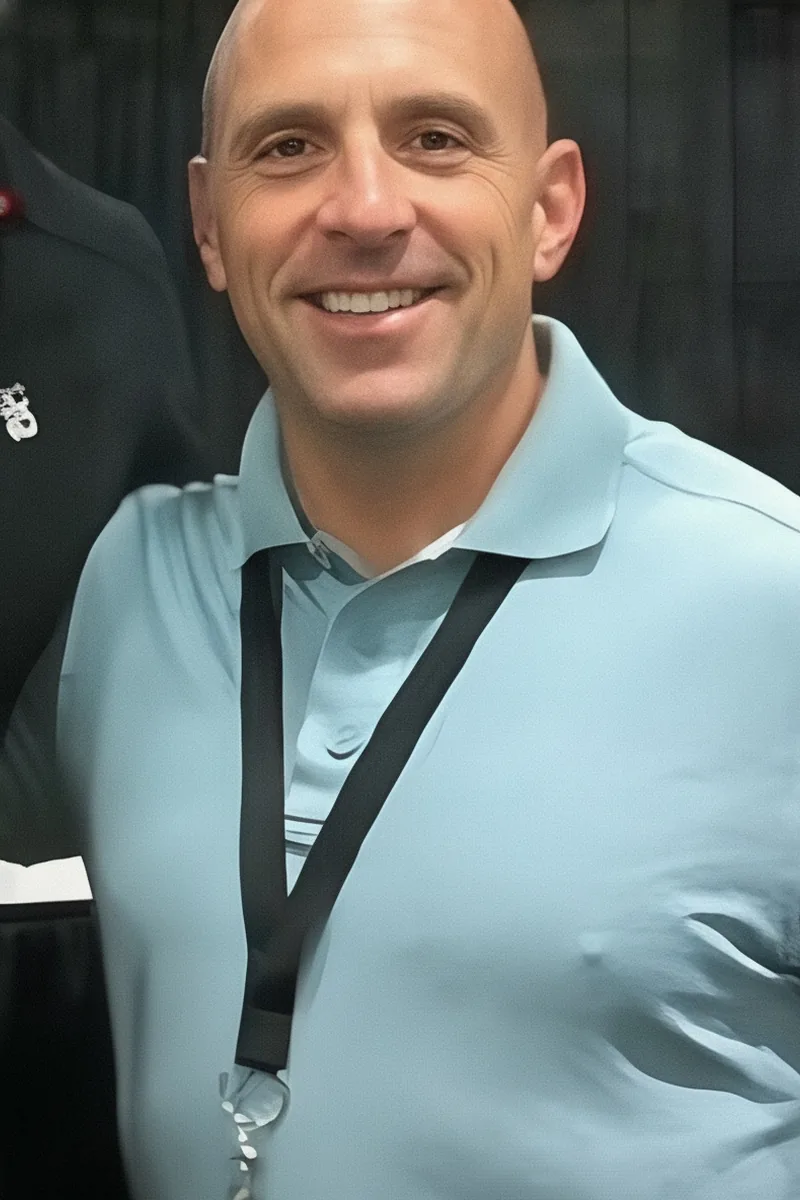
Reading literature across English, Spanish, and Portuguese traditions gives Tony an unusually wide lens for analyzing narrative structure, symbolism, and authorial intent. He teaches students to build close-reading arguments by anchoring claims in specific textual evidence, whether they're unpacking a Shakespeare soliloquy or a García Márquez short story.
Northwestern's engineering curriculum doesn't leave much room for literature electives, but Dylan's coursework in college English, world literature, and essay writing means he's done serious work analyzing how authors construct meaning on the page. He teaches students to zero in on a specific technique — say, how a narrator's unreliability reshapes everything a reader thought they understood — and build that observation into a thesis they can defend with concrete textual evidence. Holds a 5.0 rating.
Reading a novel for class and actually analyzing it are two different skills, and the gap usually shows up when students try to write about theme or characterization. Cassandra teaches close-reading techniques — tracking motifs, identifying narrative structure, connecting a character's language to their arc — that turn vague impressions into concrete literary arguments.
An avid reader across genres, Shawn brings genuine curiosity to literary analysis — whether a student is dissecting symbolism in a novel or tracing how an author builds tension through narrative structure. He emphasizes close reading as a skill: slowing down to examine word choice, point of view, and tone before jumping to interpretation.
Gabriela's sociology training taught her to read texts for underlying arguments about power, identity, and social structure — skills that translate directly to literary analysis. She teaches students to move from surface-level plot summary to examining how an author uses narrative voice, symbolism, or structure to build meaning.
Reading literature across three languages — Italian, Spanish, and English — gave Martina an unusual lens for analyzing how authors use structure, tone, and cultural context to build meaning. She teaches students to move past surface-level plot summary and dig into close reading techniques like tracking motifs, examining narrative perspective, and constructing thesis-driven arguments about a text.
Reading literature closely means learning to ask better questions — why does this character contradict herself, what's the author doing with that recurring image, how does structure shape meaning? Emily approaches texts analytically, teaching students to build interpretive arguments grounded in textual evidence rather than surface-level summary.
Approaching literature as an analytical exercise — identifying how an author builds an argument through imagery, structure, and character — makes it accessible even to students who consider themselves "math people." Zelalem leans into close reading techniques, teaching students to pull specific textual evidence and construct interpretations that hold up under scrutiny. His logical, step-by-step style turns essay prompts into problems with workable frameworks.
An avid reader in his own time, Michael approaches literature by teaching students to build arguments from the text outward — tracking imagery, narrative structure, or a character's evolving language before reaching for broader thematic claims. His science training actually strengthens this process: he treats close reading like hypothesis testing, where every interpretation needs textual evidence to hold up. That analytical rigor translates well to essay writing and class discussion alike.
Reading a novel for class and actually analyzing it are two very different skills. Serena teaches students to dig into literary devices — symbolism, narrative structure, unreliable narration — and build interpretive arguments supported by textual evidence. Her 1510 SAT score reflects sharp reading comprehension she now channels into close-reading strategies for poetry, fiction, and drama.
Studying international relations at Tufts meant reading dense political theory, historical narratives, and cross-cultural texts — training that translates directly into close literary analysis. Michelle teaches students to dig into how authors use structure, tone, and figurative language to build meaning, whether the text is a Victorian novel or a contemporary short story. Her background with the SAT Subject Test in Literature adds a test-prep dimension for students who need both analytical depth and exam strategy.
An avid reader outside the classroom, Deepal approaches literature by teaching students how to trace a theme or motif across a full text rather than analyzing passages in isolation. He breaks down close-reading techniques — identifying tone shifts, unreliable narrators, symbolic patterns — that make essay writing and class discussion far more concrete.
Reading a novel for class and actually analyzing it are two different skills, and Sam bridges that gap by teaching students to track how an author builds meaning through imagery, structure, and point of view. His dual arts background — plus the close-reading rigor he developed preparing for the LSAT — makes him especially sharp at unpacking dense or ambiguous texts.
Reading literature well means doing more than following the plot; it means noticing how an author uses structure, imagery, or point of view to build meaning. Megan's interdisciplinary background — economics, government, legal studies — trained her to read texts critically across genres, and she applies that same close-reading discipline to poetry, novels, and drama.
Studying anthropology at the university level means reading texts for subtext — examining what a narrative reveals about power, identity, and culture. Phonemany brings that same analytical lens to literature, teaching students to dig into themes, symbolism, and authorial intent rather than just summarizing plot.
Elizabeth's college essays and essay editing work means she regularly coaches students through the exact skill literature courses demand: turning a close observation about a text into a clear, defensible written argument. She zeroes in on how students articulate what they notice — whether it's a shift in a narrator's tone or a pattern in a story's imagery — and teaches them to build that observation into a paragraph with specific textual support.
Lauryn reads voraciously and brings a historian's eye to literature, teaching students to place texts in their cultural and political contexts. She unpacks how to analyze themes, track character development, and write close readings that go beyond surface-level plot summary — connecting a novel's language choices to the larger arguments an author is making.
Reading a novel closely is surprisingly similar to debugging code — both require tracking patterns, questioning assumptions, and building an interpretation from evidence. Million brings that analytical rigor to literature, teaching students to dig into themes, symbolism, and narrative structure across poetry, fiction, and drama. His own love of books keeps the conversations genuine rather than mechanical.
Reading literature closely means learning to spot how an author's choices — symbolism, narrative structure, tone shifts — build meaning beneath the surface. Karen approaches literary analysis as an active conversation with the text, teaching students to develop thesis-driven arguments and support them with precise textual evidence. Her emphasis on critical thinking over summary gives students tools they can apply across genres and time periods.
Approaching a novel or poem analytically is a different skill than simply reading it, and that shift trips up a lot of students. Samuel connects literary analysis to the kind of evidence-based reasoning he uses in his science coursework — identifying a claim in the text, supporting it with specific passages, and building an argument. He's rated 5.0 by students for his clear, structured explanations.
Reading a novel is one thing; analyzing how an author uses symbolism, narrative structure, or unreliable narration to build meaning is another skill entirely. Katherine approaches literature by teaching students to ask precise questions of a text — why this metaphor here, why this shift in point of view — so that essays and class discussions move beyond plot summary into genuine interpretation.
Reading literature through an anthropological lens gives Justin an unusual edge: he teaches students to analyze texts as cultural artifacts, not just plot summaries. Whether unpacking symbolism in Toni Morrison or dissecting the unreliable narrator in Nabokov, he connects close reading to the bigger questions a work is asking.
Andrea approaches literature by teaching students to read like detectives — tracking recurring imagery, unreliable narrators, and shifts in tone that reveal what a text is really arguing. Her experience working with junior youth ages 11–15 sharpened her ability to make close reading feel like problem-solving rather than guesswork.
Reading a novel for class and actually analyzing it are two different skills — one is following a plot, the other is unpacking how imagery, narrative voice, and structure create meaning. Kendra is a voracious reader whose sociology coursework at Fordham has deepened her ability to examine texts through social, historical, and thematic lenses. She teaches students to build interpretive arguments that go beyond surface-level summary.
Reading a novel is one thing — identifying how an unreliable narrator reshapes a story's meaning, or tracing a motif across chapters, is another skill entirely. Sanda's English degree and graduate-level ESOL training give her a sharp eye for literary analysis, and she teaches students to build interpretive arguments grounded in the text itself.
Unpacking a poem or novel requires the same close-reading instincts Kyle uses in forensic science: examine the evidence in the text, form a hypothesis about meaning, and test it against every line. He teaches students to move from gut reactions to supported interpretations, whether they're analyzing symbolism in The Great Gatsby or dissecting a Shakespearean soliloquy.
Alexis reads literature the way her International Relations training taught her to read the world — by asking whose perspective is centered, what's left unsaid, and how context shapes meaning. Whether the text is a 19th-century American novel or a contemporary short story, she unpacks themes, symbolism, and narrative structure in ways that make class discussions and analytical essays far easier to tackle.
Reading a novel for class and actually analyzing it are two different skills, and the gap usually shows up when students try to write about theme, symbolism, or narrative structure. Henry approaches literary analysis the way he approaches scientific problems — by breaking a text into its moving parts and asking what each one does. That analytical lens, sharpened by his honors coursework, makes close reading feel less like guesswork.
A semester at the Sorbonne analyzing French literary texts alongside his NYU coursework gave Chris practice reading closely across languages and traditions. He teaches students to dig into narrative structure, symbolism, and authorial intent — the skills that turn a vague "I liked it" into a sharp, evidence-driven literary argument.
Reading a novel for class and actually analyzing it are two different skills, and the gap between them trips up more students than any difficult vocabulary word. Elizabeth teaches close-reading techniques — tracking motifs, unpacking an unreliable narrator, connecting a text's structure to its themes — so students can build original arguments rather than parroting SparkNotes summaries.
Reading a novel closely means more than summarizing plot — it means tracking how an author uses imagery, dialogue, and structure to build meaning. Vishaal teaches students to develop interpretive arguments and support them with textual evidence, turning vague reactions into sharp literary analysis.
Reading a novel for class is one thing; constructing an argument about theme, symbolism, or narrative structure is another skill entirely. Aaron approaches literary analysis the way an engineer approaches a system — identify the moving parts, trace how they connect, and build a claim from the evidence. His structured method is especially useful for students who feel confident reading but freeze when it's time to write about what they've read.
Reading a novel for class and actually analyzing it are two very different skills. Mackenzie teaches students to unpack literary devices like symbolism, unreliable narration, and thematic motifs so they can build arguments about a text rather than just retell the plot.
A self-described reader who still dives into a good book whenever he can, Brandon approaches literature by teaching students to read like writers — noticing how an author's diction, structure, and imagery build meaning. His English coursework at UNLV keeps him sharp on everything from close reading poetry to analyzing the thematic layers of a novel.
Ready to meet you right where you need me. With a background for teaching and tutoring both in person and online. I am dedicated to crafting each lesson to your needs.
Reading literature through a philosopher's lens, Tim teaches students to dig into a text's argument — what a narrator's unreliability reveals, how metaphor carries thematic weight, why an author structures a plot the way they do. His dual background in philosophy and writing means close-reading sessions go beyond surface-level summary into the kind of analysis that earns top marks on essays and exams.
Reading a novel and analyzing a novel are two very different skills, and Yasmeen bridges that gap by teaching students to track specific literary elements — symbolism, narrative perspective, tone — as they read. Her background in history and political science at Penn adds a contextual lens that makes texts like *The Great Gatsby* or *Beloved* feel grounded in real stakes rather than classroom abstraction.
I'm trying to work on personal projects. I really enjoy snowboarding, and have been doing that since the third grade. I also enjoy playing sports and video games.
I am passionate about helping students because I've been a student my whole life! Even though I'm a professor now, I love to learn. And now that I have experience, I love to help others along the learning journey. I have degrees in English and education from Rice University, UT Austin, Texas State, and Texas A&M. I also studied abroad in England at the University of East Anglia and have traveled to many countries. I tutor English and Spanish (my family is from Mexico City). My favorite thing to tutor is writing, and I have taught writing from the Kindergarten-graduate school (Ph.D.) level (what I currently do). I am here to share tools and tips to help you succeed in your learning journey.
Testimonials
Because the right Literature tutor makes all the difference.
Average Session Rating – Based on 3.4M Learner Ratings
Other Las Vegas Tutors
Related English Tutors in Las Vegas
Frequently Asked Questions
A literature tutor helps you develop critical reading and analytical skills across poetry, drama, novels, and short stories. They work with you on literary analysis, essay writing, thesis development, and understanding themes, symbolism, and character development. Whether you're preparing for AP Literature, working through challenging texts, or strengthening your writing voice, personalized 1-on-1 instruction allows tutors to focus on your specific needs and learning pace.
Literary analysis requires breaking down how authors use language, structure, and technique to create meaning—skills that benefit greatly from personalized guidance. A tutor can help you move beyond plot summary to examine symbolism, tone, imagery, and narrative perspective. Through targeted practice and feedback on your analytical essays, you'll develop a stronger framework for interpreting complex texts and supporting your interpretations with textual evidence.
Many students find essay structure challenging, especially when developing a clear, arguable thesis and organizing supporting evidence. A literature tutor can guide you through the writing process—from brainstorming and outlining to drafting and revision—helping you build logical arguments and strengthen your essay's flow. With personalized feedback on your drafts, you'll learn revision strategies that work for your writing style and develop confidence in tackling literary essays.
Yes. Proper citation is essential in literature essays, and many students struggle with MLA or APA formatting. Tutors can teach you citation conventions, help you integrate quotes smoothly into your writing, and review your works cited pages. Understanding how to credit sources correctly not only improves your academic integrity but also strengthens your credibility as a writer.
Dense or unfamiliar texts—whether Shakespeare, classic literature, or contemporary works—can feel overwhelming without support. A tutor can break down complex language, provide historical or cultural context, and guide you through close reading strategies that make meaning clearer. By working through challenging passages together and discussing themes as you read, you'll build comprehension skills that make future texts more accessible.
Your first session focuses on understanding your goals, current challenges, and learning style. Whether you're working toward a specific assignment, preparing for an exam, or developing stronger analytical skills, the tutor will assess where you are and create a personalized plan. You'll likely discuss specific texts you're reading, review a writing sample, and establish what success looks like for your tutoring relationship.
With Las Vegas schools serving over 260,000 students across the district, personalized 1-on-1 instruction offers focused attention that classroom settings often can't provide. A tutor adapts to your pace, addresses your specific challenges with literature and writing, and provides detailed feedback on your work. This individualized approach helps you develop stronger critical thinking and communication skills that benefit you across all subjects.
Absolutely. Many students write in a voice that doesn't feel authentic to them, often because they're unsure about the balance between academic style and personal expression. A tutor can help you explore your natural writing voice while meeting academic expectations, showing you how to maintain authenticity while crafting persuasive literary arguments. Through revision and feedback, you'll gain confidence in your unique perspective and how to express it effectively.
Let’s find your perfect tutor
Answer a few quick questions. We’ll recommend the right plan and match you with a top 5% tutor.