Award-Winning Phonics Tutors
serving Omaha, NE
Phonics
Tutors in Omaha
Private 1-on-1 tutoring, weekly live classes for academic support, test prep & enrichment, practice tests and diagnostics, and more to elevate grades and test scores.
Based on 3.4M Learner Ratings
UniversitiesSchools & Universities
DeliveredHours Delivered
ProficiencyGrowth in Proficiency
Who needs tutoring?
No obligation. Takes ~1 minute.
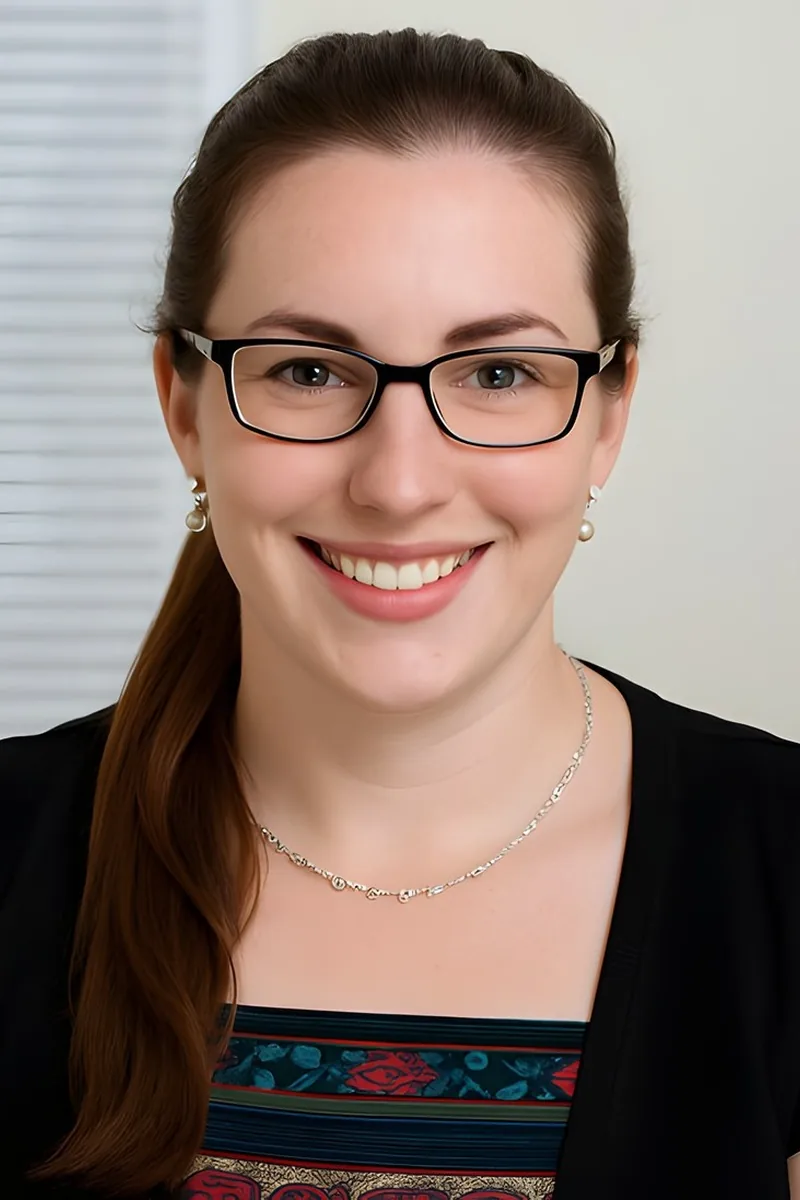
Early readers need someone who can make the connection between letters and sounds feel intuitive, not mechanical. Ava's education minor included coursework on how children learn to decode language, and she applies that knowledge when teaching blending, segmenting, and sight-word recognition. She adapts her pacing and activities to each learner's level, turning phonics practice into something that builds genuine confidence.
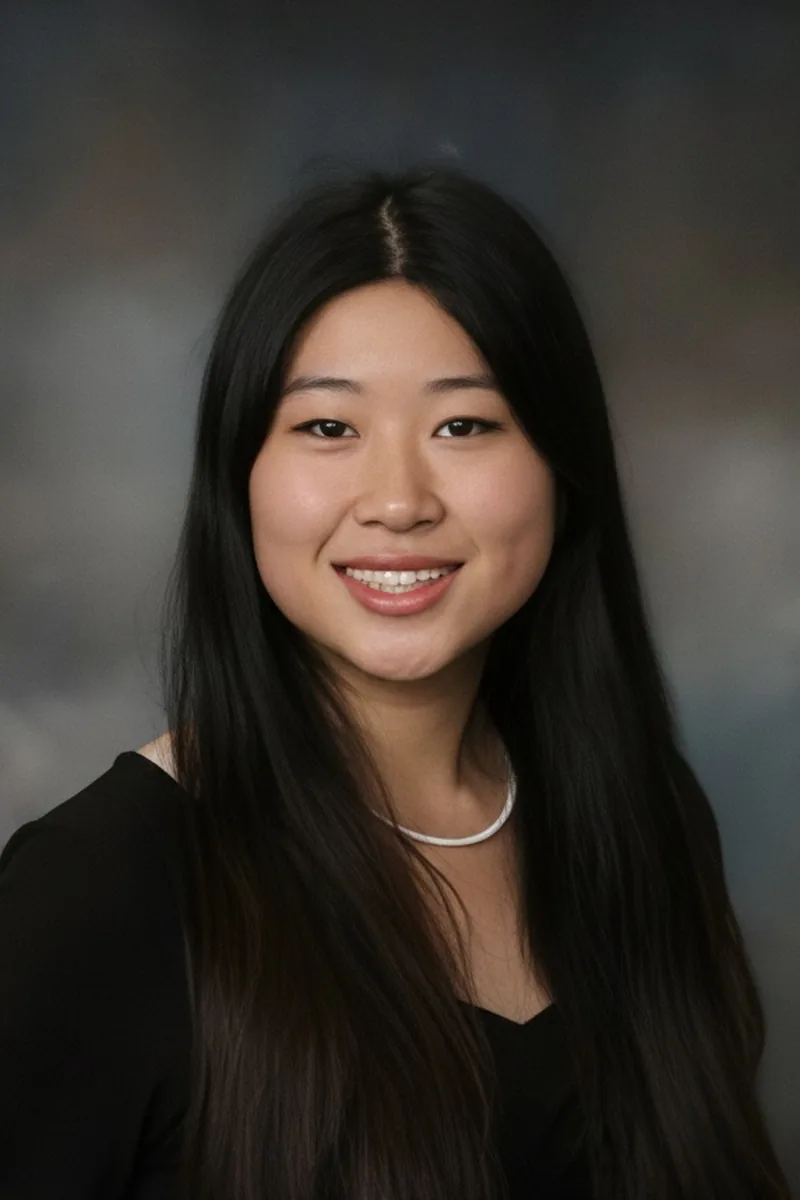
Reading and writing have been lifelong passions for Sarah, and she brings that enthusiasm to phonics instruction — breaking down letter-sound relationships, blending patterns, and vowel teams so young readers can decode new words independently. Her experience mentoring students one-on-one means she adapts quickly to each learner's pace, whether they're tackling digraphs or working through multisyllabic words.
Teaching Pre-K through 5th grade for years means JeKaya has watched hundreds of early readers move from recognizing individual letter sounds to blending them into words — and she knows exactly where that process tends to stall, whether it's vowel teams or tricky consonant clusters. Her master's in education and ESL/ELL experience also sharpen her ability to teach sound-letter mapping to children whose home language may not share English's vowel system.
Samuel's primary expertise lies in standardized testing, writing, and math — not early reading instruction — but his linguistics coursework in East Asian Languages and Civilizations at the University of Chicago required him to study how sound systems work across languages, giving him a structural understanding of how letters map to sounds in English. He brings that analytical lens to phonics, breaking spelling patterns into logical rules rather than lists to memorize. Rated 4.9 by clients.
Teaching phonics effectively means building a child's ability to connect letter patterns to sounds in a systematic, confidence-building sequence — blends, digraphs, vowel teams, and eventually multisyllabic decoding. Varuna's experience tutoring students as young as first grade gives her a feel for pacing these skills so early readers don't get overwhelmed. She keeps sessions interactive and uses repetition that feels like play rather than drill.
Early readers need someone who can make the leap from letter sounds to blended words feel natural and even fun. Julie's Special Education training gives her a toolkit of multisensory phonics strategies — tapping out syllables, sorting word families, building fluency through repetition — tailored to how each child actually learns.
Early readers need to hear the logic inside English spelling — why 'ph' sounds like 'f,' how silent-e changes a vowel, and when two consonants blend versus stay separate. Kashish brings patience and structured repetition to phonics instruction, breaking decoding skills into small, confidence-building steps. Her 5.0 rating speaks to how well she connects with younger learners.
Learning to read starts with cracking the code — connecting letter combinations like 'sh,' 'th,' and silent-e patterns to the sounds they actually make. Subashini brings the same patient, step-by-step approach she uses in science teaching to phonics, breaking down blends and digraphs so young learners build real decoding confidence.
Early readers need to connect letters to sounds before anything else clicks, and phonics instruction is where that connection gets built. Katherine breaks down blending, segmenting, and vowel patterns into manageable steps, using repetition and word games to make each skill stick. Her patience and creativity keep young learners motivated through the repetitive practice phonics requires.
Learning to read starts with hearing the individual sounds inside words. Jennifer teaches phonemic awareness and letter-sound correspondence through structured, sequential practice — blending, segmenting, and decoding — so young readers build the skills to tackle unfamiliar words independently.
A certified early childhood educator with a Child Development degree from Yale, Arielle teaches phonics by connecting letter-sound relationships to actual reading — blending, segmenting, and decoding words in context rather than drilling isolated sounds. Her three years of classroom teaching mean she knows how to spot when a young reader is guessing from pictures instead of sounding out, and she addresses those habits early.
Early readers need someone who understands exactly where decoding breaks down — whether it's blending consonant clusters, distinguishing long and short vowel patterns, or tackling tricky digraphs like 'ough.' Molly has spent three years teaching 2nd through 4th graders in the classroom, including reading intervention, so she recognizes which phonics gaps are holding a child back and addresses them systematically.
Testimonials
Because the right Phonics tutor makes all the difference.
Average Session Rating – Based on 3.4M Learner Ratings
Nearby Phonics Tutors
Other Omaha Tutors
Related English Tutors in Omaha
Frequently Asked Questions
Phonics is the method of teaching students to read by connecting letters and letter combinations with their sounds, then blending those sounds to form words. It's a foundational skill that helps children decode unfamiliar words independently and builds fluency. Research shows that explicit phonics instruction is one of the most effective ways to help beginning readers develop strong literacy skills.
Most children benefit from phonics instruction starting around age 4-5, typically in kindergarten, though readiness varies. Some younger children show interest in letter sounds earlier, while others need more time with oral language skills first. Tutors can assess your child's current level and create a personalized approach that matches their developmental stage, whether they're just beginning or need to strengthen specific phonics skills.
Many students struggle with irregular words that don't follow standard phonics rules (like 'said' or 'through'), blending sounds together smoothly, or distinguishing between similar letter sounds. Others may have difficulty with vowel sounds or consonant blends. Personalized 1-on-1 instruction allows tutors to identify exactly where a student is stuck and use targeted strategies to build confidence and mastery in those specific areas.
In a classroom with a 15.4:1 student-teacher ratio like Omaha's average, teachers must move at a pace that works for the whole group, which can leave some students behind or unchallenged. Personalized 1-on-1 tutoring allows tutors to adjust pacing, repeat concepts as needed, and use multi-sensory techniques tailored to how your child learns best. This focused attention helps students build stronger phonetic foundations faster and with greater confidence.
Yes, tutors working with students in Omaha are familiar with the phonics approaches and expectations used across the district's 11 school districts. Whether your child's school uses a specific phonics program or a balanced literacy approach, tutors can complement classroom learning and fill gaps. They can also help students who are ahead accelerate their skills or those who need extra support catch up to grade-level expectations.
With consistent, focused instruction, many students show noticeable improvement in letter-sound recognition and simple blending within 4-6 weeks. More significant gains in fluency and reading confidence often develop over 2-3 months of regular tutoring sessions. The timeline depends on where your child is starting and how frequently they practice, but personalized instruction typically accelerates progress compared to classroom-only learning.
During an initial session, a tutor will assess your child's current phonics skills—like letter recognition, sound awareness, and blending ability—to understand their starting point. They'll also learn about your child's learning style, interests, and any specific challenges. From there, they'll create a personalized plan and begin with engaging activities that build foundational skills while keeping your child motivated and confident.
Varsity Tutors connects you with expert tutors who specialize in phonics and early literacy instruction for students in Omaha. You can share details about your child's age, current reading level, and specific goals, and we'll match you with a tutor whose expertise and teaching style fit your needs. Most families can schedule a first session within a few days.
Let’s find your perfect tutor
Answer a few quick questions. We’ll recommend the right plan and match you with a top 5% tutor.