Award-Winning English Tutors
serving Lincoln, NE
English
Tutors in Lincoln
Private 1-on-1 tutoring, weekly live classes for academic support, test prep & enrichment, practice tests and diagnostics, and more to elevate grades and test scores.
Based on 3.4M Learner Ratings
UniversitiesSchools & Universities
DeliveredHours Delivered
ProficiencyGrowth in Proficiency
Who needs tutoring?
No obligation. Takes ~1 minute.
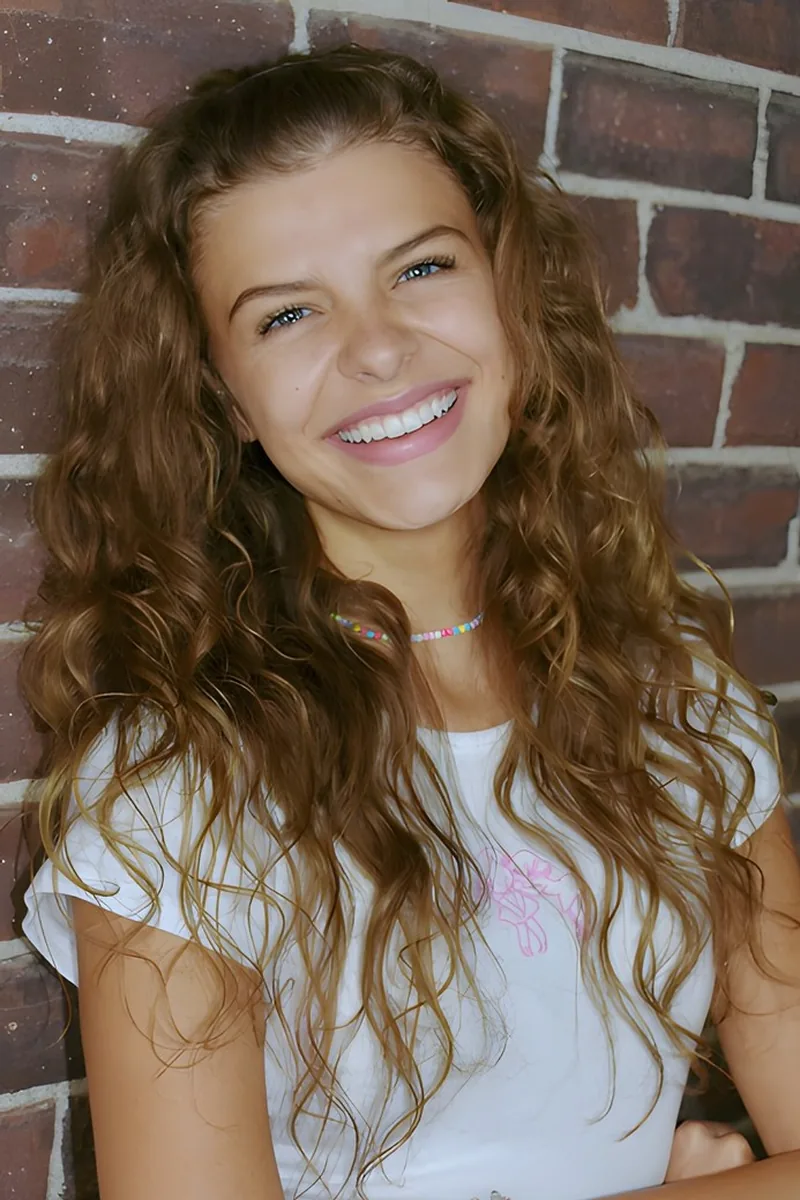
Between literary analysis, persuasive essays, and close reading of poetry and prose, English class asks students to do a dozen different things well. Ingrid's coursework in theatre and songwriting at USC sharpened her ability to read texts closely for tone, structure, and subtext — and she's especially effective at teaching students how to translate those observations into clear, well-organized written arguments. Rated 5.0 by students.

Michaela's background in film and storytelling gives her a distinctive lens on English — she teaches students to analyze narrative structure, authorial intent, and rhetorical choices the way a director reads a screenplay, pulling apart how each element serves the whole. Her college essay and literature experience means she can move fluidly between close reading and strong analytical writing.
Co-president of her college book club and a working Writing Tutor, Rachel lives inside texts — pulling apart how authors build arguments, develop voice, and structure meaning. She's an English major with minors in Religion and Comparative Literature, which means she can connect a poem by Dickinson to a novel by Morrison to a philosophical essay and show students how close reading works across genres.
Between writing college-level lab reports and reading dense literary texts, Aaron tackles English from both the analytical and creative sides. He teaches students to build thesis-driven essays by treating each paragraph like an argument — claim, evidence, reasoning — and coaches close reading skills that pull meaning from poetry, novels, and nonfiction alike.
Studying neuroscience at Vanderbilt sharpened Avi's ability to construct precise arguments and synthesize dense material — skills that translate directly to essay writing, close reading, and thesis development. He breaks down complex texts by teaching students to identify an author's rhetorical moves before forming their own interpretive claims. Rated 4.8 by students.
Edward's English tutoring zeroes in on the skills that transfer across every assignment: constructing a clear thesis, selecting textual evidence, and writing analysis that goes beyond plot summary. His 1520 SAT — including the reading and writing sections — reflects genuine comfort with close reading and argumentation. He also draws on years of personal reading and writing to make literary analysis feel less like guesswork and more like a repeatable craft.
I am my strongest and best self when helping others. As an enthusiastic, passionate, and dependable teacher, I am consistently working to share and engage with the material I love.
Engineering programs demand more writing than most people expect — proposals, technical reports, literature reviews — and Oluwatosin developed strong analytical reading and composition skills through that process. He teaches students to build clear thesis statements, organize supporting evidence, and revise drafts with a structured approach that turns vague ideas into polished paragraphs.
Between his love of reading, his experience with college essay writing, and his hands-on work in essay editing, Guillermo tackles English from multiple angles — close reading of literary texts, thesis development, and revision strategy. He's especially good at showing students how to move from a vague first draft to a focused, well-supported argument.
Breaking down a reading passage into its argument — thesis, evidence, counterpoint — is something Erika treats as a transferable skill, not just an English class exercise. Her psychology background gives her a sharp eye for how authors use tone and rhetorical strategy to persuade, which she applies when teaching everything from close reading to essay structure. She holds a 34 ACT composite, with particular strength across the English and Reading sections.
Reading comprehension and analytical writing share a common skill: pulling an argument apart to see how it's built. Jeremy approaches English through that lens, teaching students to identify a thesis, trace supporting evidence, and craft clear paragraphs that say something specific. He also tutors college essays and essay editing, so he knows how to move students from rough ideas to polished writing.
A background in Classical Languages means Zachary reads slowly and carefully on purpose — exactly the skill most English students need to develop when tackling essays, novels, or poetry analysis. He teaches close reading techniques like annotating for argument structure and identifying rhetorical moves, then connects those observations to stronger thesis-driven writing. His own love of books and writing keeps his approach grounded in genuine engagement with texts rather than formulaic responses.
Between his ACT Writing and English scores, college essay coaching, and literature background, Matthew covers the full range of what high school English demands — reading critically, building an argument, and writing clearly under pressure. He's especially sharp at helping students move from a vague thesis to a specific, evidence-driven claim that actually says something.
Reading comprehension and written expression reinforce each other, and Erika leans into that connection — analyzing how an author builds an argument in one session, then applying those same structural moves to a student's own essay in the next. She covers everything from close-reading strategies to thesis development, adjusting the focus based on what each student needs most.
Between his English minor and years of graduate-level academic writing, James treats English as an integrated skill set — reading critically, building arguments, and revising prose until it actually says what the student means. He's particularly sharp at teaching students how to connect textual evidence to a thesis, a skill that shows up in everything from literary analysis essays to AP prompts.
Reading a dense passage on the ACT or in a classroom anthology requires the same core skill: figuring out what the author is actually arguing beneath the surface details. Oen scored a 32 ACT and applies that same close-reading discipline to English sessions, unpacking thesis statements, tone shifts, and evidence use in both fiction and nonfiction.
Between her college essay tutoring and literature background, Natalie approaches English as two interlocking skills: reading critically and writing clearly. She walks students through close-reading techniques — identifying tone, tracking an author's argument, pulling evidence — then connects those analytical habits directly to stronger essay writing.
Most people don't expect a statistics PhD to teach English, but Sam's experience with college essays, literature, and essay editing gives him a practical toolkit for close reading and persuasive writing. He tackles thesis development and textual analysis by teaching students to build arguments the way a researcher builds a case — claim, evidence, reasoning, in that order.
College essays, literary analysis, and close reading all require the same core skill: making a clear argument backed by specific evidence. James sharpened this through years of writing lab reports and analytical papers at Harvard, and he now applies that structured thinking to help students craft sharper thesis statements and more persuasive prose. His 4.9 rating speaks to how well that analytical approach translates.
Selected as one of Joyce Carol Oates's two thesis advisees at Princeton, Sash knows what it takes to read closely, argue persuasively, and write with genuine style — the three pillars of any English class. She tackles everything from thesis construction in analytical essays to unpacking figurative language in poetry, drawing on a deep background in literature, theater, and creative writing.
Strong English skills — close reading, thesis construction, evidence integration — are exactly what medical school admissions essays and MCAT verbal sections demanded of Sydny throughout her premed and medical training. She breaks down reading passages by teaching students to identify an author's argument before worrying about style, then builds that analytical habit into their own writing. Her background in psychology also sharpens her approach to interpreting character motivation and narrative voice in literature.
Reading a dense primary source and constructing a clear argument from it is the same skill whether the context is a literature class or a medical case study — and Sugi has done both extensively. She's particularly sharp at teaching students how to move from annotation to thesis, turning scattered observations about a text into a structured, evidence-driven essay. Her 5.0 rating speaks to how well that translates for students.
Between her literature studies at Duke and her current master's work analyzing visual culture, Kathy reads texts the way a critic reads a painting — pulling apart structure, tone, and argument. She's particularly effective at teaching close reading and thesis development, showing students how to move from a vague reaction to a sharply supported claim.
A semester taking literature courses alongside native Spanish speakers at Madrid's top-ranked university gave Meghan practice reading closely under pressure and constructing arguments about texts in real time. She brings that same intensity to English tutoring, whether a student is annotating a novel for theme, structuring a thesis statement, or learning to use textual evidence that does more than just summarize. She holds a 5.0 rating.
Between scoring a 1440 SAT, tutoring college essays, and tackling MCAT verbal reasoning, Shayan has spent serious time dissecting how written English actually works — from close reading to argument construction. He teaches students to identify an author's central claim quickly and build their own written responses with clear, evidence-driven structure. Rated 5.0 by students.
Tom's PhD in American Studies meant years of wrestling with dense literary and historical texts, then turning that analysis into precise, compelling academic prose. He teaches English by zeroing in on the specific skill a student is missing — whether that's grammar mechanics, integrating quotations, or structuring a comparative essay — rather than running through a generic checklist. Rated 4.9 by students.
Running a tutoring program at a charter school meant Liz saw every kind of English learner — the reluctant reader, the student who could discuss a novel but froze during essays, the kid who needed phonics reinforcement alongside literary analysis. Her master's in special education sharpened her ability to adapt reading and writing instruction on the fly, matching the approach to how each student actually learns.
Reading a poem for theme and writing a persuasive literary analysis require very different skills, and Sam addresses both. He teaches close-reading techniques — tracking imagery, diction shifts, and narrative structure — then shows students how to turn those observations into thesis-driven essays with textual evidence woven in. His interdisciplinary background means he's equally comfortable discussing a Shakespearean sonnet or a nonfiction argument.
Between her Ancient and Medieval Studies minor and her love of reading and writing, Isabella brings genuine literary curiosity to English tutoring — she's the rare STEM student who also knows how to dissect a thesis statement or trace a motif through a novel. She approaches essays the way she approaches proofs: every claim needs evidence, every paragraph needs a clear purpose. Rated 5.0 by students.
Testimonials
Because the right English tutor makes all the difference.
Average Session Rating – Based on 3.4M Learner Ratings
Nearby English Tutors
Other Lincoln Tutors
Related English Tutors in Lincoln
Frequently Asked Questions
Varsity Tutors matches Lincoln students with expert English tutors for 1-on-1 instruction. We pair each student with a tutor based on their specific needs, learning style, and goals.
Whether you need homework help, exam prep, or want to get ahead, our English tutors are ready to help.
Common challenges include gaps from earlier material, difficulty with specific concepts, and trouble applying learning to new problems. These issues can snowball quickly in English.
A tutor identifies where you're stuck, fills in gaps, and provides targeted practice. The 1-on-1 format means you get help exactly where you need it.
Tutors work with your student's actual coursework—homework assignments, class notes, and upcoming tests. This keeps tutoring directly relevant to what's happening in the classroom.
When you share information about your student's school and curriculum, we can match you with a tutor who has relevant experience.
All tutors complete background checks, credential verification, and teaching evaluation. Many of our English tutors hold advanced degrees or have years of teaching experience.
You can review tutor profiles to find someone with the right background for your student's level and needs.
Many students see improved grades within a few weeks, along with better understanding of English concepts and more confidence tackling challenging material.
Tutors track progress and adjust their approach to ensure continued improvement.
Most students benefit from 1-2 sessions per week. More frequent sessions help if your student is significantly behind or has an important exam coming up.
Your tutor can recommend a schedule based on your student's specific situation and goals.
Tutoring is purchased in packages of hours, with rates varying by tutor experience. Varsity Tutors offers several options to fit different budgets and needs.
You can discuss pricing during your consultation to find what works best.
Your tutor will assess where your student is, discuss goals, and start working on priority areas. Most students bring current homework or upcoming test material to focus on.
By the end, you'll have a clear sense of how the tutor can help and a plan for moving forward.
Let’s find your perfect tutor
Answer a few quick questions. We’ll recommend the right plan and match you with a top 5% tutor.