Award-Winning High School Chemistry Tutors
serving Lincoln, NE
High School Chemistry
Tutors in Lincoln
Private 1-on-1 tutoring, weekly live classes for academic support, test prep & enrichment, practice tests and diagnostics, and more to elevate grades and test scores.
Based on 3.4M Learner Ratings
UniversitiesSchools & Universities
DeliveredHours Delivered
ProficiencyGrowth in Proficiency
Who needs tutoring?
No obligation. Takes ~1 minute.

Oen's computer science background might seem unrelated to chemistry, but the algorithmic thinking he uses daily — breaking complex problems into logical, sequential steps — maps directly onto dimensional analysis, unit conversions, and stoichiometry calculations. He approaches these quantitative chemistry topics the way a programmer debugs code: isolating each step, checking the logic, and building toward the answer systematically. His 32 ACT composite speaks to the cross-subject rigor he brings to science coursework.
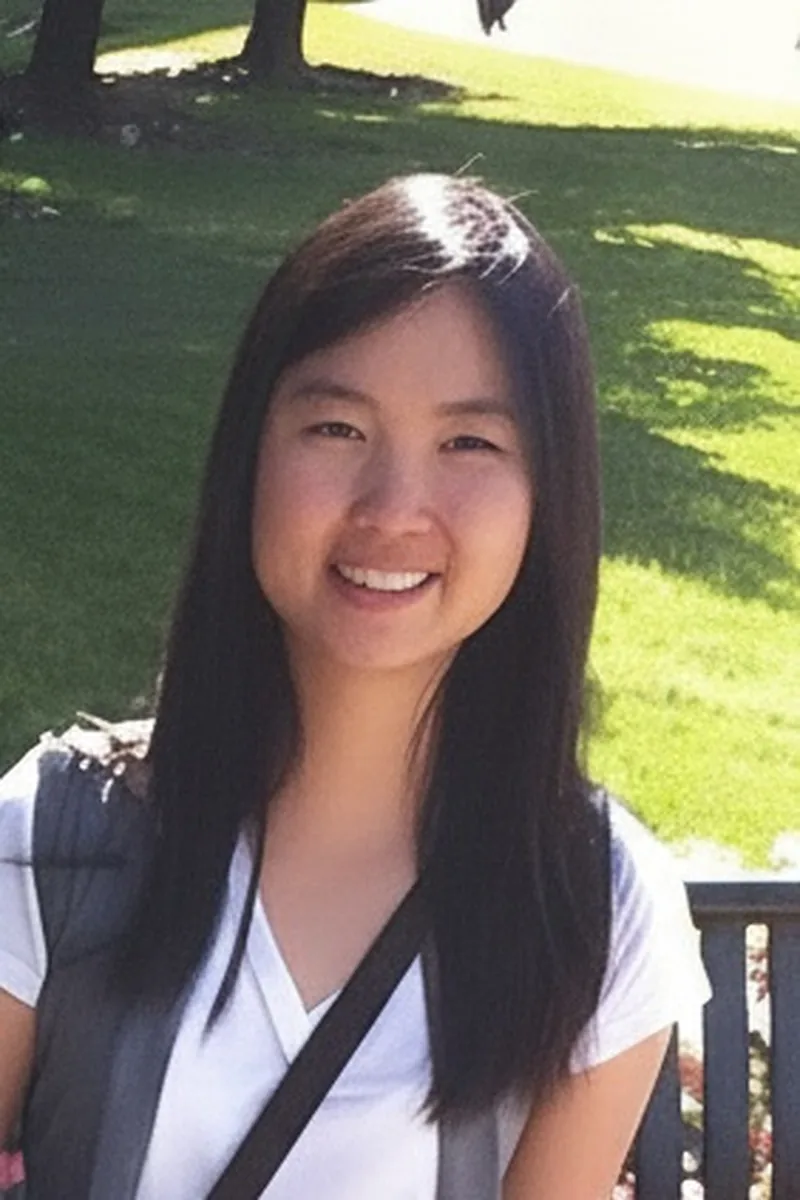
Stoichiometry clicks differently when your tutor earned a chemistry degree and is heading to medical school — Natalie doesn't just remember how to balance equations and convert moles, she understands the underlying logic well enough to explain why the math works the way it does. She's particularly sharp at connecting gas law problems and reaction predictions back to the periodic trends that make them solvable. Rated 4.8 by students.
Balancing equations, stoichiometry, and periodic trends all click faster when a student understands the 'why' behind each rule. Erica's science background at Harvard — plus her pre-dental coursework in general and organic chemistry — means she can connect high school chemistry concepts to real-world applications like how acids interact with tooth enamel. Rated 4.9 by students.
When high school chemistry students hit a wall with mole conversions or balancing redox reactions, the issue is almost always conceptual, not computational. Rahul digs into the 'why' behind each step — why coefficients matter, how electron transfer actually works — drawing on his Cornell chemical engineering background to make the logic visible. He holds a 4.9 rating from students.
Starting chemistry for the first time can feel like learning a new language — moles, electron configurations, Lewis structures — and Eric excels at translating that language into something intuitive. He holds a master's in chemistry and approaches introductory topics with patience and specificity, making sure students understand the 'why' behind each concept before moving to the next one.
Balancing equations, understanding molarity, and predicting reaction products are all things Lisa does routinely in her marine biogeochemistry lab at Stony Brook. She approaches high school chemistry by grounding each new topic in a concrete example so students see the logic behind the math, especially in tricky areas like equilibrium and acid-base chemistry.
Premed neuroscience coursework at Rice put Aditi through rigorous chemistry sequences where concepts like equilibrium, stoichiometry, and thermodynamics weren't electives — they were prerequisites for everything that followed. She zeroes in on the periodic table as a predictive tool, teaching students to use trends in electronegativity and atomic radius to reason through bonding and reactivity questions rather than memorize isolated facts. Rated 4.8 by students.
Cognitive studies at Vanderbilt might not scream chemistry, but Vy's science coursework and her 35 ACT mean she's no stranger to reasoning through problems involving moles, gas laws, or balancing equations. She's especially effective at teaching students how to read what a chemistry problem is really asking — a skill she honed tutoring algebra and science in under-resourced schools where clear, patient explanation wasn't optional.
Most high school Chemistry struggles come down to one thing: the periodic table is supposed to be a cheat sheet, but nobody taught students how to read it. Sharan connects trends like electronegativity and atomic radius to actual behavior in reactions, so predicting whether a bond is ionic or covalent stops being a guessing game. She's earned a 5.0 rating tutoring science subjects alongside her premed studies at Cornell.
When mole conversions and electron configurations feel like two completely unrelated subjects crammed into one class, that's usually a sign the underlying logic hasn't clicked yet. Aidan ties high school chemistry concepts together by starting from atomic structure and building outward — showing why periodic trends predict reactivity, how bonding explains molecular shape, and where the math fits in. His premed coursework at Notre Dame covered this material in depth.
Balancing equations and stoichiometry problems click faster when you understand what's actually happening at the molecular level — and Laura's biology coursework at WashU in St. Louis means she's constantly applying chemistry concepts like bonding, reaction energetics, and solution behavior in biological contexts. That dual perspective lets her explain why a concept like electronegativity or gas behavior matters beyond the chemistry classroom, which tends to make the logic memorable rather than disposable. Rated 5.0 by students.
The jump from memorizing element symbols to actually predicting reaction products trips up a lot of high school chemistry students. Viraj zeroes in on that transition, teaching how oxidation states, electronegativity trends, and molecular geometry determine what happens when substances mix. His Cornell lab experience means he can ground abstract concepts in tangible examples students remember.
Stoichiometry and equilibrium take on a different dimension when your tutor uses them every day — Michelle's biochemistry degree from Rice and her current medical coursework at Baylor mean she's constantly translating between chemical equations on paper and what's actually happening at the molecular level. She teaches gas laws and reaction energetics by anchoring the math to the biological chemistry she's immersed in, which gives students a concrete handle on topics that otherwise feel purely abstract.
Three science bachelor's degrees plus a medical doctorate means Sydny has taken chemistry at every level — from introductory courses through the biochemistry and pharmacology that med school demands daily. She unpacks topics like stoichiometry and gas laws by connecting them to the biological and medical contexts where those calculations actually do something, which tends to make the abstract feel worth learning.
Testimonials
Because the right High School Chemistry tutor makes all the difference.
Average Session Rating – Based on 3.4M Learner Ratings
Nearby High School Chemistry Tutors
Other Lincoln Tutors
Related Science Tutors in Lincoln
Frequently Asked Questions
Varsity Tutors matches Lincoln students with expert High School Chemistry tutors for 1-on-1 instruction. We pair each student with a tutor based on their specific needs, learning style, and goals.
Whether you need homework help, exam prep, or want to get ahead, our High School Chemistry tutors are ready to help.
Common challenges include gaps from earlier material, difficulty with specific concepts, and trouble applying learning to new problems. These issues can snowball quickly in High School Chemistry.
A tutor identifies where you're stuck, fills in gaps, and provides targeted practice. The 1-on-1 format means you get help exactly where you need it.
Tutors work with your student's actual coursework—homework assignments, class notes, and upcoming tests. This keeps tutoring directly relevant to what's happening in the classroom.
When you share information about your student's school and curriculum, we can match you with a tutor who has relevant experience.
All tutors complete background checks, credential verification, and teaching evaluation. Many of our High School Chemistry tutors hold advanced degrees or have years of teaching experience.
You can review tutor profiles to find someone with the right background for your student's level and needs.
Many students see improved grades within a few weeks, along with better understanding of High School Chemistry concepts and more confidence tackling challenging material.
Tutors track progress and adjust their approach to ensure continued improvement.
Most students benefit from 1-2 sessions per week. More frequent sessions help if your student is significantly behind or has an important exam coming up.
Your tutor can recommend a schedule based on your student's specific situation and goals.
Tutoring is purchased in packages of hours, with rates varying by tutor experience. Varsity Tutors offers several options to fit different budgets and needs.
You can discuss pricing during your consultation to find what works best.
Your tutor will assess where your student is, discuss goals, and start working on priority areas. Most students bring current homework or upcoming test material to focus on.
By the end, you'll have a clear sense of how the tutor can help and a plan for moving forward.
Let’s find your perfect tutor
Answer a few quick questions. We’ll recommend the right plan and match you with a top 5% tutor.