Award-Winning Biology Tutors
serving Lincoln, NE
Biology
Tutors in Lincoln
Private 1-on-1 tutoring, weekly live classes for academic support, test prep & enrichment, practice tests and diagnostics, and more to elevate grades and test scores.
Based on 3.4M Learner Ratings
UniversitiesSchools & Universities
DeliveredHours Delivered
ProficiencyGrowth in Proficiency
Who needs tutoring?
No obligation. Takes ~1 minute.
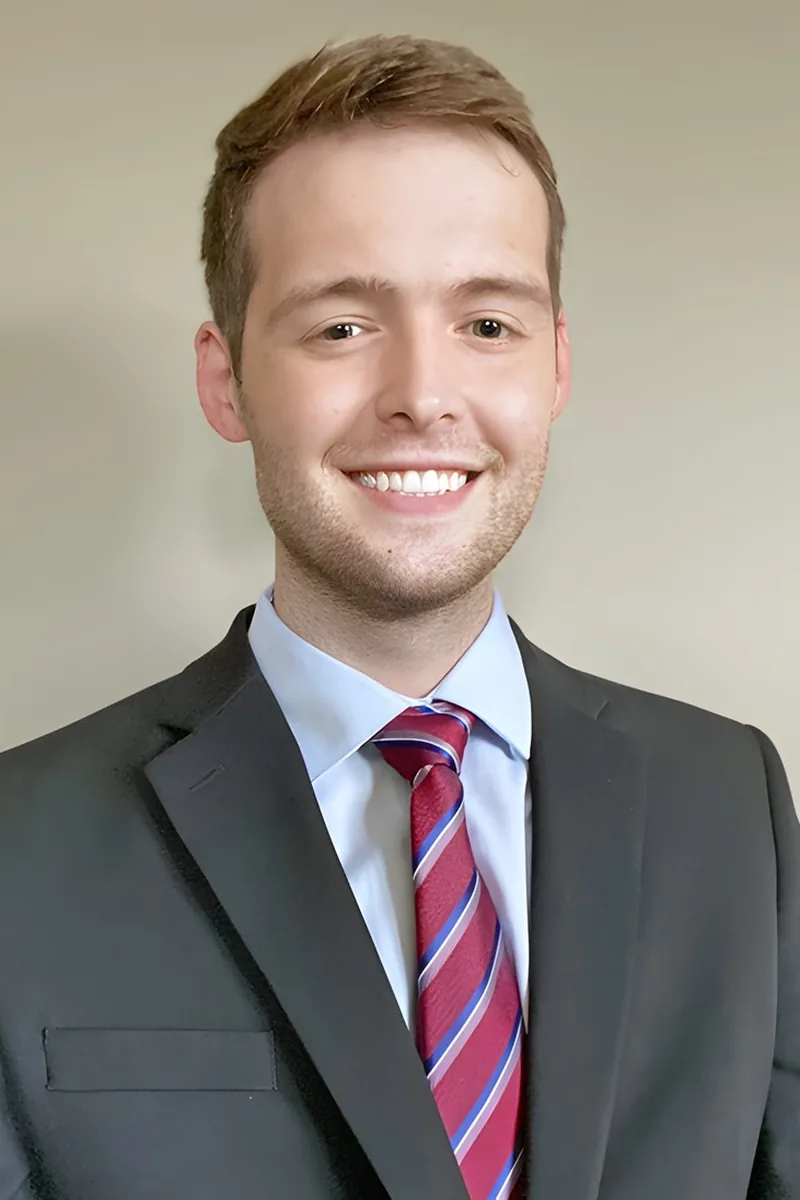
Studying biochemistry means Aaron lives in the overlap between chemistry and living systems — enzyme kinetics, metabolic pathways, membrane transport, and the molecular logic that ties them together. He breaks down complex processes like cellular respiration and DNA replication into clear, connected steps rather than isolated facts to memorize. Rated 5.0 by students.
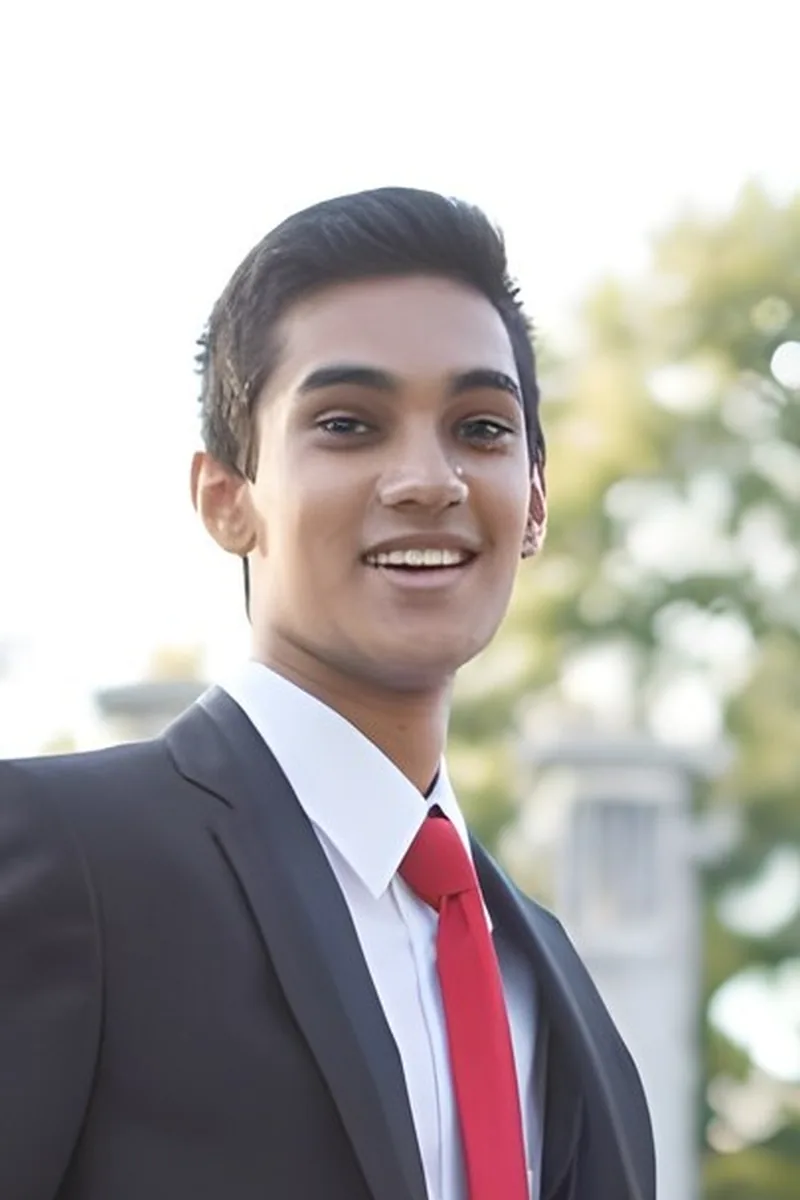
A neuroscience major at Vanderbilt, Avi is steeped in biology at the molecular and systems level — from cell signaling and genetics to organ physiology. He explains processes like mitosis, gene expression, or ecological interactions by building each concept layer by layer, so students see how the details connect to the bigger picture rather than treating each chapter as isolated facts.
Computer science trains you to think in systems — inputs, outputs, feedback loops, conditional logic — and Matthew applies that same framework to biology topics like cellular respiration, gene expression, and ecological cycles. It's a perspective that makes process-heavy material feel more like tracing a program's execution than brute-force memorization. Rated 4.9 by students.
A chemistry degree gives Natalie an edge when biology gets molecular — she can dig into topics like enzyme function, metabolic pathways, or membrane transport with a chemist's intuition for why reactions proceed the way they do, not just what the textbook diagram shows. Her pre-med trajectory and AP Biology teaching experience mean she's comfortable across the full introductory spectrum, from ecology and genetics down to cellular mechanics. Rated 4.8 by students.
Dr. A has been a teacher and researcher for over 30 years. He has studied genetics, physiology, ecology, marine biology, hydroponics, statistics, and GIS in that time. He enjoys sharing his love of science and the scientific method for those learning biology, preparing for college, graduate school, or their own scientific research. He attended Denison University, Miami University (Ohio), and the University of Oklahoma. He has taught at the university level as well as high school.
Paula's psychology background gives her a useful entry point into biology — she understands behavioral and cognitive systems well enough to trace them back to their biological roots, from neurotransmitter activity to hormonal feedback loops. That perspective makes her especially effective at teaching the life science topics where behavior meets physiology, like the nervous system, endocrine signaling, and basic genetics. Rated 4.8 by students.
Cellular and molecular biology was Pranav's original academic focus before he moved into Biomedical Engineering at Johns Hopkins, so he brings genuine depth to topics like gene expression, cell signaling, and membrane transport. He approaches biology as a set of interconnected systems rather than isolated facts, which makes dense material like metabolic pathways or the immune response easier to retain. That dual perspective — biology plus engineering — gives him a unique way of explaining how biological mechanisms actually work.
A human biology degree from Cornell means Jonathan didn't just study biology — he lived in it, from cellular respiration and DNA replication to organ system physiology and evolutionary theory. He teaches by connecting molecular-level details to big-picture biological questions, which is exactly the skill that separates students who understand biology from those who merely memorize it. Currently pursuing graduate work in human development, he keeps that knowledge sharp and current.
A Rice biology graduate heading to medical school, Perry knows the subject from the molecular scale up — DNA replication, enzyme kinetics, ecological modeling. He unpacks complex processes by mapping out each step visually, which is especially useful for topics like cellular respiration and signal transduction where details pile up fast.
UCLA's Physiological Sciences program forced Annie to learn biology backward from how most students first encounter it — starting with how organ systems fail in disease, then drilling down into the cellular and molecular mechanisms that explain why. That perspective, now deepened by medical school, makes her especially effective at teaching topics like homeostasis, cell signaling, and metabolic regulation as cause-and-effect chains rather than disconnected vocabulary lists. Rated 5.0 by students.
Whether it's Mendelian genetics, cellular energetics, or ecological interactions, Emily approaches biology as a story with logic rather than a list of vocabulary words to memorize. She graduated Summa Cum Laude from Duke with a biology degree and is currently earning her MD at Columbia, so she's taught and re-learned this material at progressively deeper levels. That layered understanding lets her explain the same concept multiple ways until it lands.
JF's math and computer science training at Stanford might seem unrelated to biology, but it actually sharpens how he teaches the subject — genetics problems become probability exercises, population ecology clicks through mathematical modeling, and enzyme kinetics suddenly makes sense when you treat it like a rate equation. That quantitative lens gives students a second way into topics that feel overwhelming when approached through pure memorization alone. Rated 5.0 by students.
Zosia's chemistry degree from Yale means she learned biology through its molecular underpinnings — organic reaction mechanisms, chemical equilibria, thermodynamics — which gives her a distinctive angle on topics like enzyme function, metabolic regulation, and signal transduction that pure biology majors sometimes treat as black boxes. Her additional coursework spanning cell biology, molecular biology, evolutionary biology, and plant biology rounds out that chemical lens with the ecological and organismal perspective students need for a complete picture. Rated 4.9 by students.
Kevin's master's work in Stanford's Biocomputation track sits at the intersection of biology and computer science, which means he thinks about molecular biology, genetics, and cellular processes through a quantitative lens. He's especially sharp on topics like gene expression, protein structure, and the logic of metabolic pathways. That computational perspective often gives students a clearer framework for understanding how biological systems actually function.
Dennis's Masters in Chemical and Physical Biology from Vanderbilt means he's spent years studying life at the molecular level — protein interactions, metabolic regulation, signal transduction — and can zoom out to show how those mechanisms drive the organ-system and ecological concepts that fill most introductory biology courses. His graduate research experience also makes him especially effective at teaching experimental design and data analysis, the parts of biology that trip students up precisely because they can't be memorized. Rated 5.0 by students.
Three biology-adjacent degrees give Garrett an unusual breadth — he's studied the subject from general principles through the organic chemistry and physiology that sit alongside it, which means he can explain how a concept like enzyme kinetics connects to both the chemistry driving it and the body systems it regulates. That cross-disciplinary fluency is especially useful for students who understand individual facts but struggle to see how cellular processes, organ systems, and biochemical reactions fit into one coherent picture.
Molecular biophysics sits right at the boundary of biology, chemistry, and physics, so Srini sees biological concepts from multiple angles. He digs into topics like cellular respiration, DNA replication, and ecology by explaining the underlying mechanisms rather than just the vocabulary — an approach that makes retention far easier come exam time.
Testimonials
Because the right Biology tutor makes all the difference.
Average Session Rating – Based on 3.4M Learner Ratings
Practice Biology
Free practice tests, flashcards, and AI tutoring for Biology
Nearby Biology Tutors
Other Lincoln Tutors
Related Science Tutors in Lincoln
Frequently Asked Questions
Varsity Tutors matches Lincoln students with expert Biology tutors for 1-on-1 instruction. We pair each student with a tutor based on their specific needs, learning style, and goals.
Whether you need homework help, exam prep, or want to get ahead, our Biology tutors are ready to help.
Common challenges include gaps from earlier material, difficulty with specific concepts, and trouble applying learning to new problems. These issues can snowball quickly in Biology.
A tutor identifies where you're stuck, fills in gaps, and provides targeted practice. The 1-on-1 format means you get help exactly where you need it.
Tutors work with your student's actual coursework—homework assignments, class notes, and upcoming tests. This keeps tutoring directly relevant to what's happening in the classroom.
When you share information about your student's school and curriculum, we can match you with a tutor who has relevant experience.
All tutors complete background checks, credential verification, and teaching evaluation. Many of our Biology tutors hold advanced degrees or have years of teaching experience.
You can review tutor profiles to find someone with the right background for your student's level and needs.
Many students see improved grades within a few weeks, along with better understanding of Biology concepts and more confidence tackling challenging material.
Tutors track progress and adjust their approach to ensure continued improvement.
Most students benefit from 1-2 sessions per week. More frequent sessions help if your student is significantly behind or has an important exam coming up.
Your tutor can recommend a schedule based on your student's specific situation and goals.
Tutoring is purchased in packages of hours, with rates varying by tutor experience. Varsity Tutors offers several options to fit different budgets and needs.
You can discuss pricing during your consultation to find what works best.
Your tutor will assess where your student is, discuss goals, and start working on priority areas. Most students bring current homework or upcoming test material to focus on.
By the end, you'll have a clear sense of how the tutor can help and a plan for moving forward.
Let’s find your perfect tutor
Answer a few quick questions. We’ll recommend the right plan and match you with a top 5% tutor.