Award-Winning Biology Tutors
serving Omaha, NE
Biology
Tutors in Omaha
Private 1-on-1 tutoring, weekly live classes for academic support, test prep & enrichment, practice tests and diagnostics, and more to elevate grades and test scores.
Based on 3.4M Learner Ratings
UniversitiesSchools & Universities
DeliveredHours Delivered
ProficiencyGrowth in Proficiency
Who needs tutoring?
No obligation. Takes ~1 minute.
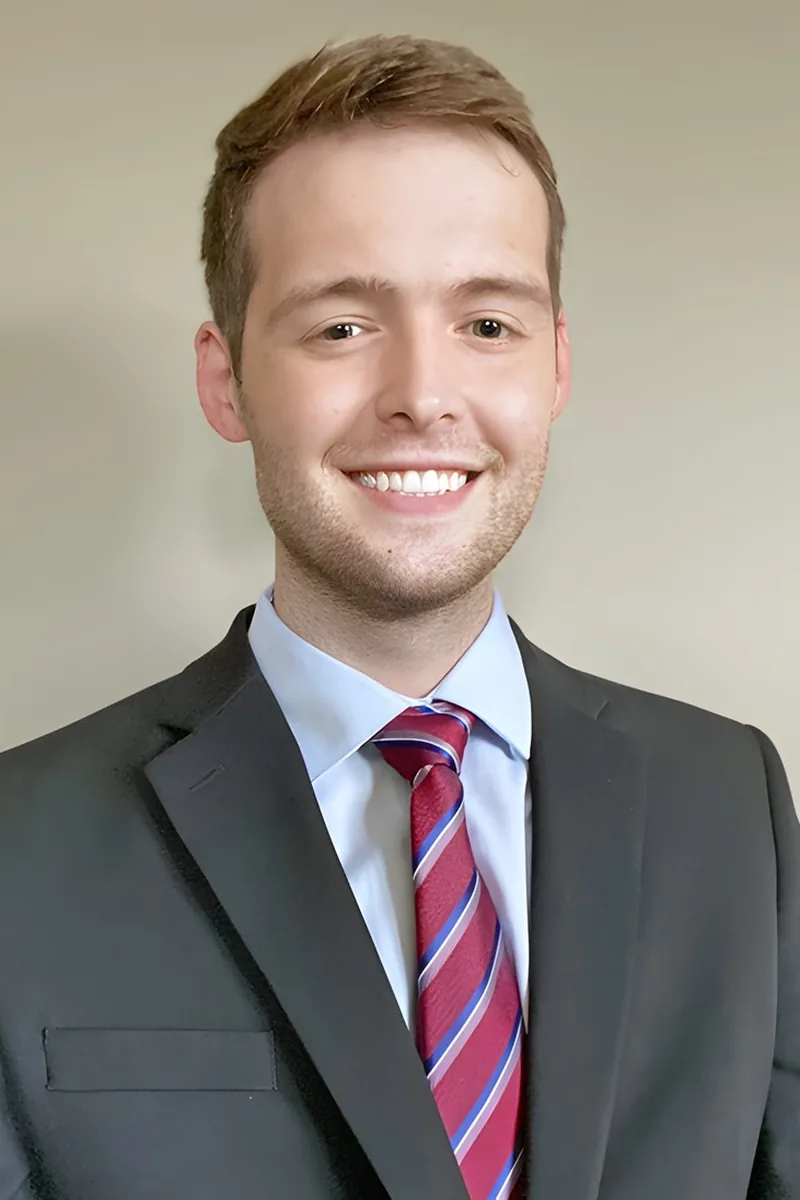
Studying biochemistry means Aaron lives in the overlap between chemistry and living systems — enzyme kinetics, metabolic pathways, membrane transport, and the molecular logic that ties them together. He breaks down complex processes like cellular respiration and DNA replication into clear, connected steps rather than isolated facts to memorize. Rated 5.0 by students.
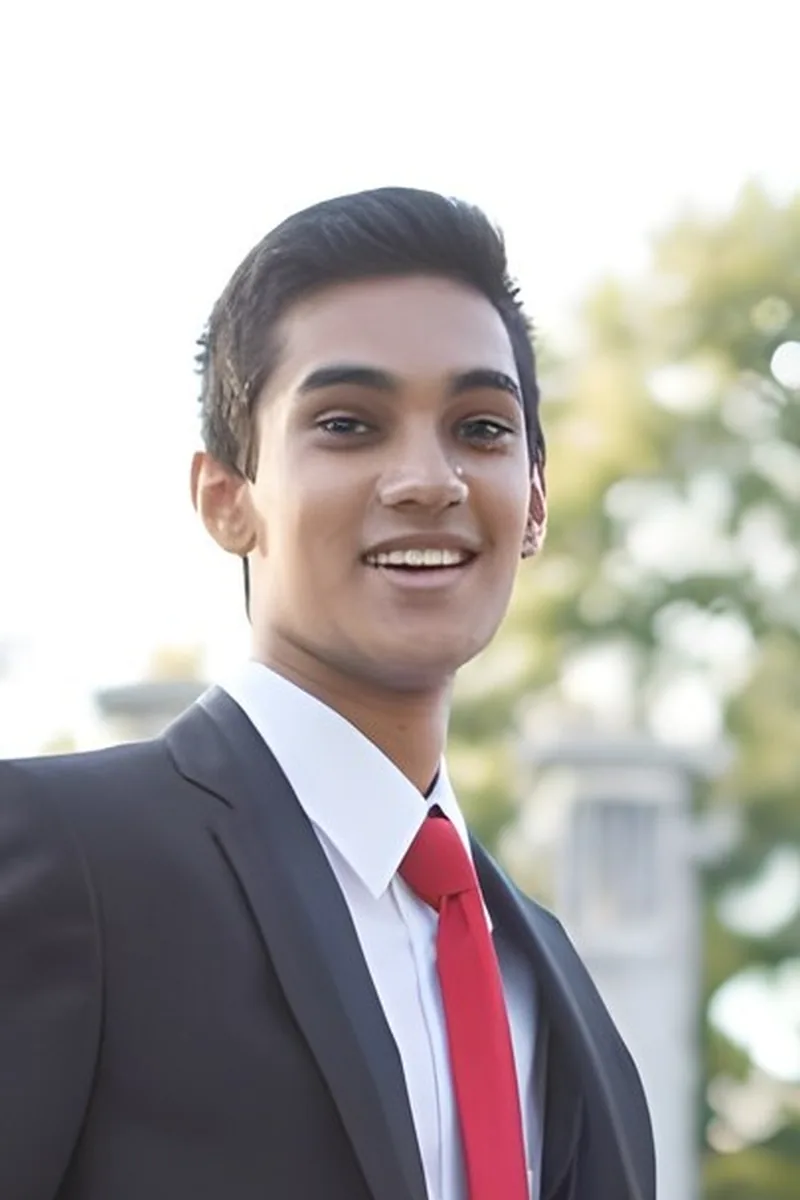
A neuroscience major at Vanderbilt, Avi is steeped in biology at the molecular and systems level — from cell signaling and genetics to organ physiology. He explains processes like mitosis, gene expression, or ecological interactions by building each concept layer by layer, so students see how the details connect to the bigger picture rather than treating each chapter as isolated facts.
Computer science trains you to think in systems — inputs, outputs, feedback loops, conditional logic — and Matthew applies that same framework to biology topics like cellular respiration, gene expression, and ecological cycles. It's a perspective that makes process-heavy material feel more like tracing a program's execution than brute-force memorization. Rated 4.9 by students.
A chemistry degree gives Natalie an edge when biology gets molecular — she can dig into topics like enzyme function, metabolic pathways, or membrane transport with a chemist's intuition for why reactions proceed the way they do, not just what the textbook diagram shows. Her pre-med trajectory and AP Biology teaching experience mean she's comfortable across the full introductory spectrum, from ecology and genetics down to cellular mechanics. Rated 4.8 by students.
Dr. A has been a teacher and researcher for over 30 years. He has studied genetics, physiology, ecology, marine biology, hydroponics, statistics, and GIS in that time. He enjoys sharing his love of science and the scientific method for those learning biology, preparing for college, graduate school, or their own scientific research. He attended Denison University, Miami University (Ohio), and the University of Oklahoma. He has taught at the university level as well as high school.
Cellular and molecular biology was Pranav's original academic focus before he moved into Biomedical Engineering at Johns Hopkins, so he brings genuine depth to topics like gene expression, cell signaling, and membrane transport. He approaches biology as a set of interconnected systems rather than isolated facts, which makes dense material like metabolic pathways or the immune response easier to retain. That dual perspective — biology plus engineering — gives him a unique way of explaining how biological mechanisms actually work.
Zosia's chemistry degree from Yale means she learned biology through its molecular underpinnings — organic reaction mechanisms, chemical equilibria, thermodynamics — which gives her a distinctive angle on topics like enzyme function, metabolic regulation, and signal transduction that pure biology majors sometimes treat as black boxes. Her additional coursework spanning cell biology, molecular biology, evolutionary biology, and plant biology rounds out that chemical lens with the ecological and organismal perspective students need for a complete picture. Rated 4.9 by students.
Todd earned his B.S. in Biology from the University of Illinois at Urbana-Champaign, giving him deep grounding in everything from cellular respiration and mitosis to ecology and evolutionary theory. He breaks down complex processes like DNA replication and protein synthesis into clear, logical steps that stick. Rated 5.0 by students.
Stanford's biology program has Helen tackling everything from molecular genetics to ecology in real time, which means she's teaching the same material she's actively being tested on — a perspective that keeps her explanations current and exam-aware. She's particularly strong at breaking down processes like photosynthesis and gene expression into logical sequences that stick, drawing on four years of peer tutoring and TA experience in STEM courses. Rated 5.0 by students.
First-year medical school at Thomas Jefferson means Nishad is actively building on the biology he mastered as a pre-med — genetics, cell biology, microbiology, anatomy — and seeing how each topic feeds directly into clinical problem-solving. That recent, layered exposure makes him especially effective at teaching the introductory and intermediate concepts that trip students up, because he remembers exactly which details mattered most when the material got harder.
Few biology tutors have studied living systems from the molecular scale all the way up to tissue engineering. Kelly's research at Memorial Sloan-Kettering on cancer cell biology, combined with her biomedical engineering work at Tufts, means she can walk through everything from mitosis and gene expression to ecology and evolution with genuine depth. She's rated 5.0 by students.
From cell respiration to population genetics, biology covers an enormous range — and Courtney has touched nearly all of it. Her MS in Biology and active research in aquatic ecology mean she can unpack everything from enzyme kinetics to evolutionary adaptation with the depth of someone who uses these concepts daily, not just someone who memorized them for an exam.
Rather than treating biology as a subject to memorize, Ivan approaches it as a set of nested systems — from gene expression inside a single cell up to organ-level physiology. His science training across multiple disciplines gives him a knack for explaining how concepts like cellular respiration, DNA replication, and signal transduction actually link together rather than sitting in isolated textbook chapters.
As a former middle school science teacher and curriculum chair in Philadelphia, John built his biology teaching around making processes like ecological cycles and cellular organization land for students who'd never encountered them before — a skill that translates directly to any introductory-level learner. His history training at the undergraduate level also means he naturally frames biology as a narrative, connecting concepts like natural selection or population dynamics to the story of how living systems change over time. Rated 5.0 by students.
Annie's cancer immunotherapy research at Cornell means she doesn't just teach biology concepts like cell signaling and immune response — she uses them daily in a working lab. As a teaching assistant for introductory biology courses, she's developed a knack for breaking down dense topics like gene expression and cellular metabolism into language that actually clicks.
Genetics, genomics, and development were Alec's concentration at Cornell, which means he learned biology by zooming in on how organisms are built from their DNA up — and then spent semesters as a TA helping other students make that same journey through general chemistry and genetics coursework. He teaches topics like gene expression, inheritance patterns, and molecular genetics by tying each mechanism back to its developmental consequences, so the details carry meaning instead of just filling flashcards. Rated 4.8 by students.
A human biology degree from Cornell means Jonathan didn't just study biology — he lived in it, from cellular respiration and DNA replication to organ system physiology and evolutionary theory. He teaches by connecting molecular-level details to big-picture biological questions, which is exactly the skill that separates students who understand biology from those who merely memorize it. Currently pursuing graduate work in human development, he keeps that knowledge sharp and current.
Testimonials
Because the right Biology tutor makes all the difference.
Average Session Rating – Based on 3.4M Learner Ratings
Practice Biology
Free practice tests, flashcards, and AI tutoring for Biology
Nearby Biology Tutors
Other Omaha Tutors
Related Science Tutors in Omaha
Frequently Asked Questions
Biology curriculum in Omaha schools generally covers cell structure and function, genetics, evolution, ecology, and human body systems. Depending on grade level and course type (standard biology, honors, or AP), students may also explore photosynthesis, cellular respiration, DNA replication, and population dynamics. A tutor can help you master whichever topics your specific course emphasizes and connect them to real-world applications in your community and beyond.
True biology mastery comes from understanding *why* processes happen, not just memorizing what they are. Personalized tutoring helps you build conceptual frameworks—like understanding how cellular respiration relates to photosynthesis as complementary processes—rather than treating each topic as isolated facts. When you grasp the underlying logic, you retain information longer and can apply it to new problems and lab scenarios.
Lab work is where biology comes alive, but it requires understanding both the scientific method and the concepts being tested. Tutors can help you design experiments thoughtfully, make accurate observations, analyze data meaningfully, and draw valid conclusions—skills that go beyond just following a procedure. Whether you're preparing for a lab practical or trying to understand why your results didn't match expectations, personalized instruction builds confidence in experimental thinking.
Biology asks you to think at scales you can't see—from atoms in a molecule to ecosystems spanning miles—which makes visualization challenging. Expert tutors use diagrams, models, animations, and analogies to make abstract structures concrete. Breaking down complex processes like mitosis or photosynthesis into clear, visual steps helps you build mental models that stick, making exams and applications much more manageable.
Students often struggle with connecting theoretical concepts to real-world applications, balancing chemical equations in biochemistry, and understanding multi-step processes like protein synthesis or the krebs cycle. Many also find it difficult to move from memorizing vocabulary to truly understanding how systems interact. Personalized tutoring addresses these gaps by building understanding from the ground up and showing how each concept fits into the bigger biological picture.
Look for tutors with strong backgrounds in biology—ideally with college-level coursework or a science degree—who can explain concepts clearly and adapt to your learning style. The best tutors understand both the content and how to teach it, asking questions that help you think like a scientist rather than just providing answers. When you connect with a tutor through Varsity Tutors, you can discuss their experience and teaching approach to ensure it's the right fit for your goals.
Your first session is about building a foundation for success. A tutor will assess your current understanding, identify specific challenges (whether it's a particular unit, the scientific method, or test anxiety), and learn your learning style. From there, you'll create a personalized plan that targets your needs—whether that's mastering challenging concepts, preparing for an exam, or building stronger lab skills.
Yes. AP Biology requires both deep conceptual understanding and the ability to apply knowledge to novel scenarios—exactly what personalized tutoring excels at. Tutors can help you master the AP curriculum, practice free-response questions, develop test-taking strategies, and build the scientific reasoning skills the exam emphasizes. With focused preparation, many students see significant score improvements.
Let’s find your perfect tutor
Answer a few quick questions. We’ll recommend the right plan and match you with a top 5% tutor.