Award-Winning AP Biology Tutors
serving Lincoln, NE
AP Biology
Tutors in Lincoln
Private 1-on-1 tutoring, weekly live classes for academic support, test prep & enrichment, practice tests and diagnostics, and more to elevate grades and test scores.
Based on 3.4M Learner Ratings
UniversitiesSchools & Universities
DeliveredHours Delivered
ProficiencyGrowth in Proficiency
Who needs tutoring?
No obligation. Takes ~1 minute.
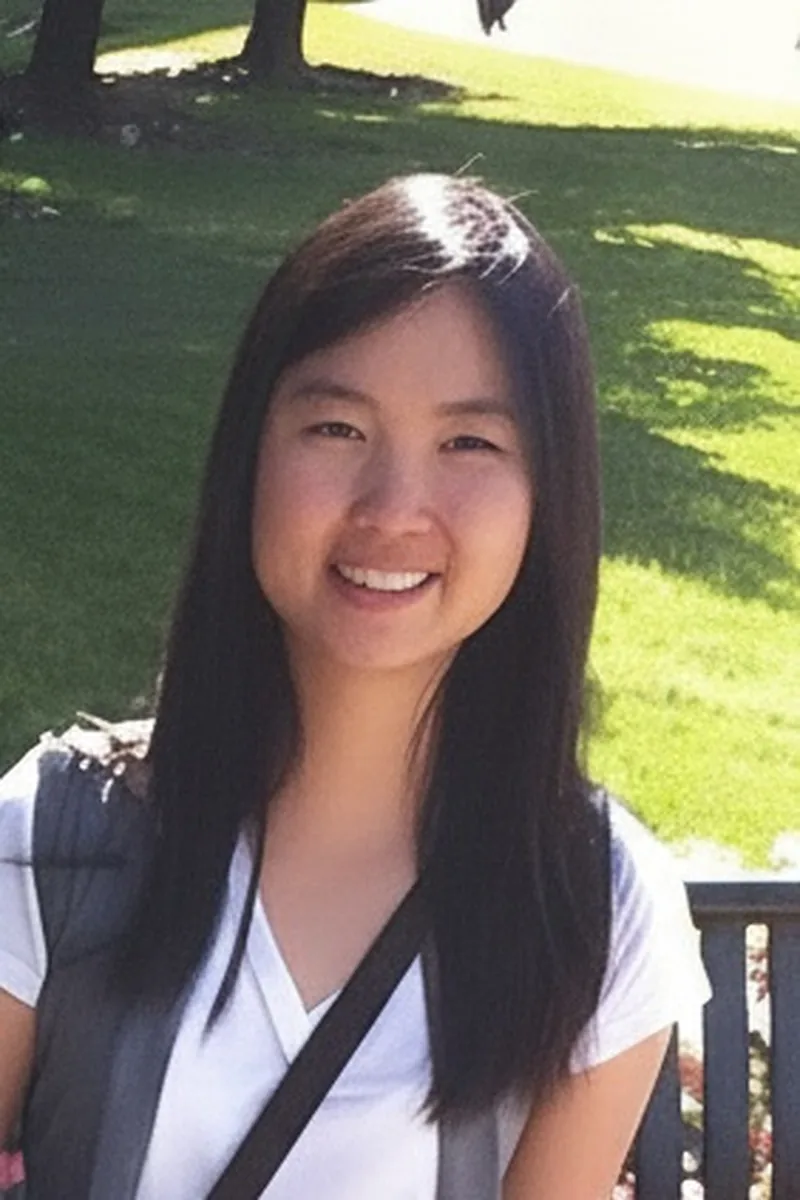
Pre-med students often make the best AP Bio tutors right before medical school — Natalie is in exactly that gap, with a chemistry degree and a 4.8 rating from the students she's already worked with. Her chemistry background gives her an unusual edge on the biochemistry-heavy portions of the course, like enzyme kinetics and the energetics of photosynthesis and respiration, where understanding reaction dynamics turns a memorization slog into something that actually makes sense. She also teaches AP Chemistry and college biology, so she's comfortable operating at the level of rigor the AP exam expects.

Running an immunology lab at Columbia Medical Center means Matthew doesn't just remember AP Biology content — he uses cellular signaling, gene expression, and immune system mechanics in active research. He teaches the course's trickiest units, like cell communication and ecology data analysis, by connecting textbook diagrams to what actually happens at the bench. That real-world grounding is especially useful for the AP exam's experimental-design and data-interpretation questions.
As a neuroscience major on the pre-med track at Vanderbilt, Eileen lives inside the material AP Biology tests: cell signaling, gene expression, metabolic pathways, and evolutionary mechanisms. She unpacks dense topics like the lac operon or oxidative phosphorylation by sketching out each step visually, turning overwhelming detail into a logical sequence students can actually reconstruct on exam day.
AP Biology's free-response questions demand more than memorized facts — they want students to design experiments, interpret data, and argue from evidence about topics like gene regulation or ecosystem dynamics. Andrew's ongoing work in biochemical laboratories means he teaches these skills from firsthand experience, walking students through cellular respiration or signal transduction the way a researcher actually thinks about them.
Three years running a cell biology lab section at Notre Dame gave Connor a front-row seat to exactly where students stumble on AP Bio material — signal transduction pathways, gene regulation, experimental design questions. His master's work in biomedical sciences deepened that knowledge, and he teaches the course with an eye toward the free-response questions that separate 4s from 5s.
Nicolette's bioengineering degree from Rice meant she didn't just memorize biological systems — she had to model them, which is exactly the kind of mechanistic thinking AP Bio's free-response questions demand when students need to explain processes like signal transduction or feedback in gene regulation. Her engineering training makes her especially sharp at teaching students to reason through experimental design and data interpretation questions, where you have to connect variables to biological outcomes rather than just recall facts. Rated 5.0 by students.
Studying biology and chemistry on the pre-med track at Northwestern means Kade is immersed daily in the exact material the AP Bio exam tests — from cellular respiration and signal transduction to gene regulation and evolutionary mechanisms. He also runs study groups at his university, so he's practiced at explaining dense concepts like feedback inhibition or Hardy-Weinberg equilibrium in ways that actually stick. That combination of current coursework and teaching experience makes a real difference on exam day.
Between his neuroscience research at the Jungers Center and molecular biology work at the Oregon Stem Cell Center, Daniel has lived the content that shows up on the AP Biology exam — from cellular signaling pathways to gene expression and evolution. He teaches the free-response section by connecting big biological ideas to the experimental design skills the College Board actually tests for.
Biophysics at Rice means Aadith studies biological systems through a quantitative lens — analyzing protein folding energetics, membrane dynamics, and molecular interactions — which gives him an unusual edge on AP Bio's units covering macromolecule structure, enzyme kinetics, and cellular energetics. He's also actively taking biochemistry coursework alongside his physics major, so he can explain concepts like the chemiosmotic mechanism or allosteric regulation with the kind of molecular-level precision that earns full credit on free-response questions.
A molecular biology degree means Andrew has worked through the central dogma, cell division, and metabolic pathways at the bench level — exactly the content AP Bio's exam leans on hardest. His PhD training in law and management might seem unrelated, but it sharpened the argumentative writing skills that translate directly to constructing the multi-part explanations free-response questions demand. Rated 4.8 by students.
As a premed biosciences student at Rice University, Jessy is actively working through the same molecular biology, genetics, and physiology content that AP Bio covers — which means she can pinpoint exactly where textbook explanations lose students and rephrase them on the fly. She recently peer-tutored classmates through AP-level coursework in high school and earned a 34 ACT, so she understands both the science and the test-taking strategy behind interpreting data sets and constructing free-response answers. Rated 5.0 by students.
Laura's economics background might seem like an odd fit for AP Bio, but it actually sharpens one of the exam's trickiest skills: interpreting data sets, reading graphs under pressure, and constructing logical arguments from evidence — exactly what the free-response section demands. She also tutors the SAT Bio Subject Test and college biology, so she's comfortable with content from ecology and population dynamics to cellular processes. Rated 5.0 by students.
Cellular respiration, gene regulation, ecological energy flow — AP Biology demands that students think across scales, from molecules to ecosystems, often within a single free-response question. Sharan is deep in this material as a Human Biology major on the premed track at Cornell, and she unpacks complex processes like signal transduction by walking through each step with clear cause-and-effect reasoning.
Testimonials
Because the right AP Biology tutor makes all the difference.
Average Session Rating – Based on 3.4M Learner Ratings
Practice AP Biology
Free practice tests, flashcards, and AI tutoring for AP Biology
Nearby AP Biology Tutors
Other Lincoln Tutors
Related Science Tutors in Lincoln
Frequently Asked Questions
Varsity Tutors matches Lincoln students with expert AP Biology tutors for 1-on-1 instruction. We pair each student with a tutor based on their specific needs, learning style, and goals.
Whether you need homework help, exam prep, or want to get ahead, our AP Biology tutors are ready to help.
Common challenges include gaps from earlier material, difficulty with specific concepts, and trouble applying learning to new problems. These issues can snowball quickly in AP Biology.
A tutor identifies where you're stuck, fills in gaps, and provides targeted practice. The 1-on-1 format means you get help exactly where you need it.
Tutors work with your student's actual coursework—homework assignments, class notes, and upcoming tests. This keeps tutoring directly relevant to what's happening in the classroom.
When you share information about your student's school and curriculum, we can match you with a tutor who has relevant experience.
All tutors complete background checks, credential verification, and teaching evaluation. Many of our AP Biology tutors hold advanced degrees or have years of teaching experience.
You can review tutor profiles to find someone with the right background for your student's level and needs.
Many students see improved grades within a few weeks, along with better understanding of AP Biology concepts and more confidence tackling challenging material.
Tutors track progress and adjust their approach to ensure continued improvement.
Most students benefit from 1-2 sessions per week. More frequent sessions help if your student is significantly behind or has an important exam coming up.
Your tutor can recommend a schedule based on your student's specific situation and goals.
Tutoring is purchased in packages of hours, with rates varying by tutor experience. Varsity Tutors offers several options to fit different budgets and needs.
You can discuss pricing during your consultation to find what works best.
Your tutor will assess where your student is, discuss goals, and start working on priority areas. Most students bring current homework or upcoming test material to focus on.
By the end, you'll have a clear sense of how the tutor can help and a plan for moving forward.
Let’s find your perfect tutor
Answer a few quick questions. We’ll recommend the right plan and match you with a top 5% tutor.