Award-Winning AP Computer Science A Tutors
serving Minneapolis, MN
AP Computer Science A
Tutors in Minneapolis
Private 1-on-1 tutoring, weekly live classes for academic support, test prep & enrichment, practice tests and diagnostics, and more to elevate grades and test scores.
Based on 3.4M Learner Ratings
UniversitiesSchools & Universities
DeliveredHours Delivered
ProficiencyGrowth in Proficiency
Who needs tutoring?
No obligation. Takes ~1 minute.
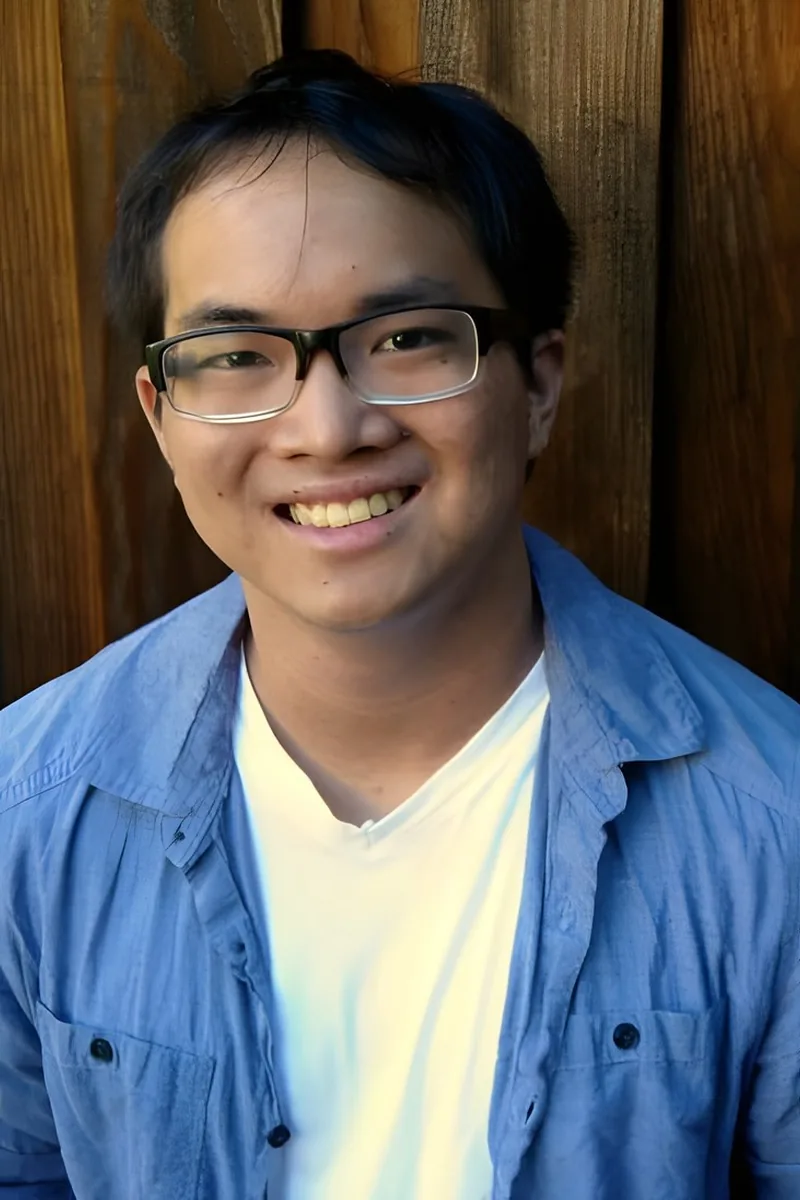
The jump from writing simple programs to reasoning about recursion, sorting algorithms, and ArrayLists trips up a lot of AP CS A students. David teaches Java with the rigor of someone who earned an MS in Computer Science at Stanford, walking through each concept with the kind of tracing and debugging exercises that make exam free-response questions feel routine.

The AP Computer Science A exam lives and dies on Java: arrays, ArrayLists, inheritance, and recursion show up relentlessly in both the multiple-choice and free-response sections. Cory unpacks each concept by writing and tracing code line by line, building the kind of fluency that lets students debug under exam pressure instead of freezing.
The AP Computer Science A exam lives and dies on object-oriented Java: inheritance hierarchies, array and ArrayList manipulation, and recursive methods that students need to trace by hand under time pressure. Ryan teaches these concepts in Java daily as part of his Cornell CS program, so he knows exactly where the common logic errors hide. He unpacks each free-response question type so students see the scoring pattern, not just the answer.
A perfect 5 on the AP Computer Science exam backs up William's ability to teach Java fundamentals — from array manipulation and recursion to object-oriented class design. He breaks down each free-response question type so students know exactly how to structure their logic and earn full credit on exam day.
NYU's five-year CS program has Kevin writing Java from day one — not just toy exercises but full object-oriented projects with real class hierarchies, so AP CSA topics like inheritance, encapsulation, and array manipulation are things he's actively using, not just recalling from a textbook. He's the kind of tutor who over-explains on purpose, walking through every step of a recursive trace or loop iteration until the logic is genuinely clear rather than just plausible. Rated 4.8 by students.
Four years of tutoring and a computer science major at Boston University mean Irene is actively immersed in Java — writing it for her own coursework while teaching it to others, which keeps her tuned into exactly where AP CSA students get tripped up on concepts like loop logic and object interaction. She's especially sharp at catching the small misunderstandings in how students trace through code, the kind that lead to wrong answers on free-response questions without anyone realizing why. Rated 4.8 by students.
Mechanical engineering at Case Western means Kevin codes in MATLAB and CAD environments where logical structure matters — the same kind of structured thinking that Java's object-oriented model demands in AP CSA. He approaches topics like loop construction and array manipulation the way an engineer solves a design problem: define the inputs, trace the logic, then build. Rated 4.8 by students.
The AP Computer Science A exam lives and dies on Java fundamentals: arrays, ArrayLists, loops, recursion, and object-oriented design with inheritance and polymorphism. David's daily immersion in computer science at UCLA — plus a software engineering internship at Adobe — means he can pinpoint exactly where a student's logic breaks down in a free-response problem and rebuild understanding from that point.
Pursuing a CS degree at UNC Chapel Hill means Jack isn't just studying Java in theory — he's building with it in coursework and projects where understanding how objects, arrays, and control structures interact is non-negotiable. He brings that hands-on coding fluency to AP CSA's trickiest areas, like debugging multi-method programs and writing clean solutions under the time pressure of free-response questions. Rated 4.7 by students.
Having built a career in software development while completing a master's in Computer Science, Daniel writes Java professionally — which means he can teach AP Computer Science A concepts like class design, recursion, and polymorphism the way working programmers actually think about them. He walks students through free-response problems by connecting each prompt to real coding patterns he uses daily, building the kind of fluency that makes exam questions feel like familiar territory.
Currently studying computer science at Duke, Susie codes in Java daily — which means AP CSA topics like array manipulation, loop construction, and object-oriented design aren't exam abstractions but tools she actually uses in her coursework. She teaches the reasoning behind each concept first, so students can trace through free-response problems with confidence instead of guessing at syntax.
Cornell's Chemical Engineering and Computer Science dual degree means Jonathan writes Java in the same program where he solves differential equations — so he treats AP CSA's class design and algorithm problems with an engineer's instinct for breaking systems into modular, testable pieces. He's particularly sharp on the free-response side, where knowing how to structure a solution before touching code separates fours and fives from threes.
As a computer science major at Case Western Reserve, Brian writes Java daily — the same language students need to master for AP Computer Science A. He tackles the concepts that trip students up most, like recursive methods, array manipulation, and object-oriented design, by assigning targeted practice problems that build real fluency with the exam format. Rated 5.0 by students.
Kevin's Stanford CS master's work in biocomputation means he writes Python and C++ for AI systems daily — but Java's object-oriented model is the same design thinking in a different wrapper, and he teaches AP CSA students to see class hierarchies, polymorphism, and recursion as transferable patterns rather than Java-specific tricks. His 1590 SAT and 35 ACT signal the kind of precise, methodical reasoning that translates directly to tracing free-response code under pressure. Rated 5.0 by students.
Testimonials
Because the right AP Computer Science A tutor makes all the difference.
Average Session Rating – Based on 3.4M Learner Ratings
Practice AP Computer Science A
Free practice tests, flashcards, and AI tutoring for AP Computer Science A
Nearby AP Computer Science A Tutors
Other Minneapolis Tutors
Related Technology and Coding Tutors in Minneapolis
Frequently Asked Questions
AP Computer Science A covers fundamental programming concepts using Java, including variables and data types, control structures, arrays, objects and classes, inheritance, polymorphism, and algorithms. The course emphasizes problem-solving and writing efficient code. Understanding these core topics is essential for performing well on the exam, which tests both conceptual knowledge and practical coding skills.
Score improvement depends on your starting point and how consistently you work with a tutor. Students who focus on their weakest areas—whether that's object-oriented programming, algorithm design, or debugging—typically see meaningful gains. Many students improve by 1-2 score levels with targeted practice and personalized instruction that addresses their specific gaps in understanding.
Many students struggle with transitioning from basic syntax to designing larger programs and understanding inheritance and polymorphism concepts. Others find it challenging to write efficient algorithms or debug complex code under time pressure. Personalized 1-on-1 instruction helps identify whether you need reinforcement on fundamentals or strategies for tackling multi-part problems on the exam.
The AP Computer Science A exam consists of two sections: a multiple-choice section (40 questions in 90 minutes) and a free-response section (4 questions in 90 minutes). The free-response section requires you to write and analyze Java code, design algorithms, and solve problems. Understanding the format and practicing both sections is key to managing your time effectively on test day.
Effective preparation combines consistent coding practice, regular review of key concepts, and full-length practice exams under timed conditions. Start by identifying weak areas—whether that's specific algorithms, class design, or debugging—then focus your study time there. Working with a tutor helps you develop a personalized study plan that targets your gaps and builds confidence before test day.
Look for tutors with strong Java programming experience, a solid understanding of computer science fundamentals, and ideally experience teaching or tutoring AP Computer Science A. They should be able to explain complex concepts clearly, help you write clean code, and provide feedback on both your understanding and coding style. Varsity Tutors connects you with expert tutors in Minneapolis who have proven experience preparing students for this exam.
Your first session focuses on understanding your current level, identifying specific challenges, and learning your learning style. Your tutor will likely review some fundamental concepts, assess your coding skills, and discuss your goals and timeline. This helps create a personalized plan that targets your weak areas and builds on your strengths.
Minneapolis has 182 schools across 34 school districts, many of which offer AP Computer Science A courses. Beyond your school's resources, Varsity Tutors connects you with expert tutors who provide personalized instruction tailored to your pace and learning style. Combining school coursework with personalized tutoring helps you master difficult concepts and feel confident on exam day.
Let’s find your perfect tutor
Answer a few quick questions. We’ll recommend the right plan and match you with a top 5% tutor.