Award-Winning Organic Chemistry Tutors
serving Minneapolis, MN
Organic Chemistry
Tutors in Minneapolis
Private 1-on-1 tutoring, weekly live classes for academic support, test prep & enrichment, practice tests and diagnostics, and more to elevate grades and test scores.
Based on 3.4M Learner Ratings
UniversitiesSchools & Universities
DeliveredHours Delivered
ProficiencyGrowth in Proficiency
Who needs tutoring?
No obligation. Takes ~1 minute.
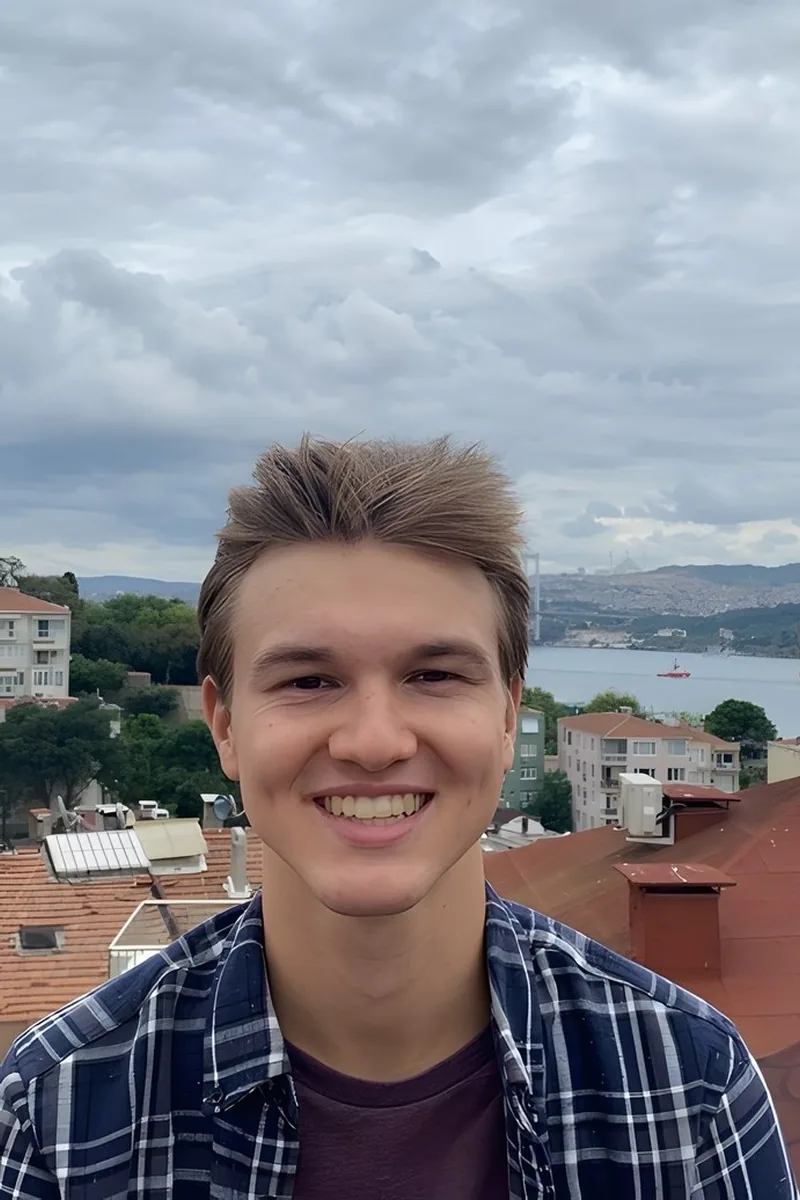
A biology degree with a biochemistry focus at Carleton meant Mikkel didn't just pass organic chemistry — he needed it to make sense of enzyme kinetics, metabolic pathways, and the molecular logic behind MCAT prep. That foundation shows when he teaches arrow-pushing and functional group transformations, because he can explain not just the mechanism on paper but where it matters in a living system. Rated 4.8 by students.
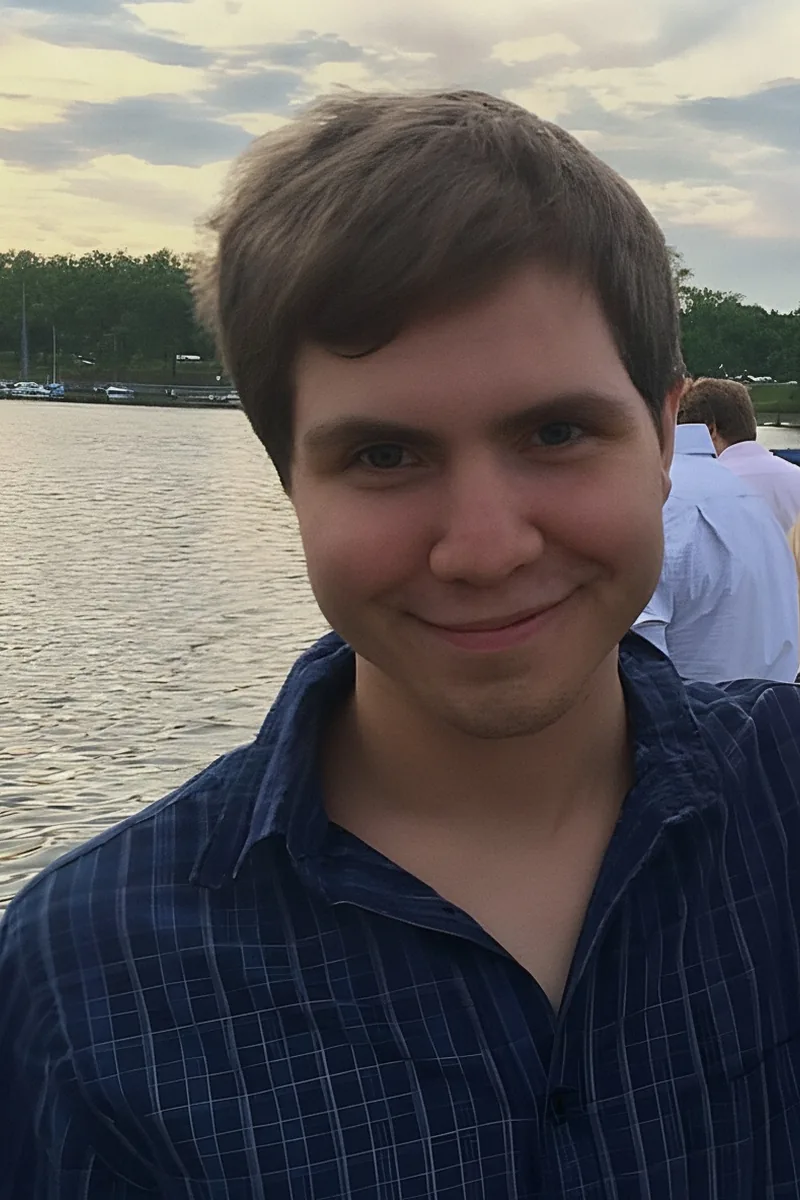
Nate's strength across both math and chemistry — including physical chemistry and honors chemistry — means he approaches organic reactions with an eye for the quantitative side: reaction kinetics, thermodynamic favorability, and the energy arguments that explain why one mechanism dominates over another. He walks students through arrow-pushing by connecting electron flow to the physical principles driving it, turning each mechanism into a logical sequence rather than a pattern to memorize. Rated 5.0 by students.
Reaction mechanisms are the backbone of organic chemistry, and Edward approaches them by teaching students to see electron flow as a story — nucleophile meets electrophile, bonds break and form for specific, predictable reasons. Once that logic takes hold, topics like stereochemistry, synthesis design, and functional group reactivity stop feeling like disconnected facts to memorize. He holds a 5.0 client rating.
Biochemistry majors don't just pass organic chemistry — they keep using it, which means Addison is building on reaction mechanisms and functional group behavior in courses well beyond the introductory sequence at Rice. That ongoing exposure to carbonyl chemistry, stereochemistry, and arrow-pushing in biological contexts gives her a practical fluency that makes tutoring sessions feel less like reviewing old notes and more like working through the material with someone who still thinks in it daily.
Reaction mechanisms are the language of organic chemistry, and Jhonatan treats them that way — teaching students to read electron flow through arrow-pushing until substitution, elimination, and addition reactions feel like variations on a theme rather than isolated procedures to memorize. His biochemistry expertise is especially useful when carbonyl chemistry and amino acid reactivity come into play. He holds a 5.0 client rating.
Four years of tutoring organic chemistry at Yale — while simultaneously doing pre-med coursework — gave Marcus a sharp sense of where students get stuck, particularly with carbonyl reactivity and multi-step synthesis planning. His current research at the Hospital for Special Surgery keeps him actively applying these concepts, so he teaches functional group transformations as interconnected tools rather than an isolated reaction catalog.
Penn's pre-health track put Brittany through rigorous chemistry coursework alongside her psychology degree, and she spent her undergraduate years tutoring General Chemistry I and II at the university's Tutoring Center — building the kind of fluency with reaction fundamentals that carries directly into organic mechanisms. She approaches topics like nucleophilic substitution and carbonyl reactivity by connecting them back to the foundational principles of electron behavior and molecular structure, making each new reaction type feel like an extension of something students already know.
Reaction mechanisms are the heart of organic chemistry, and they only make sense when a student can track electron movement and predict how functional groups behave. Malcolm is studying biochemistry and cell biology at Rice, where organic chemistry is foundational — he knows which arrow-pushing patterns show up repeatedly and teaches students to recognize them instead of memorizing hundreds of individual reactions.
Having completed both semesters of organic chemistry at the University of Michigan — on top of AP Chemistry before that — Ajay knows exactly where students get stuck, whether it's arrow-pushing in reaction mechanisms or keeping substitution and elimination pathways straight. He teaches students to recognize electron behavior patterns so new reactions feel predictable instead of random.
As an MD/PhD student at Northwestern doing doctoral research in organic synthesis, Austin lives in the world of reaction design — figuring out which bonds to form, which protecting groups to use, and why one retrosynthetic route beats another. That daily immersion means he teaches mechanisms and stereochemistry with the fluency of someone who actually builds molecules, not just someone who once passed the course.
Reaction mechanisms are the backbone of organic chemistry, and spotting nucleophilic attacks or predicting stereochemical outcomes requires genuine pattern recognition, not rote memorization. Lauren's chemistry minor at Duke and her hands-on lab research give her a practical fluency with functional group reactivity that she translates into clear, step-by-step reasoning for each mechanism type.
Teaching two Chemistry 101 lab sections gave Davis hands-on experience explaining reaction mechanisms, functional group behavior, and electron-pushing arrows to students encountering them for the first time. He approaches organic chemistry as a language of patterns — once students learn to read electron density and leaving-group tendencies, synthesis problems become far more manageable.
Most organic chemistry frustration comes from trying to memorize hundreds of reactions instead of recognizing the handful of electronic patterns — nucleophilic attack, leaving group ability, steric effects — that drive all of them. Garrett teaches students to read arrow-pushing mechanisms as stories about electron movement, which makes predicting products and regiochemistry intuitive. His approach turns reaction maps from overwhelming charts into logical flowcharts.
Reaction mechanisms in organic chemistry reward the same kind of systematic thinking that drives engineering design: track the electrons, identify the functional groups, and predict what happens next. Lee teaches students to read mechanisms as stories with cause and effect — nucleophile attacks electrophile, leaving group departs — instead of memorizing hundreds of individual reactions. His biomedical background adds context for why specific organic reactions matter in drug design and biochemistry.
Reaction mechanisms are the language of organic chemistry, and Josef teaches students to read them — arrow pushing, stereochemistry, and functional group reactivity — rather than memorize hundreds of individual reactions. His biochemistry focus at Cornell means he can connect orgo concepts like nucleophilic substitution and carbonyl chemistry directly to biological molecules students will encounter later.
Testimonials
Because the right Organic Chemistry tutor makes all the difference.
Average Session Rating – Based on 3.4M Learner Ratings
Practice Organic Chemistry
Free practice tests, flashcards, and AI tutoring for Organic Chemistry
Nearby Organic Chemistry Tutors
Other Minneapolis Tutors
Related Science Tutors in Minneapolis
Frequently Asked Questions
Organic Chemistry requires understanding both abstract molecular structures and how they behave in reactions—it's not just memorization. Students often struggle with visualizing 3D molecular geometry, predicting reaction mechanisms, and understanding why certain reactions occur. Many find the sheer volume of reactions and functional groups overwhelming without grasping the underlying principles that connect them. Personalized tutoring helps break down these concepts into manageable pieces and builds the reasoning skills needed to tackle unfamiliar problems.
The key is learning the 'why' behind reactions rather than just the 'what.' Understanding electron movement, resonance, and how molecular structure determines reactivity gives you a framework to predict reactions you've never seen before. Expert tutors focus on building your conceptual foundation—working through mechanisms step-by-step, using molecular models, and connecting reactions to real-world applications in pharmaceuticals, materials science, and biochemistry. This approach transforms Organic Chemistry from a memorization marathon into logical problem-solving.
Absolutely. Tutoring complements lab work by helping you understand the theory behind what you're doing in the lab and how to interpret results. Tutors can walk you through experimental design, help you troubleshoot when reactions don't go as expected, and connect lab observations back to lecture concepts. For students in Minneapolis taking lab courses at local universities or high schools, this integrated approach makes both the theoretical and practical sides of chemistry click.
Your first session is about understanding where you are and where you want to go. A tutor will assess your current grasp of foundational concepts, identify specific topics causing trouble (whether it's nomenclature, mechanisms, or synthesis), and learn about your learning style. From there, they'll create a personalized plan focused on your goals—whether that's improving your grade, preparing for an exam, or building confidence before tackling advanced topics. Most students find this diagnostic approach helpful because it targets exactly what they need.
Visualization is crucial in Organic Chemistry, and tutors use multiple tools to help—molecular models, drawing practice, and interactive software to rotate and manipulate structures. Building physical models with your hands helps your brain internalize 3D geometry in ways that 2D drawings can't. Regular practice drawing mechanisms, wedge-dash notation, and stereoisomers, combined with feedback from a tutor, dramatically improves your spatial reasoning and ability to predict reactivity based on structure.
Starting 4-6 weeks before an exam gives you time to build understanding rather than just cramming. However, even 2-3 weeks of focused tutoring can make a real difference if you're targeting specific weak areas. The ideal approach is ongoing tutoring throughout the course so you're not playing catch-up before the exam. Tutors can help you create a study strategy, work through practice problems under pressure, and review common exam pitfalls—all of which boost both your confidence and your score.
Varsity Tutors connects you with expert tutors who have deep knowledge of Organic Chemistry and experience teaching it to students like you. When you get matched with a tutor, you can discuss their background—whether they've taken the course themselves, taught it, or use it in their profession (like chemistry majors or pre-med students). The personalized matching process ensures you work with someone who understands both the subject and your specific learning needs.
Results vary based on where you're starting and how consistently you work, but most students see meaningful improvement within 4-6 weeks of regular tutoring. Some jump from struggling with mechanisms to confidently predicting reactions; others raise their exam scores by a full letter grade or more. Beyond grades, many students report finally 'getting' Organic Chemistry and approaching problem sets with confidence instead of dread. The combination of personalized instruction and consistent practice creates conditions where real learning happens.
Let’s find your perfect tutor
Answer a few quick questions. We’ll recommend the right plan and match you with a top 5% tutor.