Award-Winning Computer Science Tutors
serving Minneapolis, MN
Computer Science
Tutors in Minneapolis
Private 1-on-1 tutoring, weekly live classes for academic support, test prep & enrichment, practice tests and diagnostics, and more to elevate grades and test scores.
Based on 3.4M Learner Ratings
UniversitiesSchools & Universities
DeliveredHours Delivered
ProficiencyGrowth in Proficiency
Who needs tutoring?
No obligation. Takes ~1 minute.
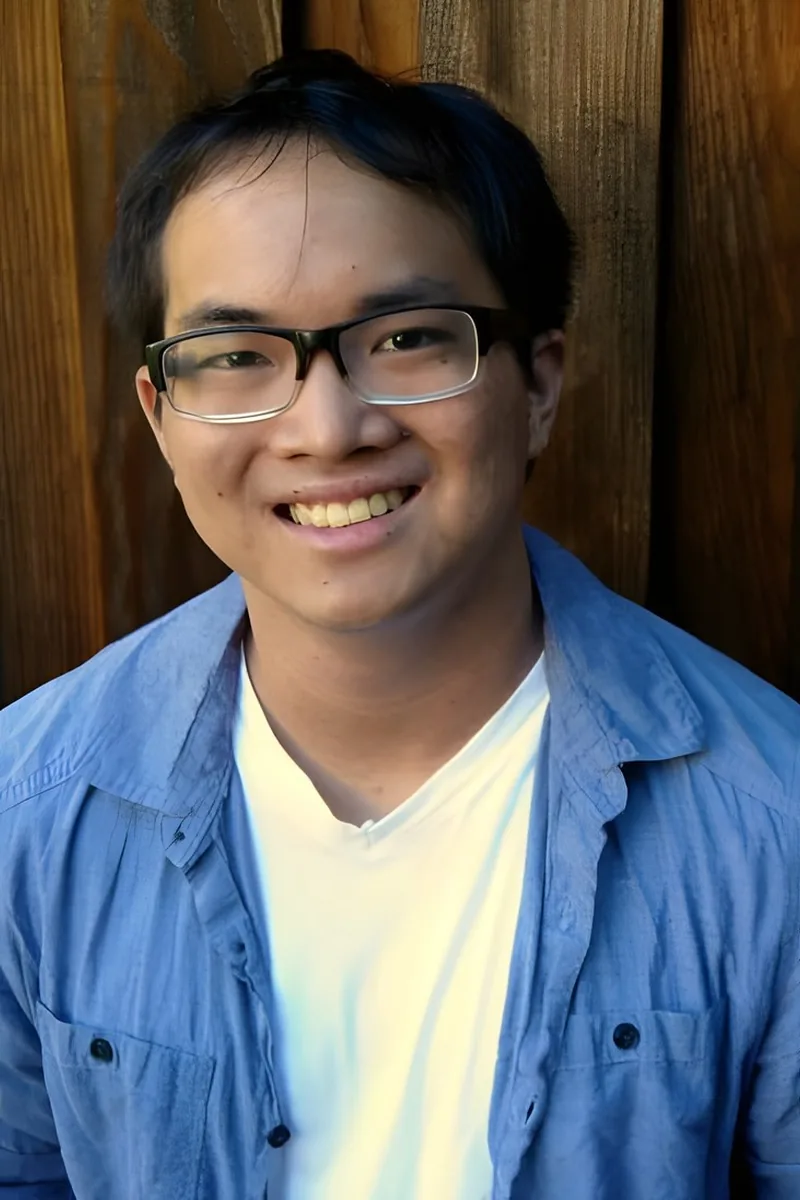
A Stanford MS in Computer Science means David can teach everything from data structures and algorithms to object-oriented design with the depth that comes from building real systems — not just reading about them. He spent a summer teaching web and app development to high school students in Palestine, so he knows how to make abstract CS concepts click through hands-on projects.
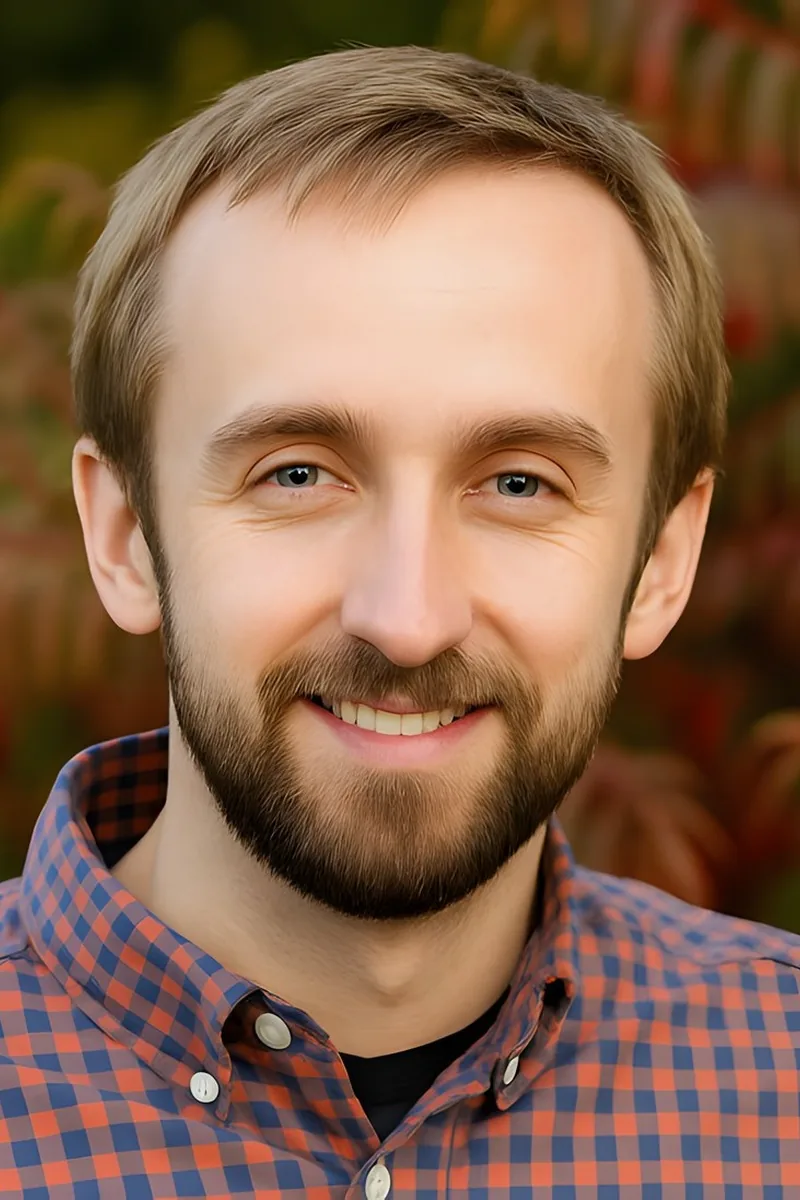
David's CS degree and hands-on Python experience mean he can take students from writing their first loop to tackling recursion, data structures, and algorithm design. He emphasizes explaining your reasoning — not just getting code to compile — because understanding why a solution works is what separates students who memorize syntax from those who can actually think like programmers. Rated 5.0 by students.
Currently pursuing a BS in Computer Science at the University of Minnesota, Broden covers everything from foundational topics like data structures and algorithm complexity to broader concepts like how operating systems manage processes. He connects theory to practice — explaining why a hash map outperforms a list for lookups, for instance, by benchmarking both in real code. Rated 5.0 by students.
Cory pairs his math degree with a computer science minor, which means he teaches programming concepts like loops, conditionals, and functions with an eye toward the mathematical logic underneath them. Students learning Java or Python get someone who can explain not just the syntax but why an algorithm works — tracing through the math that makes it correct. Rated 5.0 by students.
Allison's CS degree from Dartmouth means she's worked through the full arc — from writing first programs to tackling data structures, algorithms, and computational theory. She unpacks abstract concepts like recursion and Big-O analysis by walking through concrete code examples, making the logic visible before the notation takes over.
Eric treats coding problems the same way he treats logical puzzles — by breaking them apart, finding the pattern, and building a solution step by step. As a CS major at Washington University in St. Louis, he's deep in Java and JavaScript right now, which means he can walk students through everything from writing their first function to structuring a full object-oriented program. His approach emphasizes learning to think through problems algorithmically before jumping to syntax.
From recursion and sorting algorithms to Big-O analysis and object-oriented design, Ethan covers core computer science concepts with the rigor of someone studying it as a second major alongside aerospace engineering. He emphasizes understanding why an algorithm works — tracing through execution step by step — so students can adapt their thinking to new problems on exams and in projects.
Nicholas earned his B.S. in both mathematics and computer science from the University of Minnesota, so he understands the discipline from both the theoretical and practical sides. He digs into core topics like data structures, algorithm complexity, and recursion with the kind of mathematical precision that makes abstract concepts concrete. Whether a student is debugging their first linked list or analyzing Big-O notation, he breaks the problem down step by step.
Alexander's aerospace engineering degree means he learned to code the way engineers do — writing C++ and Java to solve physics simulations, optimize flight dynamics, and process real data, not just complete homework exercises. That background makes him especially sharp at teaching how programming concepts like memory management, recursion, and algorithm efficiency actually matter when code has to perform under constraints. Rated 5.0 by students.
I am graduated from Penn State University in Industrial Engineering in 2017. I've tutored ever since I was in high school, and I love helping people! I like to help my students understand math (and other topics) instead of just doing it blindly. My goal is to help my students improve their math (and other topics) and build skills that will help them find learning easier in the future! Fun fact, I used to work for Disney and I like to salsa dance!
Sakibul's graduate work at Rice sits at the intersection of computer science and applied mathematics, which means he tackles programming concepts — loops, recursion, data structures — with the analytical rigor of a mathematician. He breaks down abstract ideas like algorithmic complexity into concrete, step-by-step reasoning that clicks for students encountering CS for the first time.
Benjamin's finance and economics training at Notre Dame means he learned to code as a problem-solving tool — building models, analyzing datasets, and automating calculations — rather than through a traditional CS curriculum. That pragmatic entry point makes him effective at teaching programming logic and computational thinking to students who want to understand how code actually gets used in business and quantitative fields. Rated 5.0 by students.
A computer science degree paired with coursework in theoretical mathematics gives Lance an unusually strong grasp of the abstractions underneath the code — automata theory, algorithm complexity, data structures, and computational logic. He spent multiple semesters as a TA and independent instructor for CS courses, so he's seen firsthand which concepts trip students up and how to reframe them. Whether the topic is graph traversal or NP-completeness, he breaks it into pieces that actually make sense.
Studying both chemical engineering and computer science at Cornell gives Jonathan an unusual angle on programming — he's constantly writing code to solve quantitative, real-world problems rather than just completing standalone assignments. That dual perspective makes him especially effective at teaching algorithmic thinking and Java or Python fundamentals, since he can show students how CS concepts like iteration and data manipulation actually get applied in technical fields outside of software development.
As an engineering student at Brown, Kashish works with programming languages and computational thinking daily — from writing algorithms to debugging code and understanding data structures like arrays, linked lists, and trees. She breaks down abstract CS concepts by connecting them to concrete problems, making topics like recursion or object-oriented design click for students encountering them for the first time. Her analytical precision and 5.0 rating make her a strong fit for introductory through intermediate computer science.
Earning a computer science minor at Penn meant Cody went deep on data structures, algorithms, and programming logic alongside students in one of the country's top CS programs. His cognitive science major adds an unusual edge: he understands how people learn to think computationally, which makes him effective at explaining recursion, sorting algorithms, or Big-O analysis in ways that actually stick.
Between a master's in Computer Science, an active PhD program, and a full-time software development career, Daniel lives this subject from multiple angles — theoretical and applied. He unpacks everything from algorithmic complexity and data structures to systems-level thinking, tailoring the depth to wherever a student currently sits in their CS journey.
Trained in computer science at UT Austin and currently pursuing a PhD that blends computational methods with social science, David brings both theoretical depth and applied versatility to CS instruction. He digs into core topics like algorithm analysis, data structures, and computational complexity, connecting them to the kind of real-world problem-solving that makes the discipline click.
From basic programming constructs all the way up to computational analysis and finite automata, Andrew has tutored the full range of computer science topics at both the high school and college level. His CS degree gives him the depth to explain not just how an algorithm works but why its time complexity matters. Rated 5.0 by students.
Philosophy trained Calin to build rigorous logical arguments; his math and CS degrees taught him to express that logic in C++ and JavaScript. That combination means he teaches programming concepts — from algorithm design to data structure selection — as exercises in precise reasoning, where every line of code follows from a clear chain of thought. Rated 5.0 by students.
John transitioned from law into co-founding a software company, which meant teaching himself to think in algorithms, data structures, and system design under real deadlines. He approaches computer science the same way — breaking problems into smaller, solvable pieces before writing a single line of code. That builder's mindset makes debugging and logic design feel less intimidating.
Testimonials
Because the right Computer Science tutor makes all the difference.
Average Session Rating – Based on 3.4M Learner Ratings
Nearby Computer Science Tutors
Other Minneapolis Tutors
Related Technology and Coding Tutors in Minneapolis
Frequently Asked Questions
Minneapolis schools across the district follow state standards that typically include programming fundamentals, data structures, algorithms, web development, and computational thinking. Depending on grade level and course track, students may also explore database design, cybersecurity, artificial intelligence, or game development. A tutor can help you understand which topics align with your specific course and identify areas where you need extra support.
Debugging is one of the most valuable skills a tutor can help you develop. Rather than just pointing out errors, expert tutors teach you systematic approaches to identifying problems—like reading error messages carefully, using print statements strategically, and tracing code logic step-by-step. This hands-on code review process helps you build confidence and become independent at solving problems on your own.
Syntax is the specific rules of a programming language (like Python or Java)—the exact way you write commands. Logic is the problem-solving approach behind your code—how you break down a problem and design a solution. Many students struggle because they focus only on syntax without understanding the underlying logic. Tutors help you master both by teaching you to think algorithmically first, then express that thinking in code.
Building real applications—whether it's a web app, game, or data analysis tool—forces you to apply multiple concepts together and solve problems you'll actually encounter. Rather than isolated coding exercises, projects teach you how different pieces fit together and build portfolio work that demonstrates your skills. Tutors can guide you through the planning, development, and debugging phases of projects, helping you learn faster than working alone.
Data structures (like arrays, linked lists, trees, and hash tables) are the foundation for writing efficient code and solving complex problems. Understanding which data structure to use for a specific problem is what separates good programmers from great ones. Many students find this conceptually challenging because it requires both algorithmic thinking and practical coding experience—exactly where personalized tutoring makes the biggest difference.
Each path requires different foundational skills and emphasizes different areas of computer science. Web development focuses on front-end and back-end technologies, data science emphasizes statistics and algorithms, and game development combines graphics, physics, and optimization. A tutor can help you explore these paths through hands-on projects, assess your interests and strengths, and guide you toward the specialization that fits your goals.
Your first session is about understanding where you are and where you want to go. A tutor will ask about your current coursework, specific challenges you're facing, and your goals—whether that's passing your class, preparing for AP Computer Science, or building a portfolio project. From there, they'll create a personalized plan that targets your biggest pain points, whether that's debugging, algorithmic thinking, or a specific programming language.
Computer science is a skill you learn by doing—reading about loops or data structures isn't enough; you have to write code, make mistakes, and debug. Tutors provide structured practice with real feedback, helping you build muscle memory for problem-solving and coding patterns. They also help you learn from errors rather than just fixing them, which accelerates your growth far faster than practicing alone.
Let’s find your perfect tutor
Answer a few quick questions. We’ll recommend the right plan and match you with a top 5% tutor.