Award-Winning AP Spanish Language & Culture Tutors
serving Grand Rapids, MI
AP Spanish Language & Culture
Tutors in Grand Rapids
Private 1-on-1 tutoring, weekly live classes for academic support, test prep & enrichment, practice tests and diagnostics, and more to elevate grades and test scores.
Based on 3.4M Learner Ratings
UniversitiesSchools & Universities
DeliveredHours Delivered
ProficiencyGrowth in Proficiency
Who needs tutoring?
No obligation. Takes ~1 minute.
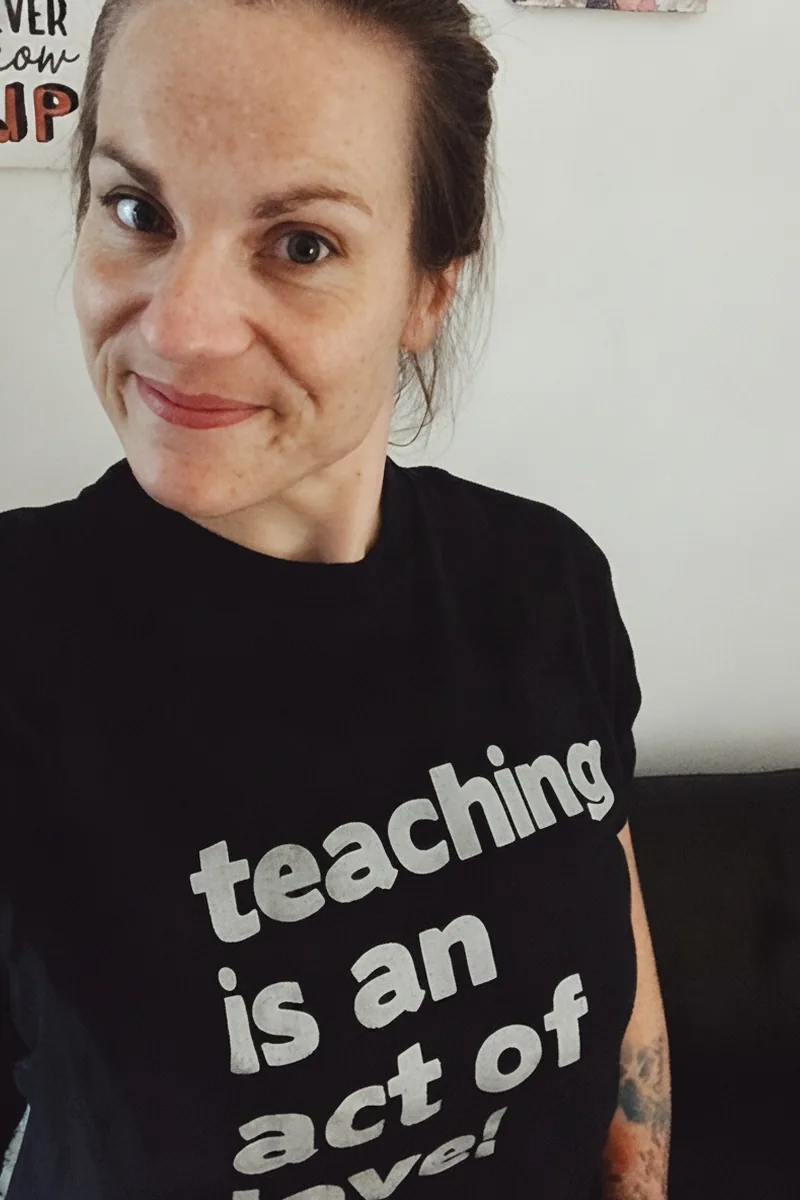
Nicole's linguistics degree means she understands how languages work as systems — the morphology, syntax, and pragmatics underneath Spanish that most tutors teach purely by repetition. She applies that structural knowledge to the AP exam's trickiest moments, like shifting between informal and formal register mid-task or decoding rapid authentic audio in the interpretive listening section. Her Italian heritage and fluency in multiple Romance languages sharpen her ear for the cognate traps and dialectal variations the exam loves to test.
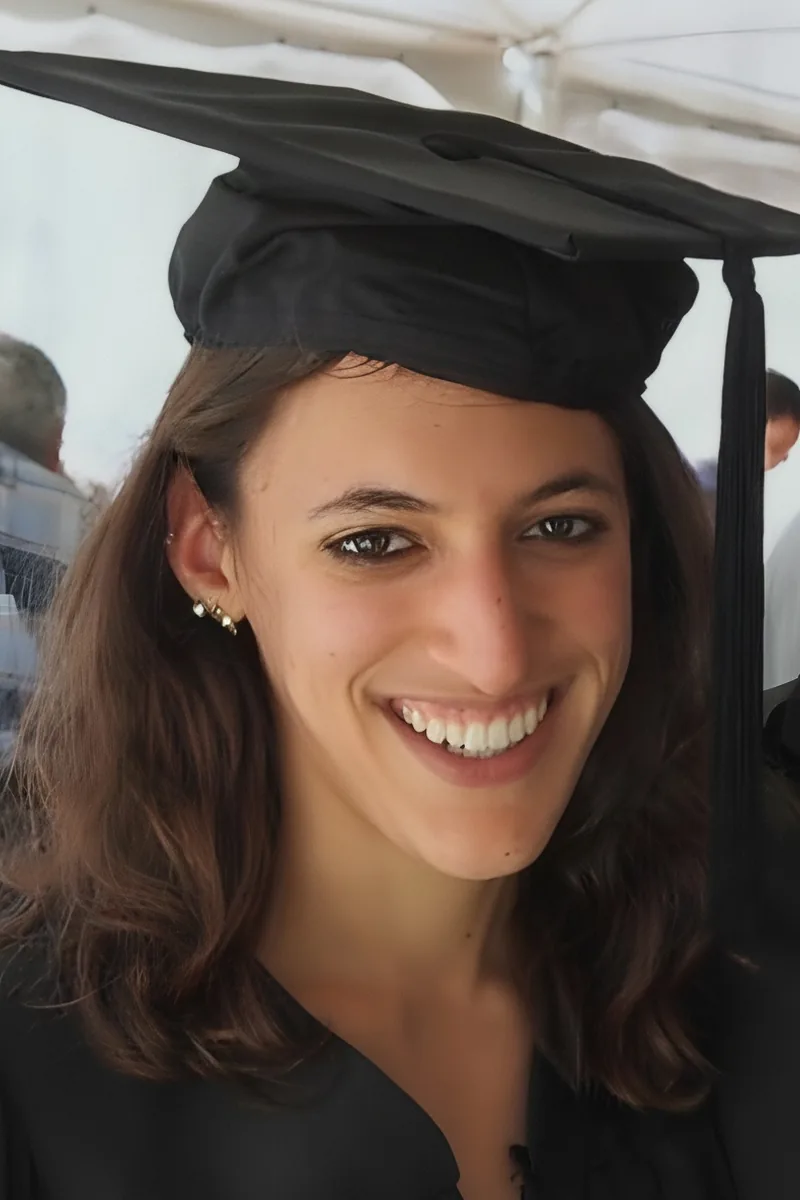
Rebekah's Geology-Biology degree from Brown isn't an obvious path to AP Spanish — but she teaches Spanish across all four levels plus conversational and both SAT Spanish Subject Tests, which signals genuine command of the language well beyond casual fluency. She tackles the exam's interpersonal speaking and interpretive listening sections by training students to process Spanish at natural speed, building the kind of real-time comprehension that no amount of grammar drilling alone can produce. Rated 5.0 by students.
Native fluency changes everything in AP Spanish Language & Culture. Alex grew up speaking, reading, and writing Spanish at home, and his bilingual background means he can explain grammar from the inside — why the subjunctive feels natural in certain contexts, how register shifts between formal and informal speech, and what authentic source material actually sounds like. His English degree also sharpens the presentational writing and speaking skills the exam demands.
Growing up as a native Spanish speaker and then formally studying the language through a Hispanic Studies degree gives Mercedes something the AP exam's interpersonal speaking tasks reward — an instinct for when to shift between informal conversational register and the polished, formal tone the persuasive essay demands. She's a certified high school teacher who also holds a master's in literature, so she approaches the exam's source-synthesis writing tasks the way she'd teach a close reading: pulling evidence, structuring an argument, and controlling tone under timed pressure.
Growing up speaking French, Haitian Creole, and English before learning Spanish and Italian academically, Muriel understands from the inside how multilingual thinkers process a new language's grammar, idioms, and register shifts — the exact skills the AP exam's persuasive essay and interpersonal speaking tasks test under pressure. Her BA in Spanish and Italian Literature means she reads and writes in formal academic Spanish, not just conversational Spanish, which is the register gap that trips up most AP students on exam day.
Between teaching Spanish 1 through 4, conversational Spanish, and both SAT Spanish Subject Tests, Linda has logged serious hours across every level of the language — which means she can quickly spot whether an AP student's weak point is a shaky subjunctive foundation or an inability to shift into formal written register under timed conditions. Her graduate work in education at USC's Rossier School sharpens how she structures exam prep, particularly for the persuasive essay task where students need to synthesize Spanish-language sources into a cohesive argument fast.
Growing up in Miami gave Caitlin daily exposure to Spanish in real-world contexts — the kind of authentic, unscripted language that mirrors what the AP exam throws at students in its interpretive listening and reading sections. She teaches Spanish 1 through 4 and pairs that progression with her own experience navigating Spanish across levels, so she knows exactly which grammar gaps (subjunctive triggers, formal vs. informal register) trip students up on timed free-response tasks. Rated 5.0 by students.
Planning to minor in Spanish and study abroad in Madrid, Ryan brings real investment in the language to AP Spanish prep. He zeroes in on the presentational and interpersonal speaking tasks that tend to cost students the most points, drilling strategies for organizing spontaneous responses and weaving in cultural comparisons on the fly.
Richard earned the highest scores on the AP Spanish exam with listening after double-majoring in Spanish at Emory and studying in Spain. He tackles the presentational writing and interpersonal speaking tasks by drilling the idiomatic expressions, subjunctive constructions, and cultural references that push students from competent into the 4–5 scoring range.
Grant teaches Spanish across every level from 1 through 4 plus conversational and AP, which means he can quickly diagnose whether a student is struggling with foundational grammar — subjunctive triggers, preterite vs. imperfect — or with the higher-level task of producing formal register under timed conditions. His economics background also gives him a structured, analytical approach to the exam's persuasive essay, where organizing source material into a coherent argument matters as much as the Spanish itself. Rated 5.0 by students.
Gus teaches Spanish across all four levels plus conversational Spanish, and his History degree means he's already wired to think about how cultural contexts shape language — a skill that directly feeds the AP exam's cultural comparison free-response. He approaches the interpersonal speaking and listening tasks by turning grammar patterns into narrative logic, making subjunctive triggers and register shifts stick the way a good story does rather than a conjugation chart.
Born in Bolivia and fluent in Spanish from childhood, Geraldine brings native-level command to the AP Spanish Language & Culture exam's trickiest components: the persuasive essay, the cultural comparison, and the simulated conversation. She drills students on transitional phrases, formal register, and the specific cultural knowledge the College Board expects. Her familiarity with Latin American customs and idioms gives students an authentic reference point beyond the textbook.
Fluent in Spanish since childhood, Adriana treats AP Spanish Language & Culture as more than vocabulary drills — she digs into the interpretive and presentational communication tasks that drive the exam, from synthesizing audio sources to crafting persuasive essays in Spanish. Her Rice University background in both sciences and humanities means she can coach students through the cultural comparison and argumentative writing sections with real analytical depth. Rated 5.0 by students.
Earning a strong score on AP Spanish Language & Culture means toggling between interpersonal conversation, presentational writing, and audio-source synthesis — often in the same exam sitting. Sarah's Spanish major and her background in international education give her native-level command of the language and a clear method for tackling the cultural comparison essay, which is where most students lose points.
Testimonials
Because the right AP Spanish Language & Culture tutor makes all the difference.
Average Session Rating – Based on 3.4M Learner Ratings
Other Grand Rapids Tutors
Related Languages Tutors in Grand Rapids
Frequently Asked Questions
The AP Spanish Language & Culture exam tests your ability to read, write, listen to, and speak Spanish at an advanced level. The exam includes five sections: multiple-choice reading comprehension, multiple-choice listening comprehension, free-response writing (email reply and essay), and free-response speaking (conversation and cultural presentation). Success requires not just language skills but also deep familiarity with Spanish-speaking cultures, which tutors can help you develop throughout your preparation.
Score improvement depends on your starting level and how consistently you prepare. Students who work with tutors typically see gains of 1-3 points on the 1-5 scale, with the biggest improvements coming from focused work on weaker sections—like speaking skills or essay writing—where personalized feedback makes the most difference. The key is identifying your specific gaps early and addressing them through targeted practice and expert guidance.
The speaking section is challenging because it requires real-time language production without the time to edit or revise—you're being evaluated on fluency, pronunciation, and cultural awareness simultaneously. Many students haven't had consistent practice speaking Spanish aloud, especially in structured formats like the conversation and cultural presentation tasks. Tutors can simulate these speaking scenarios, provide immediate feedback on your delivery, and help you build the confidence to perform under pressure.
AP Spanish essays are graded on organization, vocabulary range, grammar accuracy, and cultural understanding—not just fluency. Working with a tutor lets you write practice essays, receive detailed feedback on specific weaknesses, and learn to structure arguments more effectively in Spanish. Tutors can also help you expand your vocabulary in specific cultural and thematic areas, which strengthens both your writing and your ability to discuss culture authentically.
Practice tests are most valuable when you treat them like the real exam—take them under timed conditions, then analyze your mistakes carefully to identify patterns in what you're missing. A tutor can help you interpret your results, determine whether your struggles are vocabulary-based, grammar-based, or comprehension-based, and create a targeted study plan to address those specific areas. Taking multiple practice tests throughout your preparation helps you track progress and build test-taking stamina.
Cultural knowledge is essential—it's woven throughout the exam in reading passages, listening materials, and especially the cultural presentation speaking task. You're expected to discuss authentic cultural products, practices, and perspectives from Spanish-speaking communities, not just demonstrate language skills. Tutors can guide you through the cultural themes tested by the College Board and help you develop meaningful insights that demonstrate genuine cultural understanding.
Most students benefit from 3-6 months of focused preparation, though this varies based on your current Spanish proficiency level. If you're already in an AP Spanish class, consistent tutoring throughout the year helps reinforce classroom learning and address gaps as they emerge. Tutors can help you create a realistic study timeline that balances all five exam sections and ensures you're practicing consistently rather than cramming close to test day.
Varsity Tutors connects you with expert Spanish tutors in the Grand Rapids area who specialize in AP exam preparation. You can share your specific goals—whether you're focusing on speaking skills, essay writing, or overall exam strategy—and get matched with a tutor whose expertise aligns with your needs. Tutors work with you on a flexible schedule to prepare for the exam at your own pace.
Let’s find your perfect tutor
Answer a few quick questions. We’ll recommend the right plan and match you with a top 5% tutor.