Award-Winning Spanish Tutors
serving Detroit, MI
Spanish
Tutors in Detroit
Private 1-on-1 tutoring, weekly live classes for academic support, test prep & enrichment, practice tests and diagnostics, and more to elevate grades and test scores.
Based on 3.4M Learner Ratings
UniversitiesSchools & Universities
DeliveredHours Delivered
ProficiencyGrowth in Proficiency
Who needs tutoring?
No obligation. Takes ~1 minute.
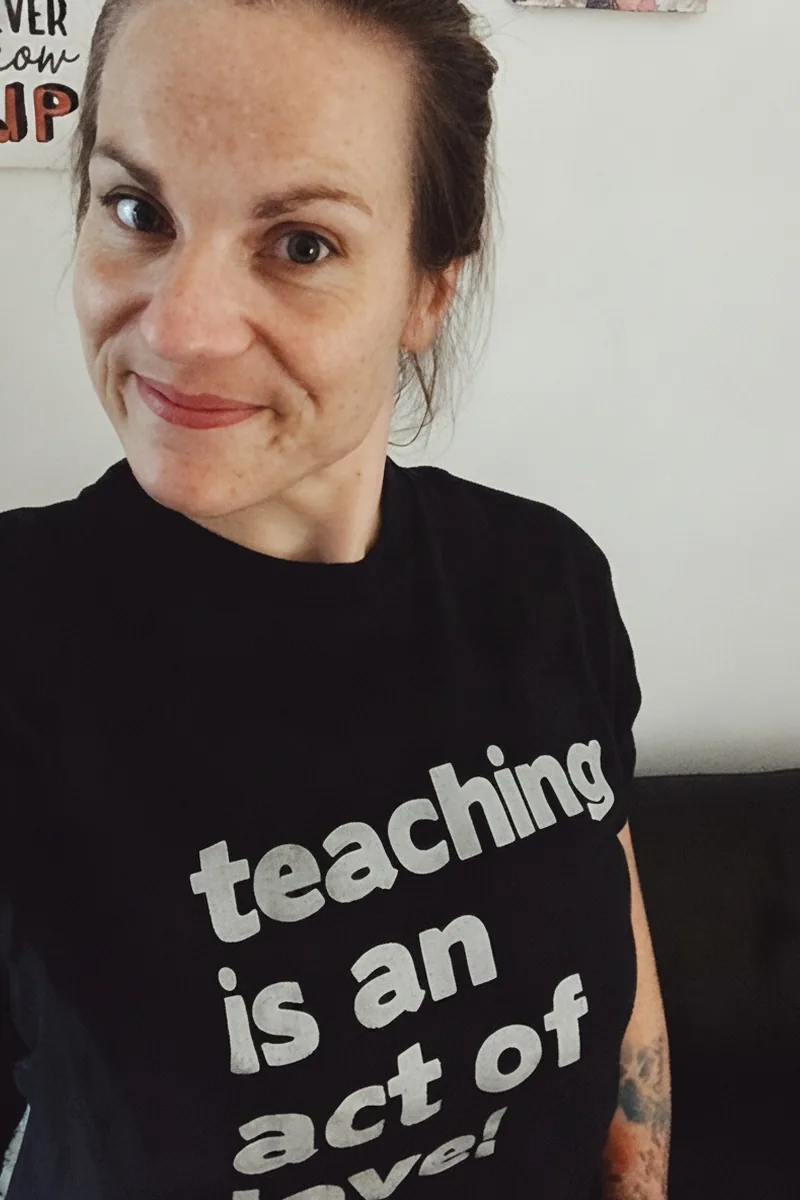
Learning Spanish as a system rather than a list of vocabulary words is what separates students who plateau from those who actually become conversational. Nicole's linguistics degree gives her a framework for explaining verb tenses, subjunctive mood, and sentence structure in ways that click — especially for students who've been memorizing without understanding. She teaches across all four levels of Spanish and visits her family in Italy annually, keeping her Romance-language instincts sharp.
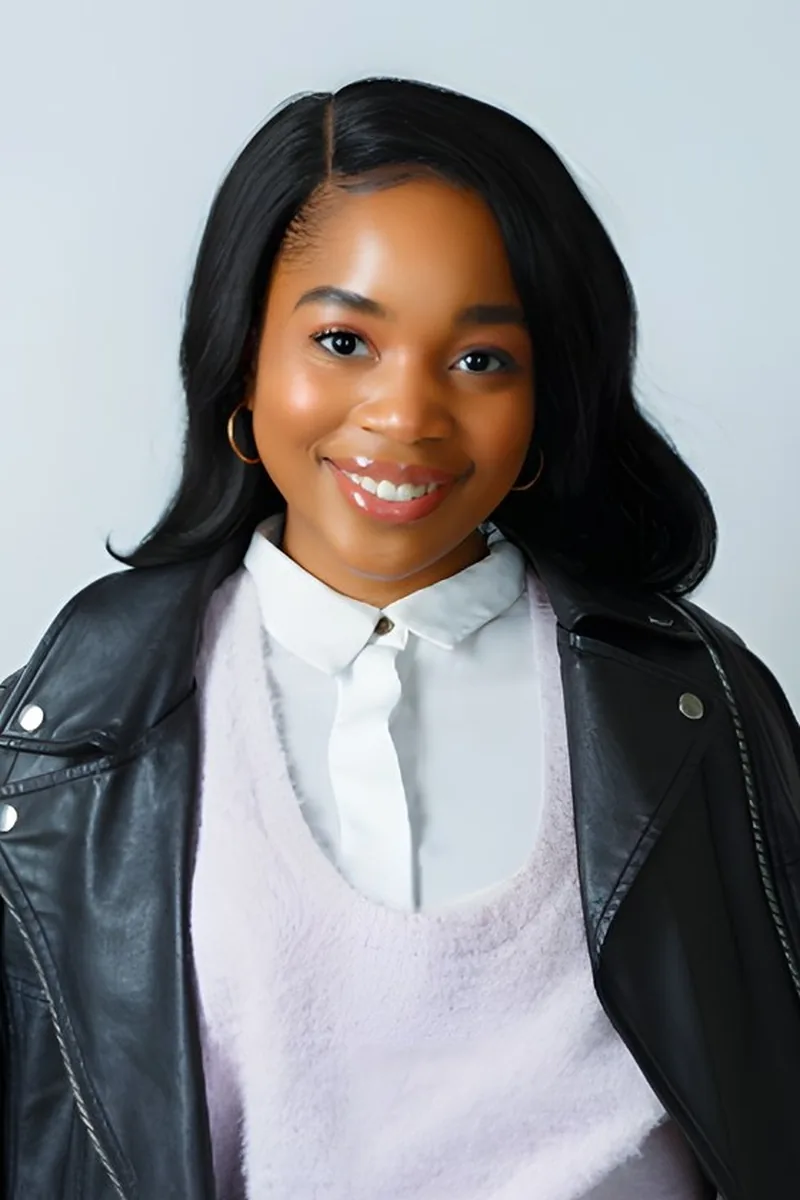
Teaching both Spanish and conversational Spanish means Sierra covers the full arc — from memorizing verb endings on paper to actually stringing together sentences in real time. Her communications background sharpens this further, since she treats language as something you use to connect with people, not just a set of grammar exercises to complete.
A semester studying in Madrid plus several years working at a Latin American tech company in Miami gave Jonah daily, professional-level immersion in Spanish that most tutors simply don't have. He tackles grammar concepts like the subjunctive mood and preterite-vs-imperfect distinctions by grounding them in real usage patterns he picked up living and working in Spanish. His 5.0 rating speaks to how well that real-world fluency translates to the classroom.
Ruth didn't just study Spanish in a classroom — she lived it as an English Teaching Assistant at the Universidad Pontificia Bolivariana in Medellín, Colombia. That immersion experience means she teaches grammar concepts like subjunctive mood and preterite vs. imperfect with real-world context baked in, connecting textbook rules to how Spanish is actually spoken.
Pratik's strength is in science and test prep, not Spanish — but the analytical rigor of his Cornell pre-med coursework means he's wired to decode grammatical systems the same way he'd break down a reaction mechanism, finding the logic underneath conjugation patterns and sentence structure. His writing background also sharpens his ability to teach composition skills that transfer directly to Spanish essay work and written expression.
Eva's English degree from Harvard sharpened her eye for how language works at the structural level — grammar, syntax, the logic behind why sentences hold together — and she applies that same analytical instinct to Spanish verb forms, agreement rules, and sentence construction. Her journalism background also means she values clear, functional communication over perfection, which takes the pressure off students who freeze up trying to produce flawless sentences. Rated 5.0 by students.
Trishani is completing a Spanish minor at the University of Michigan, which means she's actively working through the same grammar structures — preterite vs. imperfect, subjunctive mood, ser vs. estar — that trip up most students. She connects vocabulary and conjugation patterns to real usage so the language starts to feel intuitive rather than like a list of rules to memorize.
Rebekah teaches Spanish across multiple levels — from introductory vocabulary building through AP Spanish Language & Culture — and her science background at Brown actually sharpens how she explains grammar, treating conjugation patterns and tense rules as logical systems to decode rather than lists to memorize. She also took the SAT Subject Test in Spanish, so she knows how to prep students for the specific reading and listening comprehension demands of standardized Spanish exams. Rated 5.0 by students.
Having studied Spanish through the intermediate level alongside a demanding engineering courseload, Haley knows what it takes to internalize verb conjugations, nail preterite vs. imperfect distinctions, and actually retain vocabulary long-term. She brings a structured, pattern-oriented mindset to language learning that clicks especially well for students who think analytically.
I am a very strong writer, communicator, and a huge science geek. I've also spent years coaching elementary and middle school students in various sports, and have found fulfillment and success working with all age ranges.
Anna's background in speech-language pathology gives her a unique lens on Spanish — she breaks down pronunciation patterns, verb conjugations, and sentence structure by connecting them to how the brain actually processes a second language. For students tackling Spanish 1 vocabulary or building toward conversational fluency, that linguistic training makes tricky concepts like ser vs. estar click faster.
Jane minored in Spanish at Brigham Young University, building fluency across grammar, composition, and reading comprehension. She approaches verb conjugations and sentence structure with the same analytical eye she brings to English — breaking down why subjunctive mood triggers work the way they do, not just asking students to memorize charts.
Neuroscience trains you to learn how people learn — and Anya applies that instinct to Spanish by figuring out which memorization strategies actually stick for vocabulary and which grammar concepts need to be understood structurally before they'll hold. She scored a 36 on the ACT, so she knows how to break complex material into repeatable systems, a skill she carries into teaching everything from ser versus estar to subjunctive triggers.
Having studied through Spanish 3 and beyond, Kavya tackles the grammar structures that trip students up most — preterite vs. imperfect, subjunctive mood triggers, and direct/indirect object pronoun stacking. She ties each rule back to real usage so the logic behind conjugation patterns actually clicks.
Maria is fluent in Spanish, which means she teaches beyond conjugation charts and vocabulary lists — she digs into how subjunctive mood actually works in everyday conversation and why ser and estar aren't interchangeable. Her approach leans on repetition with real-world context, building the kind of instinct for the language that lets students think in Spanish rather than translate from English.
Kyleigh is pursuing a Bachelor of Science in Spanish at the University of Michigan, which means she's immersed in the language daily — from advanced literature and composition to conversational fluency. She teaches everything from verb conjugation patterns and subjunctive mood to building the confidence to think in Spanish rather than mentally translating from English.
I am a full-time Master's student, and I enjoy Harry Potter, Doctor Who, and the Chilling Adventures of Sabrina.
Aditi teaches Spanish with an emphasis on building grammar systematically — verb conjugations, pronoun usage, sentence structure — so students can construct their own sentences instead of relying on memorized phrases. She covers beginner through intermediate levels and connects vocabulary to real-world contexts that make retention easier.
Tackling both Spanish and conversational Spanish means Sam doesn't just drill grammar charts — he pushes students toward actually producing the language in real time, connecting conjugation patterns and vocabulary to spoken practice. His 35 ACT reflects sharp analytical chops that translate well into breaking down tricky structures like ser versus estar or subjunctive triggers. Rated 5.0 by students.
Rather than drilling conjugation tables in isolation, Meghan teaches Spanish grammar in context — building sentences that students actually want to say. She minored in Spanish at Northwestern and then spent a semester at Madrid's top-ranked university taking upper-level courses entirely in Spanish alongside native speakers. That immersion experience means she understands the gap between textbook Spanish and how the language actually works.
Mica teaches Spanish across four levels, from foundational conjugation and noun-adjective agreement through advanced grammar like the subjunctive mood and complex sentence structures. Her analytical background at Stanford carries over into how she breaks down tricky verb tenses — she treats grammar rules as logical systems rather than lists to memorize.
Learning new languages is one of Maedeh's ongoing pursuits, and she teaches Spanish at multiple levels from introductory vocabulary through advanced grammar and conversation. She approaches verb conjugations and sentence structure analytically, connecting patterns across tenses so that irregular forms and subjunctive usage start to feel logical rather than arbitrary.
Teaching elementary school in diverse classrooms gave Victoria daily practice communicating in Spanish with students and families, and she carries that real-world fluency into her tutoring. She covers verb conjugations, reading comprehension, and written composition across Spanish 1 through 4, adjusting complexity to wherever a student currently sits in the sequence.
Jane tutors Spanish 1 and 2 students on the grammar fundamentals that trip most English speakers up — ser versus estar, preterite versus imperfect, and pronoun placement in different sentence structures. Her analytical approach to language, sharpened by studying English at Princeton, gives her a knack for explaining why Spanish grammar rules work the way they do rather than just listing them.
Lucas teaches Spanish with an emphasis on building conversational confidence alongside grammatical structure — verb conjugations, pronoun placement, and sentence formation in real-world contexts. His experience with ESL learners gives him a sharp sense of how language acquisition actually works, which he applies in reverse when English speakers are tackling Spanish.
Living and running a nonprofit in Ecuador has given Vanessa the kind of everyday Spanish fluency that classroom instruction alone can't replicate. She uses that immersion experience to teach grammar, vocabulary, and verb conjugations through real-world context — ordering food, reading local news, navigating conversations — so the language sticks instead of feeling like an abstract exercise.
Heather's Spanish teacher trusted her enough to ask her to tutor a classmate — which says more about her command of the language than any credential list. She breaks down verb conjugations, sentence structure, and vocabulary acquisition in ways that stick, whether a student is just starting with present tense or wrestling with the subjunctive mood.
Foundational vocabulary and verb conjugations matter, but Dylan pushes students to actually use Spanish before they feel fully ready — because that productive discomfort is where fluency grows. He's lived and traveled extensively in Spanish-speaking communities, which means he teaches not just textbook grammar but the idiomatic expressions and cultural context that make the language real.
Moriah teaches Spanish at the intermediate and advanced levels, tackling tricky areas like subjunctive mood, preterite-vs-imperfect distinctions, and complex sentence construction. Her analytical approach — developed through a Cornell education and years of teaching — translates well to breaking down grammar rules that often feel arbitrary to English speakers. She connects new structures to patterns students already recognize, making conjugation tables and vocabulary retention far less painful.
Testimonials
Because the right Spanish tutor makes all the difference.
Average Session Rating – Based on 3.4M Learner Ratings
Other Detroit Tutors
Related Languages Tutors in Detroit
Frequently Asked Questions
Your first session is all about understanding your current level and learning goals. A tutor will assess your reading, writing, speaking, and listening skills, discuss what you want to achieve—whether that's conversational fluency, grammar mastery, or test preparation—and create a personalized learning plan. This foundation helps ensure every session builds on your strengths and targets your specific needs.
One of the biggest advantages of personalized tutoring is dedicated speaking practice that's hard to get in a classroom with a 20.7:1 student-teacher ratio. A tutor can engage you in real conversations, correct your pronunciation and accent in real time, and adjust difficulty to keep you challenged without frustration. This consistent, focused speaking practice is essential for developing genuine conversational fluency.
Spanish verb conjugation is challenging because there are so many irregular patterns and tenses to master. Rather than memorizing rules in isolation, a tutor helps you understand conjugation patterns through context and repeated practice, using retrieval practice techniques to build long-term retention. They can also focus on the most-used verbs and tenses first, so you can communicate effectively before tackling every edge case.
Spaced repetition—reviewing words at increasing intervals—is one of the most effective methods for vocabulary retention. A tutor can incorporate new vocabulary into your conversations and writing assignments, connect words to cultural context and real-world usage, and help you build personal connections to the material. This active, contextual approach is far more effective than memorizing word lists.
The most effective approach combines both. Understanding grammar rules gives you a framework, but natural usage—how native speakers actually speak—is what makes you sound fluent and helps you understand authentic conversations. A tutor balances explicit grammar instruction with immersion-style learning, so you develop both technical accuracy and natural communication skills.
Learning Spanish in isolation from culture misses half the picture. When you understand the cultural context behind the language—regional differences, idioms, social customs, and how native speakers actually communicate—vocabulary sticks better and you develop genuine fluency. A tutor can weave cultural immersion into your lessons, helping you connect language to real-world usage across Spanish-speaking communities.
According to language learning research, reaching professional-level proficiency typically requires around 600 hours of study. For conversational fluency at a basic level, most students see significant progress within 3-6 months of consistent, personalized tutoring combined with self-study. The timeline depends on your starting point, how frequently you study, and how much you practice speaking outside of tutoring sessions.
Look for tutors with strong proficiency in Spanish (ideally native or near-native speakers), teaching experience or subject expertise, and a track record helping students achieve their specific goals—whether that's conversation, grammar, test prep, or cultural fluency. Varsity Tutors connects you with expert tutors who can demonstrate their qualifications and teaching approach during your first session, so you can find the right fit for your learning style.
Let’s find your perfect tutor
Answer a few quick questions. We’ll recommend the right plan and match you with a top 5% tutor.