Award-Winning AP World History Tutors
serving Ann Arbor, MI
AP World History
Tutors in Ann Arbor
Private 1-on-1 tutoring, weekly live classes for academic support, test prep & enrichment, practice tests and diagnostics, and more to elevate grades and test scores.
Based on 3.4M Learner Ratings
UniversitiesSchools & Universities
DeliveredHours Delivered
ProficiencyGrowth in Proficiency
Who needs tutoring?
No obligation. Takes ~1 minute.

Felix's Classical, Ancient Mediterranean, and Near Eastern Studies degree at Brown means he's spent serious time with the pre-1200 CE civilizations that many AP World History students rush past — Mesopotamian state-building, Greco-Roman political models, and the trade networks connecting the Mediterranean to Central and South Asia. That deep familiarity with early periods gives him a real edge when teaching students to tackle periodization questions and trace how foundational developments in governance and belief systems ripple forward through the entire course timeline. His 1540 SAT and fluency in Japanese add particular strength on comparative prompts involving East Asian content.
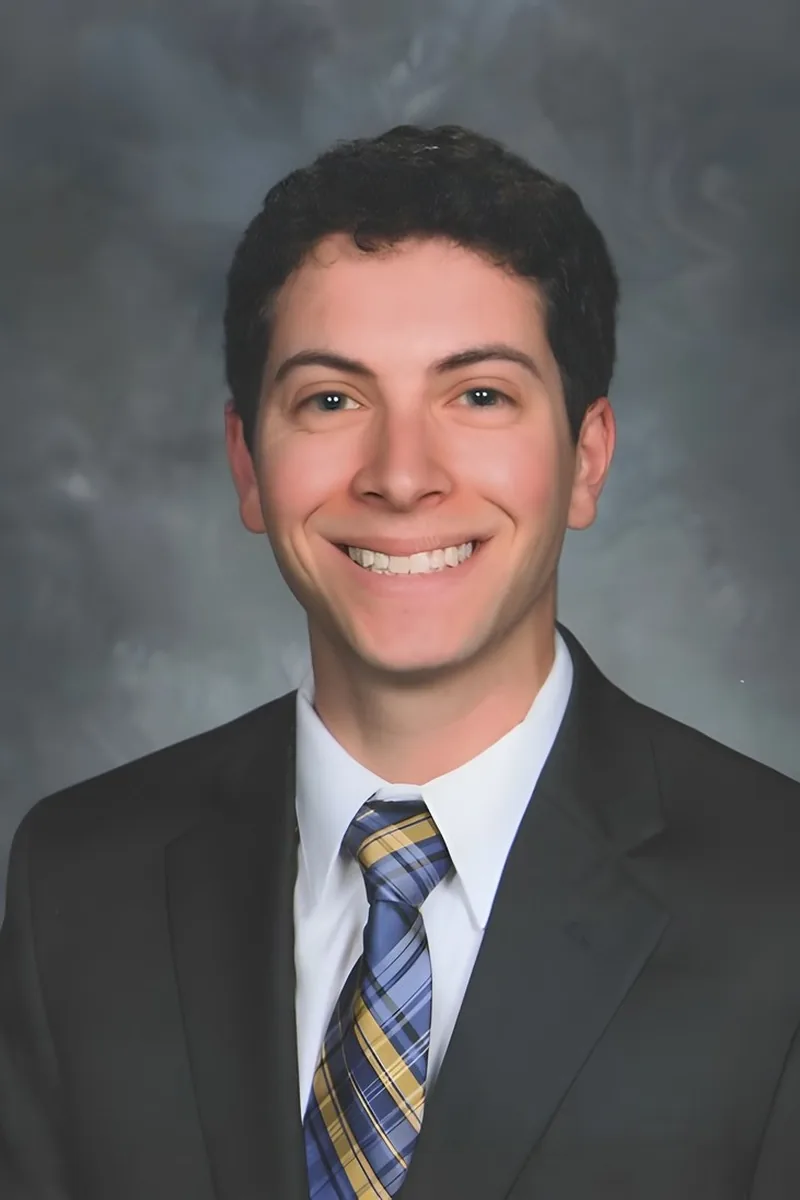
Jonah's history degree and 1590 SAT give him both the content depth and the timed analytical writing skills that AP World History's essay sections punish students for lacking — particularly on LEQ prompts where a vague thesis about, say, imperialism's impact across regions earns almost no credit. He teaches students to anchor broad comparative claims in specific evidence, turning a sprawling nine-period timeline into arguments that actually score.
Brian's dual training in economics and computer science at Caltech built the kind of analytical framework that AP World History's toughest prompts actually test — tracing how economic systems, trade networks, and technological innovations reshaped societies across periods, from Indian Ocean commerce to industrial capitalism. His 1580 SAT reflects the timed reading and argumentative writing skills the DBQ demands, and his economics background gives him a concrete lens for teaching students why empires rose and fell rather than just when.
Bryan's government degree from Dartmouth means he can unpack the political structures side of AP World History — how empires consolidated power, why revolutionary movements echoed across regions, and what made state-building look different in Ming China versus the Ottoman Empire — with the kind of specificity the LEQ and DBQ demand. His 34 ACT and 1580 SAT point to serious timed-writing chops, and his background heading into constitutional law at Stanford sharpens his instinct for teaching students to build arguments about how political legitimacy and governance evolved across all nine periods. Rated 5.0 by students.
Having worked on political campaigns and immigration research after graduating from Northwestern, Lauren brings real-world experience with how policy, migration, and power intersect — themes that run through nearly every AP World History period, from early empire-building to twentieth-century decolonization. She's especially sharp on the essay sections, where her background in persuasive and analytical writing (and a 34 ACT) means she can teach students to build document-based arguments that do more than just restate what happened. Rated 4.9 by students.
Covering thousands of years across every continent, AP World History overwhelms students who try to memorize everything. Maxwell zeroes in on the comparative and continuity-and-change-over-time frameworks the exam actually tests, teaching students to spot patterns — like how trade networks reshape cultures — across regions and eras. That analytical lens turns an impossibly broad course into something manageable.
Covering ten thousand years of human history means AP World History students need a framework, not just a timeline. Taylor breaks the course into recurring themes — trade networks, empire-building, cultural diffusion — so students can tackle comparison and continuity-and-change essays with real analytical depth. Her humanities training at NYU gives her the cross-cultural perspective the exam demands, especially for periods and regions that textbooks tend to rush through.
Studying both neuroscience and computer science at Duke gave Ankit an unusual habit: looking for the systems underneath the surface — how small mechanisms cascade into massive outcomes. That's exactly the thinking AP World History rewards, especially on causation and continuity-and-change essays where students need to trace how something like the Black Death or the silver trade reshaped economies and power structures across continents. His 36 ACT composite speaks to the timed analytical reading and writing chops the DBQ requires.
Covering ten thousand years of human history means students need frameworks, not just facts. Kyle's master's in global management and his undergraduate work in international studies gave him exactly that kind of cross-regional perspective — he can explain why the Columbian Exchange reshaped economies worldwide or how gunpowder empires differed in their administrative strategies.
An English major with a 1540 SAT and a 5.0 tutoring rating, Ayako treats AP World History's essay sections as writing problems first — teaching students to craft tight thesis statements and weave document evidence into arguments that actually persuade, not just summarize. Her literature training at Trinity College Dublin means she's practiced at close reading unfamiliar texts under pressure, which is exactly what the DBQ throws at students. She's especially effective for those who grasp the historical content but struggle to translate it into structured, rubric-hitting prose.
The AP World History exam covers thousands of years across every continent, which means students need frameworks, not just facts. Reid tackles this by teaching comparative analysis — showing how trade networks, state-building, and cultural exchange follow recognizable patterns from the Silk Roads to the Columbian Exchange. His political science background makes him especially sharp on empire, governance, and power dynamics.
The sheer scope of AP World History — from Mesopotamia to globalization — overwhelms students who try to memorize everything. Christie's approach zeroes in on comparative frameworks and thematic throughlines like trade networks, empire-building, and cultural diffusion, so students can tackle any prompt by drawing connections across regions and time periods. She currently teaches history at the college level and holds a 5.0 rating.
Testimonials
Because the right AP World History tutor makes all the difference.
Average Session Rating – Based on 3.4M Learner Ratings
Practice AP World History
Free practice tests, flashcards, and AI tutoring for AP World History
Other Ann Arbor Tutors
Related Social Studies Tutors in Ann Arbor
Frequently Asked Questions
Varsity Tutors matches Ann Arbor students with expert AP World History tutors for 1-on-1 instruction. We pair each student with a tutor based on their specific needs, learning style, and goals.
Whether you need homework help, exam prep, or want to get ahead, our AP World History tutors are ready to help.
Common challenges include gaps from earlier material, difficulty with specific concepts, and trouble applying learning to new problems. These issues can snowball quickly in AP World History.
A tutor identifies where you're stuck, fills in gaps, and provides targeted practice. The 1-on-1 format means you get help exactly where you need it.
Tutors work with your student's actual coursework—homework assignments, class notes, and upcoming tests. This keeps tutoring directly relevant to what's happening in the classroom.
When you share information about your student's school and curriculum, we can match you with a tutor who has relevant experience.
All tutors complete background checks, credential verification, and teaching evaluation. Many of our AP World History tutors hold advanced degrees or have years of teaching experience.
You can review tutor profiles to find someone with the right background for your student's level and needs.
Many students see improved grades within a few weeks, along with better understanding of AP World History concepts and more confidence tackling challenging material.
Tutors track progress and adjust their approach to ensure continued improvement.
Most students benefit from 1-2 sessions per week. More frequent sessions help if your student is significantly behind or has an important exam coming up.
Your tutor can recommend a schedule based on your student's specific situation and goals.
Tutoring is purchased in packages of hours, with rates varying by tutor experience. Varsity Tutors offers several options to fit different budgets and needs.
You can discuss pricing during your consultation to find what works best.
Your tutor will assess where your student is, discuss goals, and start working on priority areas. Most students bring current homework or upcoming test material to focus on.
By the end, you'll have a clear sense of how the tutor can help and a plan for moving forward.
Let’s find your perfect tutor
Answer a few quick questions. We’ll recommend the right plan and match you with a top 5% tutor.