Award-Winning AP World History Tutors
serving Lansing, MI
AP World History
Tutors in Lansing
Private 1-on-1 tutoring, weekly live classes for academic support, test prep & enrichment, practice tests and diagnostics, and more to elevate grades and test scores.
Based on 3.4M Learner Ratings
UniversitiesSchools & Universities
DeliveredHours Delivered
ProficiencyGrowth in Proficiency
Who needs tutoring?
No obligation. Takes ~1 minute.
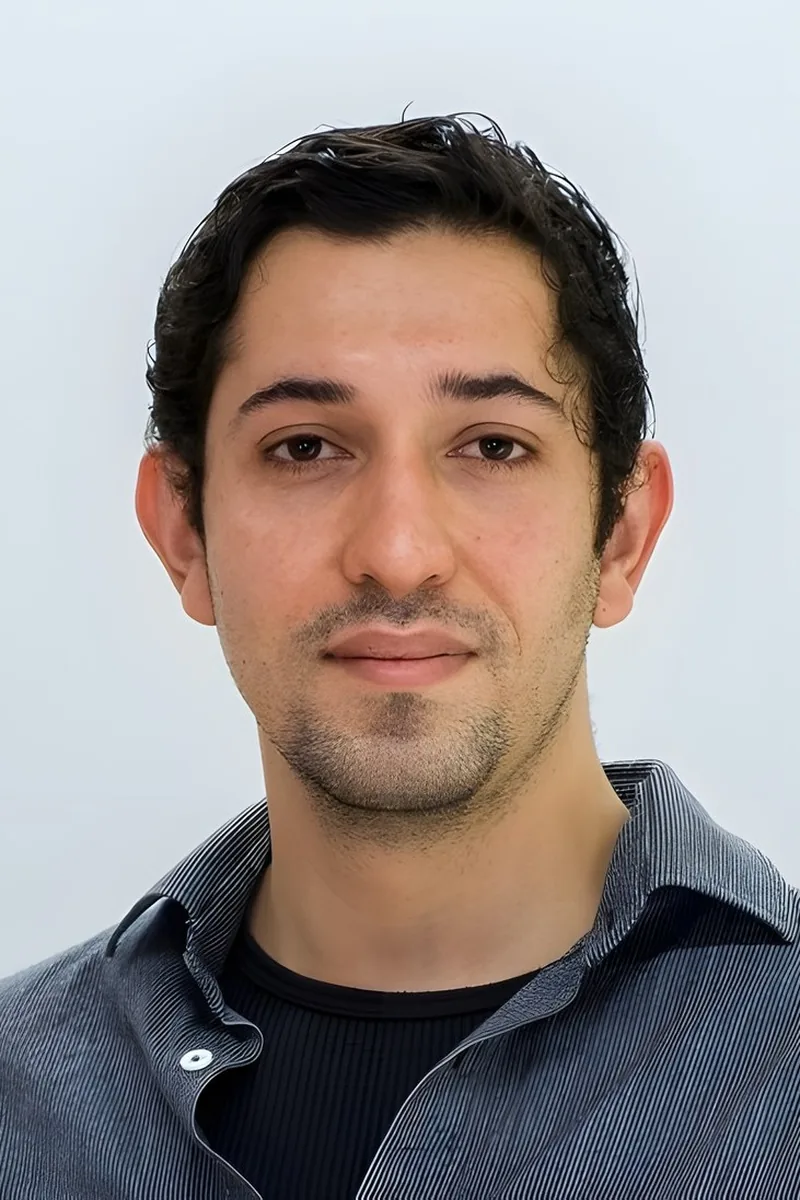
Having taught and tutored across Colombia, Mexico, Germany, Canada, and the United States, Esteban brings an anthropologist's instinct for reading how cultures interact — the exact skill AP World History's DBQ and comparative essays test when students must explain why civilizations borrowed, resisted, or transformed each other's practices. His anthropology training means he teaches cultural diffusion and state formation not as textbook vocabulary but as lived human patterns, connecting concepts like syncretism or tributary systems to real-world examples he's encountered firsthand. Rated 4.9 by students.
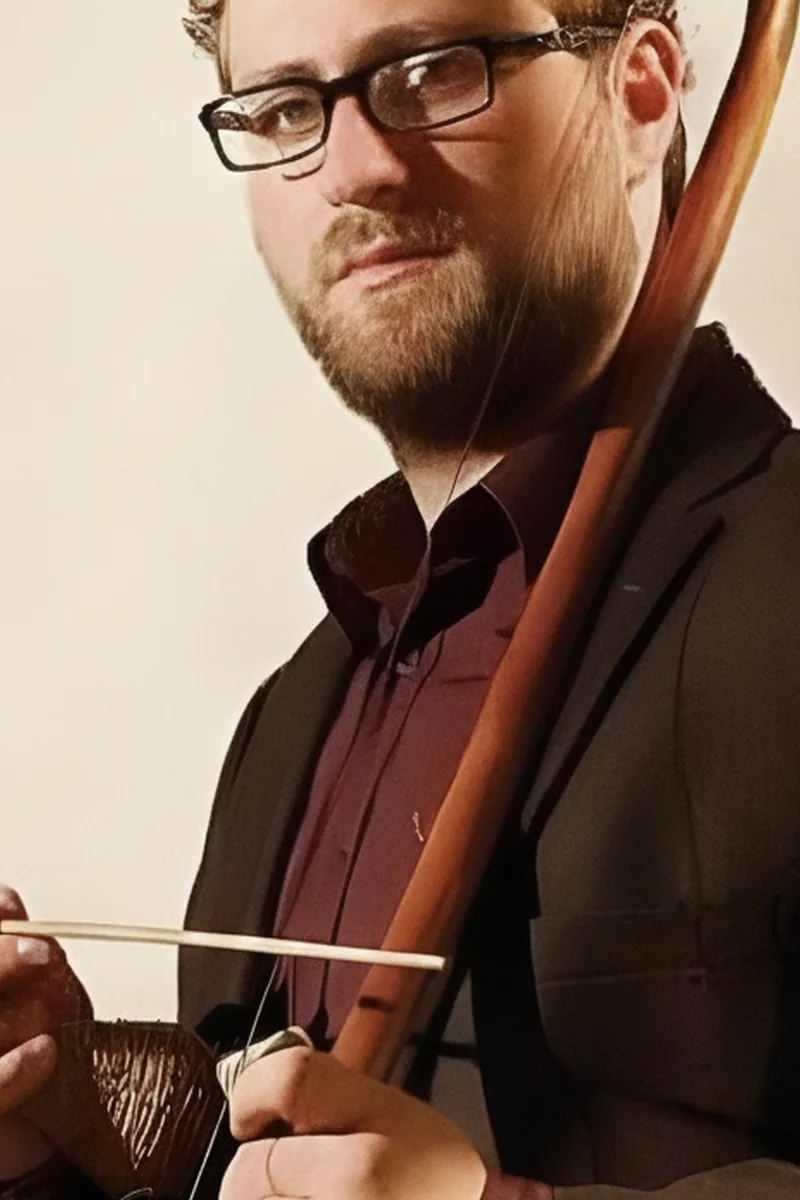
The comparison and continuity-and-change essays in AP World History trip students up because they require thinking across civilizations and centuries simultaneously. Daniel approaches these by teaching students to identify structural patterns — how trade networks, empire-building, or religious diffusion operated differently in, say, Song China versus Abbasid Baghdad — and turn those observations into coherent, evidence-backed arguments.
An English major with a 1540 SAT and a 5.0 tutoring rating, Ayako treats AP World History's essay sections as writing problems first — teaching students to craft tight thesis statements and weave document evidence into arguments that actually persuade, not just summarize. Her literature training at Trinity College Dublin means she's practiced at close reading unfamiliar texts under pressure, which is exactly what the DBQ throws at students. She's especially effective for those who grasp the historical content but struggle to translate it into structured, rubric-hitting prose.
Jonathan's debate background at the University of Chicago — where arguing both sides of a position was the norm — translates directly to the AP World History DBQ, which asks students to weigh conflicting documents and stake out a defensible claim under time pressure. His political science training sharpened his ability to trace how governance structures and revolutionary movements echo across regions, from the Abbasid caliphate to Atlantic revolutions. A 1550 SAT scorer, he brings the same analytical discipline to teaching students how to connect specific evidence to sweeping historical arguments.
Terry's Wharton economics training — analyzing how markets form, trade networks expand, and institutions shape incentives — gives him a practical framework for the economic systems questions that run through every AP World History period, from early agrarian societies to globalization. He's particularly sharp on the continuity-and-change prompts where students need to explain how something like mercantilism or tributary systems evolved rather than just identifying them. A 1530 SAT scorer, he brings strong timed writing instincts to DBQ and LEQ prep.
A year researching climate change at the University of Helsinki gave Marika something most AP World History tutors lack — direct experience living inside the kind of cross-regional, systems-level analysis the exam rewards, particularly on causation essays about how environmental shifts like the Little Ice Age or the Columbian Exchange reshaped entire civilizations. Her physics training reinforces that same cause-and-effect rigor when students need to trace how one development cascades across continents and centuries. Rated 5.0 by students, she holds a 1590 SAT.
Bethany's Master's in Religious Studies from Duke pairs unusually well with AP World History — she spent years tracing how belief systems like Christianity, Islam, and Buddhism didn't just spread but reshaped governance, trade, and social hierarchies across entire regions. That background makes her especially sharp on the cultural diffusion and cross-cultural interaction themes that dominate the exam's essay prompts, where students need to explain *why* ideas spread rather than just *that* they did. Rated 5.0 by students.
Christopher's double major in Economics and History at UCLA means he naturally reads AP World History through the lens of trade systems, labor patterns, and resource competition — the economic engines behind empire-building, colonialism, and globalization that thread through nearly every period on the exam. That background is especially useful on LEQ and DBQ prompts where students need to explain *why* civilizations rose or fell, not just narrate the sequence. Rated 4.7 by students.
Covering ten thousand years of global history means students need a framework, not just a timeline. Jean's Latin American History specialization at Duke gave her deep practice in cross-cultural comparison — exactly the skill AP World History's essay prompts demand. She teaches students to identify patterns like empire-building, trade network expansion, and cultural diffusion, then deploy those patterns in timed writing.
Studying anthropology and linguistics at the University of Chicago means Araxie spends her coursework doing exactly what AP World History's toughest prompts ask — analyzing how cultures interact, absorb, and transform each other across time and space. That training sharpens her approach to the cultural diffusion and comparison questions where students need to explain not just what spread along trade routes or through empires, but how contact reshaped societies on both sides. Rated 4.8 by students.
Covering ten thousand years of human history means students need frameworks, not just facts. Kyle's master's in global management and his undergraduate work in international studies gave him exactly that kind of cross-regional perspective — he can explain why the Columbian Exchange reshaped economies worldwide or how gunpowder empires differed in their administrative strategies.
Covering millennia of global history in one year means AP World History students need frameworks — ways to compare empires, trace trade networks, and connect developments across regions without drowning in isolated facts. Alastair approaches the course through those thematic lenses, drawing on his Columbia History major to show how continuity-and-change or causation questions actually want students to think. He also unpacks the comparison and CCOT essay formats so students know exactly what the rubric rewards.
Testimonials
Because the right AP World History tutor makes all the difference.
Average Session Rating – Based on 3.4M Learner Ratings
Practice AP World History
Free practice tests, flashcards, and AI tutoring for AP World History
Other Lansing Tutors
Related Social Studies Tutors in Lansing
Frequently Asked Questions
Varsity Tutors matches Lansing students with expert AP World History tutors for 1-on-1 instruction. We pair each student with a tutor based on their specific needs, learning style, and goals.
Whether you need homework help, exam prep, or want to get ahead, our AP World History tutors are ready to help.
Common challenges include gaps from earlier material, difficulty with specific concepts, and trouble applying learning to new problems. These issues can snowball quickly in AP World History.
A tutor identifies where you're stuck, fills in gaps, and provides targeted practice. The 1-on-1 format means you get help exactly where you need it.
Tutors work with your student's actual coursework—homework assignments, class notes, and upcoming tests. This keeps tutoring directly relevant to what's happening in the classroom.
When you share information about your student's school and curriculum, we can match you with a tutor who has relevant experience.
All tutors complete background checks, credential verification, and teaching evaluation. Many of our AP World History tutors hold advanced degrees or have years of teaching experience.
You can review tutor profiles to find someone with the right background for your student's level and needs.
Many students see improved grades within a few weeks, along with better understanding of AP World History concepts and more confidence tackling challenging material.
Tutors track progress and adjust their approach to ensure continued improvement.
Most students benefit from 1-2 sessions per week. More frequent sessions help if your student is significantly behind or has an important exam coming up.
Your tutor can recommend a schedule based on your student's specific situation and goals.
Tutoring is purchased in packages of hours, with rates varying by tutor experience. Varsity Tutors offers several options to fit different budgets and needs.
You can discuss pricing during your consultation to find what works best.
Your tutor will assess where your student is, discuss goals, and start working on priority areas. Most students bring current homework or upcoming test material to focus on.
By the end, you'll have a clear sense of how the tutor can help and a plan for moving forward.
Let’s find your perfect tutor
Answer a few quick questions. We’ll recommend the right plan and match you with a top 5% tutor.