Award-Winning AP World History Tutors
serving Grand Rapids, MI
AP World History
Tutors in Grand Rapids
Private 1-on-1 tutoring, weekly live classes for academic support, test prep & enrichment, practice tests and diagnostics, and more to elevate grades and test scores.
Based on 3.4M Learner Ratings
UniversitiesSchools & Universities
DeliveredHours Delivered
ProficiencyGrowth in Proficiency
Who needs tutoring?
No obligation. Takes ~1 minute.
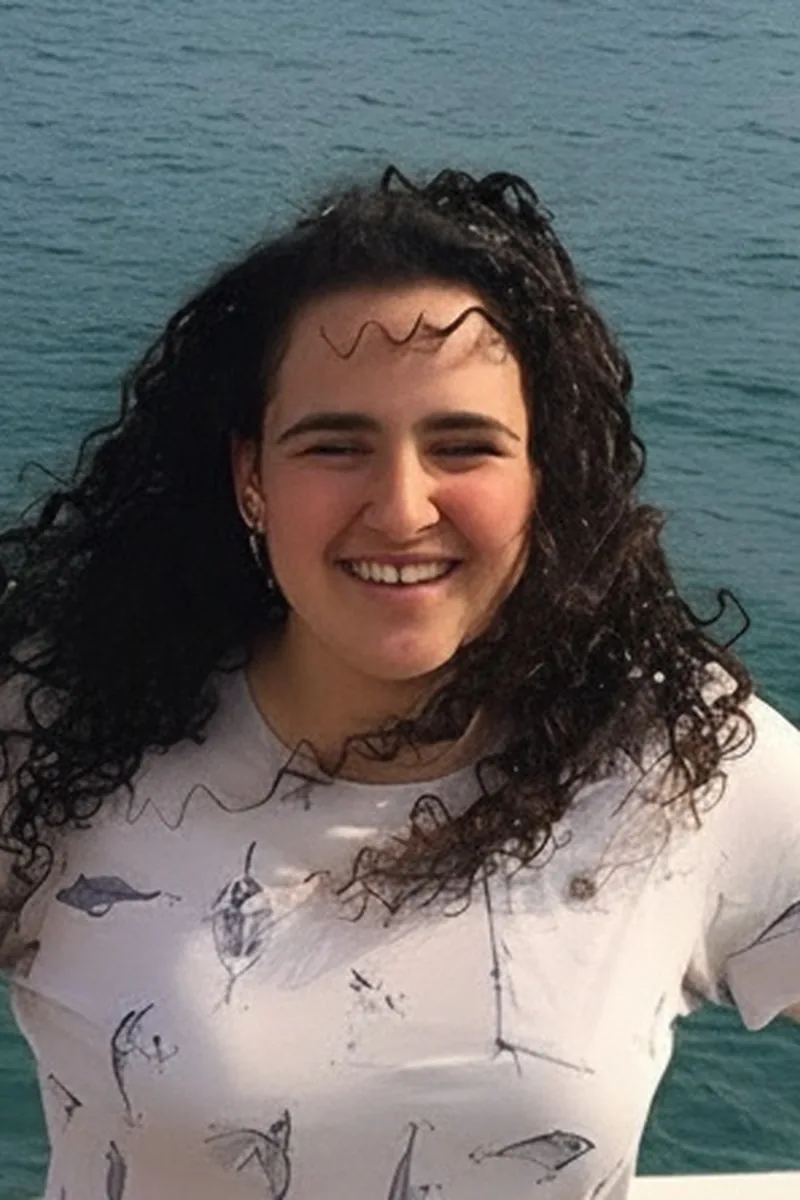
Covering ten thousand years of human history means AP World History can feel impossibly broad — until a student learns to think in patterns. Iris's anthropology training at the University of Chicago is built around exactly that: tracing how trade networks, belief systems, and state structures evolve and interact across cultures. She teaches students to spot those cross-cultural comparisons and continuity-and-change themes that the AP exam tests hardest.
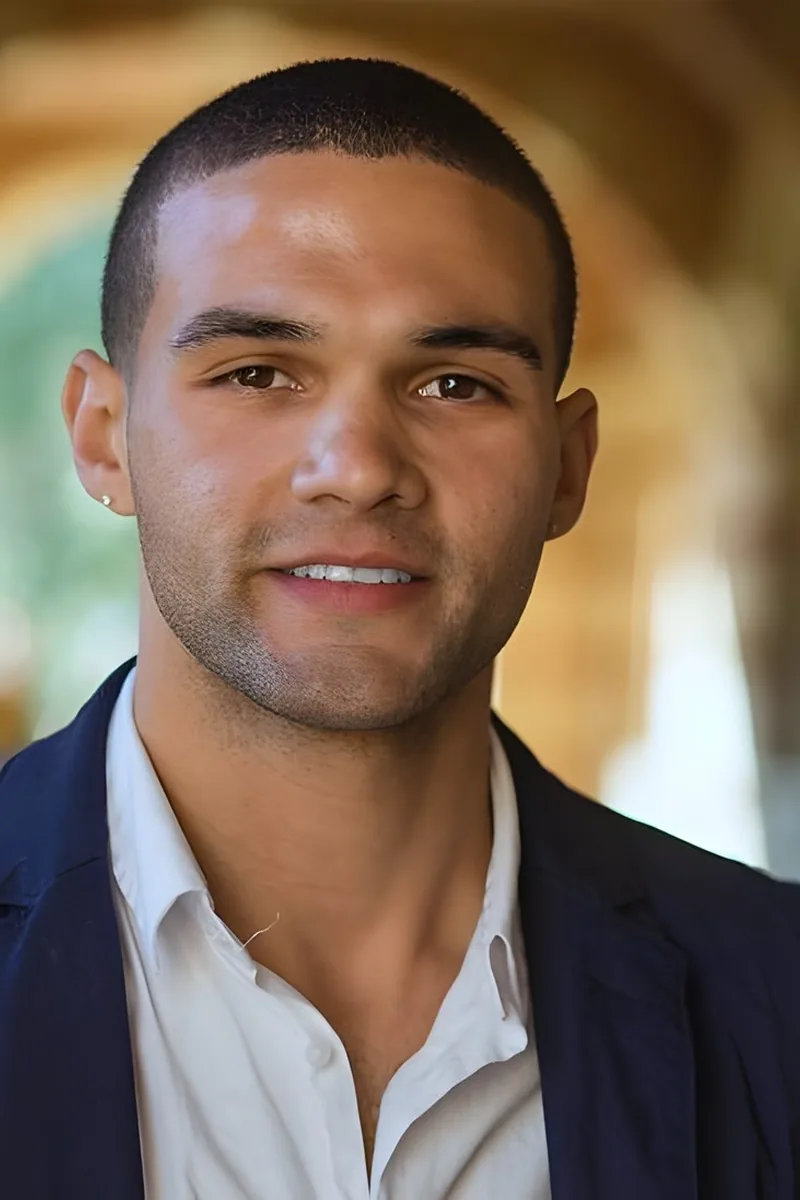
Cultural anthropology and history — Conor's actual degrees — are essentially the backbone disciplines of AP World History, which means he reads exam prompts about cultural diffusion, state-building, and belief systems through the same analytical framework that produced the content in the first place. His time as a middle school Language Arts teacher also sharpened his ability to break down dense primary source documents into manageable pieces, a skill that pays off directly on DBQ prep. He's especially strong on the cross-cultural interaction themes that run through every period of the exam.
Covering ten thousand years of global history means students need frameworks, not just flashcards. Todd teaches AP World History through the recurring themes the exam actually tests — trade networks, empire-building, cultural diffusion — so students can analyze unfamiliar documents by connecting them to patterns they already understand. His University of Chicago training sharpened the kind of comparative thinking this course demands.
Bethany's Master's in Religious Studies from Duke pairs unusually well with AP World History — she spent years tracing how belief systems like Christianity, Islam, and Buddhism didn't just spread but reshaped governance, trade, and social hierarchies across entire regions. That background makes her especially sharp on the cultural diffusion and cross-cultural interaction themes that dominate the exam's essay prompts, where students need to explain *why* ideas spread rather than just *that* they did. Rated 5.0 by students.
Studying anthropology and linguistics at the University of Chicago means Araxie spends her coursework doing exactly what AP World History's toughest prompts ask — analyzing how cultures interact, absorb, and transform each other across time and space. That training sharpens her approach to the cultural diffusion and comparison questions where students need to explain not just what spread along trade routes or through empires, but how contact reshaped societies on both sides. Rated 4.8 by students.
Economics PhD work at Yale trains Anthony to think about how societies allocate resources, build institutions, and respond to incentives — which is precisely the analytical framework behind AP World History's toughest essay prompts on state-building, economic systems, and cross-cultural trade networks. His dual background in physics and math adds a quantitative rigor to interpreting demographic data and economic trends that show up in DBQ documents. Rated 5.0 by students, he's especially sharp on the post-1750 periods where industrialization and global capitalism reshape every theme the exam tests.
The sheer scope of AP World History — from river valley civilizations to globalization — overwhelms most students long before exam day. Tessa, a History major at Yale, teaches students to organize that breadth through comparative and continuity-and-change frameworks that the AP rubric actually rewards. She zeroes in on building the skill of connecting specific evidence to broader historical processes, which is where most essays lose points.
Studying philosophy at MIT trained Tim to do exactly what AP World History's essay prompts demand — construct an argument from limited evidence, weigh competing interpretations, and defend a thesis under pressure. He applies that analytical rigor to DBQ prep and the causation essays where students need to explain not just what happened but why one development in, say, Song Dynasty China reverberates through Indian Ocean trade networks centuries later. Rated 4.9 by students.
Sociology trains you to ask how societies organize, stratify, and transform — which is essentially what every AP World History essay prompt is getting at when it asks why empires rise, trade networks reshape cultures, or revolutions spread across borders. Caio brings that sociological lens from his studies at Rice to the exam's comparative and causation questions, teaching students to analyze documents through the structures of power, class, and cultural exchange rather than just chronology. Rated 5.0 by students.
Earning a perfect score on the SAT World History subject test gave Abrahim a deep familiarity with the cross-cultural comparisons and periodization that drive AP World History. He teaches students to spot continuity-and-change patterns across civilizations and translate that analysis into high-scoring essays and short answers.
Covering thousands of years across every continent, AP World History overwhelms students who try to memorize everything instead of learning to spot patterns — trade networks, empire-building, cultural diffusion. Paula's Communication Studies background makes her especially effective at teaching the comparative and continuity-and-change essay formats the exam demands, where clear argumentation matters more than encyclopedic recall.
Connecting civilizations across centuries requires a framework, not just flashcards. Jessica's history degree from Penn gave her deep practice in comparative analysis — exactly the skill AP World History rewards on its continuity-and-change and comparison essays. She also brings years of experience coaching students through the specific writing demands of AP free-response questions.
Testimonials
Because the right AP World History tutor makes all the difference.
Average Session Rating – Based on 3.4M Learner Ratings
Practice AP World History
Free practice tests, flashcards, and AI tutoring for AP World History
Other Grand Rapids Tutors
Related Social Studies Tutors in Grand Rapids
Frequently Asked Questions
AP World History spans from 1200 CE to the present, organized into four major time periods. The course emphasizes six thematic learning objectives: developments in trade and exchange, technological and environmental developments, state building and expansion, creation and interaction of cultures, conflict and cooperation, and individual and society. You'll study civilizations across Africa, Asia, Europe, and the Americas, with particular focus on cross-cultural connections and global patterns rather than isolated regional histories.
The exam consists of two sections: Multiple Choice and Free Response. The Multiple Choice section (55 questions, 55 minutes) tests your ability to analyze sources and understand historical concepts. The Free Response section includes one Document-Based Question (DBQ), one Long Essay Question (LEQ), and one Short Answer Question (SAQ), totaling 100 minutes. Success requires both factual knowledge and strong analytical writing skills—you'll need to support arguments with specific historical evidence rather than relying on general statements.
Students often struggle with three main areas: managing the sheer volume of content across multiple continents and centuries, developing strong document analysis skills for the DBQ and LEQ, and balancing memorization with analytical thinking. Many students also find it challenging to identify relevant historical evidence quickly during timed writing sections and to avoid presentism—judging past events by modern standards rather than historical context. Targeted practice with past exam questions and focused review of your weaker regions helps address these gaps.
Score improvement depends on your starting point and how you apply feedback. Students who work with tutors typically see the most gains by focusing on their specific weaknesses—whether that's document analysis, essay organization, or content gaps in particular time periods. Consistent practice with real exam questions, combined with personalized feedback on your writing and analysis, often leads to 1-2 score improvements. The key is identifying exactly where you're losing points and building targeted strategies rather than trying to review everything.
Ideally, you'll begin focused exam preparation 8-12 weeks before the May test date, though this depends on your current comfort level with the material. If you're taking the course for the first time, starting in January or February gives you time to review all four time periods, practice full-length exams, and refine your essay-writing approach. Students in Grand Rapids with access to personalized tutoring can compress this timeline by focusing intensively on their specific weak areas rather than re-reviewing content they've already mastered.
Document analysis is a skill that improves with deliberate practice. Start by learning a consistent framework: identify the document's author, date, and context; determine the document's main argument; and consider its perspective and limitations. Practice applying this framework to 5-10 documents at a time, then gradually increase to full DBQ sets. Many students benefit from working through released exam questions with feedback on their analysis—a tutor can show you exactly which contextual details strengthen your argument and which interpretations miss the mark.
Time management is crucial: allocate about 15 minutes to the Short Answer Question, 40 minutes to the DBQ (including reading and planning), and 40 minutes to the Long Essay Question. For the Multiple Choice section, aim to spend roughly 1 minute per question, leaving time to review flagged questions. Practice with full-length timed exams is essential—this trains you to recognize when you're spending too long on one question and helps you develop a sustainable pace. Working with a tutor on practice exams gives you real-time feedback on where you're losing time and strategies to improve.
Look for tutors with strong knowledge of AP World History curriculum and exam format, ideally with experience helping students improve their scores. The best tutors focus on building your analytical skills—not just filling content gaps—and can identify your specific weaknesses quickly. They should provide practice with real exam questions, give detailed feedback on your essays, and teach you strategies for document analysis and time management. Varsity Tutors connects you with expert tutors in Grand Rapids who specialize in AP World History and understand how to help you reach your score goals.
Let’s find your perfect tutor
Answer a few quick questions. We’ll recommend the right plan and match you with a top 5% tutor.