Award-Winning AP European History Tutors
serving Ann Arbor, MI
AP European History
Tutors in Ann Arbor
Private 1-on-1 tutoring, weekly live classes for academic support, test prep & enrichment, practice tests and diagnostics, and more to elevate grades and test scores.
Based on 3.4M Learner Ratings
UniversitiesSchools & Universities
DeliveredHours Delivered
ProficiencyGrowth in Proficiency
Who needs tutoring?
No obligation. Takes ~1 minute.

From the Protestant Reformation to the Congress of Vienna to twentieth-century integration, AP European History covers an enormous sweep of political, cultural, and intellectual change. Mark studied history at the University of Detroit Mercy and minored in Museum Studies, giving him a knack for connecting artifacts and primary documents to the larger narrative arcs the AP exam tests. He teaches students to spot causation and continuity patterns that turn a wall of dates into a coherent story.
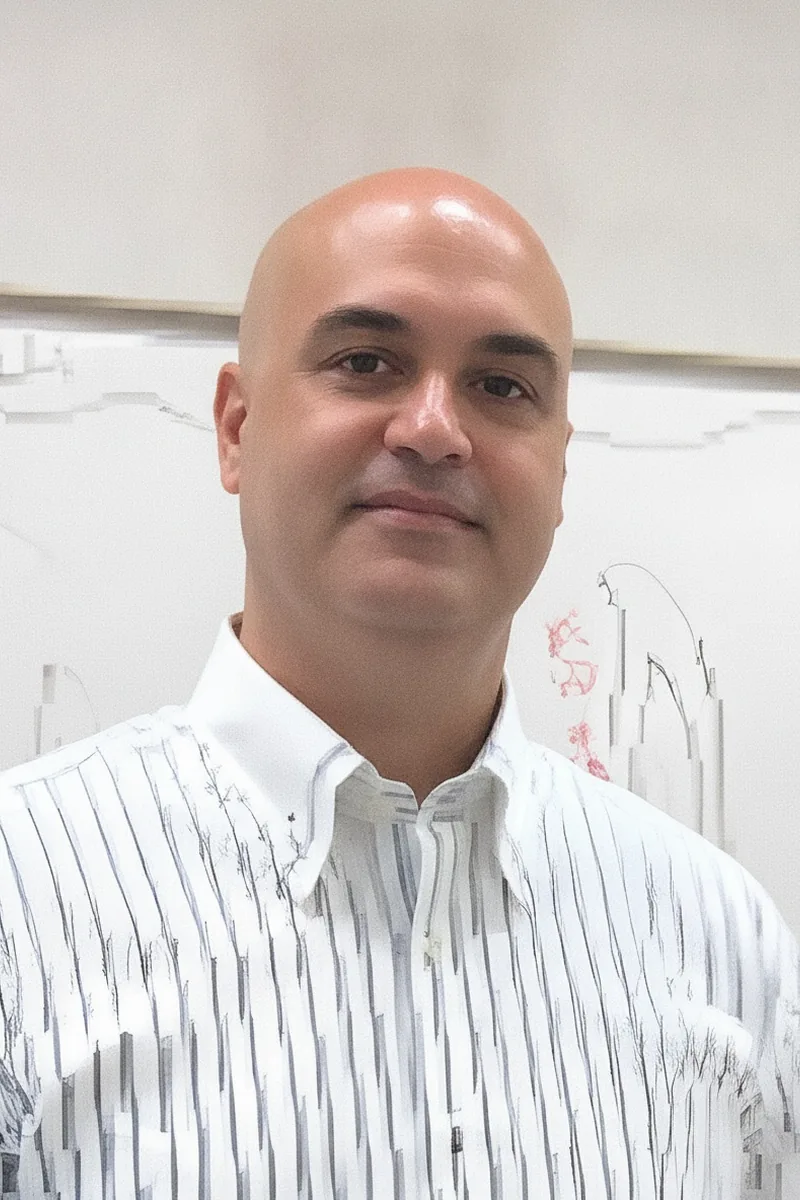
From the Renaissance papacy to the Congress of Vienna to EU integration, AP European History demands that students trace cause and effect across centuries of political, intellectual, and economic change. Nathan brings supplementary primary sources and historical texts into sessions, giving students the kind of document analysis practice that directly translates to stronger DBQ and LEQ scores.
From the Protestant Reformation to the Cold War, AP European History covers centuries of political upheaval, intellectual movements, and economic transformation — and the exam expects students to synthesize all of it into tight, evidence-driven essays. Katherine studied history at Denison University with a focus that sharpened her ability to trace cause-and-effect chains across eras. She breaks down DBQ and LEQ strategies so students know how to build an argument, not just recall dates.
From the Protestant Reformation to the Congress of Vienna to decolonization, AP European History covers centuries of political, intellectual, and social change at a pace that overwhelms most students. Blake's history degree gives him the content depth to connect these threads, and he zeroes in on the skill AP graders actually reward: crafting a thesis that takes a defensible position and supports it with precise historical evidence.
From the Renaissance papacy to the collapse of the Soviet bloc, AP European History demands that students trace causation across centuries — not just recall events but explain why the Congress of Vienna produced a different Europe than the Treaty of Versailles. Max's history degree and classroom teaching experience give him a deep command of the periodization and thematic reasoning the College Board tests. He spends particular time on the document-based question, teaching students to group sources and build arguments under time pressure.
William's linguistics and classics training at Boston University means he's spent years with the languages, texts, and cultural systems that underpin European history — the kind of background that makes topics like the spread of Latin Christendom, Renaissance humanism, or Enlightenment-era debates about reason feel concrete rather than abstract. He teaches students to read AP Euro documents with an eye for how language itself reveals political and ideological context, which is exactly what strong DBQ responses require. Rated 4.9 by students.
Andrew's history and political science degree built the exact skill set AP Euro essays demand — constructing causal arguments about how power, ideology, and institutions collided across periods like the Reformation, the age of revolutions, or the twentieth-century world wars. He's particularly strong at teaching students who struggle with the sheer volume of content how to organize it into the thematic patterns the College Board actually tests, rather than trying to memorize every date and treaty.
The AP European History exam asks students to do more than recall dates — it tests whether they can dissect a document set and construct an argument about, say, how Enlightenment thought reshaped political legitimacy. Brian approaches these document-based questions the way he approaches any analytical problem: identify the claim, weigh the evidence, and build a tight logical structure. His interdisciplinary background spanning economics and the humanities makes him especially effective at connecting Europe's intellectual, economic, and political threads.
Ethan's environmental science and public policy degree trained him to analyze how economic forces, ideological movements, and institutional decisions interact — the same kind of multi-causal thinking AP Euro rewards on every essay. He applies that analytical framework to periods like the Industrial Revolution's social upheaval or the political calculus behind European imperialism, showing students how to build arguments that weave together evidence rather than just list events. Rated 5.0 by students.
Winston treats history like a conversation — he'll crack a joke about Charles V's impossible empire or debate whether the Congress of Vienna actually worked, because that back-and-forth is how students internalize the kind of argumentation AP Euro essays demand. His history degree and 5.0 rating come from making periods like the Reformation or the age of revolutions feel like live debates rather than chapters to slog through.
I'm a current PhD student in the history department at Georgetown University who is also an experienced instructor with Varsity Tutors. As a recipient of several degrees, the most recent being a BA in history from Hillsdale College and a MA in Russian, East European, and Eurasian Studies from Stanford University, I have long sought to make teaching my profession. Meanwhile, as a volunteer grade school teacher and a tutor with this company, I have many years' experience helping students reach their full potential. I am capable of teaching students in many subjects, including reading, mathematics, test prep, Latin, and especially writing, history, and literature. In practice, I am comfortable adapting to different learning styles and specific student preferences. Outside of my academic and career endeavors, I enjoy cooking, reading, and listening to and making music.
From the Protestant Reformation to the Congress of Vienna to postwar European integration, AP European History covers an enormous arc — and the exam expects students to argue about it, not just recall it. Stephanie earned her history degree at Cornell and is currently a graduate student at Penn, so she approaches each period through the kind of historiographical lens that makes essay responses more sophisticated. She unpacks primary sources with students so they learn to read for perspective and bias, not just content.
Amir's International Relations degree, with its concentration in Business and Economics, trained him to trace how trade policies, diplomatic alliances, and ideological rivalries reshaped the European continent — exactly the kind of connective thinking AP Euro rewards on the LEQ and DBQ. He's particularly strong on the economic and diplomatic dimensions of topics like mercantilism, the Congress of Vienna, and post-WWII European integration, where students often struggle to move beyond surface-level narrative. His 33 ACT reflects the reading comprehension and analytical writing skills the exam's document-based questions demand.
Testimonials
Because the right AP European History tutor makes all the difference.
Average Session Rating – Based on 3.4M Learner Ratings
Practice AP European History
Free practice tests, flashcards, and AI tutoring for AP European History
Other Ann Arbor Tutors
Related Social Studies Tutors in Ann Arbor
Frequently Asked Questions
Varsity Tutors matches Ann Arbor students with expert AP European History tutors for 1-on-1 instruction. We pair each student with a tutor based on their specific needs, learning style, and goals.
Whether you need homework help, exam prep, or want to get ahead, our AP European History tutors are ready to help.
Common challenges include gaps from earlier material, difficulty with specific concepts, and trouble applying learning to new problems. These issues can snowball quickly in AP European History.
A tutor identifies where you're stuck, fills in gaps, and provides targeted practice. The 1-on-1 format means you get help exactly where you need it.
Tutors work with your student's actual coursework—homework assignments, class notes, and upcoming tests. This keeps tutoring directly relevant to what's happening in the classroom.
When you share information about your student's school and curriculum, we can match you with a tutor who has relevant experience.
All tutors complete background checks, credential verification, and teaching evaluation. Many of our AP European History tutors hold advanced degrees or have years of teaching experience.
You can review tutor profiles to find someone with the right background for your student's level and needs.
Many students see improved grades within a few weeks, along with better understanding of AP European History concepts and more confidence tackling challenging material.
Tutors track progress and adjust their approach to ensure continued improvement.
Most students benefit from 1-2 sessions per week. More frequent sessions help if your student is significantly behind or has an important exam coming up.
Your tutor can recommend a schedule based on your student's specific situation and goals.
Tutoring is purchased in packages of hours, with rates varying by tutor experience. Varsity Tutors offers several options to fit different budgets and needs.
You can discuss pricing during your consultation to find what works best.
Your tutor will assess where your student is, discuss goals, and start working on priority areas. Most students bring current homework or upcoming test material to focus on.
By the end, you'll have a clear sense of how the tutor can help and a plan for moving forward.
Let’s find your perfect tutor
Answer a few quick questions. We’ll recommend the right plan and match you with a top 5% tutor.