Award-Winning Latin Tutors
serving Atlanta, GA
Latin
Tutors in Atlanta
Private 1-on-1 tutoring, weekly live classes for academic support, test prep & enrichment, practice tests and diagnostics, and more to elevate grades and test scores.
Based on 3.4M Learner Ratings
UniversitiesSchools & Universities
DeliveredHours Delivered
ProficiencyGrowth in Proficiency
Who needs tutoring?
No obligation. Takes ~1 minute.

Headed to Columbia's medical school, Tyler knows firsthand how Latin vocabulary threads through anatomy, pharmacology, and clinical terminology — but his Latin teaching goes beyond roots and prefixes into the grammatical scaffolding that makes the language work. He covers both Latin 1 and Latin 2, walking students through conjugation patterns and case usage with the same methodical approach he applies to his biology and standardized test prep.
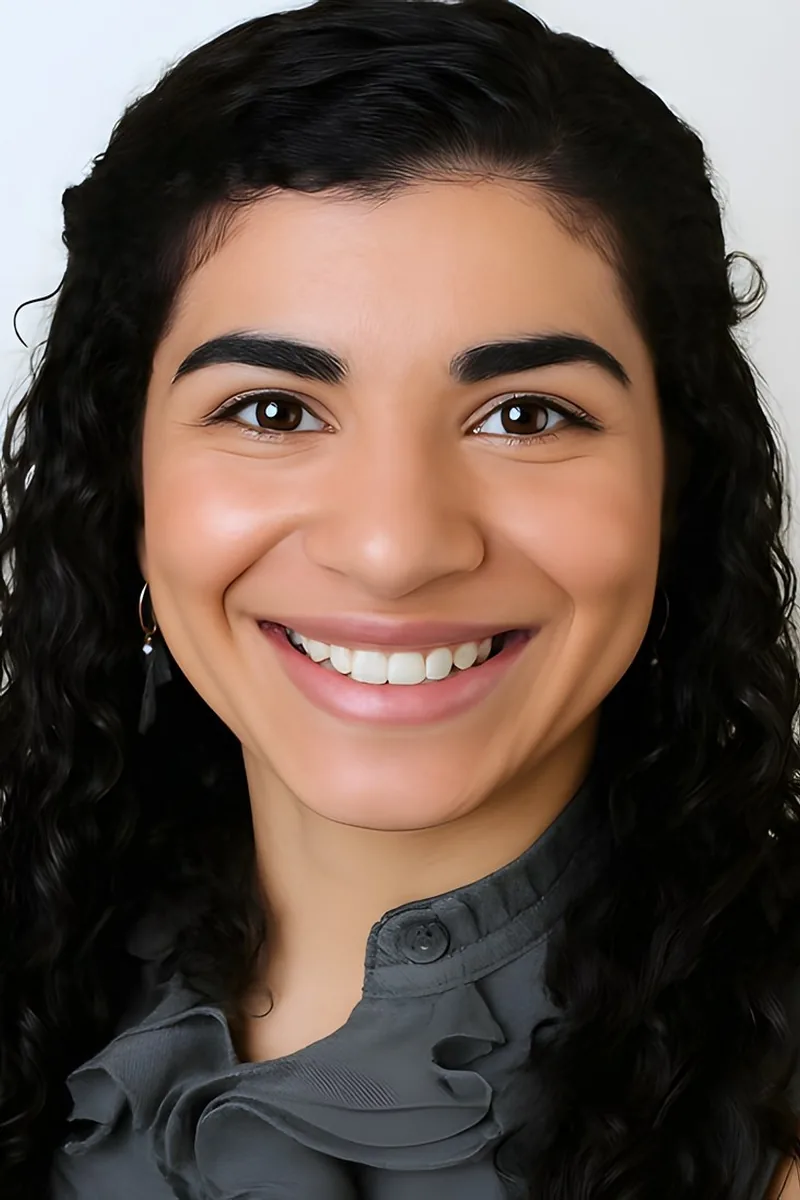
Paula's psychology and communication studies background means she's constantly bumping into Latin roots — in clinical terminology, rhetorical frameworks, and the academic vocabulary that underpins both fields. She leans on that familiarity to make vocabulary acquisition and grammatical patterns feel connected to words students already use, turning declension drills into something closer to code-breaking. Rated 4.8 by students.
An English degree and a Master's in Acting mean Joseph has spent years dissecting language from the inside — scanning meter, breaking down rhetoric, and performing texts where every word's Latin origin carries weight. He brings that same close-reading instinct to Latin grammar, treating each sentence as a script to be decoded through its cases, tenses, and clause structure. Rated 5.0 by students.
Yuheon's applied mathematics training at Notre Dame built the same kind of systematic, pattern-driven thinking that Latin grammar demands — parsing case endings, matching verb conjugations, and untangling nested clauses all reward a logical, step-by-step mindset. He teaches across all four levels and draws on his own diverse cultural background (having lived in Korea and across the U.S.) to keep the language connected to real history and context rather than isolated drills.
A PhD in Ancient Christianity and a bachelor's in Classical Studies means Elizabeth reads Latin not as a dead language exercise but as living text — parsing Cicero's subjunctives, Vergil's dactylic hexameter, and ecclesiastical prose with equal fluency. She currently teaches all levels of high school Latin and breaks down everything from noun declensions to complex indirect discourse so students internalize the grammar rather than just survive it. Rated 5.0 by students.
I am interested in horseback riding, photography and being outdoors.
Having taught Latin across four levels, Joana knows exactly where students stumble — the ablative absolute feels impossible until you see it as a compressed clause, and subjunctive mood clicks once you connect it to specific trigger words. She digs into authors like Vergil and Caesar not just for grammar drills but to show how word order and case endings carry meaning that English translations flatten out.
As a Classics major at Carleton who aspires to teach high school Latin full-time, Emma has spent years immersed in the language — not just grammar drills, but reading original texts alongside Ancient Greek and the historical contexts that bring both languages to life. She covers all four levels plus AP Latin, and her weekly tutoring at a nearby high school means she's constantly refining how she explains everything from first-year noun declensions to the subjunctive constructions that trip up advanced students.
Claudia's classical studies degree means she didn't just take Latin — she lived inside the language across all four levels, reading original texts alongside the art historical sources that rely on Latin inscriptions, dedications, and catalog terminology. Her library science training adds a researcher's instinct for tracking down how words shift meaning across centuries, which makes vocabulary and grammar lessons feel less like rote memorization and more like detective work. Rated 5.0 by students.
Forgetting about right and wrong answers is where Latin actually starts — William treats translation as an act of interpretation, encouraging students to play with how a sentence's meaning shifts depending on how they read a subjunctive or resolve an ambiguous ablative. His BA in Classical Languages and Literature means he's spent years inside the original texts, not just parsing grammar exercises, and he also reads Ancient Greek, which sharpens his eye for the cross-linguistic patterns that make Latin's structures click. He covers all four levels plus the SAT Subject Test in Latin.
Between a history major at Oberlin, a semester at Trinity College Dublin, and time in a maritime studies program steeped in classical navigation texts, Bennett has encountered Latin in the places it actually lived — legal documents, church records, and the scholarly traditions that shaped European history. He brings that context into grammar lessons, connecting declension patterns and verb forms to the real texts where students can see the language doing actual work. Rated 5.0 by students.
While Latin isn't Tara's primary subject, her science and medical coursework has given her deep familiarity with Latin roots, prefixes, and terminology that form the backbone of the language. She approaches Latin grammar with the same systematic, pattern-based thinking she uses in her science studies — breaking declensions and conjugations into logical structures rather than rote memorization lists.
An applied mathematics degree and a computer science master's give Daniel an unusual toolkit for Latin — he approaches grammar the way a programmer approaches syntax, where every case ending and conjugation follows strict rules that either compile correctly or produce a visible error. That debugging mindset turns translation exercises into logic puzzles, making it easier for students to spot why a sentence breaks down and how to fix it. Rated 5.0 by students.
Three years of peer tutoring in Latin gave Brooke a clear sense of where students get stuck: noun declensions blurring together, ablative absolute constructions, the difference between purpose and result clauses. She walks through translations methodically, connecting each grammatical structure to how Romans actually built their sentences.
Having studied Latin through all four levels and prepped for the SAT Subject Test in it, Mahalia knows the language well enough to walk students through everything from first-declension nouns to sight-reading passages of original text. Her creative writing background gives her a sharp ear for how sentences are built — a skill that translates directly to parsing Latin word order, identifying clause boundaries, and making sense of authors who bury their main verbs three lines deep. Rated 5.0 by students.
Physics training builds a habit of reading equations as sentences — every symbol has a role, every operation has a reason — and Cory applies that same structural decoding to Latin grammar, where case endings and verb forms function like variables in a well-defined system. He's not a classicist, but his 4.9 rating across dozens of subjects reflects someone who can break any rule-driven discipline into logical, learnable steps, which is exactly what first- and second-year Latin students need when declension tables start to blur together.
Alyna's Classics degree from Brown means Latin wasn't a side requirement — it was central to her undergraduate work, from reading original texts to understanding the grammatical architecture that holds complex prose together. She teaches Latin 1 and 2 with particular attention to how vocabulary and syntax carry over into English, making declension patterns and verb forms feel less like abstract memorization and more like unlocking a system students already half-know.
Studying Classics alongside Physics at Vanderbilt means Dylan reads Latin daily as part of his actual degree work — not as a side interest but as a core discipline. That dual training sharpens his ability to teach grammar as a logical system, walking students through subjunctive constructions, indirect statements, and the kinds of prose passages where precision with every case ending matters.
Testimonials
Because the right Latin tutor makes all the difference.
Average Session Rating – Based on 3.4M Learner Ratings
Nearby Latin Tutors
Other Atlanta Tutors
Related Languages Tutors in Atlanta
Frequently Asked Questions
Latin builds a strong foundation for understanding English vocabulary, grammar, and the Romance languages like Spanish and French. Beyond academics, learning Latin connects students to classical literature, history, and culture—giving them insight into the roots of Western civilization. Many students find that mastering Latin's logical grammatical structure actually improves their overall language skills and critical thinking abilities.
The most common struggles are verb conjugation (which changes based on tense, mood, and person) and noun declension (where word endings shift depending on grammatical role). Vocabulary retention is another hurdle, especially since Latin words don't always appear in predictable patterns. Personalized 1-on-1 instruction helps break down these complex systems into manageable pieces, allowing tutors to focus on exactly where each student gets stuck.
Your first session is about building a clear picture of where you are in your Latin studies. A tutor will assess your current level, understand your goals (whether that's improving grades, preparing for the AP Latin exam, or deepening your understanding of the language), and identify your specific pain points. From there, they'll create a personalized plan that targets your needs and learning style.
Yes. AP Latin requires strong skills in translation, comprehension of classical texts, and understanding of Roman culture and history. Tutors can help you master the specific vocabulary and grammatical structures tested, practice timed translations, and build confidence with authentic Latin passages. With focused preparation, students typically see significant improvement in their ability to tackle both the multiple-choice and free-response sections.
Effective Latin instruction connects grammar rules to real texts—showing how declensions and conjugations function in actual sentences from Cicero, Virgil, or other classical authors. Rather than memorizing rules in isolation, students learn grammar as a tool for understanding meaning. This approach helps students move beyond mechanical translation to genuine comprehension of how Latin works as a living language in classical literature.
Reading comprehension in Latin depends on recognizing word forms, understanding syntax, and building vocabulary. Tutors work with students on sight-reading strategies, breaking down complex sentence structures, and gradually increasing the difficulty of texts. Consistent practice with guided passages helps students develop fluency and confidence, whether they're reading adapted texts as beginners or tackling authentic classical works.
Atlanta's 19 school districts offer Latin at various levels, from introductory courses in middle and high school to AP Latin. Most programs follow a traditional approach, starting with foundational grammar and vocabulary before moving to translation and classical texts. Tutors working with students in Atlanta understand the specific expectations of local schools and can align their instruction with your school's curriculum and pacing.
Latin isn't just a set of grammar rules—it's the language of an entire civilization. Understanding Roman history, daily life, religion, and values helps students grasp the context behind the texts they're reading and makes the language feel more meaningful and memorable. Tutors often weave cultural insights into lessons, helping students see Latin as a window into how the Romans thought and lived.
Let’s find your perfect tutor
Answer a few quick questions. We’ll recommend the right plan and match you with a top 5% tutor.