Award-Winning Latin Tutors
serving Augusta, GA
Latin
Tutors in Augusta
Private 1-on-1 tutoring, weekly live classes for academic support, test prep & enrichment, practice tests and diagnostics, and more to elevate grades and test scores.
Based on 3.4M Learner Ratings
UniversitiesSchools & Universities
DeliveredHours Delivered
ProficiencyGrowth in Proficiency
Who needs tutoring?
No obligation. Takes ~1 minute.
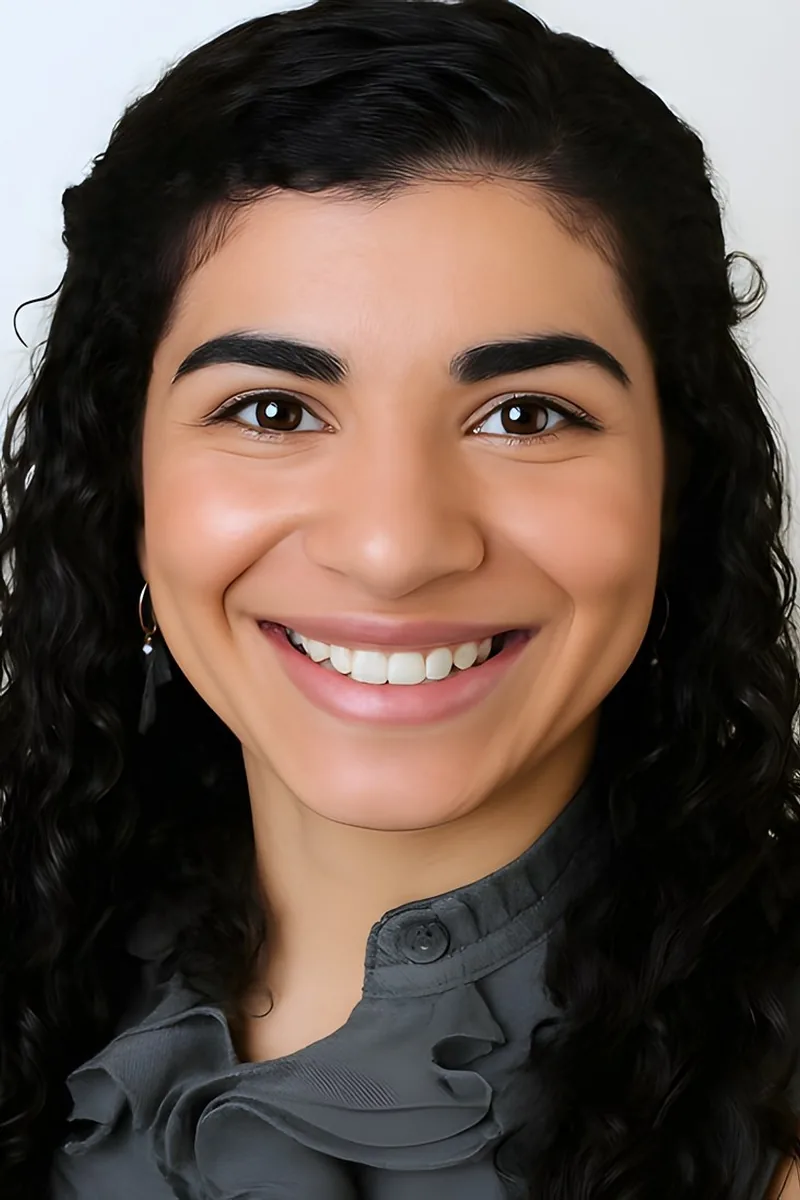
Paula's psychology and communication studies background means she's constantly bumping into Latin roots — in clinical terminology, rhetorical frameworks, and the academic vocabulary that underpins both fields. She leans on that familiarity to make vocabulary acquisition and grammatical patterns feel connected to words students already use, turning declension drills into something closer to code-breaking. Rated 4.8 by students.
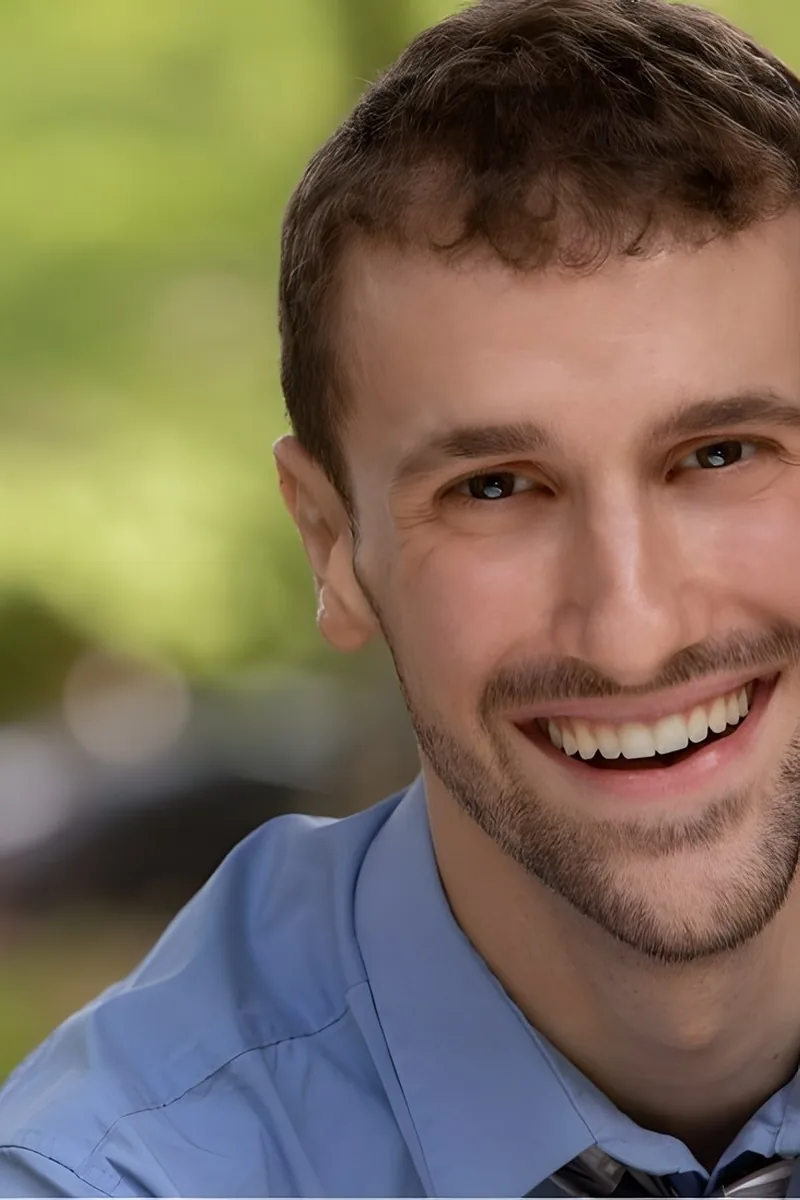
An English degree and a Master's in Acting mean Joseph has spent years dissecting language from the inside — scanning meter, breaking down rhetoric, and performing texts where every word's Latin origin carries weight. He brings that same close-reading instinct to Latin grammar, treating each sentence as a script to be decoded through its cases, tenses, and clause structure. Rated 5.0 by students.
Headed to Columbia's medical school, Tyler knows firsthand how Latin vocabulary threads through anatomy, pharmacology, and clinical terminology — but his Latin teaching goes beyond roots and prefixes into the grammatical scaffolding that makes the language work. He covers both Latin 1 and Latin 2, walking students through conjugation patterns and case usage with the same methodical approach he applies to his biology and standardized test prep.
Yuheon's applied mathematics training at Notre Dame built the same kind of systematic, pattern-driven thinking that Latin grammar demands — parsing case endings, matching verb conjugations, and untangling nested clauses all reward a logical, step-by-step mindset. He teaches across all four levels and draws on his own diverse cultural background (having lived in Korea and across the U.S.) to keep the language connected to real history and context rather than isolated drills.
A PhD in Ancient Christianity and a bachelor's in Classical Studies means Elizabeth reads Latin not as a dead language exercise but as living text — parsing Cicero's subjunctives, Vergil's dactylic hexameter, and ecclesiastical prose with equal fluency. She currently teaches all levels of high school Latin and breaks down everything from noun declensions to complex indirect discourse so students internalize the grammar rather than just survive it. Rated 5.0 by students.
I am interested in horseback riding, photography and being outdoors.
Leonard's math degree from Columbia might seem like an odd fit for Latin, but the same structural reasoning that powers algebraic proofs — isolating variables, applying rules in sequence, testing whether an answer holds up — maps directly onto parsing case endings and conjugating verbs. He leans into that logic-first approach, asking students to defend their translations and articulate *why* a noun is dative or a clause is purpose rather than result. Rated 4.8 by students.
Philosophy and Latin are deeply entangled — Adam's degree means he's spent years encountering Latin terminology, logical structures, and the classical texts where Western philosophical traditions actually originated. He teaches Latin 1 through 3 with a focus on how grammatical concepts like subjunctive mood and indirect discourse carry philosophical nuance, so students learn to read with precision rather than just decode words. His background in Greek reinforces that classical-languages fluency.
Sarah's liberal arts training across music, theology, and world religions means she's spent years reading texts where Latin isn't just a classroom subject — it's the language sacred music, liturgical history, and philosophical ethics were written in. That lived context makes teaching declensions and conjugations stick, because every grammar concept connects to real hymns, prayers, and historical documents students can actually engage with. Rated 4.8 by students.
While Latin isn't Tara's primary subject, her science and medical coursework has given her deep familiarity with Latin roots, prefixes, and terminology that form the backbone of the language. She approaches Latin grammar with the same systematic, pattern-based thinking she uses in her science studies — breaking declensions and conjugations into logical structures rather than rote memorization lists.
Grace's AP Latin coursework and political science studies at Vanderbilt mean she's read Roman oratory and governance texts in their original language — the kind of dense, clause-heavy prose where getting ablative absolutes and indirect statements right actually matters. She brings that firsthand experience with politically charged Latin passages to her teaching, walking students through how to decode complex syntax by anchoring each grammatical choice in what the author was trying to argue.
Reading original Latin manuscripts is central to James's paleography work at Yale, giving him a relationship with the language that goes well beyond grammar drills. He breaks down complex constructions — ablative absolutes, indirect discourse, purpose clauses — by connecting them to real passages from Vergil, Caesar, and Cicero so the syntax starts to feel intuitive.
Studying Classics at Yale means Maddie doesn't just translate Latin — she lives inside the language, reading original Roman texts as part of her daily coursework across all four levels and beyond. Her Socratic instinct kicks in during translation work especially: rather than correcting a misidentified subjunctive or misread ablative, she asks targeted questions that lead students to catch the error themselves and internalize the grammar rule behind it.
As a Classics major at Carleton who aspires to teach high school Latin full-time, Emma has spent years immersed in the language — not just grammar drills, but reading original texts alongside Ancient Greek and the historical contexts that bring both languages to life. She covers all four levels plus AP Latin, and her weekly tutoring at a nearby high school means she's constantly refining how she explains everything from first-year noun declensions to the subjunctive constructions that trip up advanced students.
Latin's case system and verb conjugations can feel overwhelming until someone maps out the patterns clearly. Zora teaches declensions and syntax by showing how each grammatical structure signals meaning in a sentence, turning translation from a guessing game into a systematic process of decoding.
Forgetting about right and wrong answers is where Latin actually starts — William treats translation as an act of interpretation, encouraging students to play with how a sentence's meaning shifts depending on how they read a subjunctive or resolve an ambiguous ablative. His BA in Classical Languages and Literature means he's spent years inside the original texts, not just parsing grammar exercises, and he also reads Ancient Greek, which sharpens his eye for the cross-linguistic patterns that make Latin's structures click. He covers all four levels plus the SAT Subject Test in Latin.
Studying Classics alongside Physics at Vanderbilt means Dylan reads Latin daily as part of his actual degree work — not as a side interest but as a core discipline. That dual training sharpens his ability to teach grammar as a logical system, walking students through subjunctive constructions, indirect statements, and the kinds of prose passages where precision with every case ending matters.
Having completed Penn's post-baccalaureate program in Classical Studies, Michael knows Latin from the inside out — not just declension tables but the way a periodic sentence builds suspense or how subjunctive mood signals a Roman author's uncertainty. He takes students through grammar systematically while always connecting forms back to real passages from Caesar, Cicero, and Vergil so that translation feels purposeful rather than mechanical. Rated 5.0 by students.
Testimonials
Because the right Latin tutor makes all the difference.
Average Session Rating – Based on 3.4M Learner Ratings
Nearby Latin Tutors
Other Augusta Tutors
Related Languages Tutors in Augusta
Frequently Asked Questions
Varsity Tutors matches Augusta students with expert Latin tutors for 1-on-1 instruction. We pair each student with a tutor based on their specific needs, learning style, and goals.
Whether you need homework help, exam prep, or want to get ahead, our Latin tutors are ready to help.
Common challenges include gaps from earlier material, difficulty with specific concepts, and trouble applying learning to new problems. These issues can snowball quickly in Latin.
A tutor identifies where you're stuck, fills in gaps, and provides targeted practice. The 1-on-1 format means you get help exactly where you need it.
Tutors work with your student's actual coursework—homework assignments, class notes, and upcoming tests. This keeps tutoring directly relevant to what's happening in the classroom.
When you share information about your student's school and curriculum, we can match you with a tutor who has relevant experience.
All tutors complete background checks, credential verification, and teaching evaluation. Many of our Latin tutors hold advanced degrees or have years of teaching experience.
You can review tutor profiles to find someone with the right background for your student's level and needs.
Many students see improved grades within a few weeks, along with better understanding of Latin concepts and more confidence tackling challenging material.
Tutors track progress and adjust their approach to ensure continued improvement.
Most students benefit from 1-2 sessions per week. More frequent sessions help if your student is significantly behind or has an important exam coming up.
Your tutor can recommend a schedule based on your student's specific situation and goals.
Tutoring is purchased in packages of hours, with rates varying by tutor experience. Varsity Tutors offers several options to fit different budgets and needs.
You can discuss pricing during your consultation to find what works best.
Your tutor will assess where your student is, discuss goals, and start working on priority areas. Most students bring current homework or upcoming test material to focus on.
By the end, you'll have a clear sense of how the tutor can help and a plan for moving forward.
Let’s find your perfect tutor
Answer a few quick questions. We’ll recommend the right plan and match you with a top 5% tutor.