Award-Winning Latin Tutors
serving Columbus, GA
Latin
Tutors in Columbus
Private 1-on-1 tutoring, weekly live classes for academic support, test prep & enrichment, practice tests and diagnostics, and more to elevate grades and test scores.
Based on 3.4M Learner Ratings
UniversitiesSchools & Universities
DeliveredHours Delivered
ProficiencyGrowth in Proficiency
Who needs tutoring?
No obligation. Takes ~1 minute.
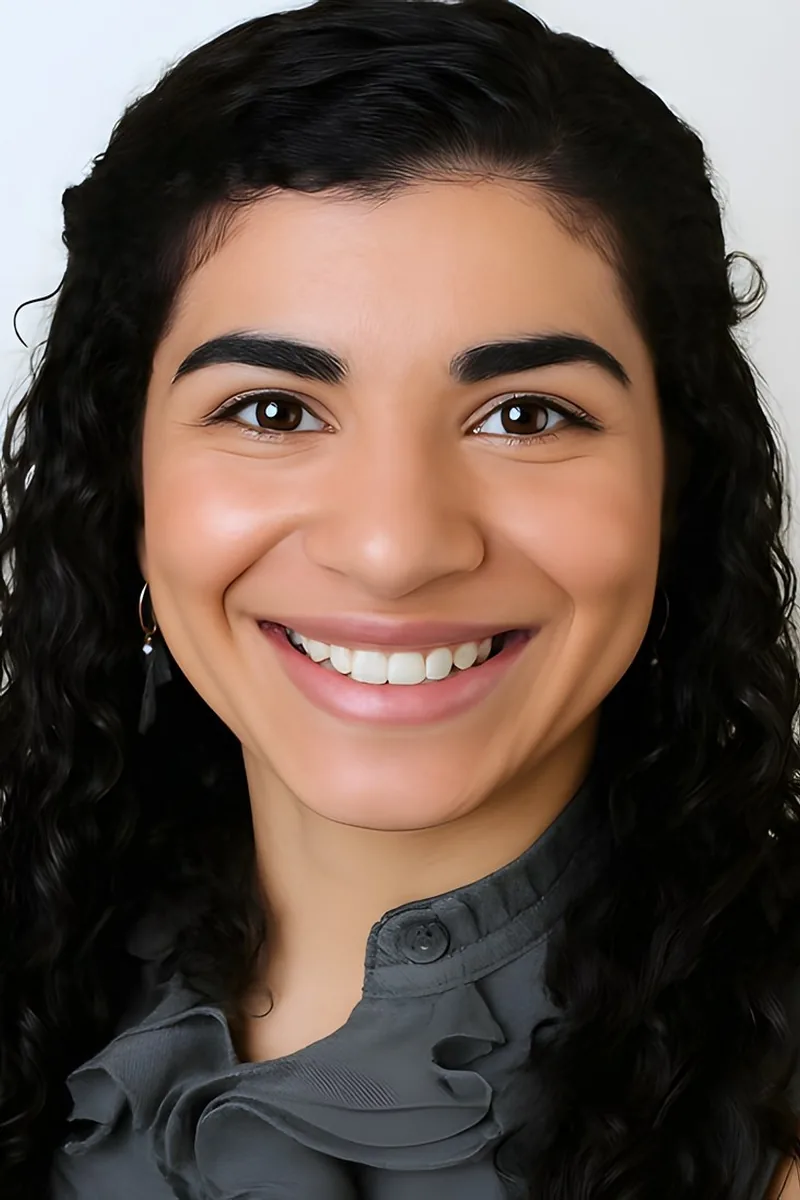
Paula's psychology and communication studies background means she's constantly bumping into Latin roots — in clinical terminology, rhetorical frameworks, and the academic vocabulary that underpins both fields. She leans on that familiarity to make vocabulary acquisition and grammatical patterns feel connected to words students already use, turning declension drills into something closer to code-breaking. Rated 4.8 by students.
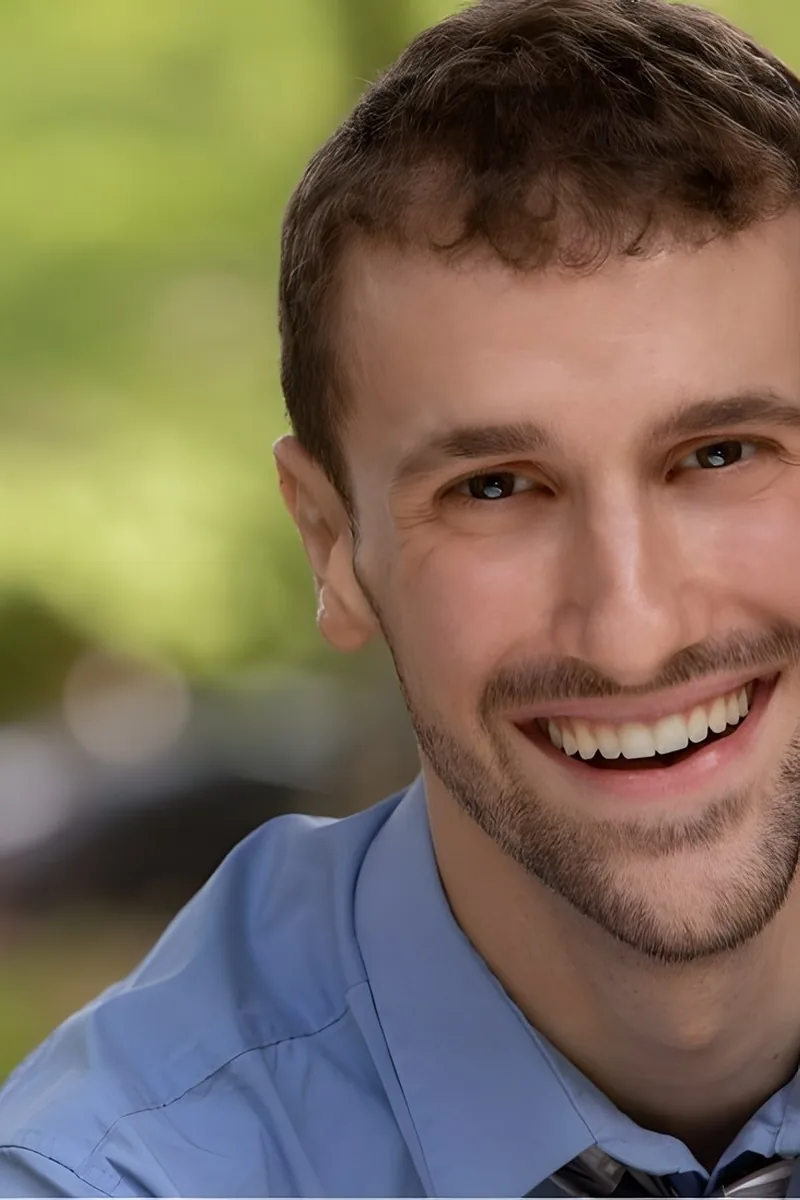
An English degree and a Master's in Acting mean Joseph has spent years dissecting language from the inside — scanning meter, breaking down rhetoric, and performing texts where every word's Latin origin carries weight. He brings that same close-reading instinct to Latin grammar, treating each sentence as a script to be decoded through its cases, tenses, and clause structure. Rated 5.0 by students.
Headed to Columbia's medical school, Tyler knows firsthand how Latin vocabulary threads through anatomy, pharmacology, and clinical terminology — but his Latin teaching goes beyond roots and prefixes into the grammatical scaffolding that makes the language work. He covers both Latin 1 and Latin 2, walking students through conjugation patterns and case usage with the same methodical approach he applies to his biology and standardized test prep.
Yuheon's applied mathematics training at Notre Dame built the same kind of systematic, pattern-driven thinking that Latin grammar demands — parsing case endings, matching verb conjugations, and untangling nested clauses all reward a logical, step-by-step mindset. He teaches across all four levels and draws on his own diverse cultural background (having lived in Korea and across the U.S.) to keep the language connected to real history and context rather than isolated drills.
A PhD in Ancient Christianity and a bachelor's in Classical Studies means Elizabeth reads Latin not as a dead language exercise but as living text — parsing Cicero's subjunctives, Vergil's dactylic hexameter, and ecclesiastical prose with equal fluency. She currently teaches all levels of high school Latin and breaks down everything from noun declensions to complex indirect discourse so students internalize the grammar rather than just survive it. Rated 5.0 by students.
I am interested in horseback riding, photography and being outdoors.
While Latin isn't Zarrin's primary teaching area, her philosophy coursework at Mount Holyoke involved engaging with classical texts and the grammatical logic that underpins them. She applies a systematic, analytical approach to declensions, conjugations, and sentence parsing that appeals to students who think structurally about language.
Classics majors don't just dabble in Latin — Rebecca is building her entire undergraduate degree around the language and its literary tradition, covering all four levels plus AP. That depth means she can walk a first-year student through basic conjugation patterns and then, in the next session, tackle the syntactic complexity of reading Vergil or Cicero in the original. Rated 5.0 by students.
While Latin isn't Tara's primary subject, her science and medical coursework has given her deep familiarity with Latin roots, prefixes, and terminology that form the backbone of the language. She approaches Latin grammar with the same systematic, pattern-based thinking she uses in her science studies — breaking declensions and conjugations into logical structures rather than rote memorization lists.
Danny's music education background puts him in constant contact with Latin — choral repertoire from Renaissance masses to sacred motets is written in it, and understanding the text means understanding the grammar underneath. He teaches Latin 1 through 3 with a focus on how verb forms and noun cases shape meaning in real passages, not just fill-in-the-blank exercises. His 1450 SAT composite reflects the kind of close-reading precision that carries over into translating Latin prose.
William's Classics degree from Boston University means he didn't just study Latin as a requirement — he read it as a living part of the ancient world, translating original texts alongside coursework in linguistics and archaeology. That dual lens lets him explain not only how a subjunctive clause or ablative construction works grammatically, but why Roman authors chose those structures to make their arguments. Rated 4.9 by students.
Leonard's math degree from Columbia might seem like an odd fit for Latin, but the same structural reasoning that powers algebraic proofs — isolating variables, applying rules in sequence, testing whether an answer holds up — maps directly onto parsing case endings and conjugating verbs. He leans into that logic-first approach, asking students to defend their translations and articulate *why* a noun is dative or a clause is purpose rather than result. Rated 4.8 by students.
Dennis's Latin studies through AP level sit alongside his physics and math work at Princeton — an unusual combination that means he treats Latin grammar the way he treats a physics problem, breaking complex sentence structures into their component parts and solving them systematically. He's especially effective with the kind of precise syntactic parsing that AP Latin demands, where identifying an ablative absolute or untangling a periodic sentence requires the same logical rigor as modeling turbulent plasmas.
Studying all four levels of Latin while pursuing a history degree at Dartmouth means Vivian reads the language where it actually lived — in the political speeches, legal codes, and historiographical texts that shaped the ancient world. She brings that context into every lesson, so students learning subjunctive mood or fourth-declension nouns can see those structures doing real work in passages by Caesar or Cicero rather than in disconnected grammar exercises.
Philosophy and Latin are deeply entangled — Adam's degree means he's spent years encountering Latin terminology, logical structures, and the classical texts where Western philosophical traditions actually originated. He teaches Latin 1 through 3 with a focus on how grammatical concepts like subjunctive mood and indirect discourse carry philosophical nuance, so students learn to read with precision rather than just decode words. His background in Greek reinforces that classical-languages fluency.
Charles teaches both Latin 1 and Latin 2 alongside a full slate of English grammar and literature courses, which means he's constantly working at the intersection of Latin's grammatical structures and their echoes in modern English. That dual focus sharpens his ability to walk students through conjugation patterns and case endings by linking them to syntax rules they already use every day. His two years as a high school peer tutor built an instinct for spotting exactly where a translation starts to fall apart.
Sarah's liberal arts training across music, theology, and world religions means she's spent years reading texts where Latin isn't just a classroom subject — it's the language sacred music, liturgical history, and philosophical ethics were written in. That lived context makes teaching declensions and conjugations stick, because every grammar concept connects to real hymns, prayers, and historical documents students can actually engage with. Rated 4.8 by students.
Eli's entire academic career lives in the ancient world — a Classics BA followed by an MS in Ancient Studies means Latin isn't a side skill but the core language of his daily research and reading. That depth shows when he teaches translation, because he can walk students through how a subjunctive mood or an ablative construction actually functioned in the texts Romans wrote, not just how it appears on a grammar worksheet. He covers all four levels and brings the same close-reading instincts he applies to original source material into every session.
Testimonials
Because the right Latin tutor makes all the difference.
Average Session Rating – Based on 3.4M Learner Ratings
Nearby Latin Tutors
Other Columbus Tutors
Related Languages Tutors in Columbus
Frequently Asked Questions
Varsity Tutors matches Columbus students with expert Latin tutors for 1-on-1 instruction. We pair each student with a tutor based on their specific needs, learning style, and goals.
Whether you need homework help, exam prep, or want to get ahead, our Latin tutors are ready to help.
Common challenges include gaps from earlier material, difficulty with specific concepts, and trouble applying learning to new problems. These issues can snowball quickly in Latin.
A tutor identifies where you're stuck, fills in gaps, and provides targeted practice. The 1-on-1 format means you get help exactly where you need it.
Tutors work with your student's actual coursework—homework assignments, class notes, and upcoming tests. This keeps tutoring directly relevant to what's happening in the classroom.
When you share information about your student's school and curriculum, we can match you with a tutor who has relevant experience.
All tutors complete background checks, credential verification, and teaching evaluation. Many of our Latin tutors hold advanced degrees or have years of teaching experience.
You can review tutor profiles to find someone with the right background for your student's level and needs.
Many students see improved grades within a few weeks, along with better understanding of Latin concepts and more confidence tackling challenging material.
Tutors track progress and adjust their approach to ensure continued improvement.
Most students benefit from 1-2 sessions per week. More frequent sessions help if your student is significantly behind or has an important exam coming up.
Your tutor can recommend a schedule based on your student's specific situation and goals.
Tutoring is purchased in packages of hours, with rates varying by tutor experience. Varsity Tutors offers several options to fit different budgets and needs.
You can discuss pricing during your consultation to find what works best.
Your tutor will assess where your student is, discuss goals, and start working on priority areas. Most students bring current homework or upcoming test material to focus on.
By the end, you'll have a clear sense of how the tutor can help and a plan for moving forward.
Let’s find your perfect tutor
Answer a few quick questions. We’ll recommend the right plan and match you with a top 5% tutor.