Award-Winning English Tutors
serving Atlanta, GA
English
Tutors in Atlanta
Private 1-on-1 tutoring, weekly live classes for academic support, test prep & enrichment, practice tests and diagnostics, and more to elevate grades and test scores.
Based on 3.4M Learner Ratings
UniversitiesSchools & Universities
DeliveredHours Delivered
ProficiencyGrowth in Proficiency
Who needs tutoring?
No obligation. Takes ~1 minute.
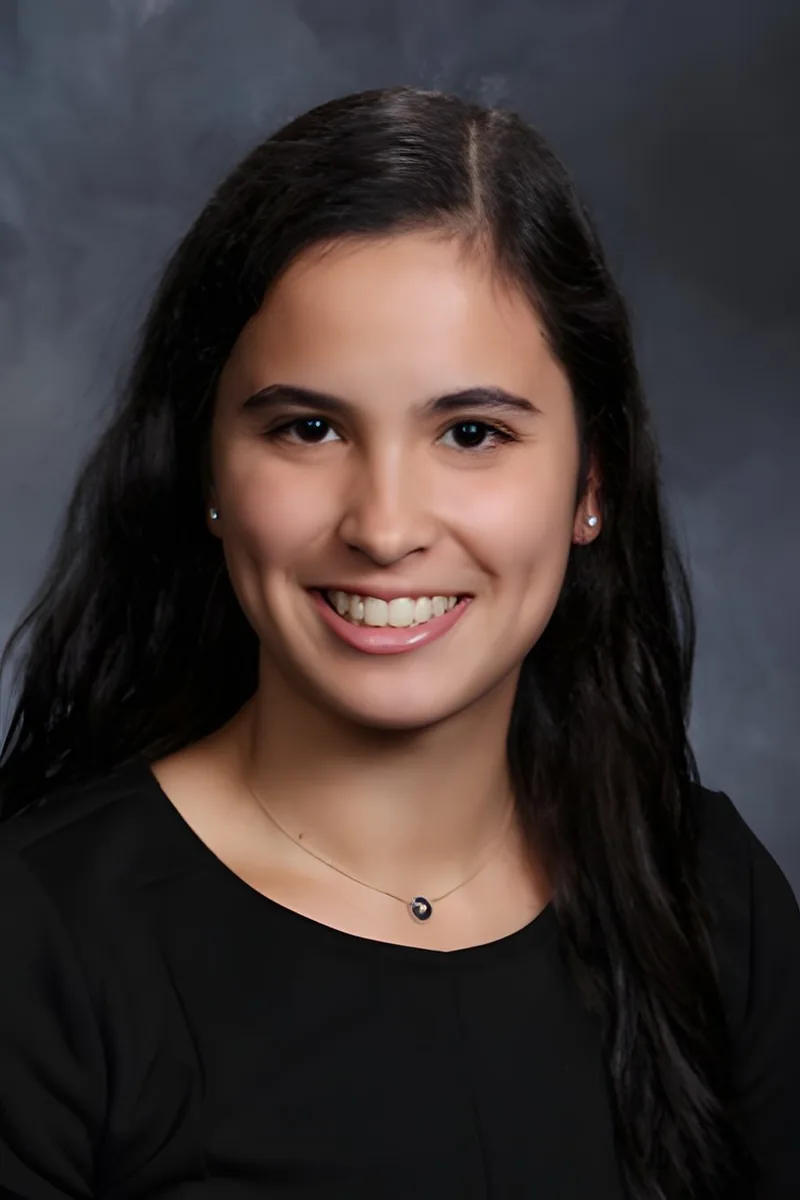
Between her Ancient and Medieval Studies minor and her love of reading and writing, Isabella brings genuine literary curiosity to English tutoring — she's the rare STEM student who also knows how to dissect a thesis statement or trace a motif through a novel. She approaches essays the way she approaches proofs: every claim needs evidence, every paragraph needs a clear purpose. Rated 5.0 by students.

Between a Duke history degree heavy on primary-source analysis and a law career built on persuasive writing, Jean brings two complementary lenses to English instruction. She tackles everything from thesis development to close reading of literary texts, teaching students how to build arguments that are both well-structured and grounded in textual evidence. Her 1500 SAT score speaks to the reading and writing fluency she brings to the table.
Having taught high school science and worked in college prep administration, Marion knows exactly what polished academic writing looks like across disciplines — and where students' grammar, structure, and argumentation tend to break down. She applies that editorial eye to English tutoring, especially when it comes to crafting clear thesis-driven essays and tightening prose that reads as vague or unfocused. Rated 5.0 by students.
Cognitive science at Brown means Alice spends her days studying how people process language — how readers extract meaning, how writers structure arguments to persuade, and why certain phrasings stick while others slide past. She channels that understanding of how the brain handles text into teaching essay construction, reading comprehension, and the kind of deliberate word choice that elevates student writing from adequate to sharp.
Engineering majors don't usually get credit for their writing chops, but Ilesh pairs analytical rigor with a genuine love of reading and writing that shows up in how he teaches grammar, argument structure, and close reading. His approach treats English skills as tools for building clear, persuasive communication — whether a student is parsing a passage or drafting an essay. Rated 5.0 by students.
Few English tutors write professionally every day — Robert does, and that daily practice sharpens how he teaches close reading, thesis development, and textual analysis. Whether a student is unpacking a poem's figurative language or structuring a five-paragraph essay, he connects the craft of writing to the craft of reading in a way that makes both click. Rated 5.0 by students.
From close reading and literary analysis to crafting thesis-driven essays, Juliana covers the full range of skills English classes demand. Her background at Northwestern's writing center means she teaches students to build arguments from textual evidence and revise with purpose — the kind of process that carries from one assignment to the next.
Reading a novel and actually understanding what an author is doing with tone, symbolism, or narrative structure are two very different skills. Ominira's literature and writing background — sharpened through years of coaching students on college essays and academic writing — means she connects close reading directly to stronger written analysis. She's particularly effective at teaching students how to pull textual evidence and build a paragraph that says something specific rather than just summarizing the plot.
Christopher's love of reading and writing extends well beyond his science career — he lists books, reading, and writing among his regular pursuits and has experience tutoring college essays and literature alongside editing. He approaches English by teaching students to read critically, identify an author's argument or narrative strategy, and articulate their own ideas in structured, evidence-driven prose. His analytical training in the sciences actually strengthens his English instruction, since he emphasizes logical organization and precise word choice in every piece of writing.
David brings an analytical reader's eye to English, treating essays and literary passages as arguments to be dissected rather than texts to simply summarize. His experience coaching college essays and editing student writing means he can pinpoint where a paragraph loses its thread and show how to restructure it for clarity and impact. Rated 5.0 by students.
A biochemistry major who also excels in writing might sound unusual, but Maddie's strength in English comes from treating reading and writing as skills you can systematically improve. She walks students through close-reading techniques for poetry and prose, then applies that same analytical rigor to crafting thesis statements and organizing argumentative essays.
An avid reader and writer who also holds a PhD in engineering, Bettina bridges analytical and creative thinking in a way that makes English click for STEM-minded students. She tackles reading comprehension, literary analysis, and essay composition by teaching students to identify an author's argument and evaluate the evidence behind it. That structured lens turns vague responses into sharp, well-supported interpretations.
Between a 1570 SAT, extensive writing experience through college essays and research, and a minor that required close reading in two languages, Hailey brings real range to English tutoring. She unpacks everything from thesis development and textual analysis to the nuts-and-bolts revision skills that turn a rough draft into a polished piece.
An English Literature degree from Northwestern gave James deep experience with close reading, thesis construction, and literary analysis across genres and periods. He approaches English not as a set of disconnected skills but as interconnected work — the way a student reads a passage directly shapes the argument they can build in an essay about it.
A BFA in Creative Writing means Alexandra spent years workshopping prose, analyzing literature, and learning to give (and receive) sharp editorial feedback. She brings that training to English tutoring — whether a student needs to strengthen a literary analysis essay, untangle a confusing thesis statement, or develop a closer reading of figurative language and narrative structure in a novel.
Reading a passage and actually building an argument from it are two very different skills, and Aditya spends most of his English sessions on that second one. Between his work on college essays, literature analysis, and high school and college-level English, he teaches students how to identify a text's central tension and use specific evidence — not vague summaries — to support a claim.
Anna's PhD work in English Literature at the University of Virginia, combined with years teaching first-year writing seminars and literature courses, means she can tackle both sides of English — close reading and clear writing — with equal depth. She treats literary analysis as a learnable skill, walking students through how to build an argument from textual evidence and sharpen each draft until the thesis lands. Her teaching spans everything from 20th-century American fiction to critical essay structure, so she adapts quickly to whatever a student is working on.
Between crafting college-level research papers in engineering and studying Spanish through advanced coursework, Matthew developed a practical understanding of how English works structurally — from argument construction in essays to close reading of literary texts. He's particularly effective at teaching students how to build a thesis that actually drives an essay forward rather than just restating the prompt. Holds a 5.0 rating.
An avid reader and writer outside of his engineering work, Michael approaches English by teaching students how to build an argument on the page — identifying a thesis, selecting textual evidence, and structuring paragraphs that flow logically. He's particularly effective at showing analytically minded students how to translate their ideas into polished essays and close-reading responses.
An English degree from Emory and a lifelong habit of reading and writing gave Eugene deep fluency with the subject's full range — from close-reading poetry to structuring a persuasive essay to identifying rhetorical strategies in nonfiction. He now balances that literary training with the analytical rigor of a biomedical science PhD, which sharpens how he teaches argumentation and evidence-based writing. Students working on everything from thesis development to textual analysis get someone who genuinely thinks in language.
Between crafting analytical essays for his UGA coursework and writing polished communications during internships at two major financial firms, Victor has logged serious practice turning ideas into structured, persuasive prose. He tackles English by connecting reading comprehension to writing — teaching students to identify an author's argument first, then model that clarity in their own work.
Reading and writing have always been part of Adel's life outside the classroom — from devouring books to crafting his own essays — which gives his English tutoring a genuine enthusiasm that students pick up on. He breaks down everything from thesis construction and textual analysis to grammar mechanics, making the connection between what students read and what they're expected to argue on paper. Rated 5.0 by students.
A Creative Writing degree sharpens something most English tutors take for granted: the ability to read a sentence and immediately see three better ways to write it. Jordan brings that editorial instinct to English tutoring, whether a student is analyzing a novel's themes, drafting a personal essay, or learning to structure a five-paragraph argument. She scored a 32 on the ACT, which speaks to her command of both the reading and language skills that underpin strong English performance.
Between his college TA work and his experience coaching students through college essays and literature, Tyler approaches English as an exercise in building arguments from evidence — pulling a claim from a text and defending it with specific details. His pre-med background actually sharpens this: he treats close reading like diagnosing a problem, systematically ruling out weak interpretations until the strongest one holds up.
I'm always up for the challenge of changing my methods of instruction and breaking down topics to foster a deeper understanding of a subject. On a different note, I generally spend my spare time playing lacrosse or running outdoors when possible. I also play the violin with a school quartet, and teach lessons to beginning students working through the Suzuki program.
Between his political science degree at UGA and legal writing at Emory Law, Matt has spent years dissecting complex texts and building persuasive arguments on the page. He teaches English with an emphasis on thesis development, close reading, and crafting paragraphs that move logically from claim to evidence to analysis.
Strong English skills come down to two things: reading critically and writing clearly. Yilin's background spans psychology research papers, legal briefs, and creative writing, so she can teach a student how to dissect an author's argument in a literary essay just as comfortably as she can tighten up a rambling thesis statement. She holds a 5.0 rating across her students.
Six years of tutoring reading, writing, and literature gave Jennifer a sharp eye for what trips students up — whether it's constructing a thesis statement, analyzing an author's tone, or simply organizing ideas into coherent paragraphs. Her communications degree from the University of Alabama combined English coursework with persuasive writing, so she teaches students to write with both clarity and purpose.
I'm a 25 year old recent J.D. graduate of Georgia State College of Law. I attended Emory University for my undergraduate studies where I was awarded a double major in Political Science and History. Currently I am interning with CAIR as I prepare for the February Georgia Bar Exam.
An avid reader and writer studying at KU's honors program, Emily approaches English by connecting what students read to how they write about it — building the bridge between understanding a text and crafting a clear argument on the page. She's spent years coaching students through essay drafts for classes and scholarships, so she knows how to sharpen both interpretation and expression at the sentence level.
Most students assume an engineering major can't teach English well, but Travis's dual enrollment years included heavy reading and writing across literature, sociology, and the humanities. He breaks down reading comprehension strategies and analytical writing techniques, showing students how to build an argument from textual evidence rather than summarize a plot.
From close reading a novel to structuring a persuasive paragraph, English demands that students toggle between analytical thinking and clear self-expression. Audrey, a sociology major at Penn, brings that same dual skill set — her coursework requires constant interpretation of complex texts and precise written argumentation. She teaches students to identify an author's choices and then articulate their own ideas with equal clarity.
Xihao approaches English through an analytical lens — identifying thesis structures in essays, tracing argument logic in reading passages, and pinpointing where a draft's organization breaks down. His experience with college essays and essay editing gives him a practical toolkit for strengthening both academic writing and close-reading skills.
Teaching across departments at NYU, American University, and New College of Florida gave Arin an unusual range — they've taught writing-intensive courses where close reading, thesis development, and revision are the core skills. Their PhD in Performance Studies means they approach texts by asking how language performs an action on a reader, which sharpens everything from paragraph structure to literary analysis.
Chandler scored a 1560 on the SAT and teaches both literature and college essays, giving him a dual grip on English — the close-reading side and the writing side. He digs into thesis construction, textual evidence, and argument structure, showing students how to move from a vague reaction to a piece of writing into a precise, well-supported claim.
Between her avid reading habit, her legal writing training, and her background in college essay coaching, Jen covers the full spectrum of English skills — close reading, thesis development, revision strategy, and vocabulary in context. She's especially sharp at showing students how to move from a vague first draft to a polished final paper through targeted revision. An active reader and writer herself, she makes literary analysis feel like a conversation rather than a chore.
An avid reader and writer outside the lab, Corey approaches English by treating texts the way an engineer treats data: what's the author's claim, what evidence supports it, and how does the structure reinforce the message? He's particularly effective at teaching students how to organize analytical essays with clear thesis statements and logical paragraph flow.
Between her love of reading and writing and her analytical training in math and computer science, Jade brings an unusual combination to English instruction — she can talk theme and character motivation just as fluently as she can walk through essay structure and argument building. Students who think of themselves as 'math people' often find her approach to literary analysis surprisingly intuitive.
I am working as a program manager at a local non-profit organization in Miami. Outside of academia and work my interests are singing karaoke with friends, swimming, watching movies, and reading about environmental and social justice issues. In the past I have tutored public health topics (including epidemiology) online, taught environmental science and history courses, and tutored students in-person on ACT prep, biology, voice lessons, and Spanish language. My clients have been middle school, high school, university, and graduate students. My favorite subjects to tutor are those that I myself had to work the hardest to conquer (ACT, Spanish fluency, epidemiology and chemistry)! I love teaching these subjects because through my own struggle to achievement I have developed especially effective methods for my clients to succeed as well. My teaching style is based upon working with clients to develop individualized study methods. I am a tutor who is patient, caring, and committed to seeing you exceed your goals. Don't hesitate to contact me if you are searching for a tutor with these qualities.
Reading a novel and actually analyzing it are two very different skills, and Ben teaches the second one explicitly — how to identify an author's argument, trace a motif across chapters, and build a thesis that goes beyond plot summary. His 1570 SAT speaks to the kind of close-reading precision he brings to everything from Shakespeare to contemporary essays.
Testimonials
Because the right English tutor makes all the difference.
Average Session Rating – Based on 3.4M Learner Ratings
Nearby English Tutors
Other Atlanta Tutors
Related English Tutors in Atlanta
Frequently Asked Questions
Atlanta students often struggle with reading comprehension, essay writing structure, and standardized test preparation—especially as curriculum demands increase from middle to high school. With an average student-teacher ratio of 12.7:1 across Atlanta's 19 school districts, many students benefit from personalized instruction that addresses their specific gaps, whether that's grammar fundamentals, literary analysis, or test-taking strategies.
In a classroom setting, teachers manage diverse learning levels and paces. With personalized 1-on-1 instruction, a tutor can focus entirely on your strengths and weaknesses—whether you need to strengthen foundational writing skills or dive deeper into advanced literary analysis. This targeted approach allows tutors to adjust explanations, pacing, and examples to match your learning style, leading to faster progress and greater confidence.
Varsity Tutors connects you with tutors who understand Georgia's standards and the specific expectations for your grade level—from elementary reading foundations through high school AP Literature and Composition. Tutors are familiar with Atlanta-area school curricula and can reinforce classroom learning, prepare you for unit assessments, or help you master skills that may have been missed.
Yes. Personalized writing instruction focuses on your specific weaknesses—whether that's thesis development, paragraph organization, grammar, or revision skills. Tutors work through your actual assignments and provide detailed feedback, helping you understand not just what to fix, but why. Many students see measurable grade improvements within a few weeks of consistent tutoring.
Tutors prepare you for standardized tests by breaking down question types, teaching time-management strategies, and practicing with real test materials. For the SAT and ACT, this includes reading comprehension, grammar, and rhetorical analysis. For AP English exams, tutors help you master essay writing, textual analysis, and exam-specific formats. Personalized prep means focusing on your weak areas rather than reviewing skills you've already mastered.
Your first session is an opportunity for the tutor to understand your current level, learning goals, and challenges. You might discuss specific assignments, take a diagnostic assessment, or work through a sample problem together. The tutor will ask questions about what you're studying in class and what you'd like to improve, then create a personalized plan for future sessions.
Reading comprehension tutoring teaches active reading strategies like annotation, questioning, and summarization—skills that help you understand and retain what you read. Tutors work with texts at your level, building vocabulary and confidence while teaching you how to identify main ideas, analyze author's purpose, and make inferences. These skills transfer across all subjects and improve both academic performance and standardized test scores.
Varsity Tutors matches you with tutors based on your specific goals—whether you need help with grammar, creative writing, test prep, or literature analysis. You can discuss your learning style and preferences, and tutors work with you to find an approach that clicks. If a tutor isn't the right fit, you can connect with someone else.
Let’s find your perfect tutor
Answer a few quick questions. We’ll recommend the right plan and match you with a top 5% tutor.